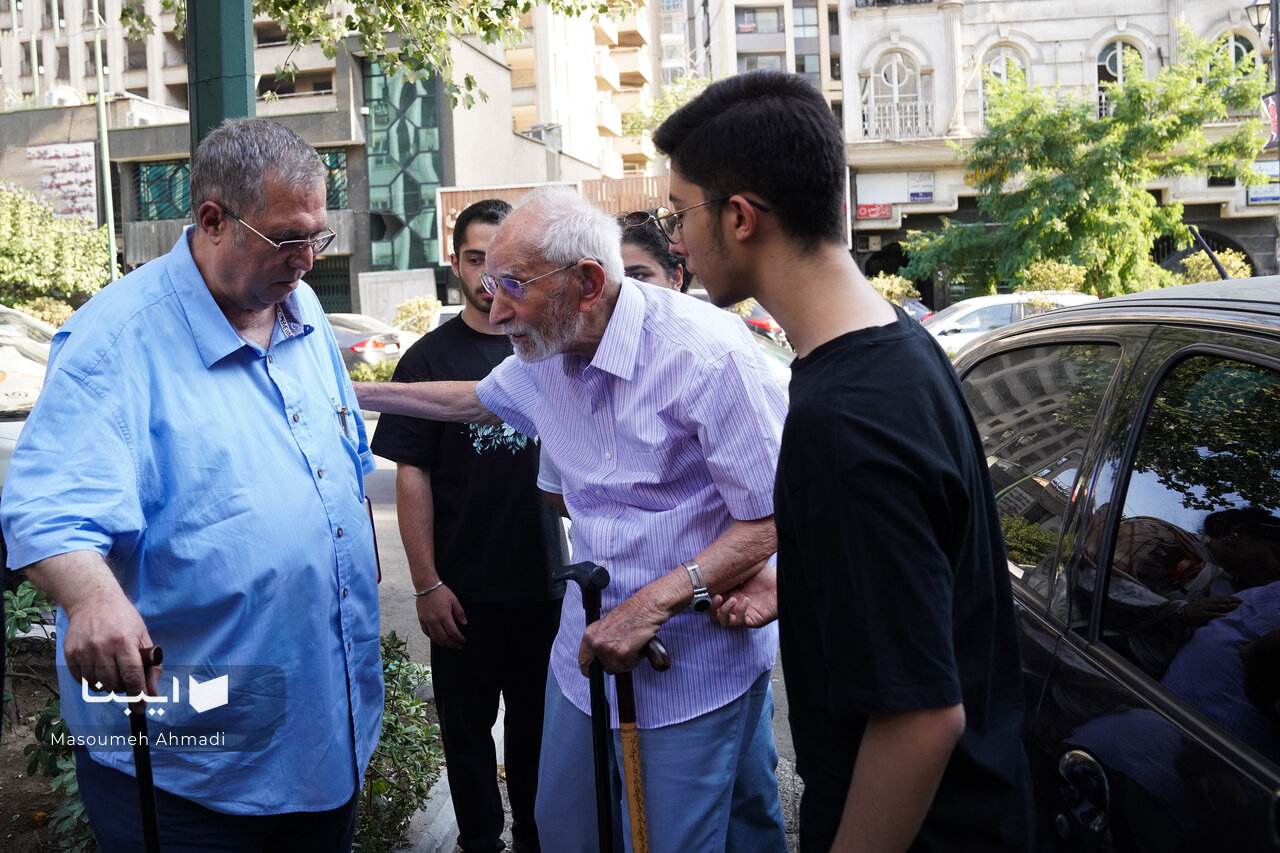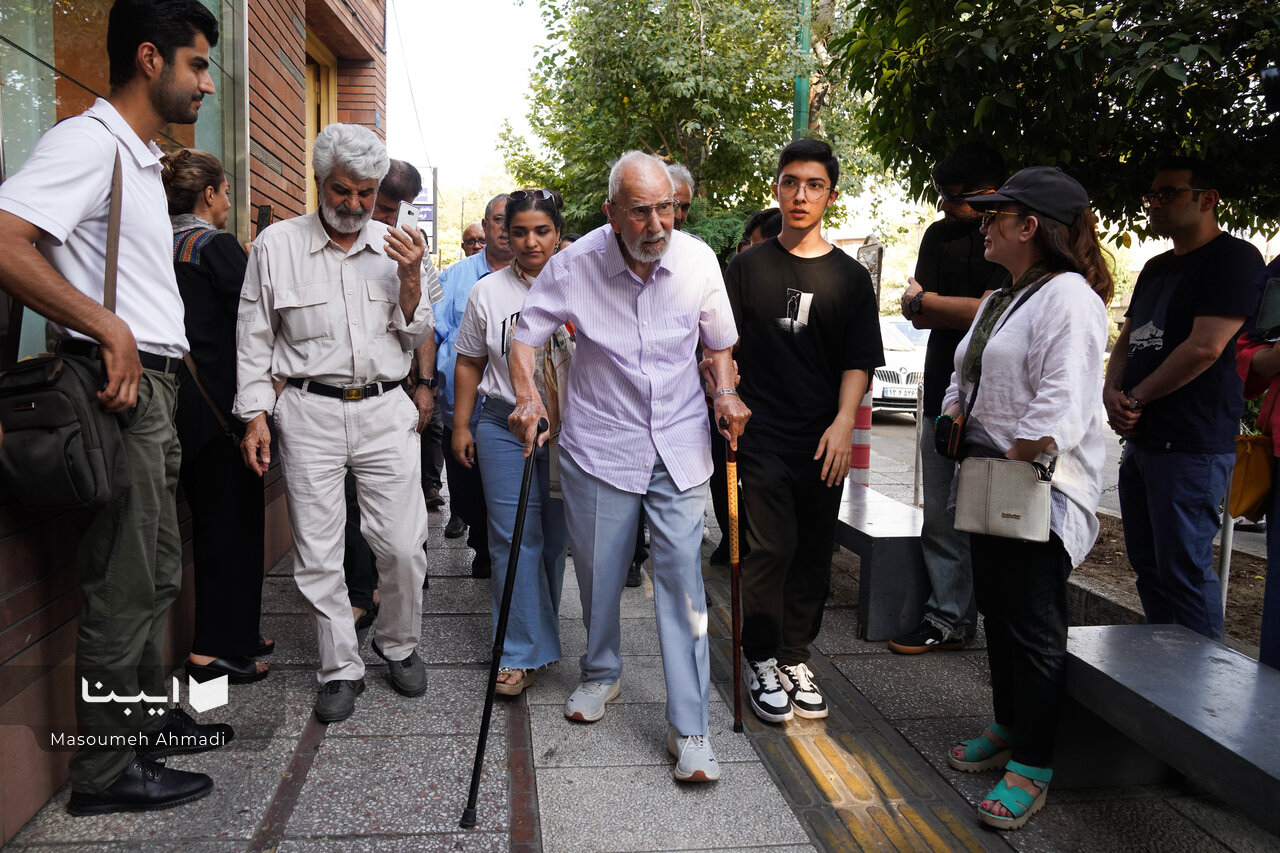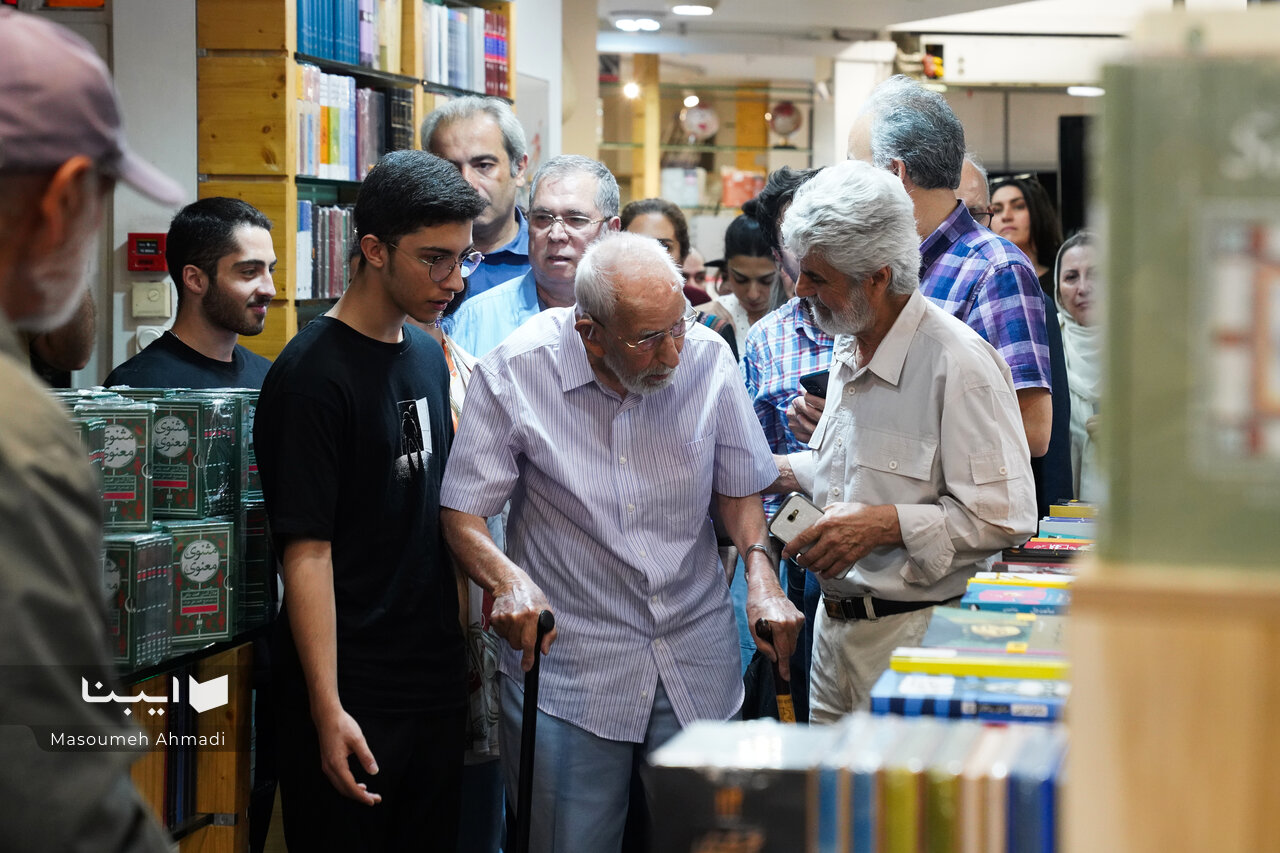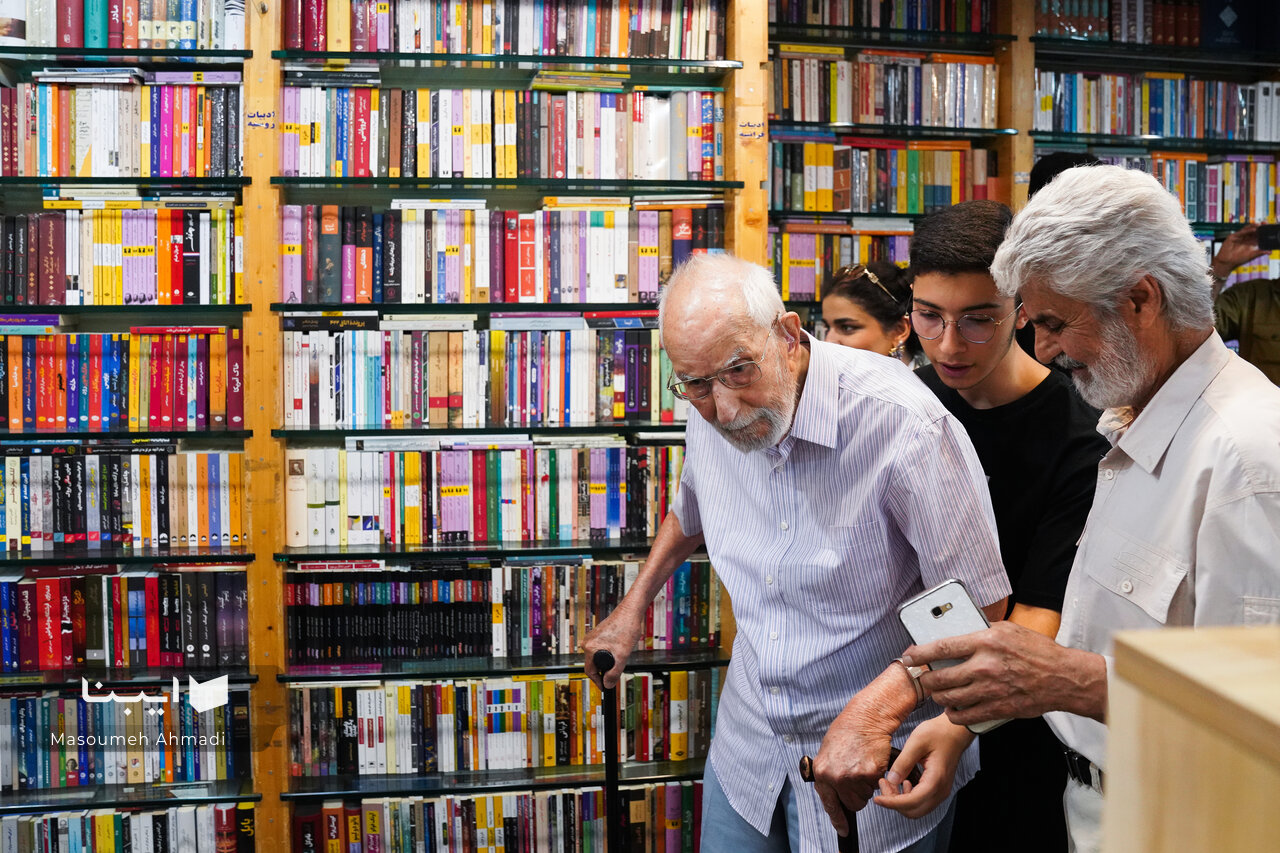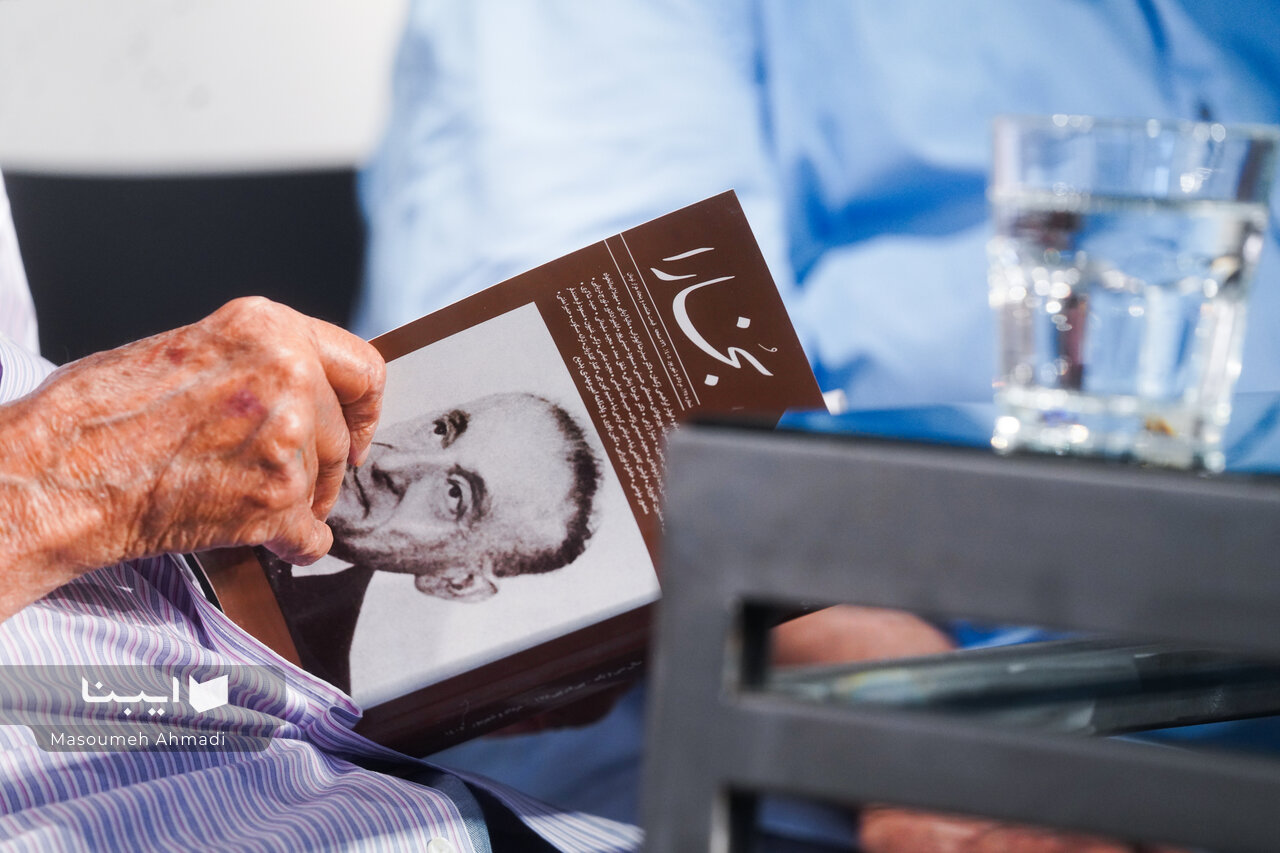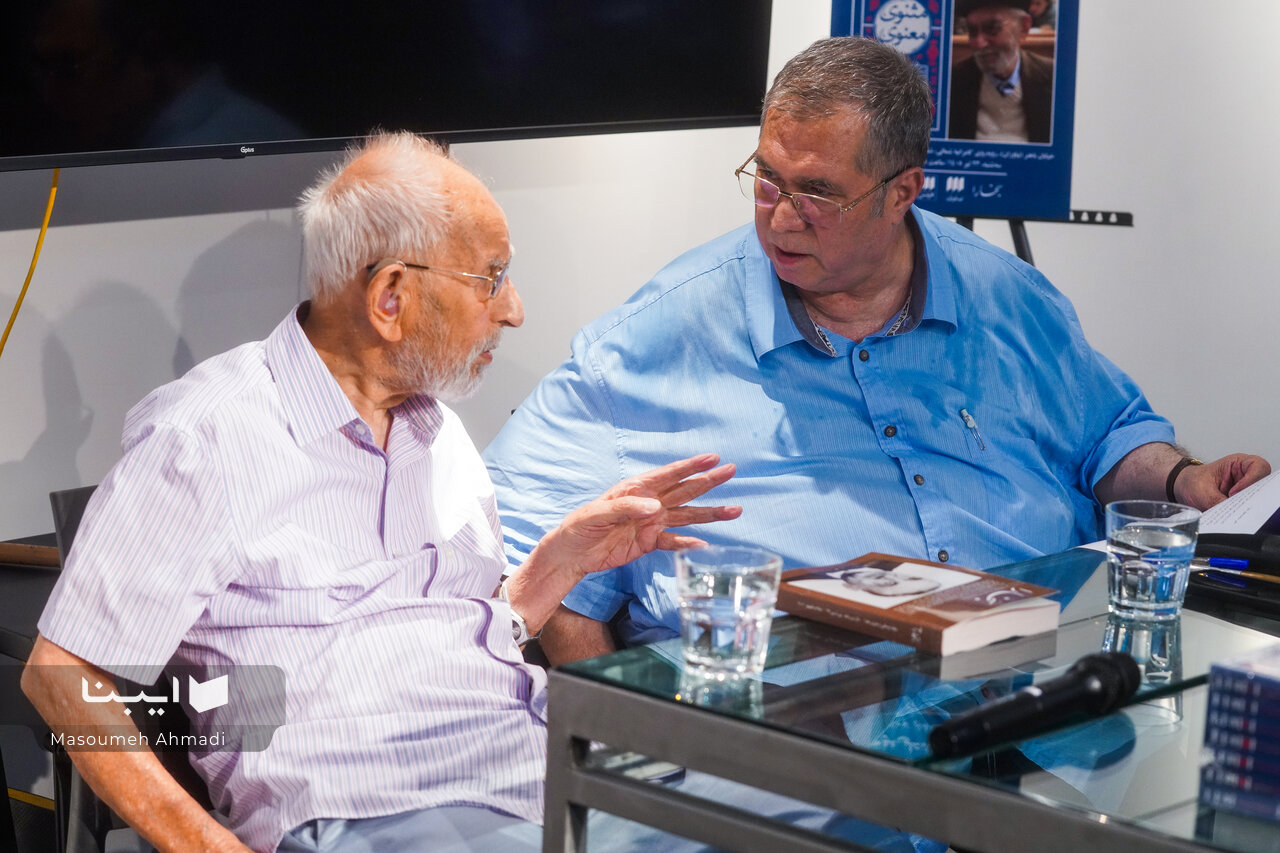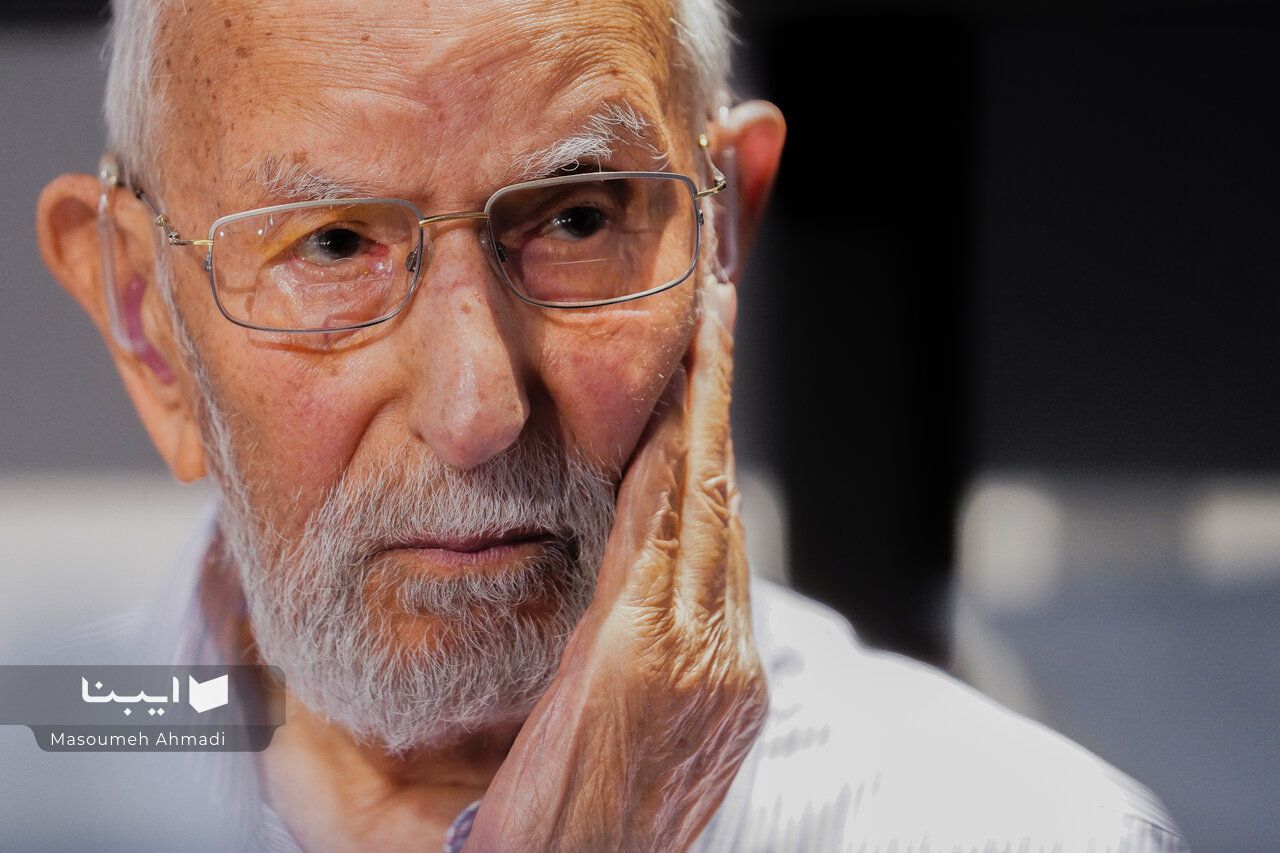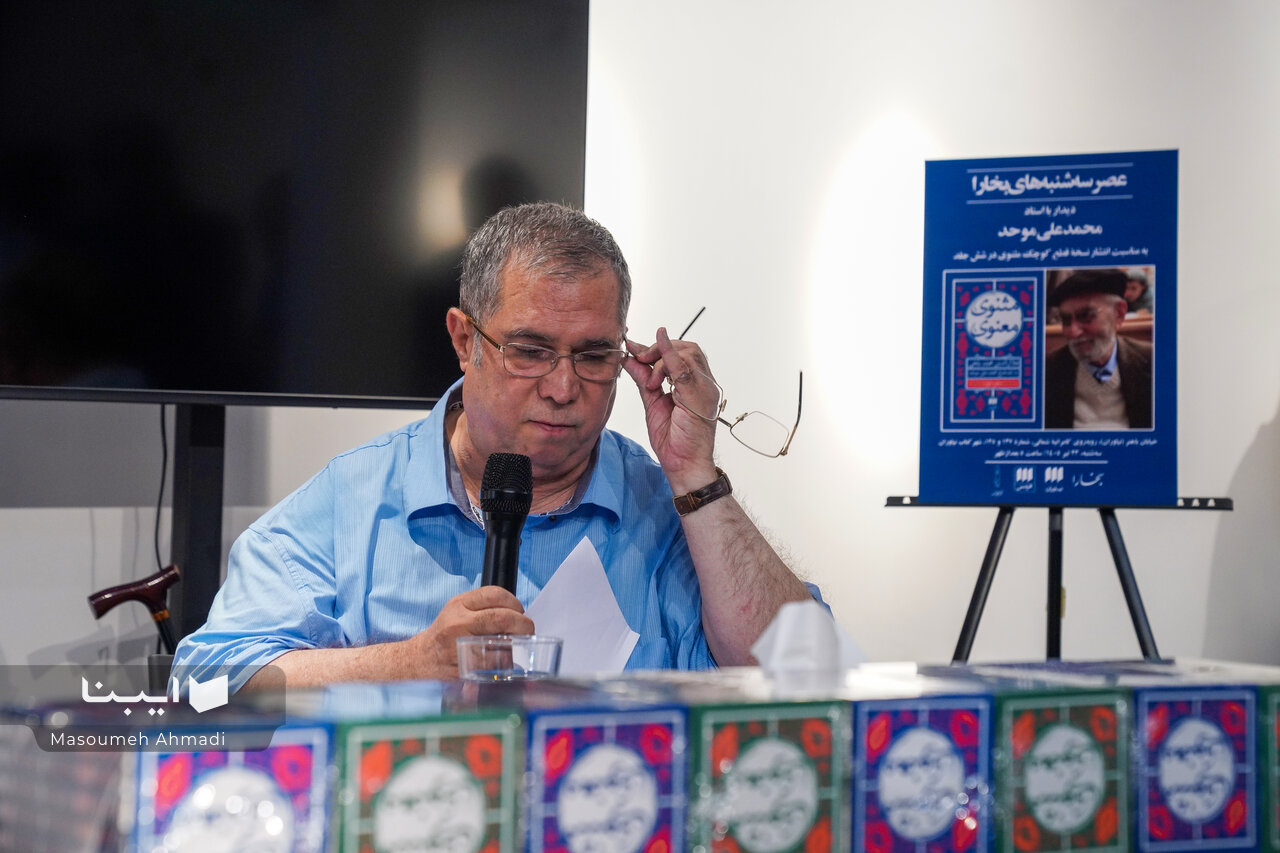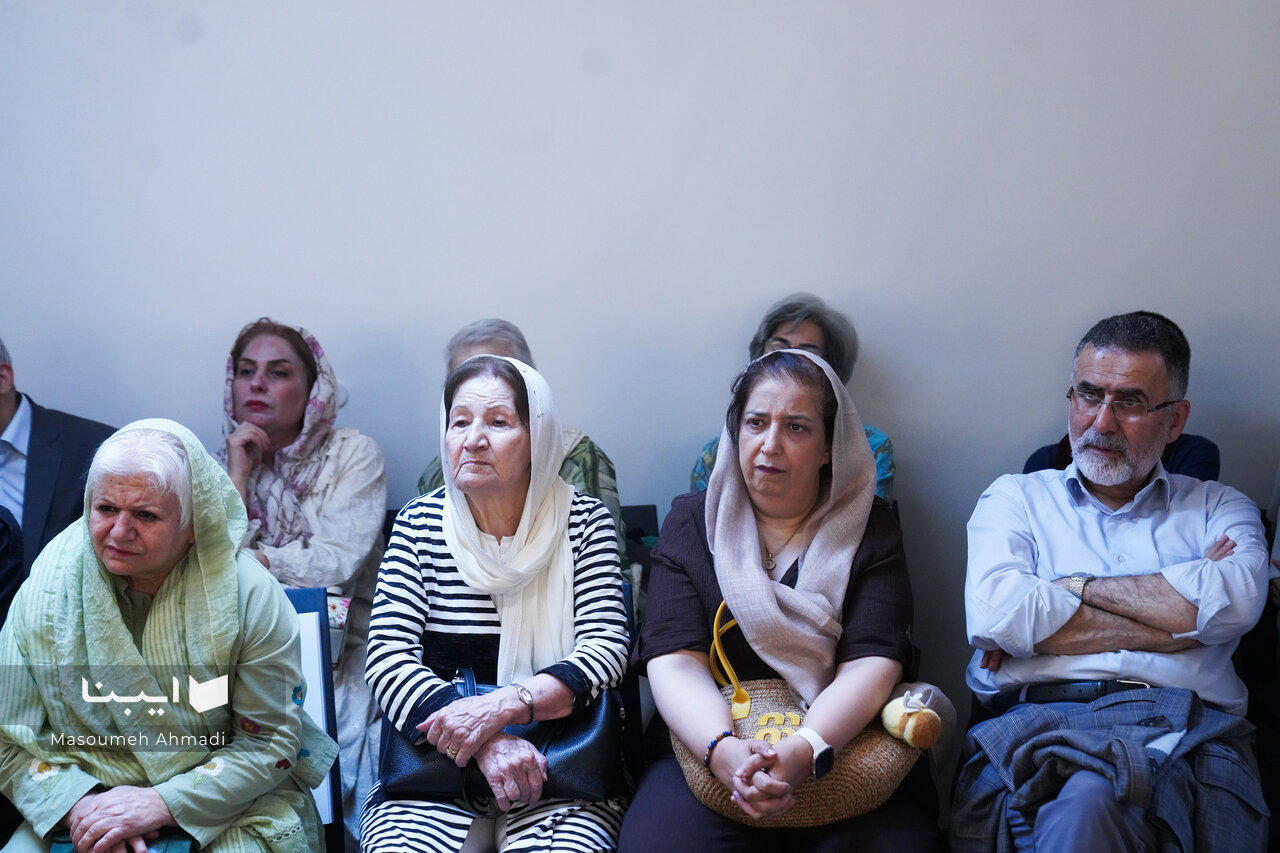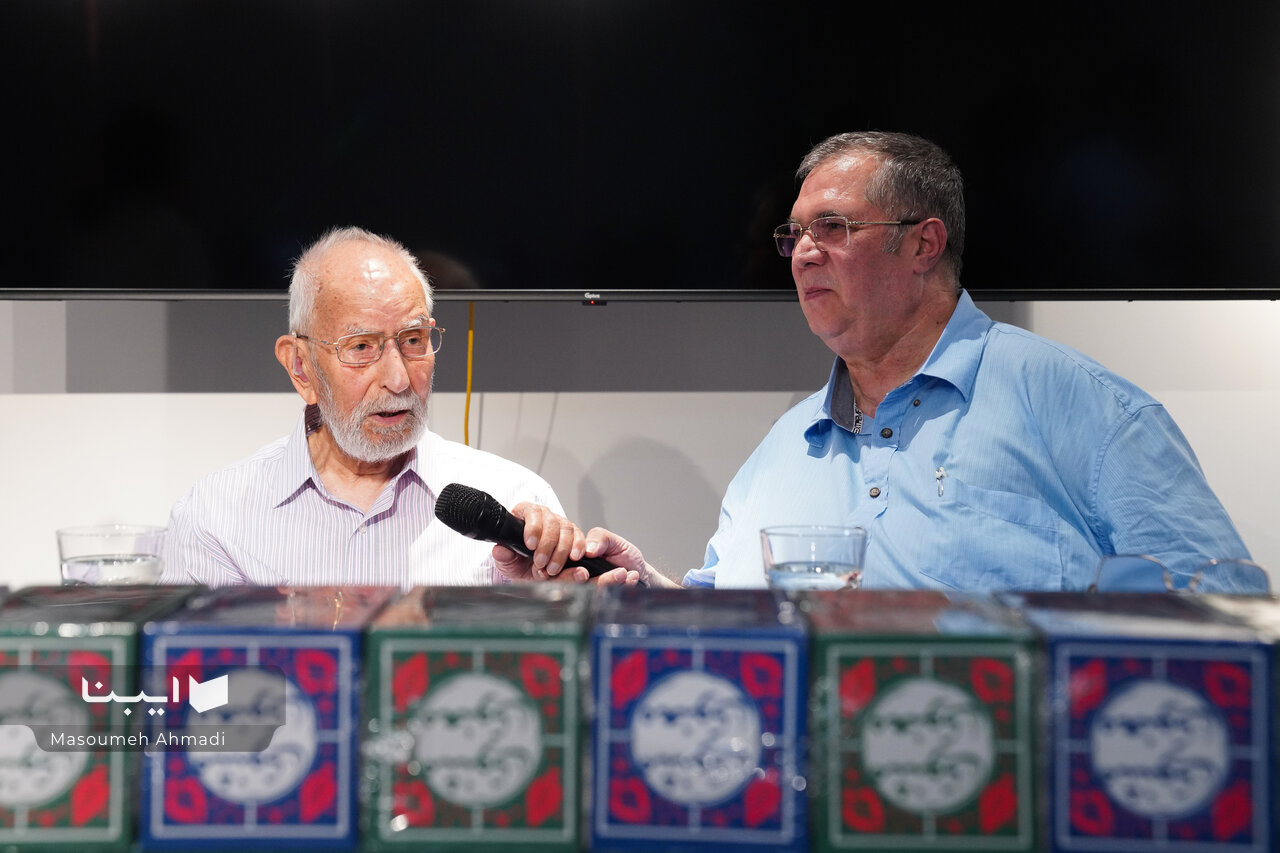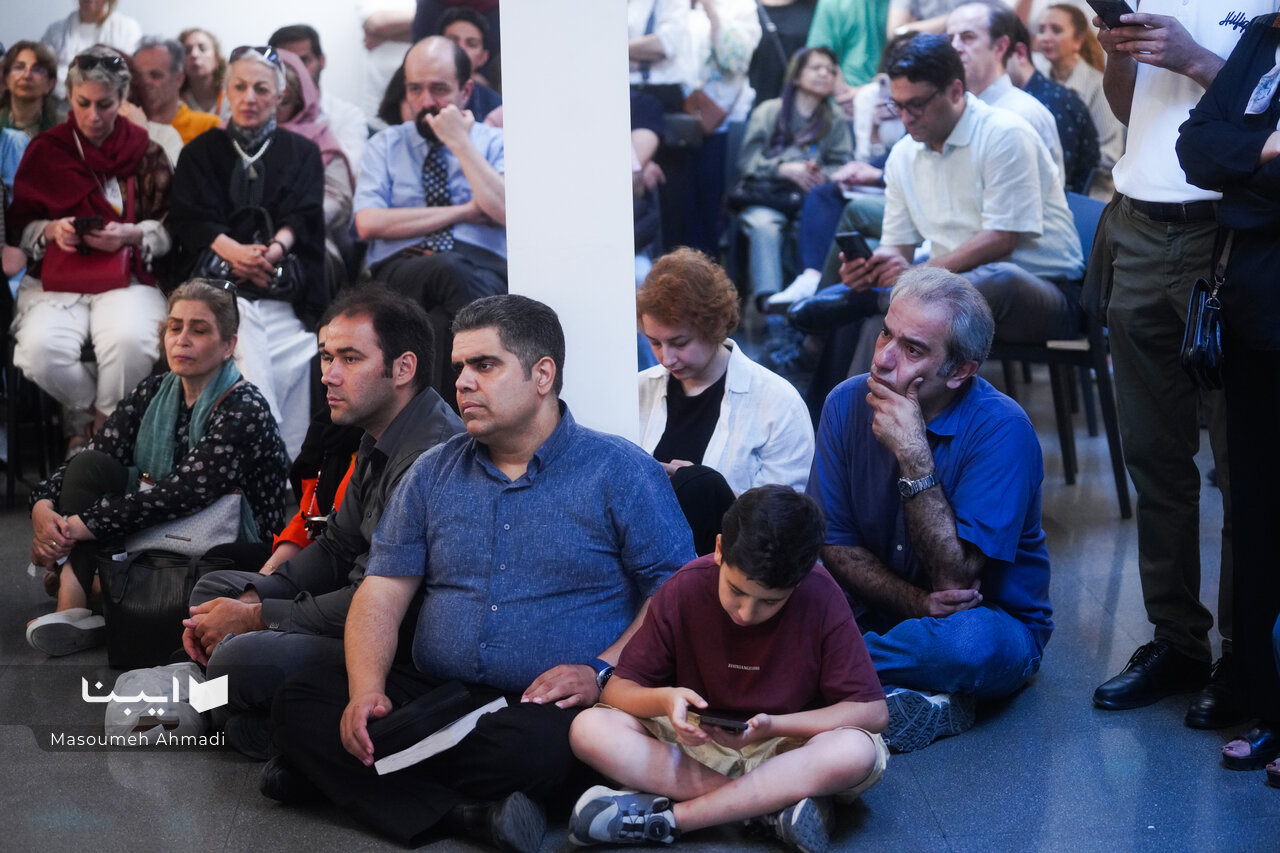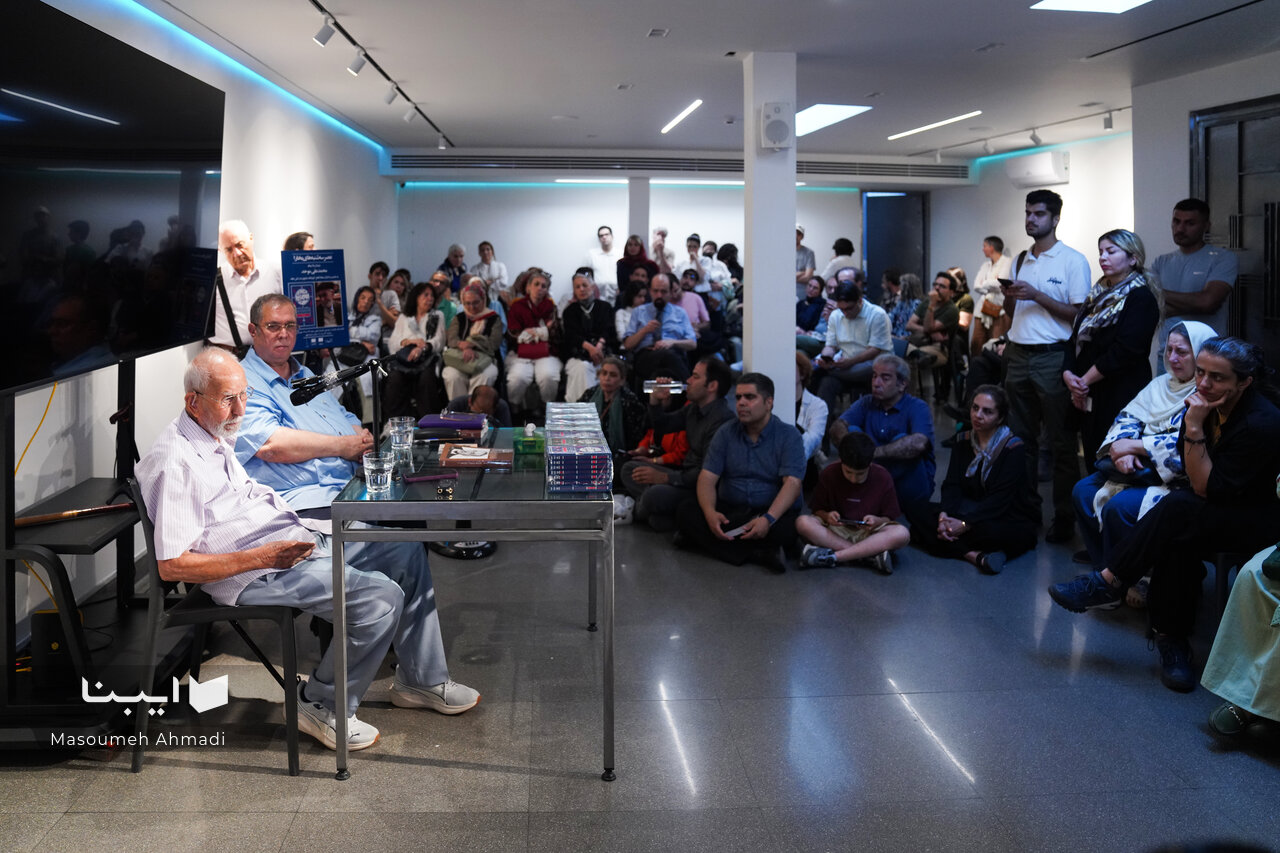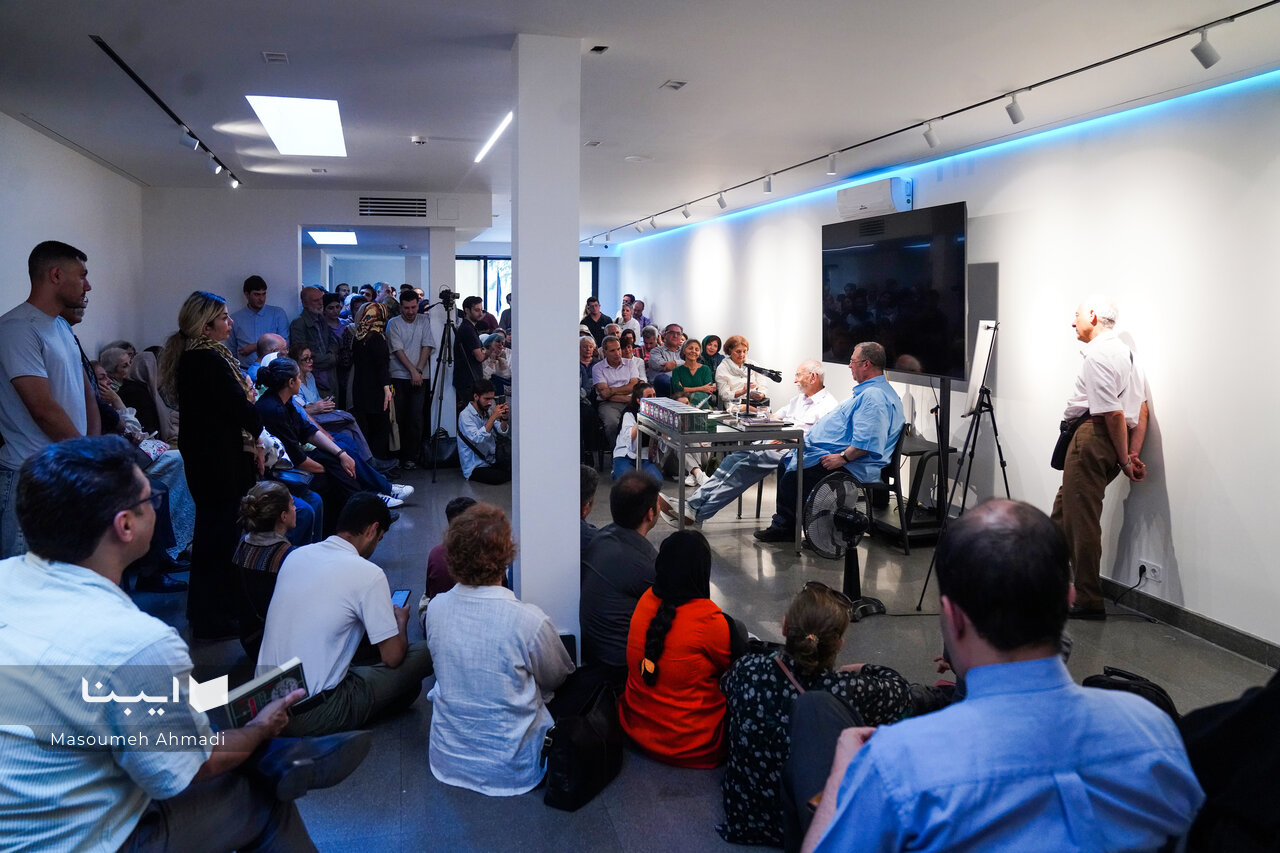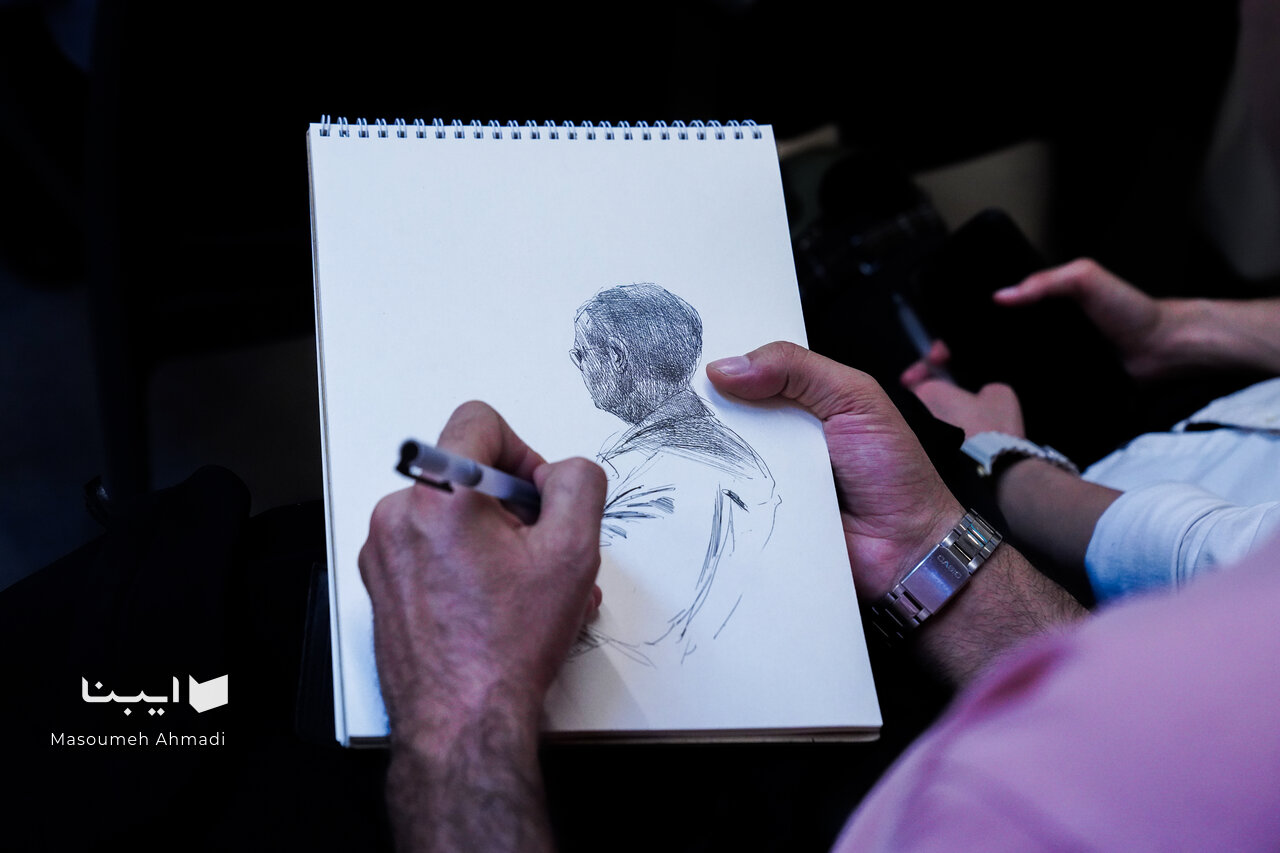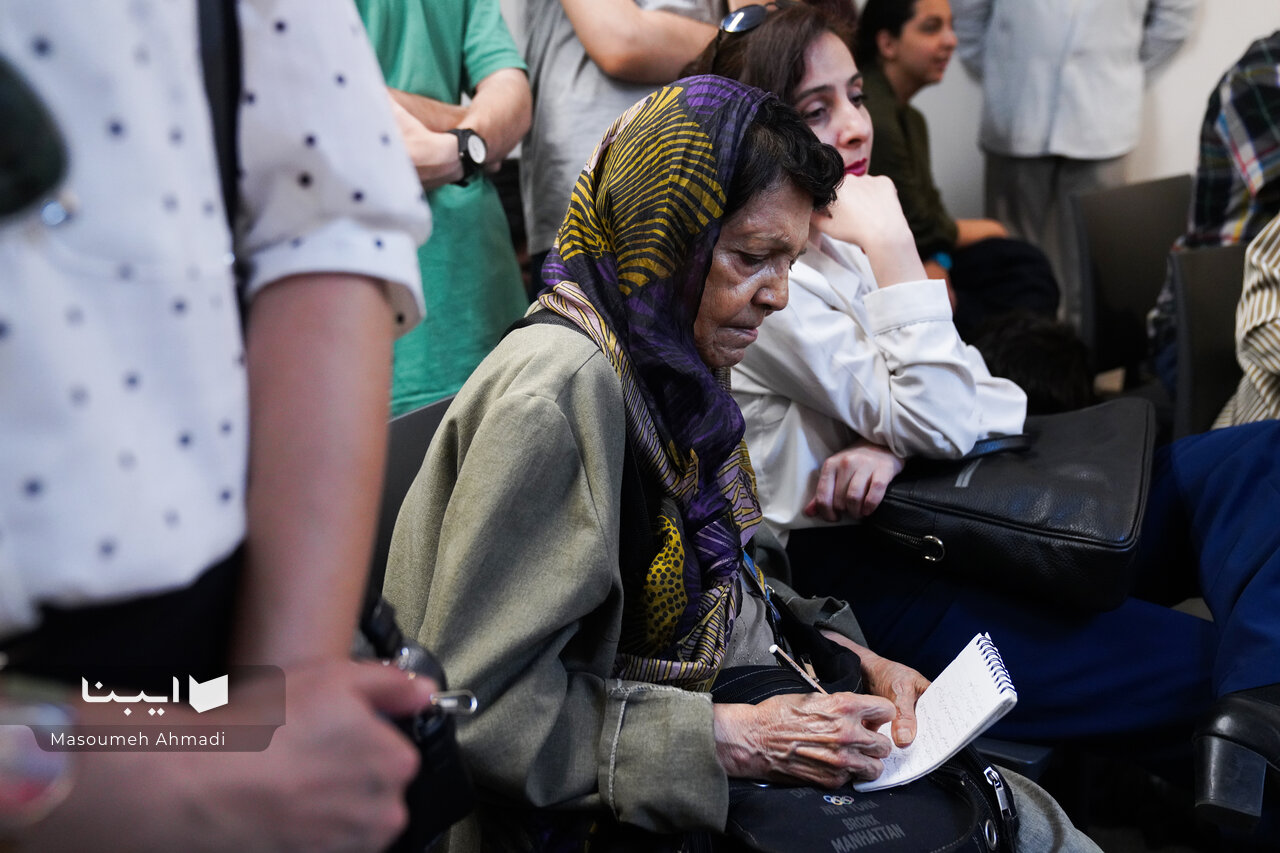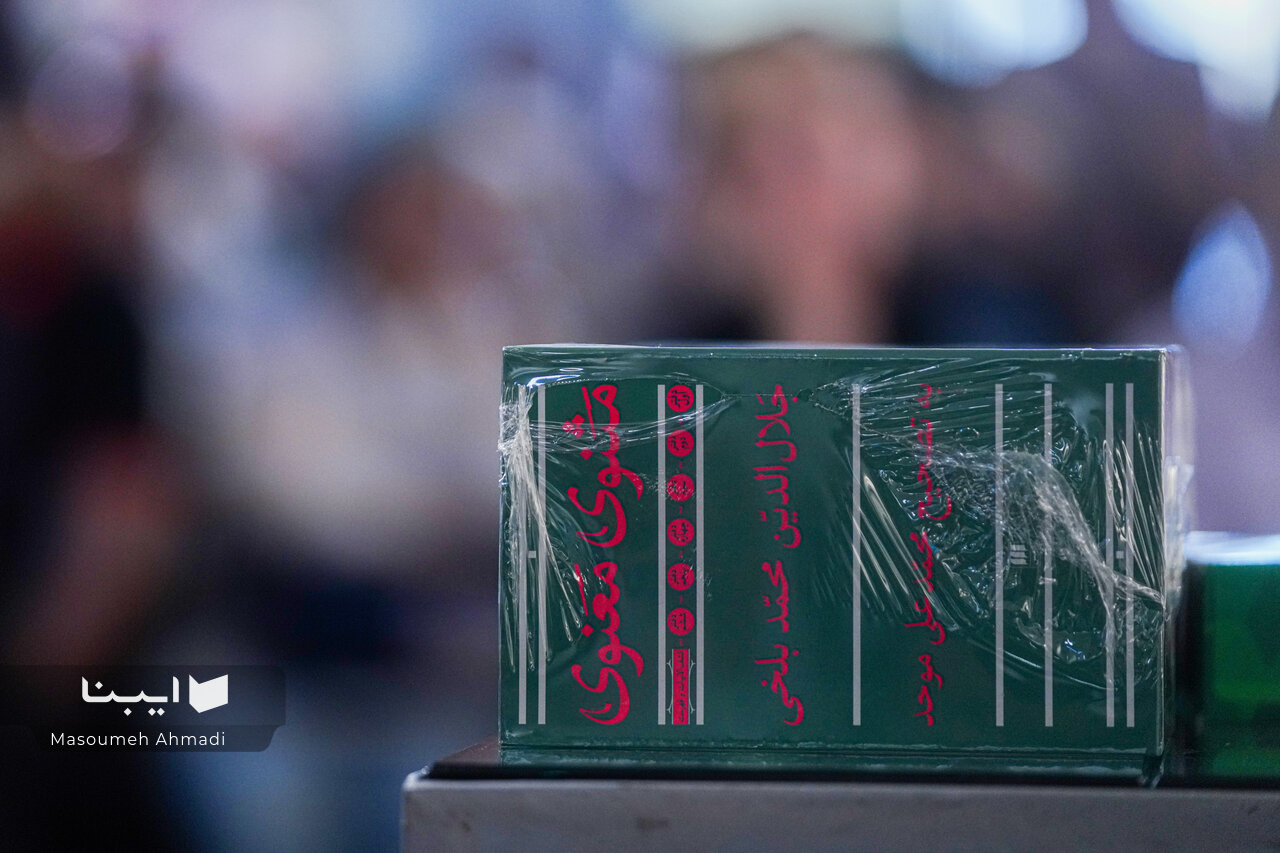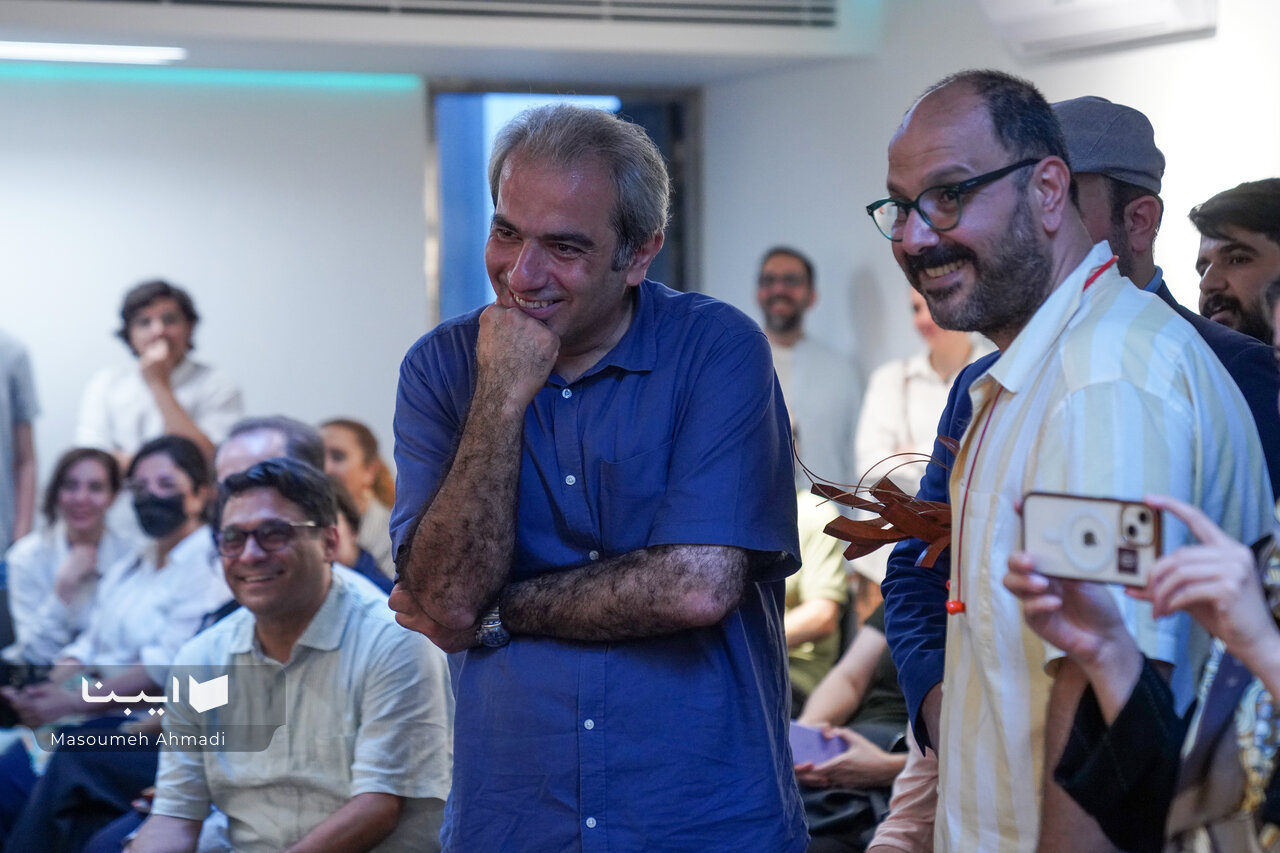


A launch for a new compact edition of Rumi’s Masnavi, edited by Dr Mohammad Ali Movahed, was held at Niavaran BookCity on Tuesday, 14 July 2026, drawing an enthusiastic audience. At the literary event, Movahed argued that a precise and profound understanding of the Masnavi requires a close reading of the Maqalat-e Shams (Discourses of Shams).
Shams: A Turning Point and a Divine Mission
In the main part of his talk, Dr Movahed examined the relationship between the two great mystics and described Shams Tabrizi as the turning point in Rumi’s life. He noted that by the age of 38, Rumi had attained considerable standing as both a jurist and a public figure, yet despite being at the height of his fame and learning, he saw himself as stagnant water. Movahed characterised Shams’s arrival as a divine mission to rescue Rumi from among an “unruly people”, adding: “Just as we could not have gained access to the wisdom of Socrates without Plato, without Shams we would not have the Rumi we know today.”
Moving Beyond Ibn Arabi’s Shadow through the Discourses of Shams
Movahed also stressed the need to move beyond conventional approaches to the Masnavi. He said that many scholars had previously read the work solely through the lens of Muhyiddin Ibn Arabi’s school of thought. A close study of the Discourses of Shams, however, compels scholars to return to the Masnavi with an independent understanding, free from the constraints of doctrinal allegiance. He added that, in the Discourses, Rumi refers to Ibn Arabi and other Sufi masters in ways that reveal his intellectual independence and distinctive outlook.
Dating the Books of the Masnavi and Its Literary Aesthetics
Another part of the event focused on the chronology of the six books of the Masnavi and Rumi’s literary stature. Drawing on historical sources and Rumi’s relationships with Husam al-Din Chalabi and Salah al-Din Zarkub, Movahed suggested that work on the second book may have begun after 662 AH (1263–64 CE), while the sixth may have been completed some two or three years before Rumi’s death. Referring to metaphors such as the reed and the harp, he also described Rumi’s command of symbolic expression and his aesthetic achievements as unparalleled, even by contemporary literary standards.
Latest on the Commentary on the Masnavi and the Presentation of BookCity’s Simorgh Statuette
During the question-and-answer session, Dr Movahed offered an update on the publication of his Commentary on the Masnavi. He explained that although the commentary on the first book is ready, physical weakness and lingering health effects from the COVID-19 pandemic have slowed the work of revising and completing the text.
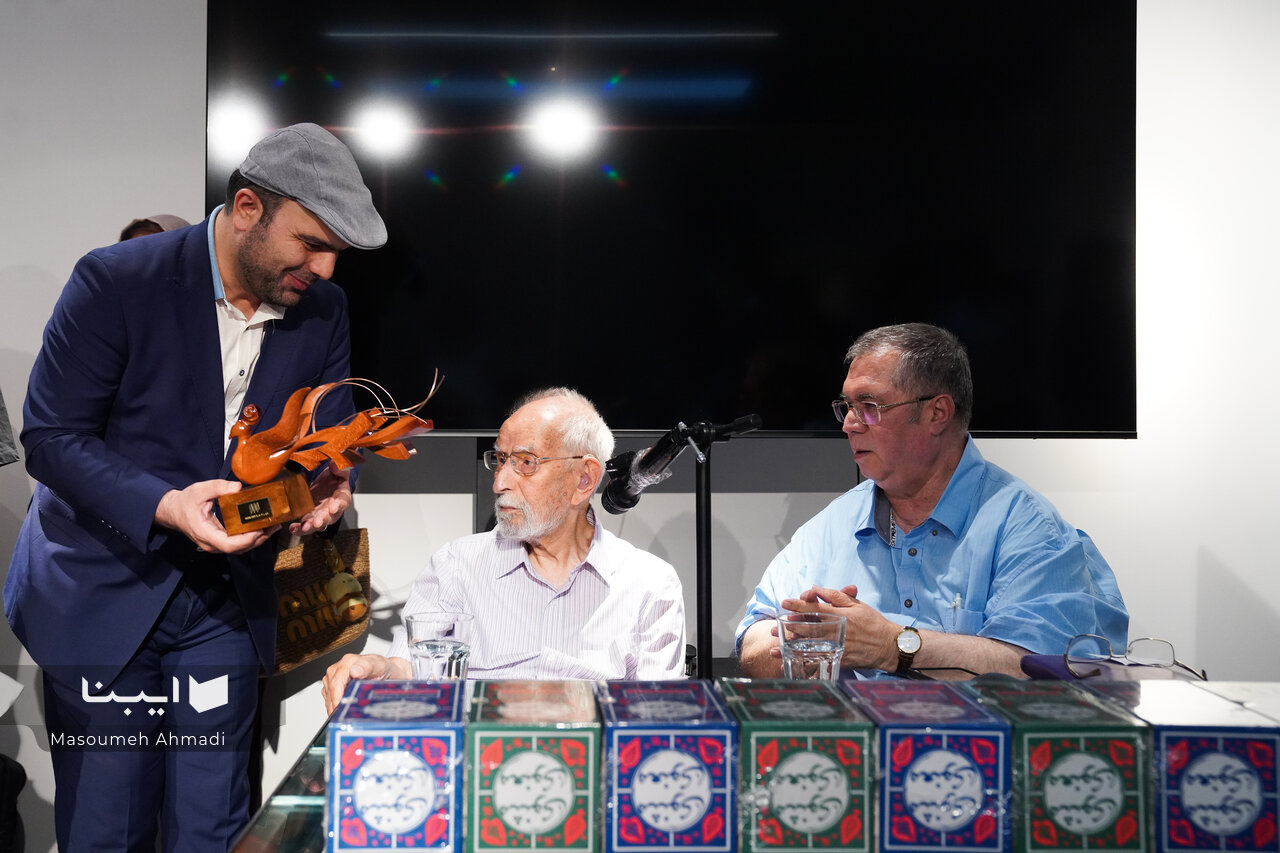
At the close of the event, Ali Jafarabadi, CEO of BookCity, presented Dr Mohammad Ali Movahed with a symbolic Simorgh statuette in recognition of his many years of scholarly and cultural work. In brief remarks, Jafarabadi described the Simorgh—the mythical bird of Persian literature—as a symbol of transcending the individual self and attaining a collective identity. He said the gift reflected Movahed’s enduring message of a “journey from selfhood to selflessness”.