

Literary Translation in Iran
Azhdar Angoshtari’s Persian translation of Erich Kästner’s Fabian, published by Bidgol, has won the ninth Abolhassan Najafi Award for literary translation. Yalda Bidokhti-Nejad’s translation of Narine Abgaryan’s Three Apples Fell from the Sky, published by Molian, received the jury’s special commendation.
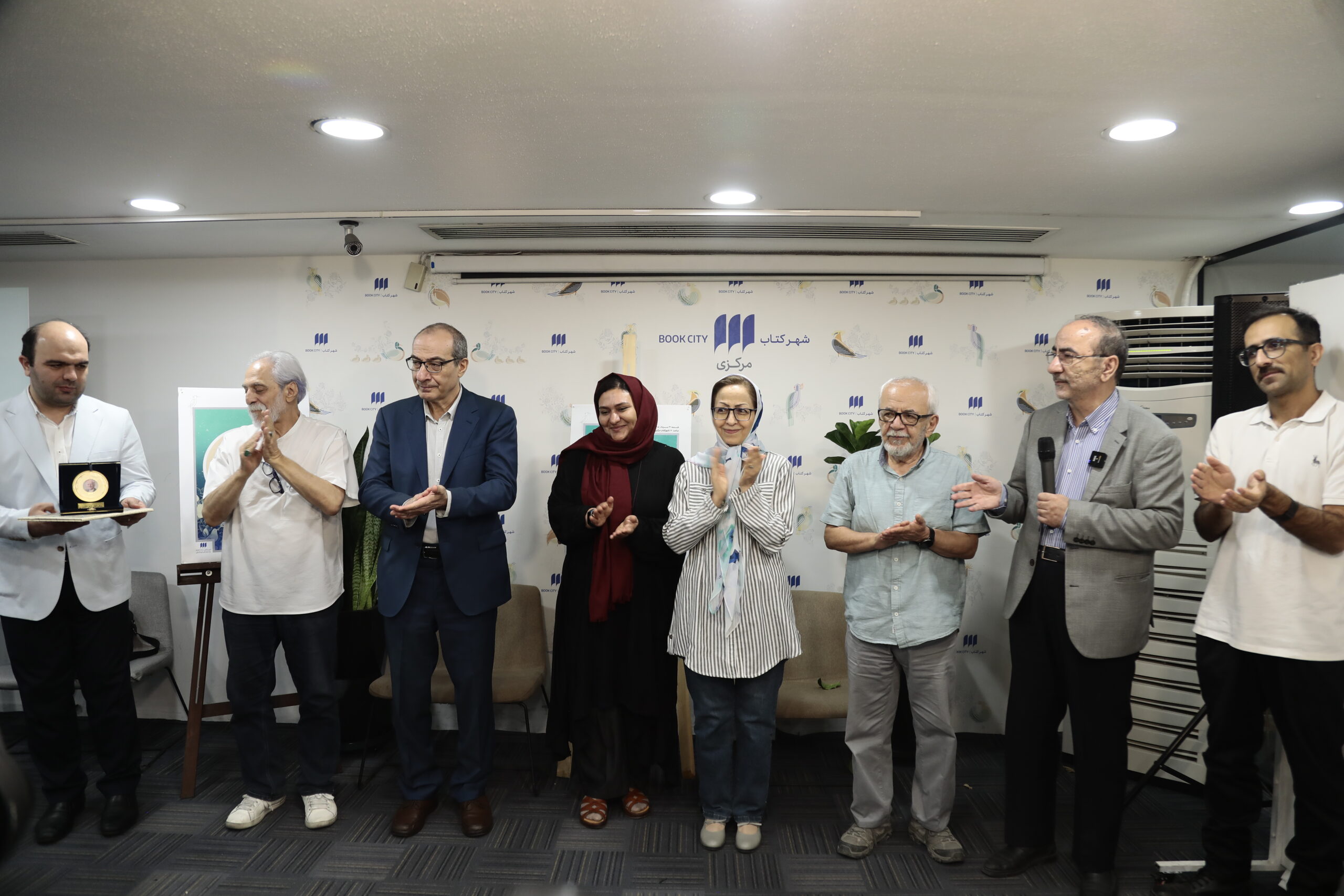
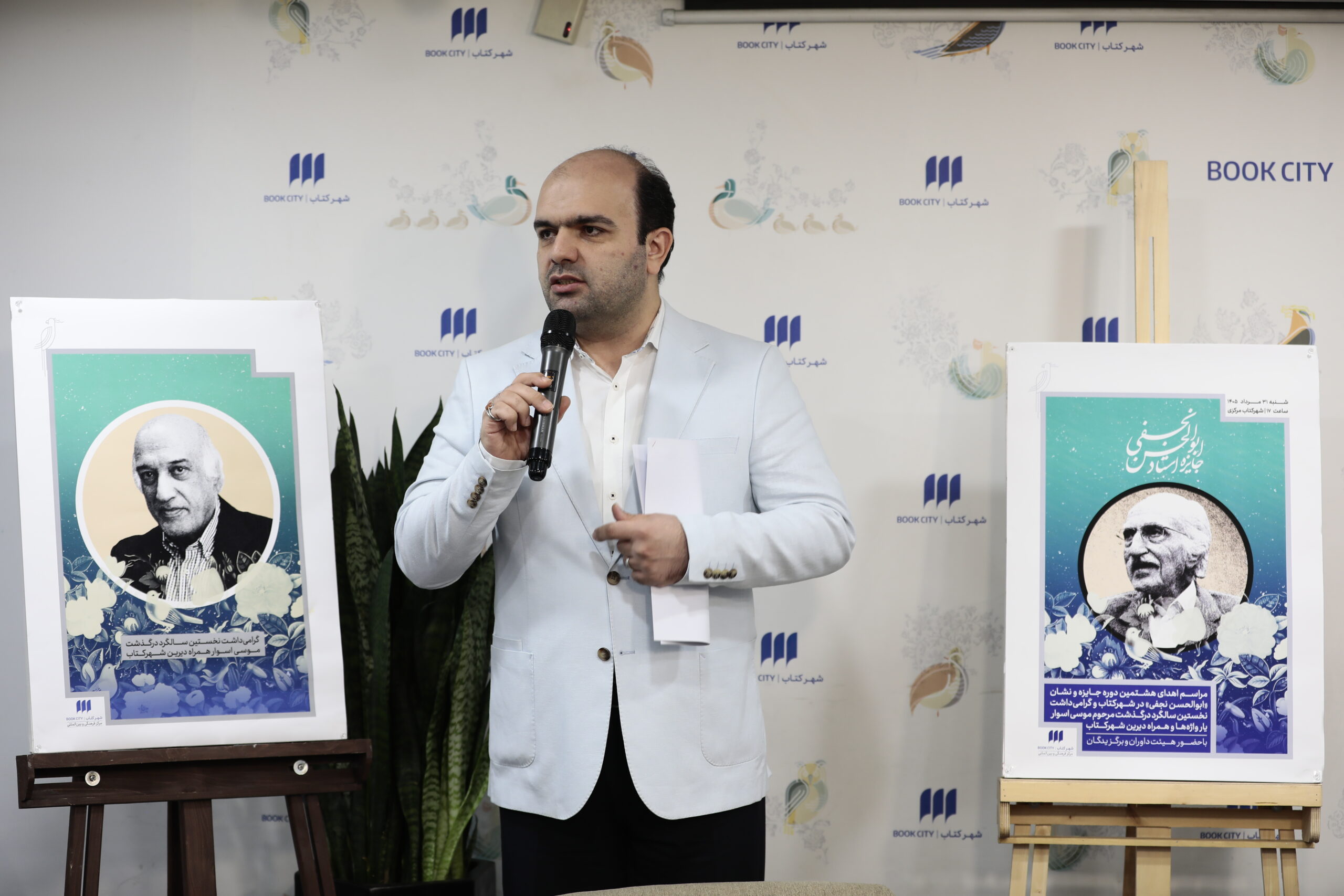
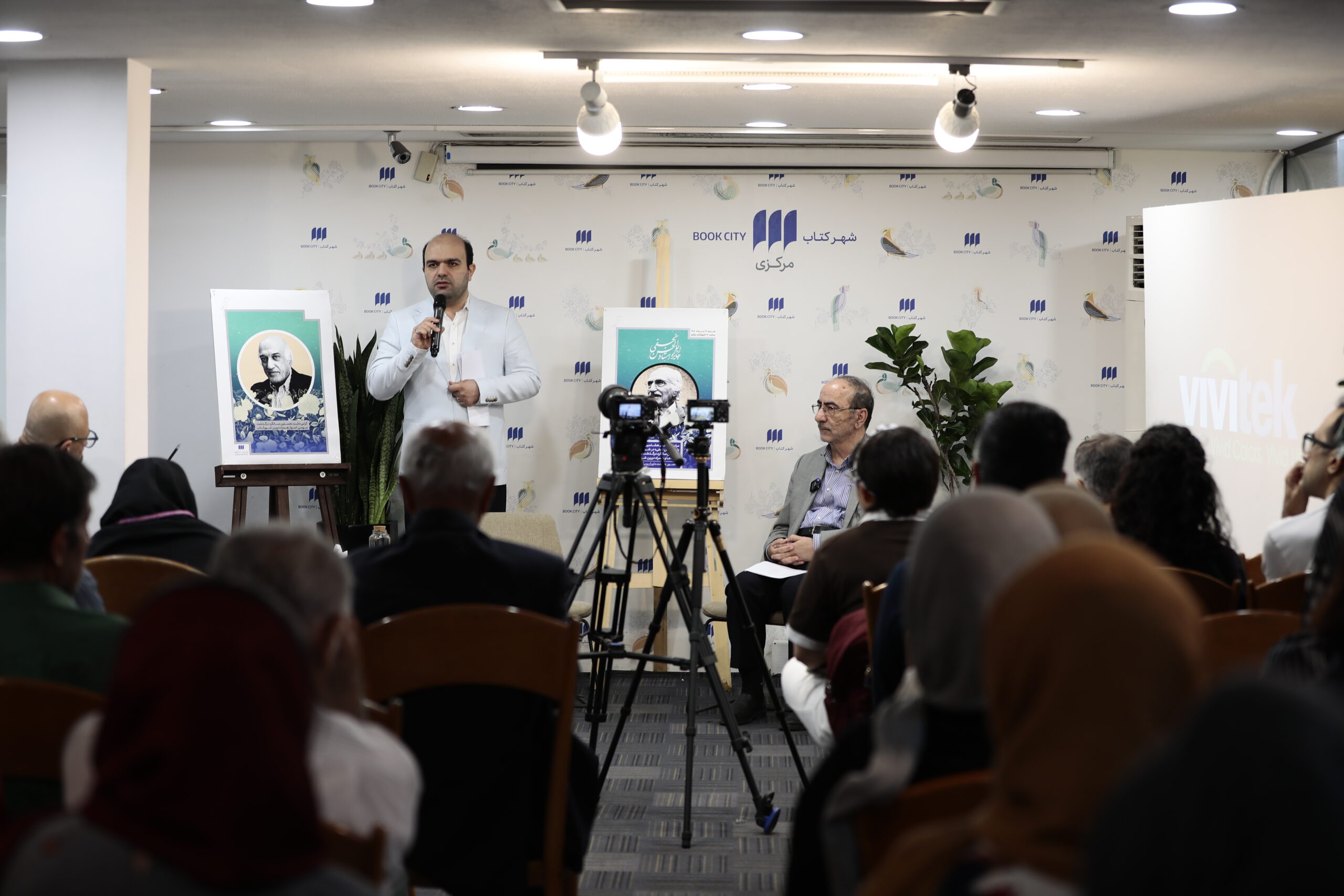
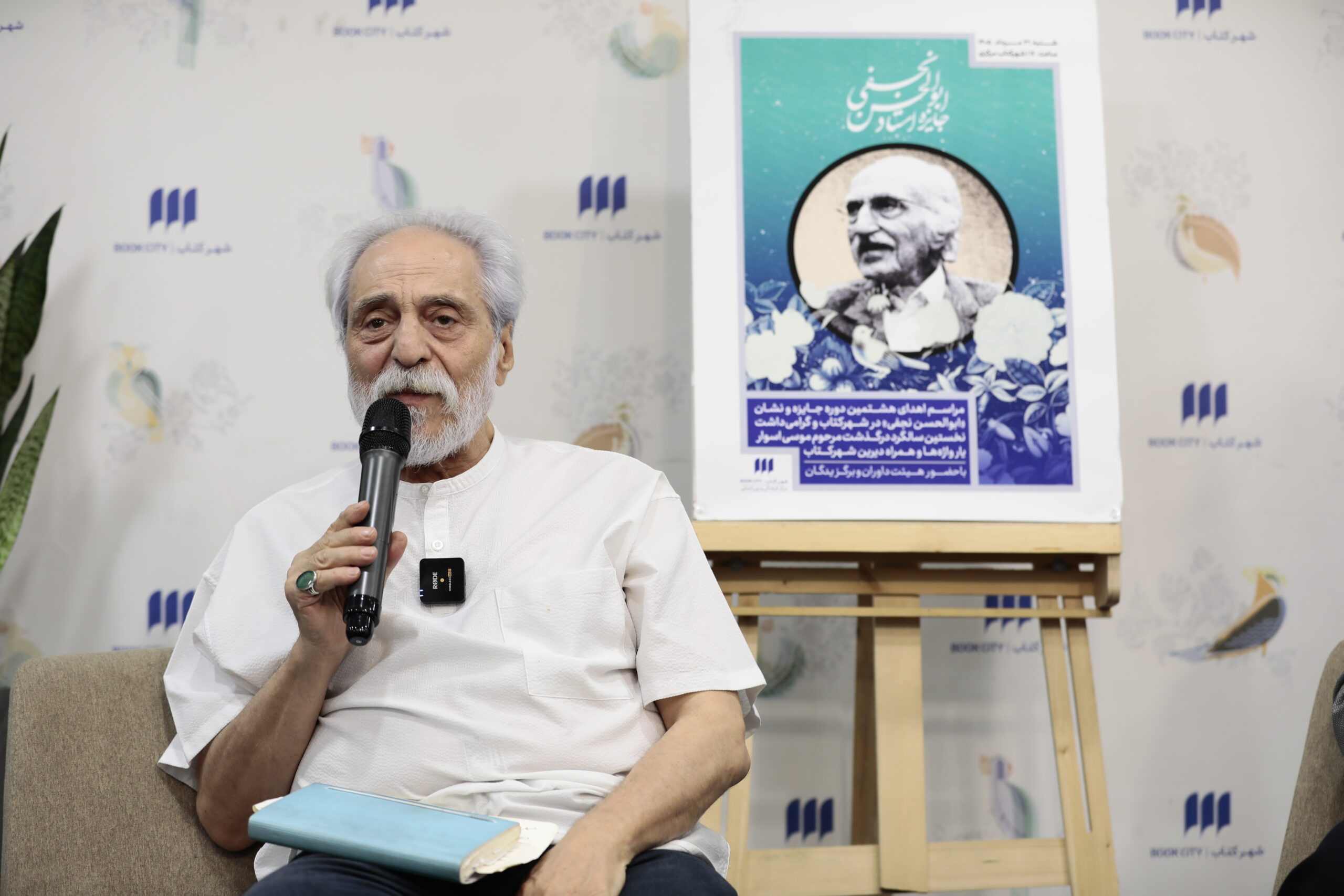
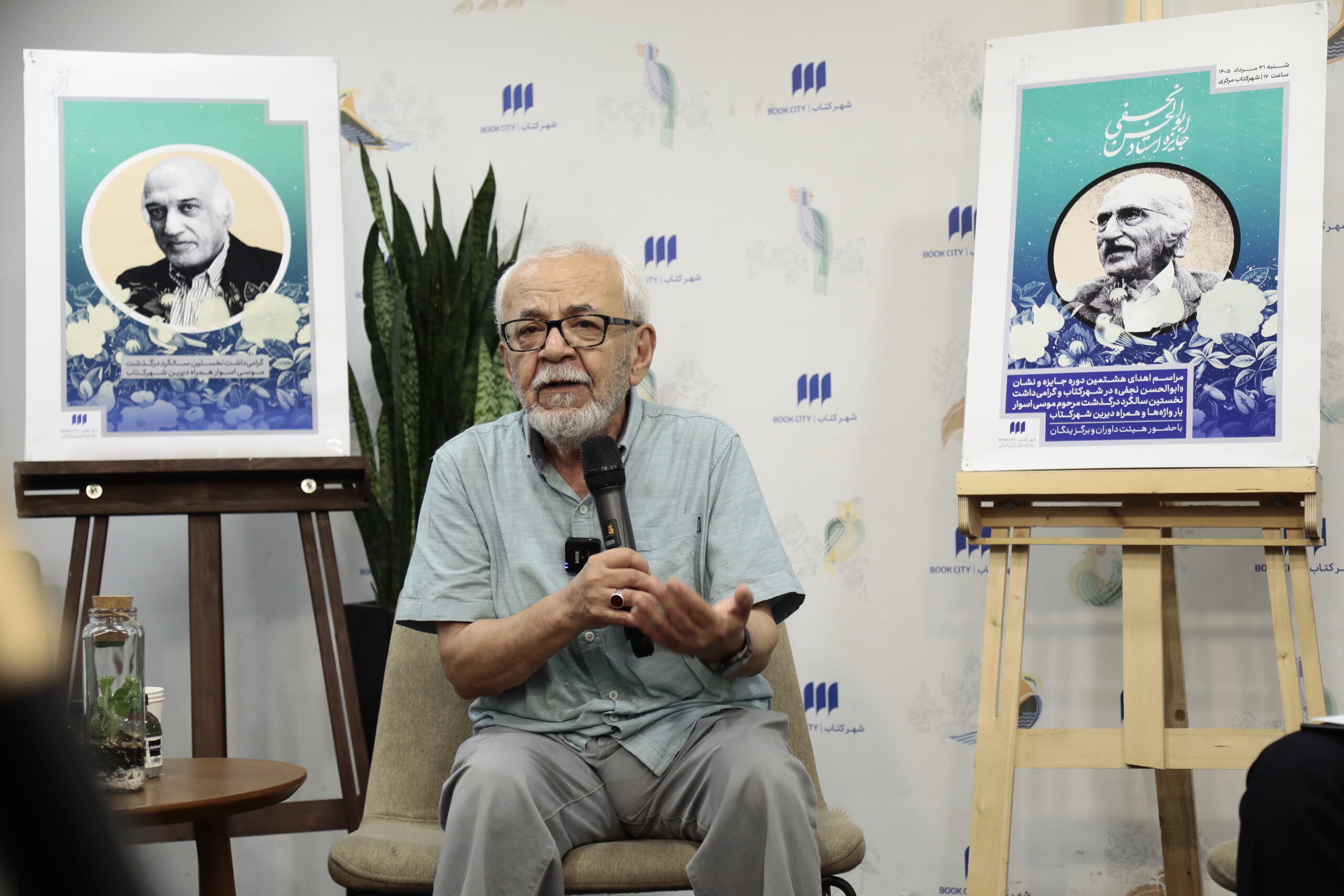
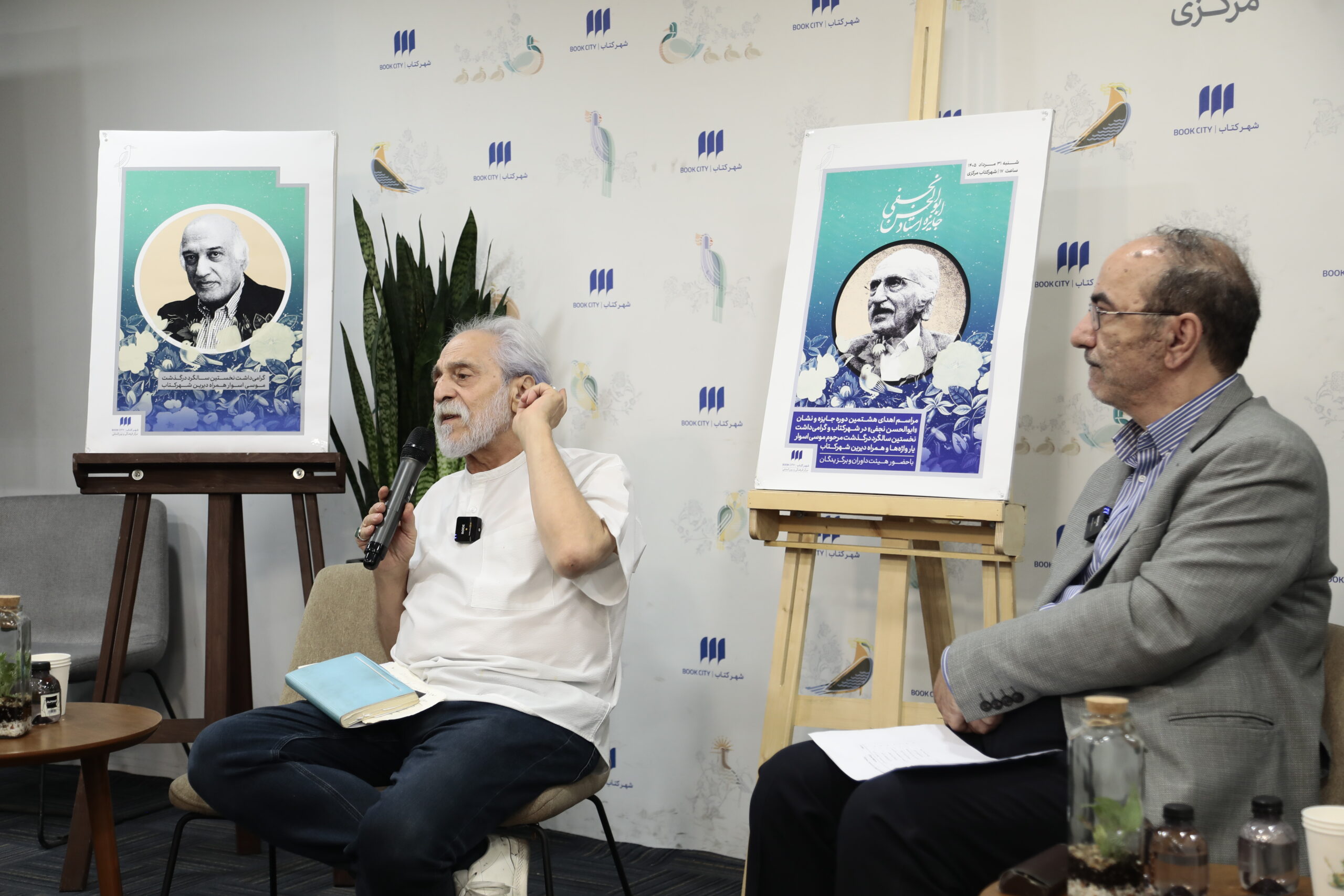
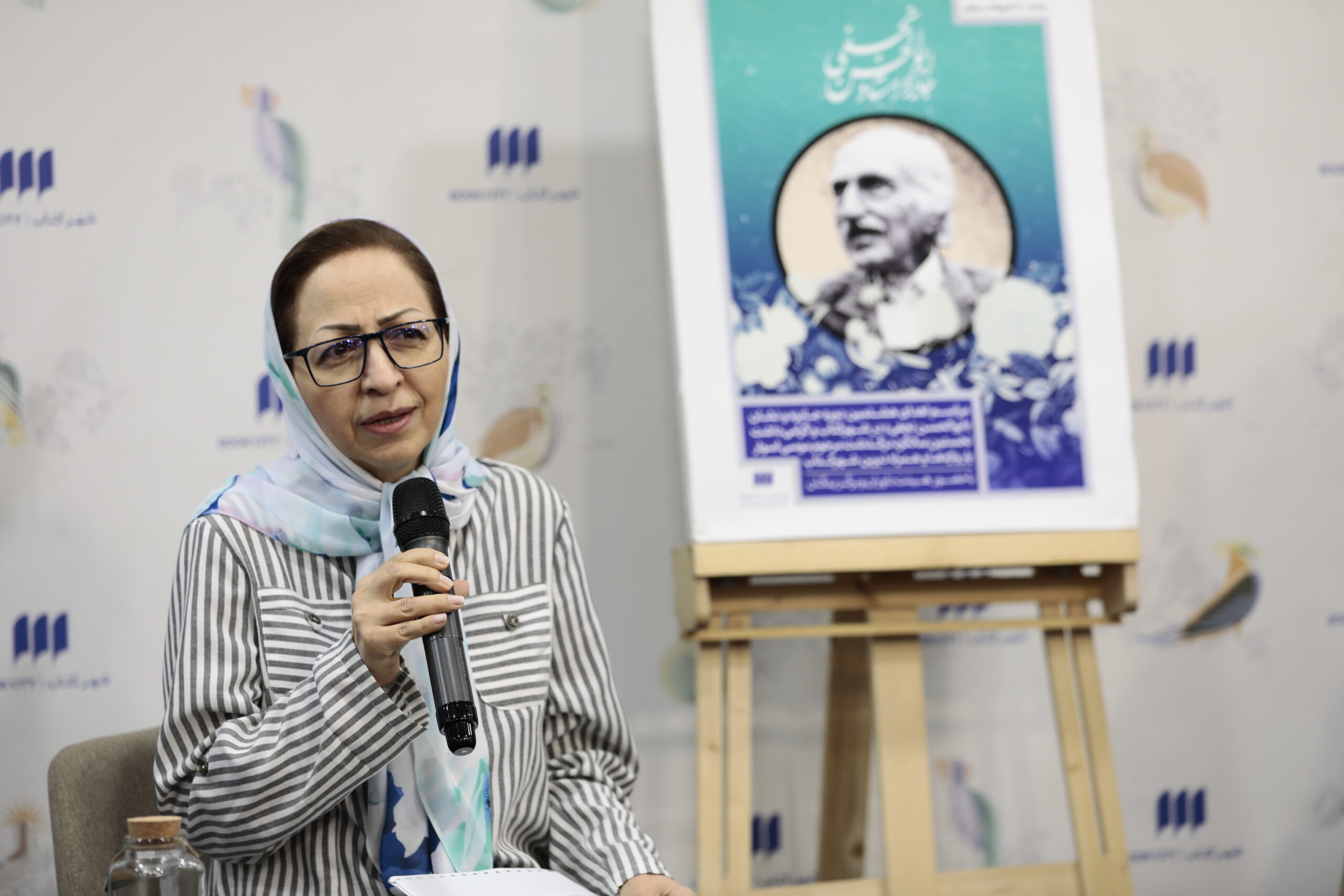
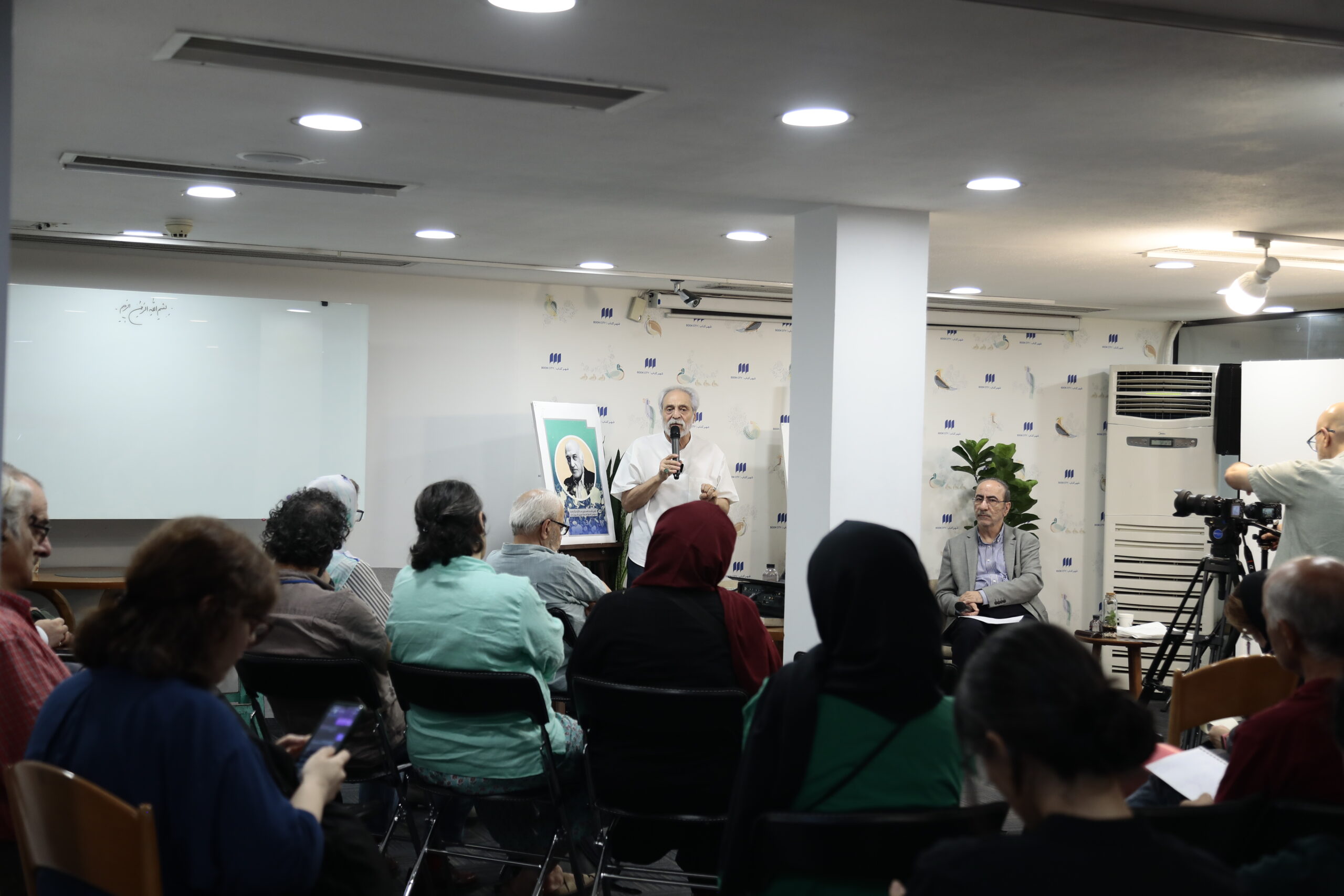
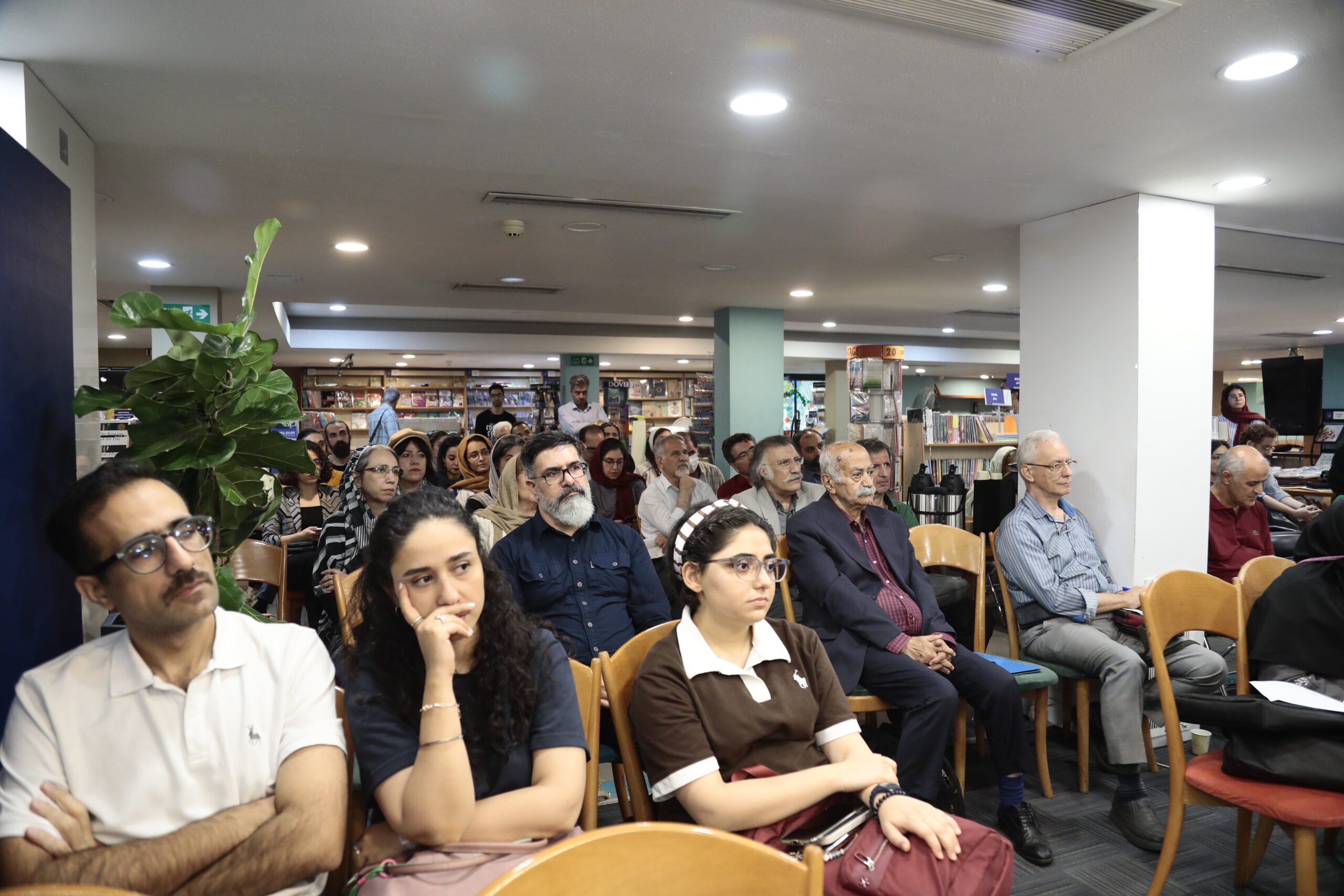
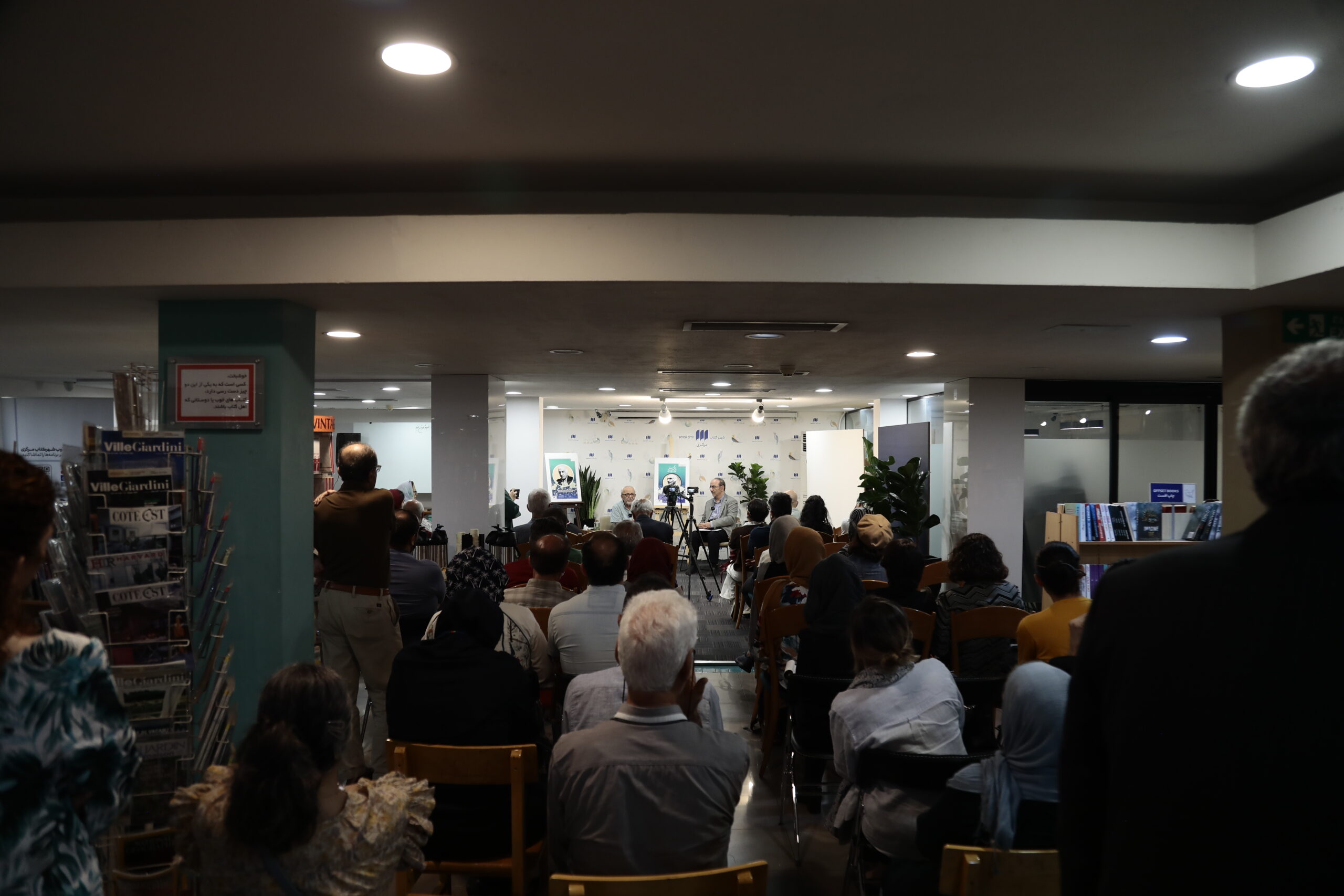
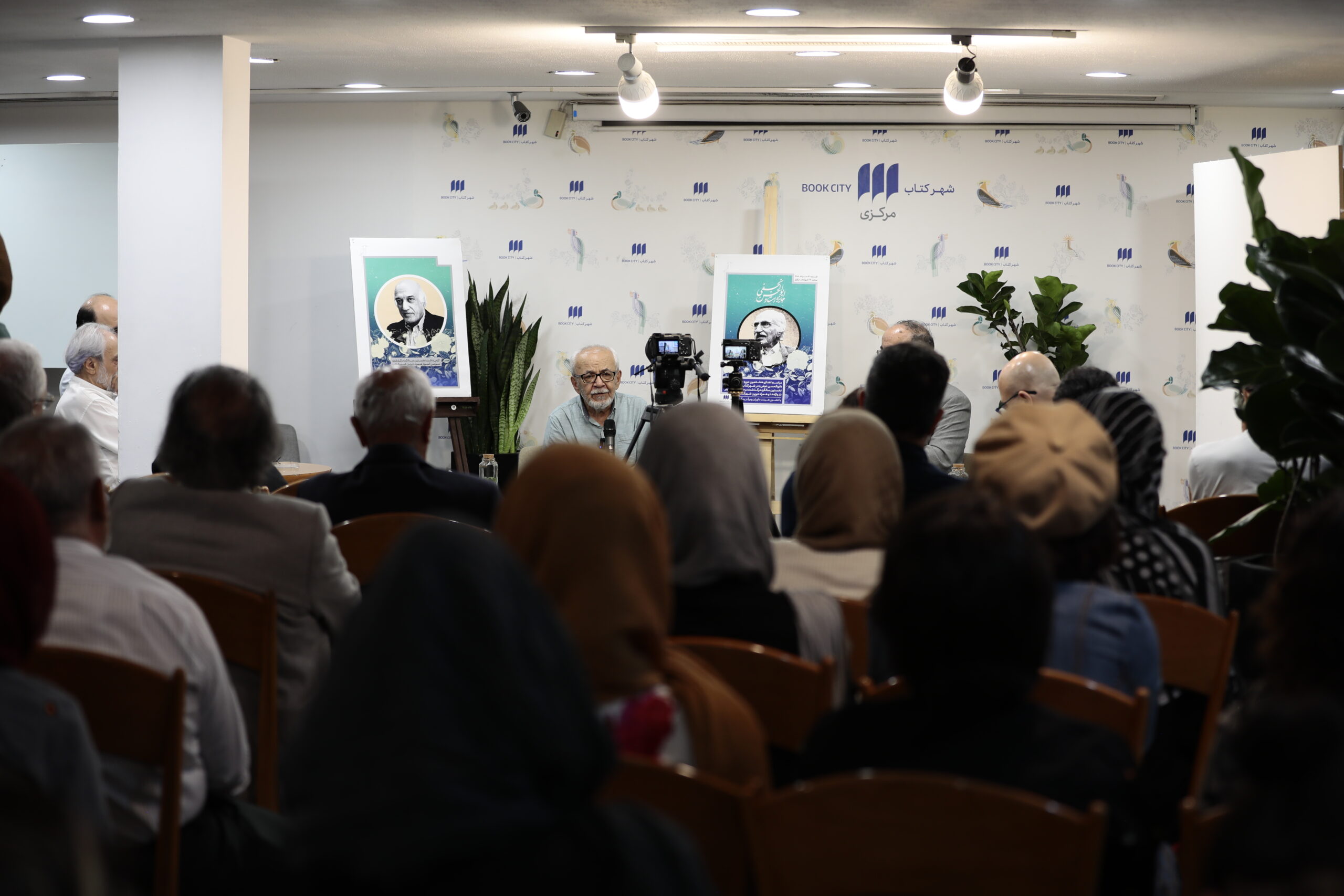
The award ceremony, held at Book City Central in Tehran, also paid tribute to the late Musa Aswar, a distinguished translator of Arabic literature who had been associated with the Abolhassan Najafi Award since its earliest editions.
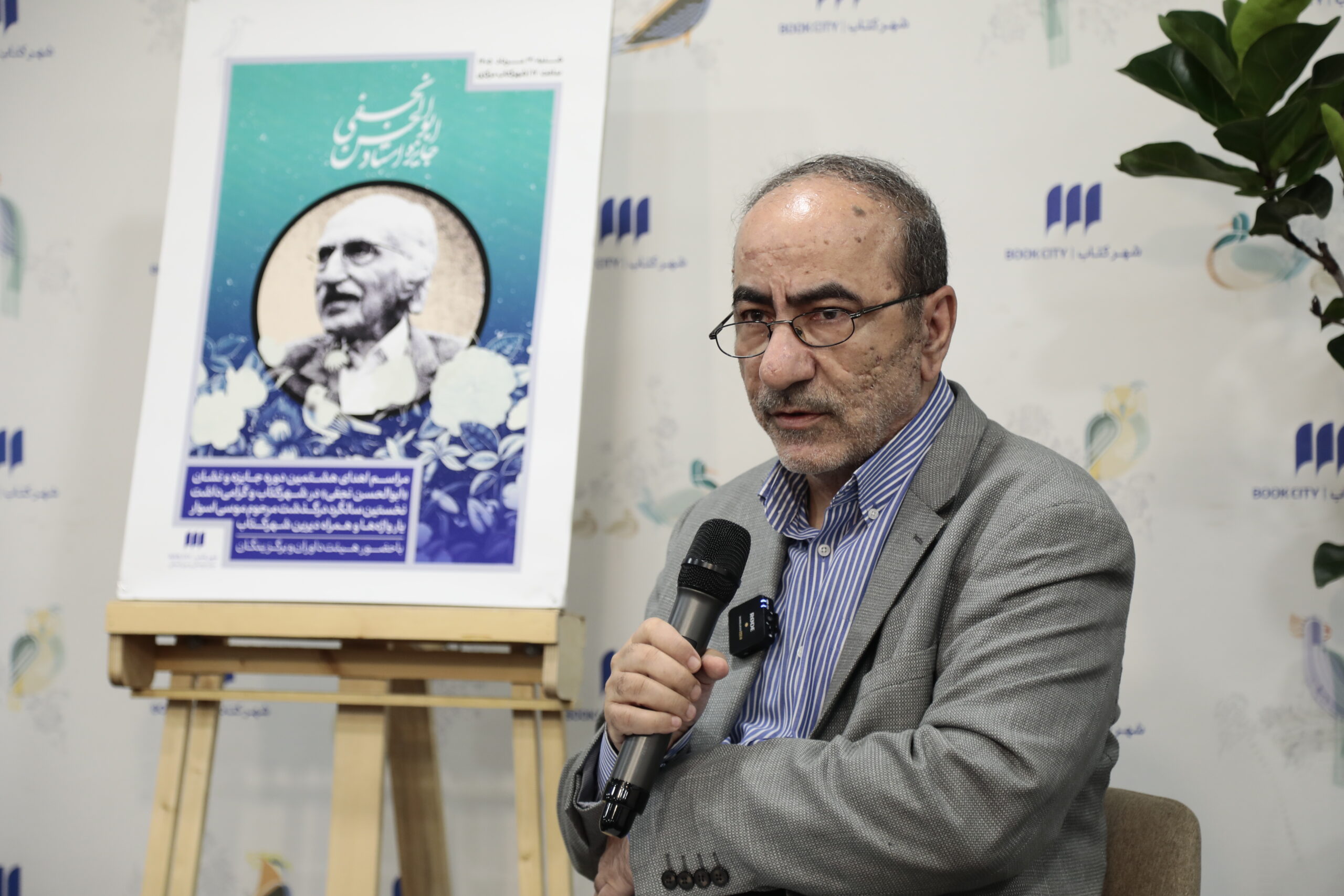
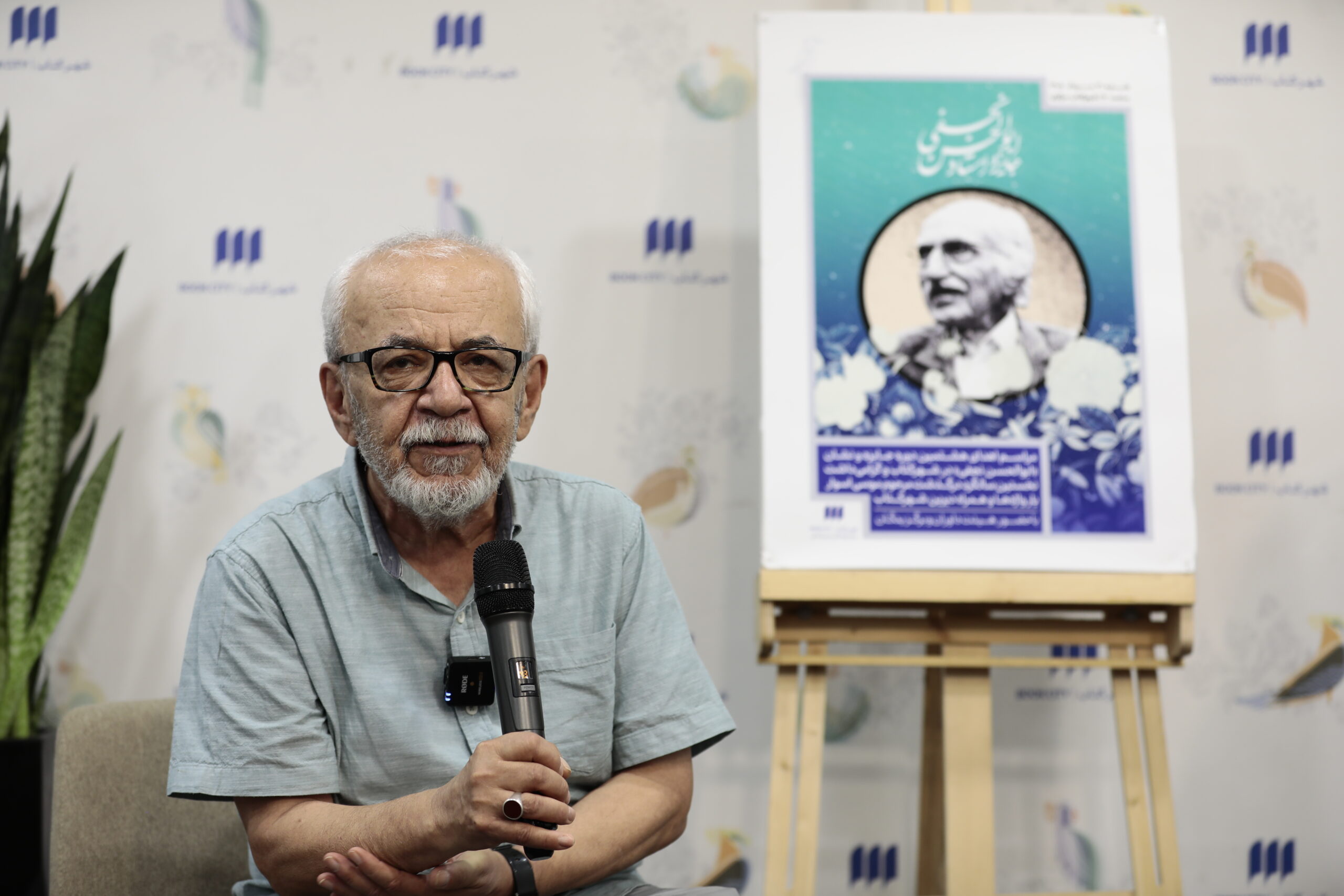
Named after Abolhassan Najafi, one of the most influential translators, linguists and literary scholars of contemporary Iran, the award has developed over nine editions into an important platform for recognising outstanding literary translation into Persian and introducing new generations of translators.
This year’s jury reviewed 162 Persian translations of novels and short-story collections published during the Iranian calendar year 1403 (2024–25), eventually selecting eleven titles for the final stage.
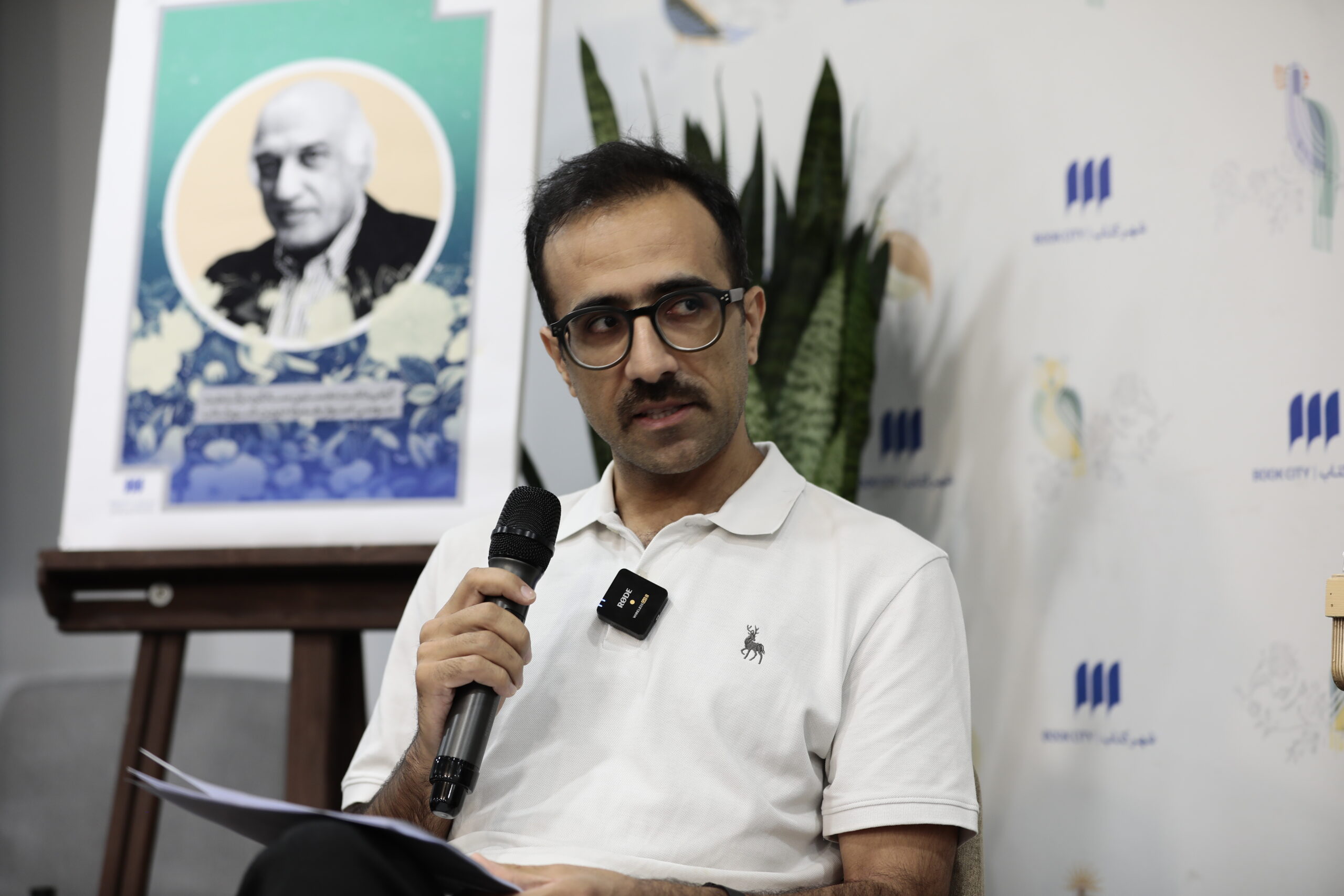
Ali-Asghar Mohammadkhani, secretary of the ninth edition of the award, said the unusually close quality of the finalists made the judging particularly demanding, both in terms of the quality of translation and the literary merit of the original works.
He noted that the award’s central aims are to preserve the legacy of Abolhassan Najafi while encouraging younger translators. Across its nine editions, some 80 to 90 titles have reached the semifinal and final stages, many of them significant works in contemporary Persian literary translation.
Ali Jafarabadi, CEO of Book City, described the Abolhassan Najafi Award as one of Book City’s enduring cultural initiatives over the past decade.
He emphasised the significance of continuity in cultural work, arguing that nine successive editions have transformed the award from a valuable individual event into a lasting cultural institution.
Jafarabadi also linked the award to Book City’s broader commitment to bringing cultural heritage into conversation with fresh voices. By recognising younger translators alongside established figures, he said, the award has contributed to the emergence of a new generation of literary and scholarly voices that will help shape the future of Persian language and literature.
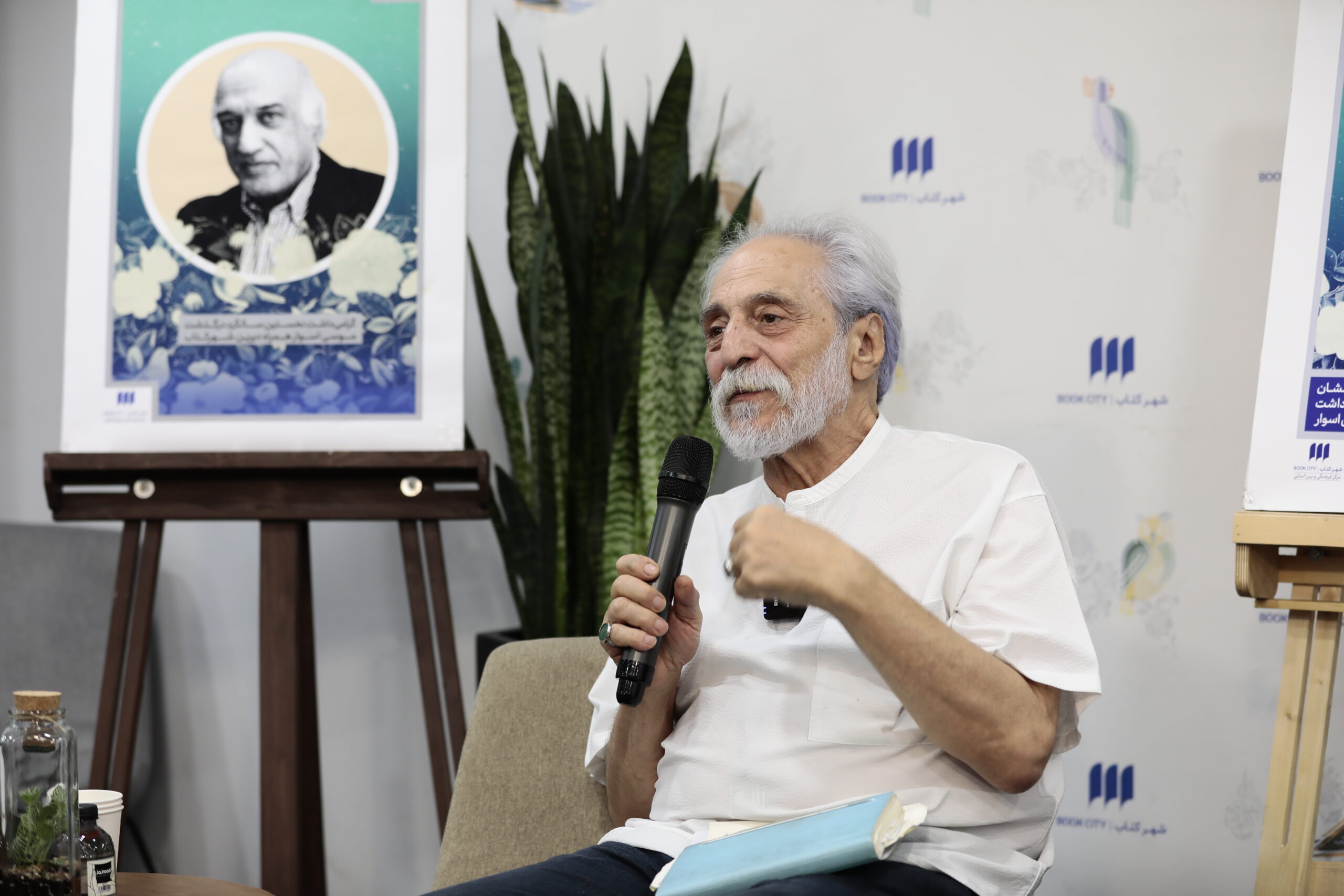
A significant part of the ceremony was devoted to the memory of Musa Aswar, a prominent translator of Arabic literature and one of the early supporters of the Abolhassan Najafi Award.
Mehdi Firouzan, founder and chairman of Book City, described Aswar as a cultural bridge between Iran and the Arab world, between Persian and Arabic, and between two rich literary traditions.
According to Firouzan, Aswar’s work went far beyond transferring words from one language into another. He possessed an intimate knowledge of the source culture and sought to recreate its literature through the resources and expressive possibilities of Persian.
Aswar’s final translation, Abdul Rahman Munif’s Now Here, or East of the Mediterranean Once Again, was also discussed during the ceremony. Published after his death, the book extends Munif’s exploration of imprisonment, repression, political violence and their consequences for human lives.
Hossein Masoumi-Hamedani, a member of the jury and a longtime friend and colleague of Abolhassan Najafi, drew attention to another dimension of Najafi’s legacy: his relationship with younger writers and scholars.
Najafi, he said, had many outstanding students but never sought to turn them into followers or replicas of himself. Writers and intellectuals associated with him developed distinctive voices of their own. His influence lay partly in opening wider intellectual and literary worlds to younger people while respecting their independence.
Masoumi-Hamedani also described the nine-year continuity of the award as an unusual achievement in Iran’s cultural landscape. He attributed part of this success to the independence of its jury and its commitment to close reading rather than literary fashions or group affiliations.
Mohammadreza Tork-Tatari, a member of this year’s jury, described literary translation as a continuous series of choices involving vocabulary, tone, rhythm, proximity to the original and the recreation of a literary world in another language.
In the winning translation of Fabian, he said, the Persian prose avoids both excessive ornament and excessive starkness. This balance allows Angoshtari to retain two inseparable dimensions of Kästner’s novel: the deep tragedy and anxiety of a world approaching collapse, and the author’s cold, bitter and at times ruthless humour.
The jury also praised the translator’s footnotes for offering concise and useful explanations of historical and cultural references without interrupting the flow of the novel.
Angoshtari said his decision to translate Fabian was closely connected to the novel’s resonance with contemporary social experience.
Set in Germany at the end of the 1920s, amid economic depression, unemployment, cultural disorientation and growing anxiety about war, Kästner’s novel portrays a society in which crisis has entered everyday life. People compete for money, work, status, love and survival, while confidence in a better future gradually erodes.
For Angoshtari, translating the novel created an opportunity to connect the historical experience of another society with the lived experience of readers today. Literature, in this sense, can remind readers that other societies have passed through profound periods of uncertainty and crisis and have eventually moved beyond them.
Yalda Bidokhti-Nejad, whose translation of Narine Abgaryan’s Three Apples Fell from the Sky received the jury’s special commendation, described human suffering as one of the central concerns of the novel.
The suffering depicted in the book reaches beyond any particular geography, she said, while the narrative continues to preserve a glimmer of hope. The novel’s ability to hold pain and the possibility of renewal within the same imaginative world is among its most powerful qualities.
The eleven works selected for the final stage of the ninth Abolhassan Najafi Award represented a broad range of contemporary and modern world literature, including works by Janet Lewis, Narine Abgaryan, Erich Kästner, Magda Szabó, Thomas Bernhard, Miguel Delibes, Yusuf Idris, Seray Şahiner, Alberto Moravia, Makenzy Orcel and Shehan Karunatilaka.
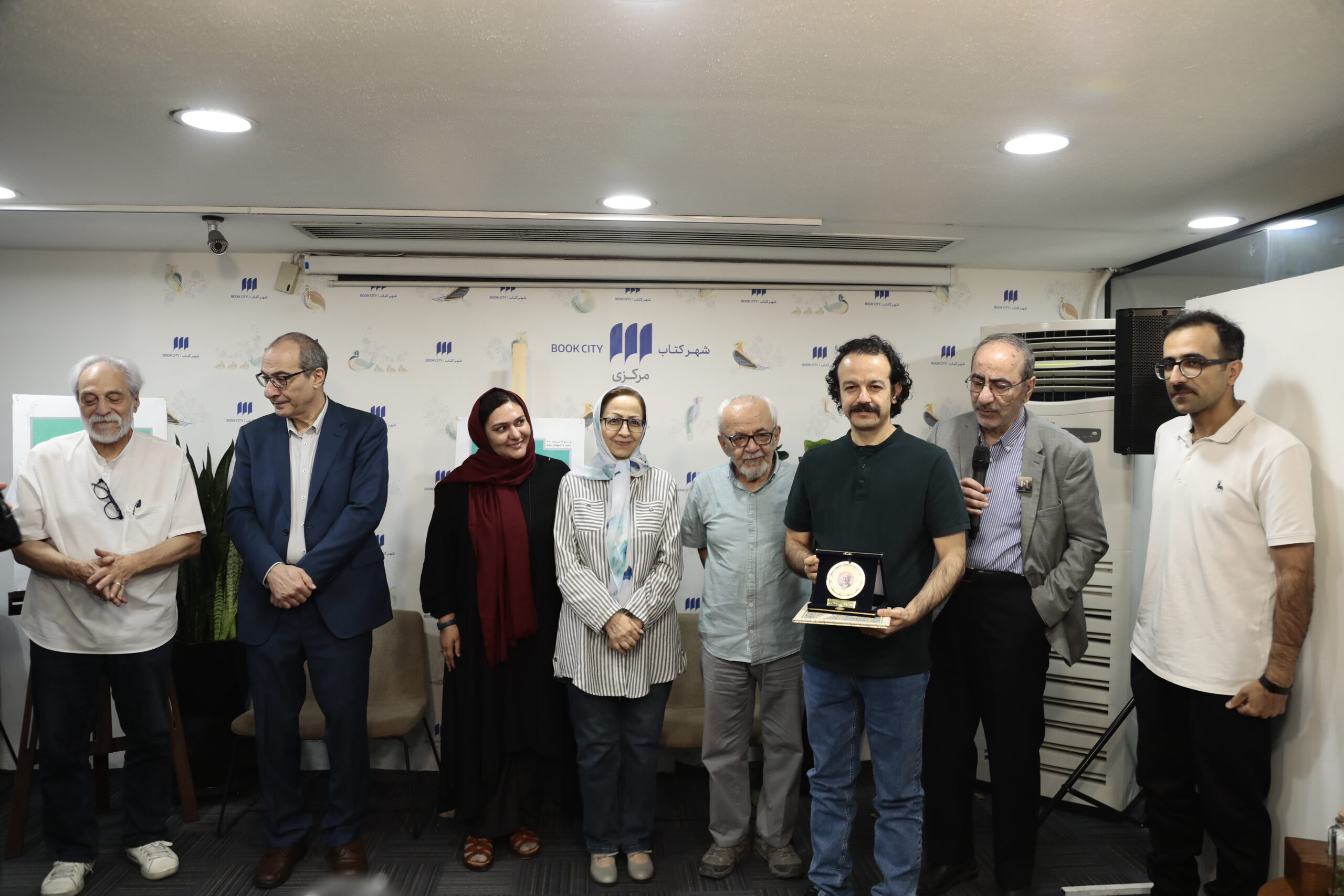
The ninth edition concluded with Angoshtari’s translation of Fabian receiving the main award and Bidokhti-Nejad’s Three Apples Fell from the Sky receiving a special commendation.
Over nine editions, the Abolhassan Najafi Award has combined the preservation of the legacy of one of Iran’s most influential translators and linguists with a continuing commitment to translation quality, independent judging and the emergence of new voices in Persian literary translation.
For Book City, the award has become both a tribute to Najafi’s legacy and an investment in what comes after it: new translations, new translators and new encounters between Persian readers and world literature.
Photos: Pariya Fathi
Tags: Fabian, Najafi Award, Translation