


From “Strategic Loneliness” to a “Civilizational Bloc”
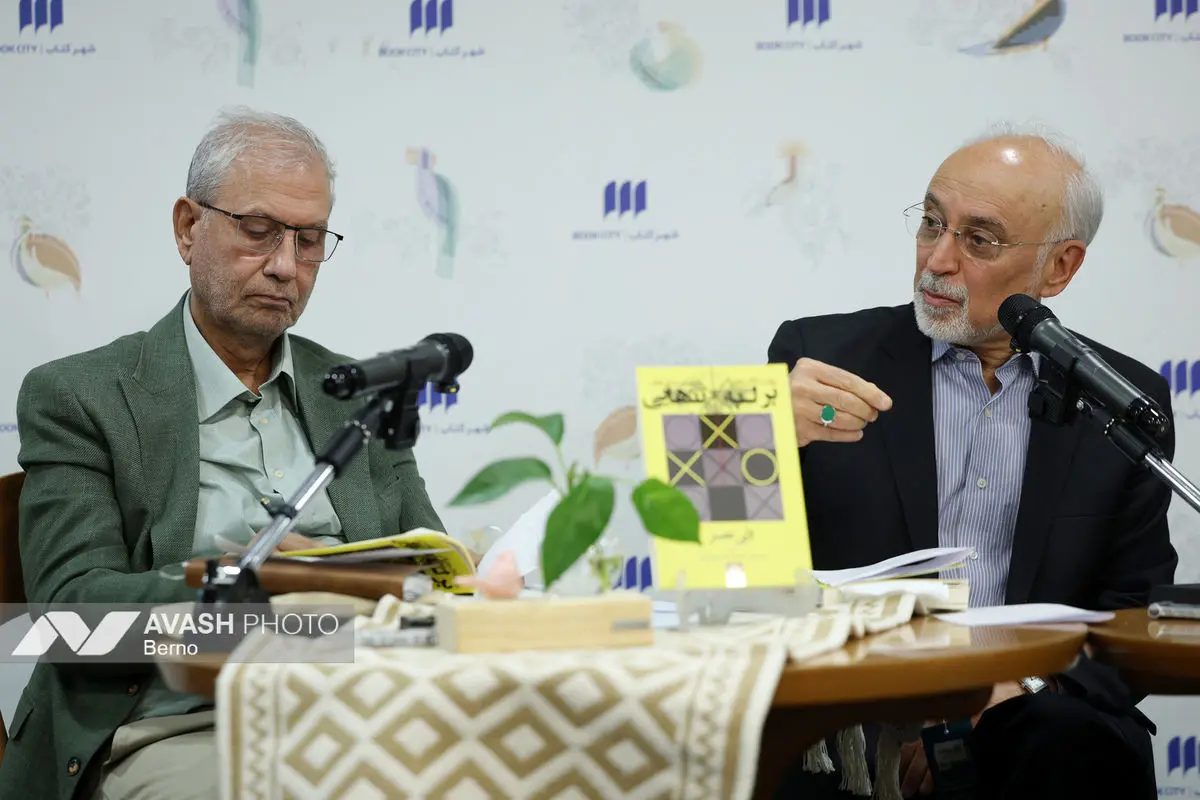
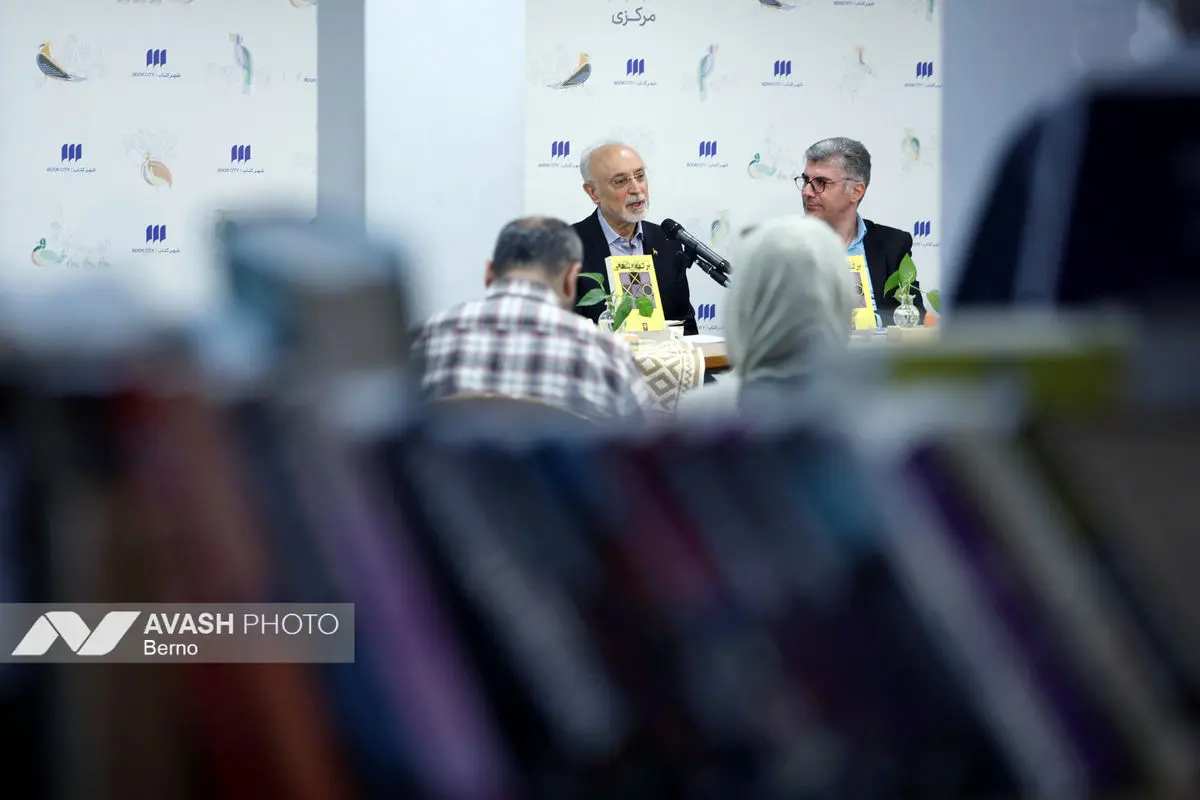
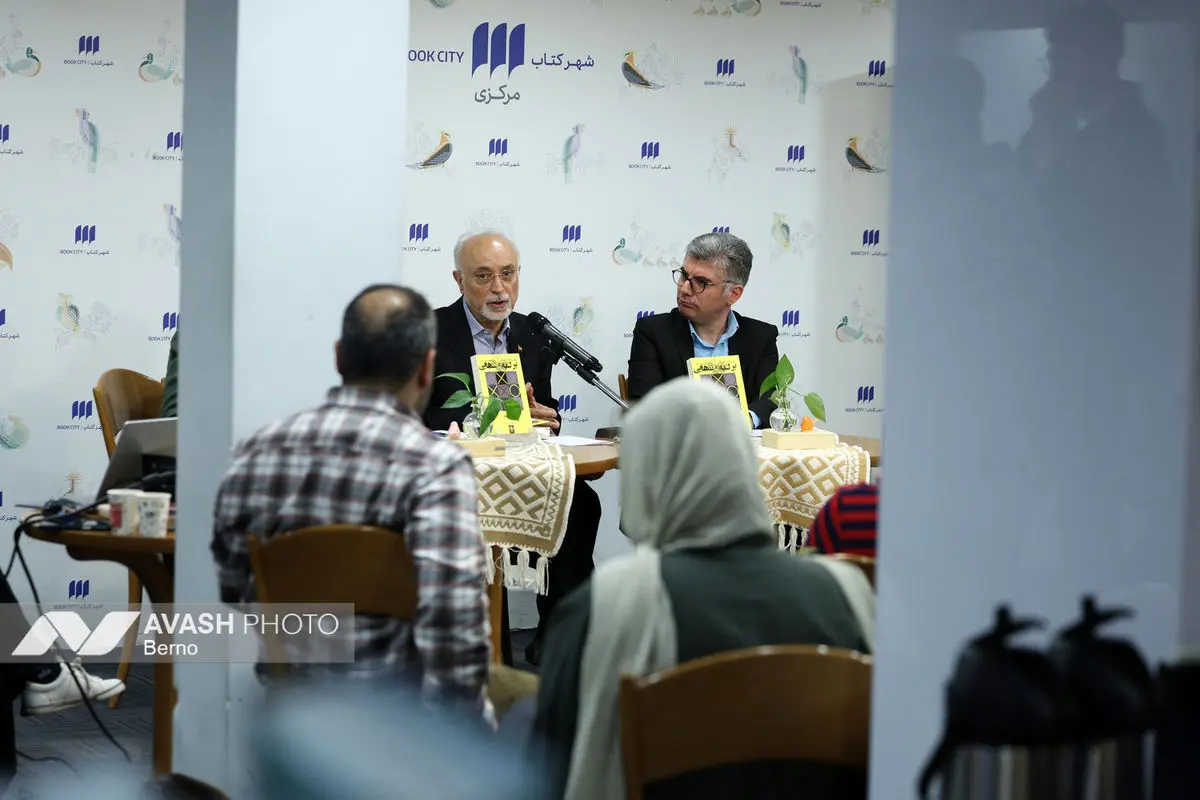
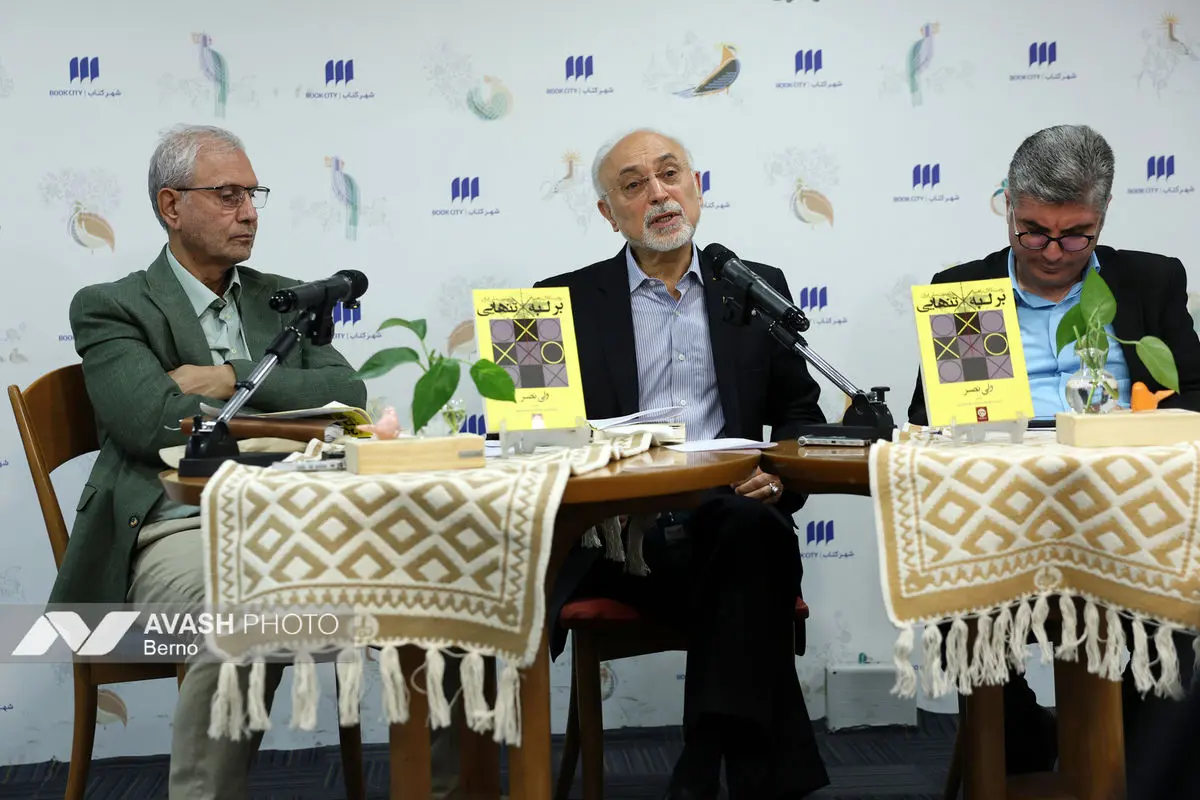
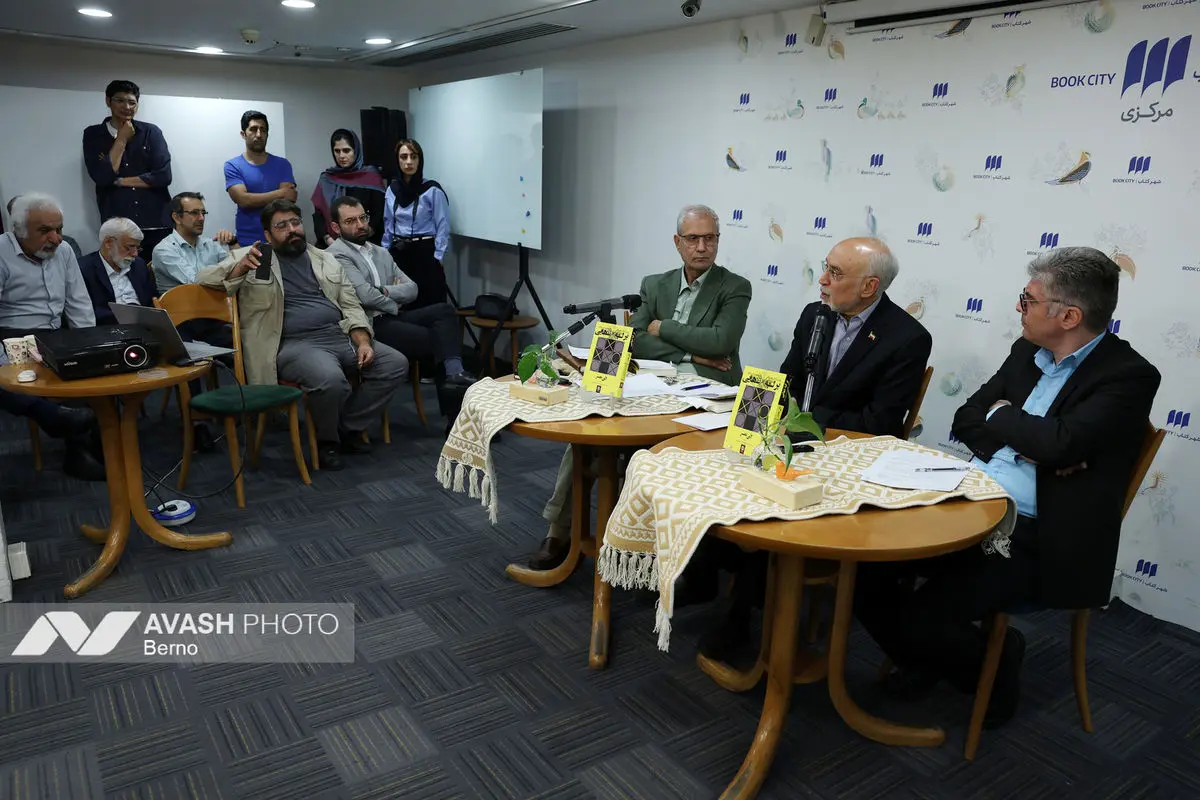
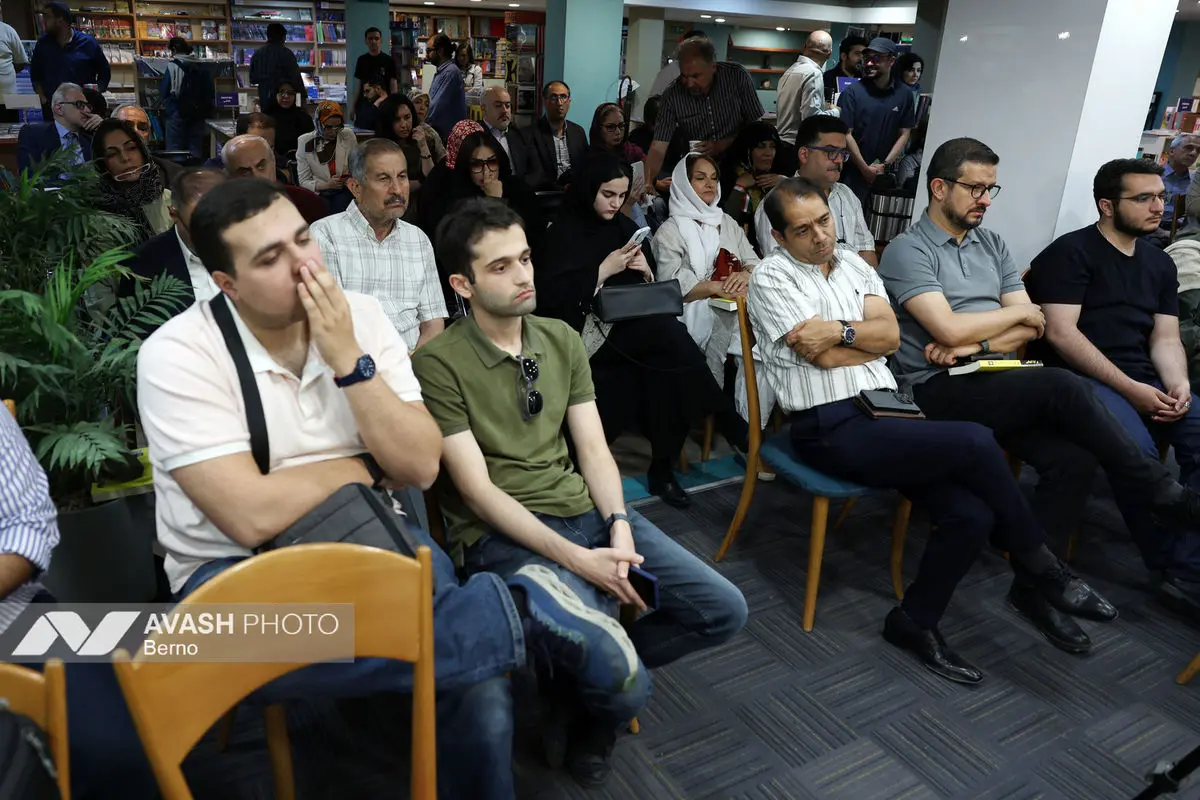
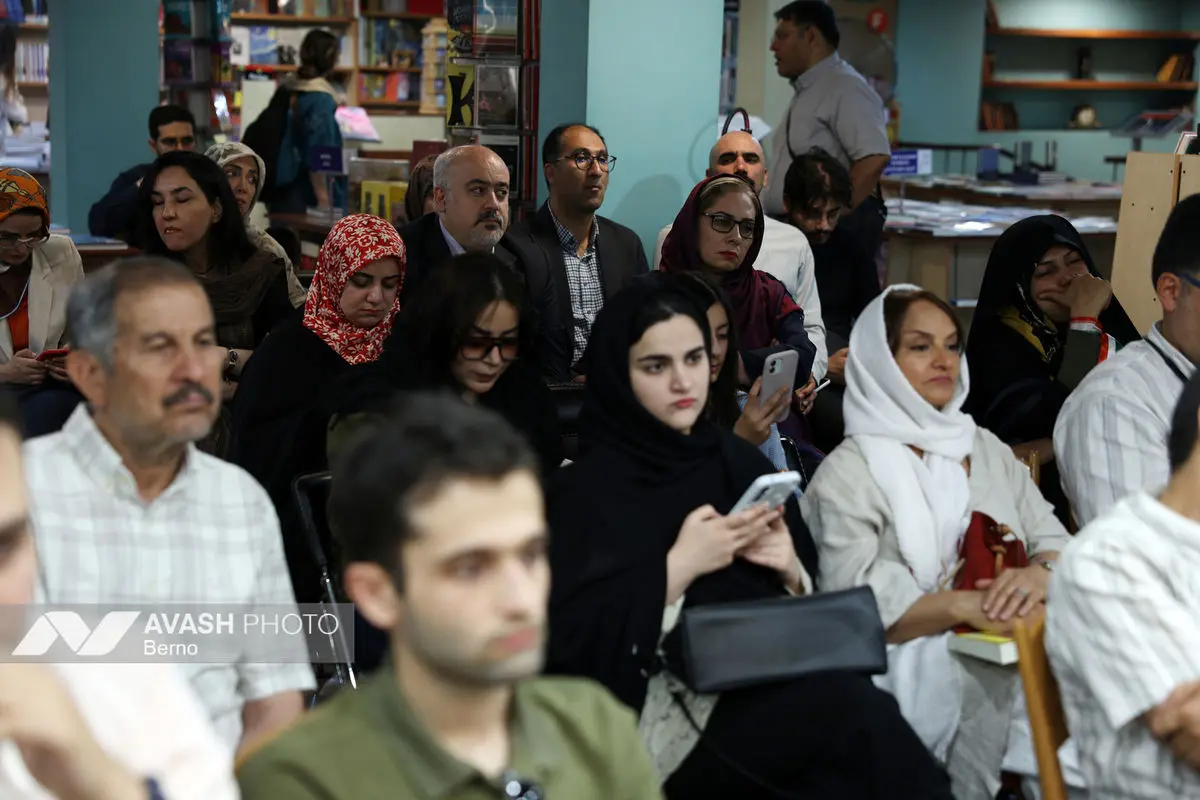
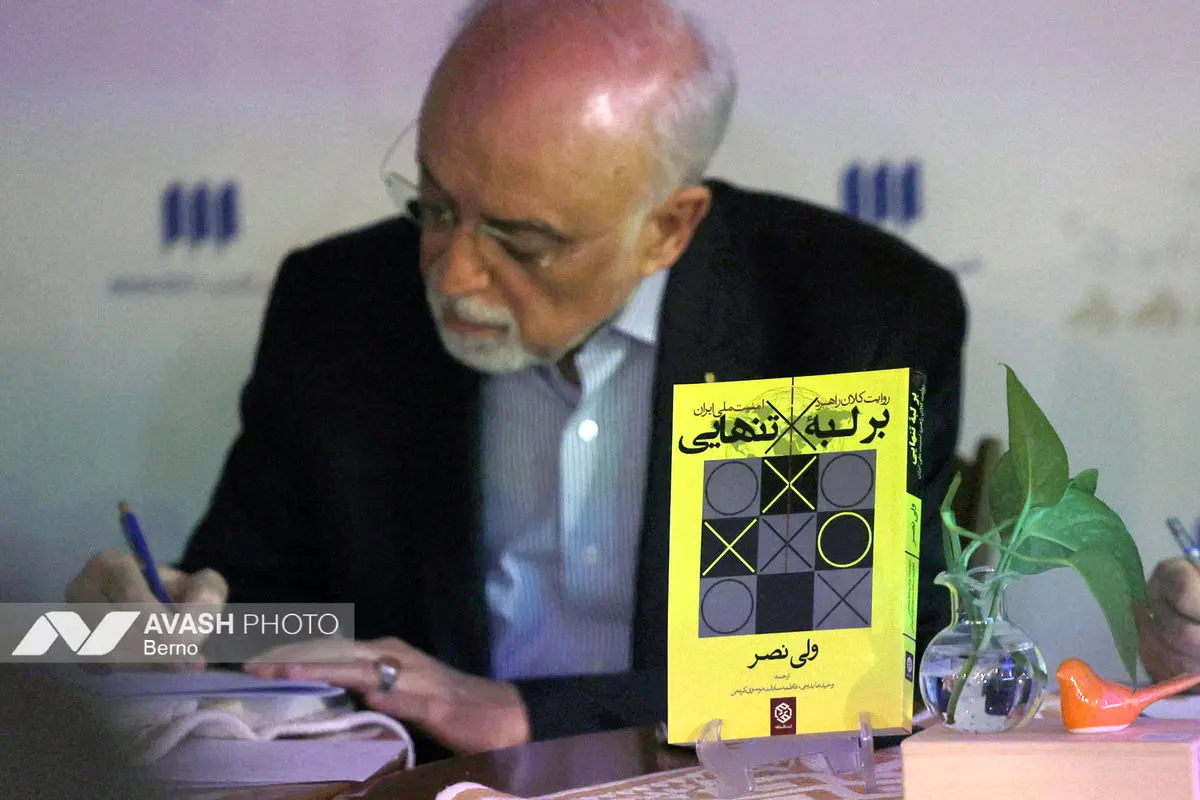
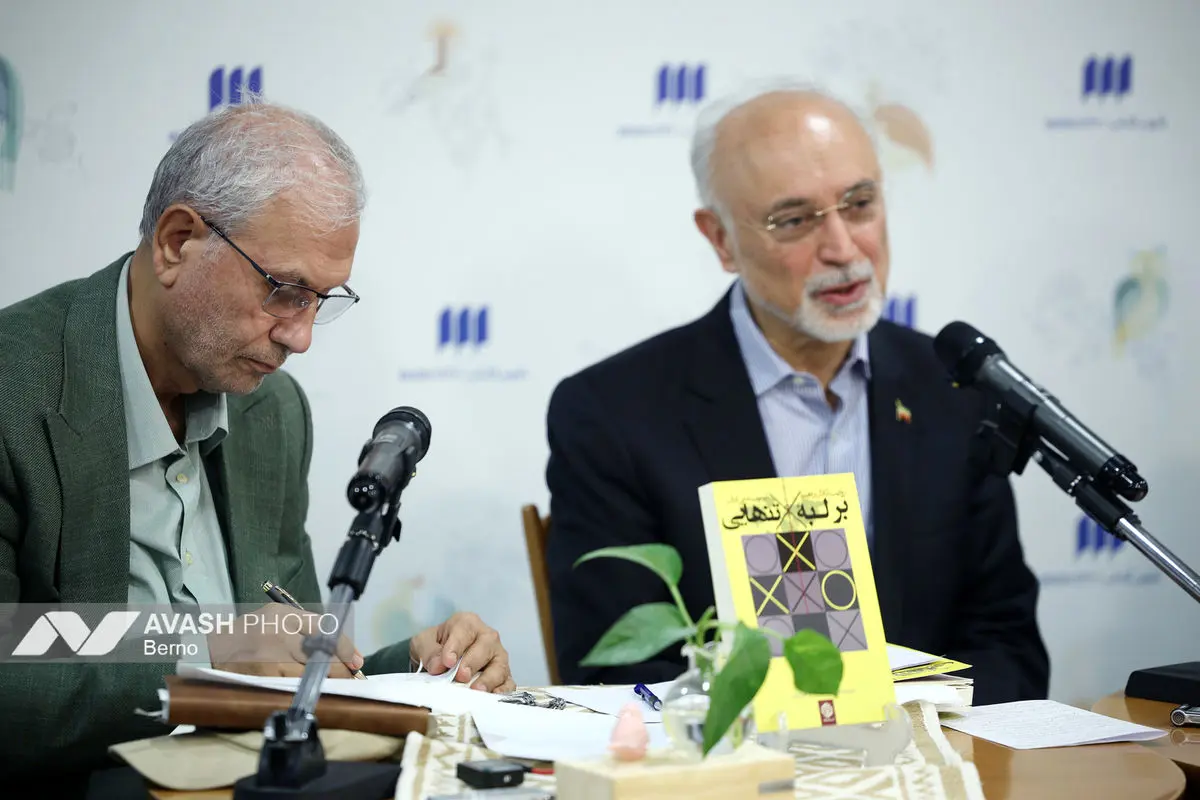
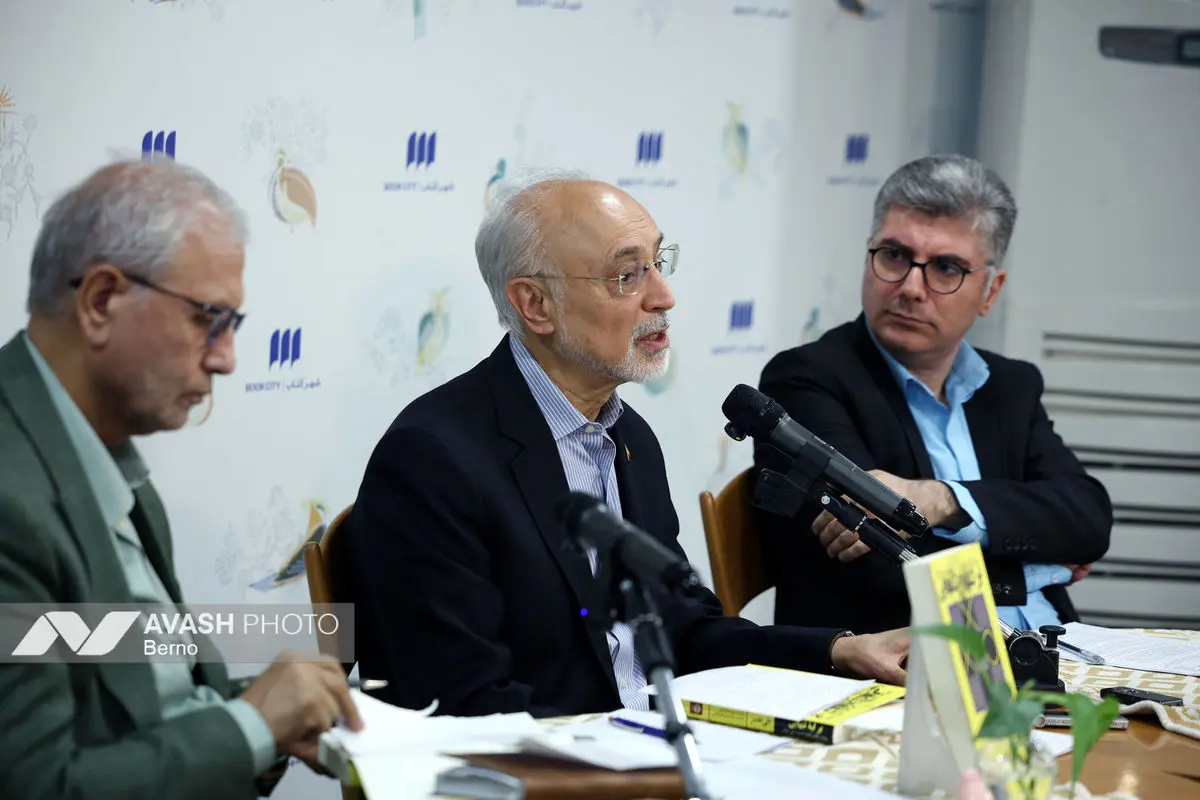
Central BookCity hosted a book launch and review session for On the Edge of Loneliness (Bar Labeh-ye Tanhayi), the Persian translation of Iran’s Grand Strategy: A Political History by Iranian-American scholar and Johns Hopkins University professor Vali Nasr. The event brought together prominent political and intellectual figures, including Ali Akbar Salehi and Ali Rabiei, for a discussion on the book’s interpretations of Iranian foreign policy, national identity, and Iran’s geopolitical outlook.
Held on the evening of May 25, alongside the Tehran Virtual Book Fair, the event attracted researchers, students, and those interested in contemporary political and cultural debates. Participants examined the book from both supportive and critical perspectives, highlighting its contribution to ongoing discussions about Iran’s place in the region and the world.
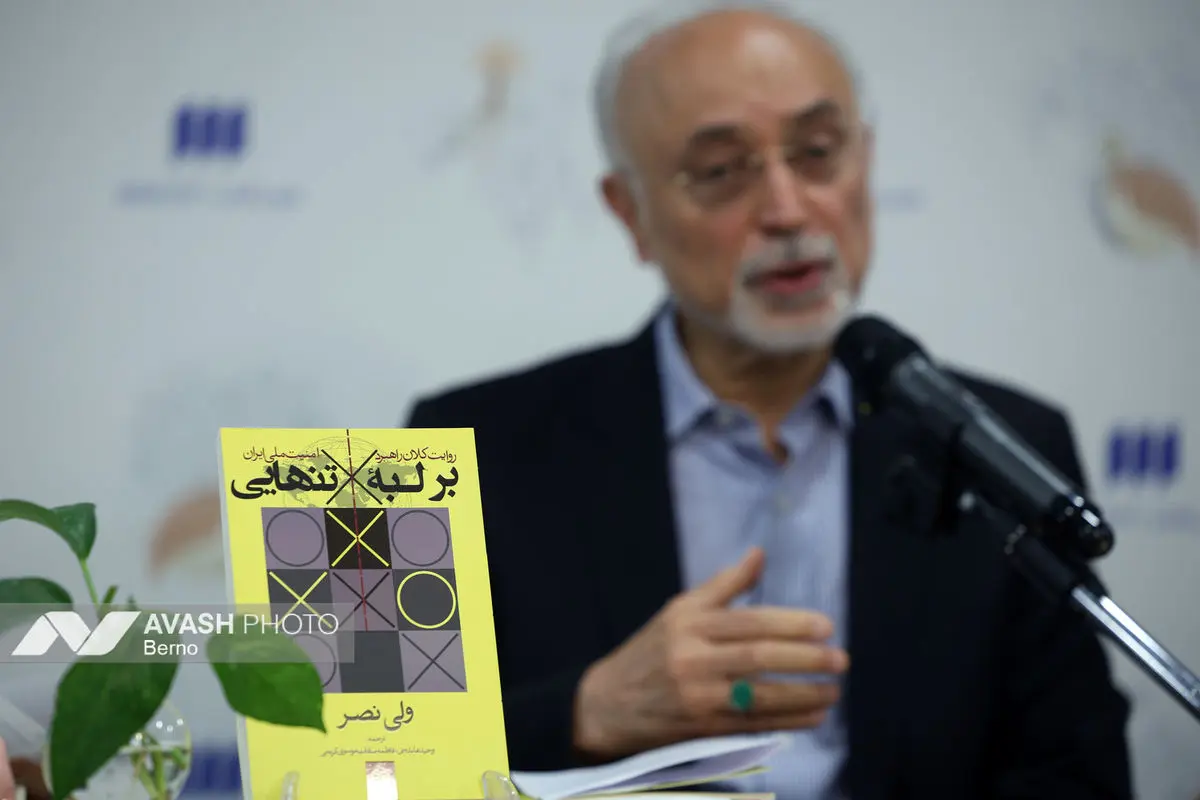
Ali Akbar Salehi, President of the Iranology Foundation, opened his remarks by emphasizing the importance of terminology in political analysis. While noting that he had not yet completed a full reading of the book, he focused on what he regarded as a fundamental distinction between religion and ideology. According to Salehi, religion differs from modern ideologies such as communism and fascism because it encompasses sacred, ethical, and spiritual dimensions in addition to social organization.
Referring to passages in which the Islamic Revolution is described through the concept of “Islamic ideology,” Salehi suggested that future editions might employ terms such as “religious faith” or “religion” instead. In his view, reducing religion to ideology risks adopting the same interpretive framework through which some Western analysts, including Henry Kissinger, approached the Iranian Revolution.
Salehi praised Nasr’s treatment of the pre-revolutionary period as objective and well documented, while arguing that some aspects of the post-revolutionary analysis warrant further consideration. Discussing the book’s characterization of democracy, Islam, and independence as the three pillars of the Revolution’s identity, he contended that political independence is already embedded within Islamic teachings through the principle of rejecting domination and dependence. Presenting independence and Islam as separate foundations, he argued, may inadvertently suggest that Islam lacks an intrinsic commitment to political sovereignty.
A significant portion of Salehi’s remarks focused on the notion of “strategic loneliness,” a concept he believes has appeared repeatedly in both Nasr’s work and earlier writings on Iranian history and identity. Offering a historical perspective, he argued that throughout much of Iran’s past—from the Achaemenid and Sasanian eras to the Safavid period—religion largely served political power and the preservation of the state. In contrast, he maintained that the Islamic Revolution transformed the relationship between religion and politics, creating a framework in which religious actors themselves became political authorities.
“Following the Revolution,” Salehi said, “Iran moved beyond strategic loneliness and entered a broader civilizational sphere of influence. The country’s role in regional developments reflects not merely geopolitical calculations but also the pursuit of cultural and civilizational ideals.”
He further argued that Iran’s presence in countries such as Lebanon should not be understood solely through the lens of security and geopolitics, but also through ideological and civilizational commitments rooted in the Revolution’s worldview.
Summarizing his principal disagreement with the book, Salehi suggested that Nasr places greater analytical weight on security concerns and geopolitical imperatives than on the Islamic worldview underpinning the Revolution. According to him, this approach brings the book closer to interpretations often found in Western policy circles and think tanks, which, he argued, do not fully appreciate the Revolution’s spiritual and intellectual foundations.
Turning to the sections dealing with Iran’s nuclear negotiations, Salehi questioned several arguments that he believed relied heavily on American sources and interpretations. He also pointed to what he described as technical inaccuracies concerning the Arak heavy-water reactor and aspects of the nuclear talks. In his view, the book occasionally conveys the impression that responsibility for tensions between Iran and the United States rests primarily with Iran, whereas historical realities suggest a more complex picture.
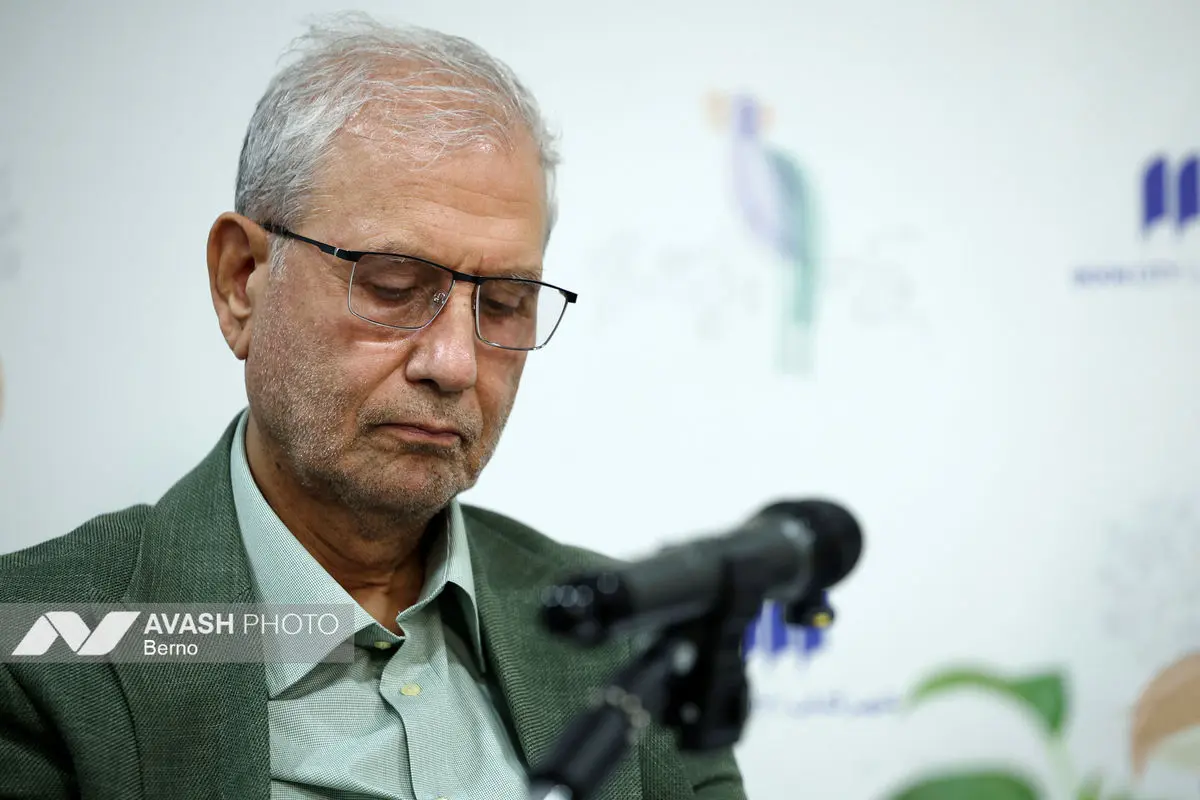
Ali Rabiei, Assistant to the President for Social Affairs, subsequently addressed the gathering, focusing on the sociological dimensions of the book and its relationship to contemporary discussions of Iranian identity. The event concluded with an extensive question-and-answer session, during which participants raised questions about foreign policy, the role of culture in national power, and the future of narratives about Iran and Iranian civilization.
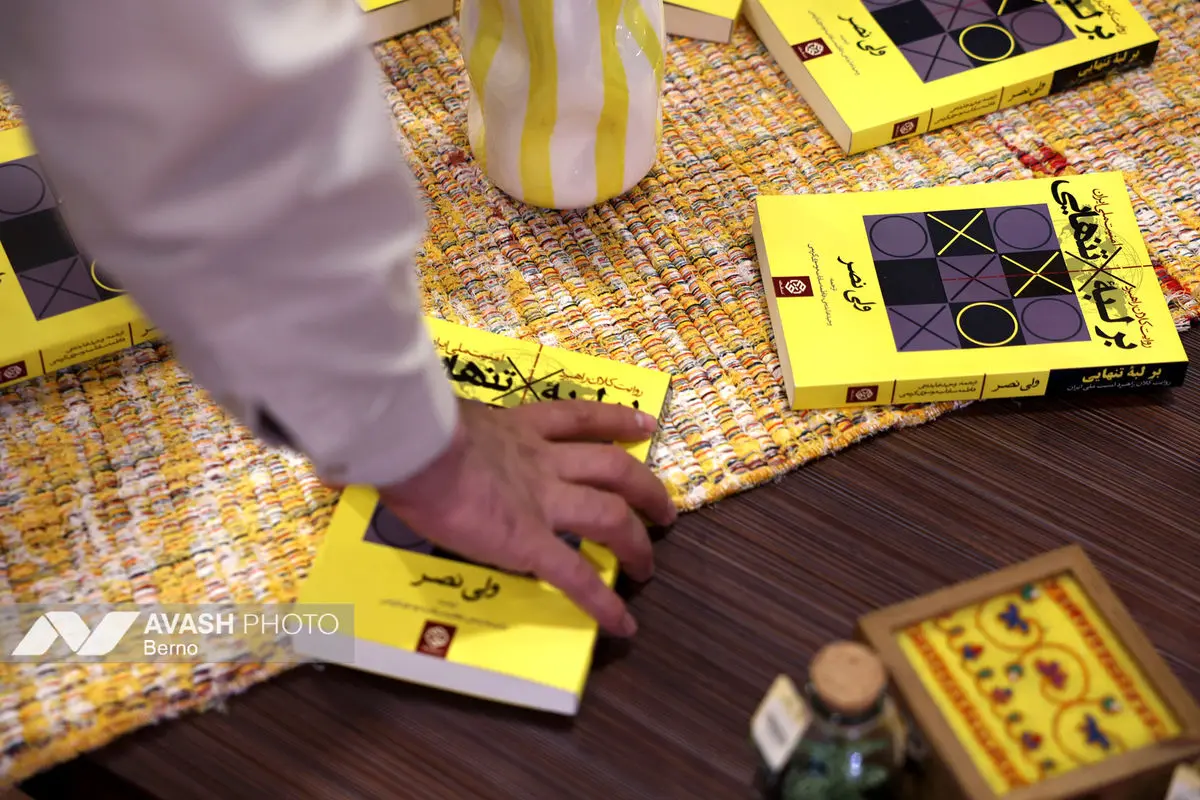
On the Edge of Loneliness: A Grand Narrative of Iran’s National Security Strategy, translated into Persian by Vahid Abedini and Fatemeh Sadat Mousavi, was published by Roozaneh Publishing in spring 2026. The 394-page volume examines Iran’s national identity, foreign policy, and long-term efforts to preserve independence and sovereignty.
Photo: Mohammad Barno

Tags: Book Launch, Central BookCity, Vali Nasr