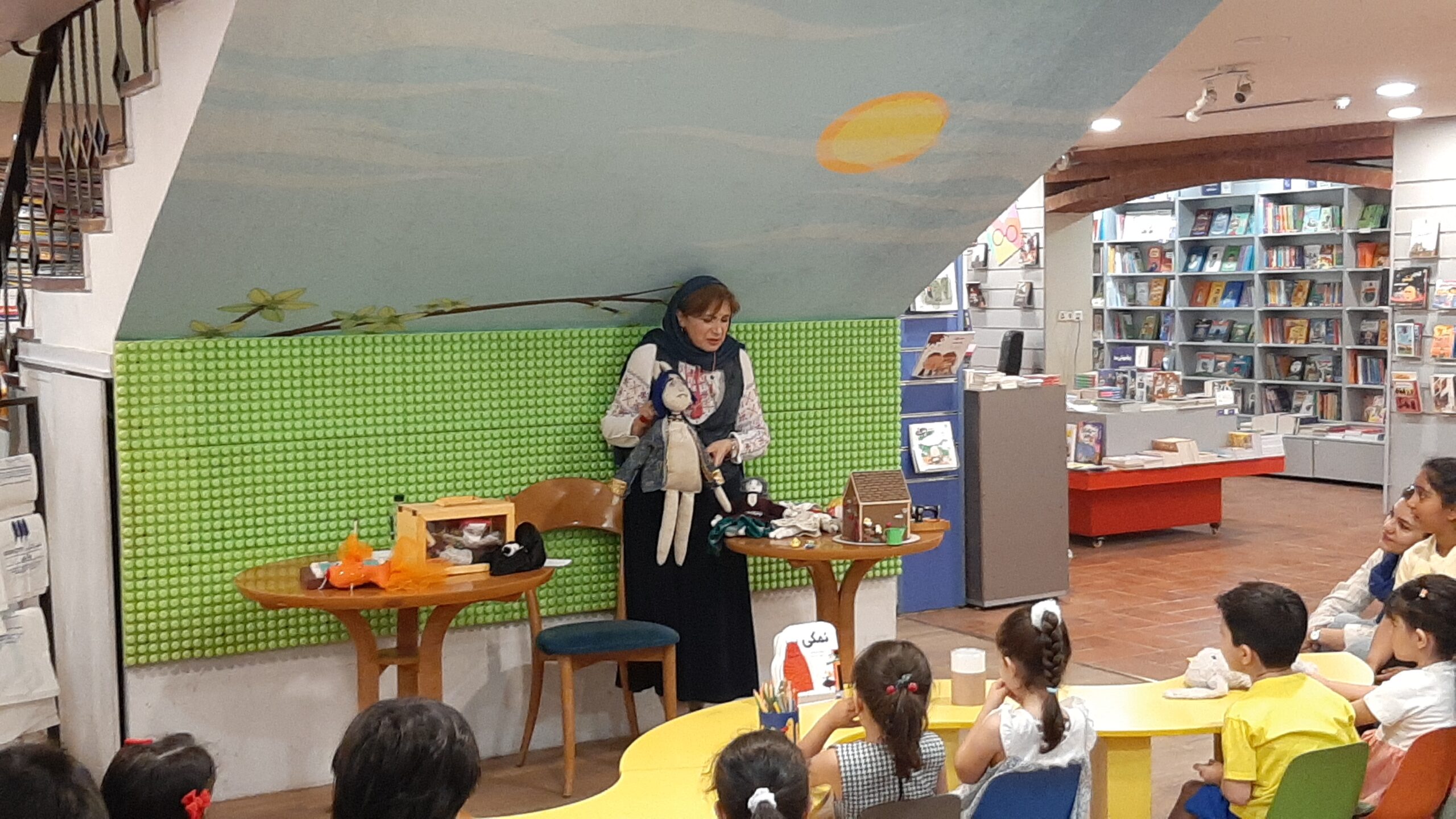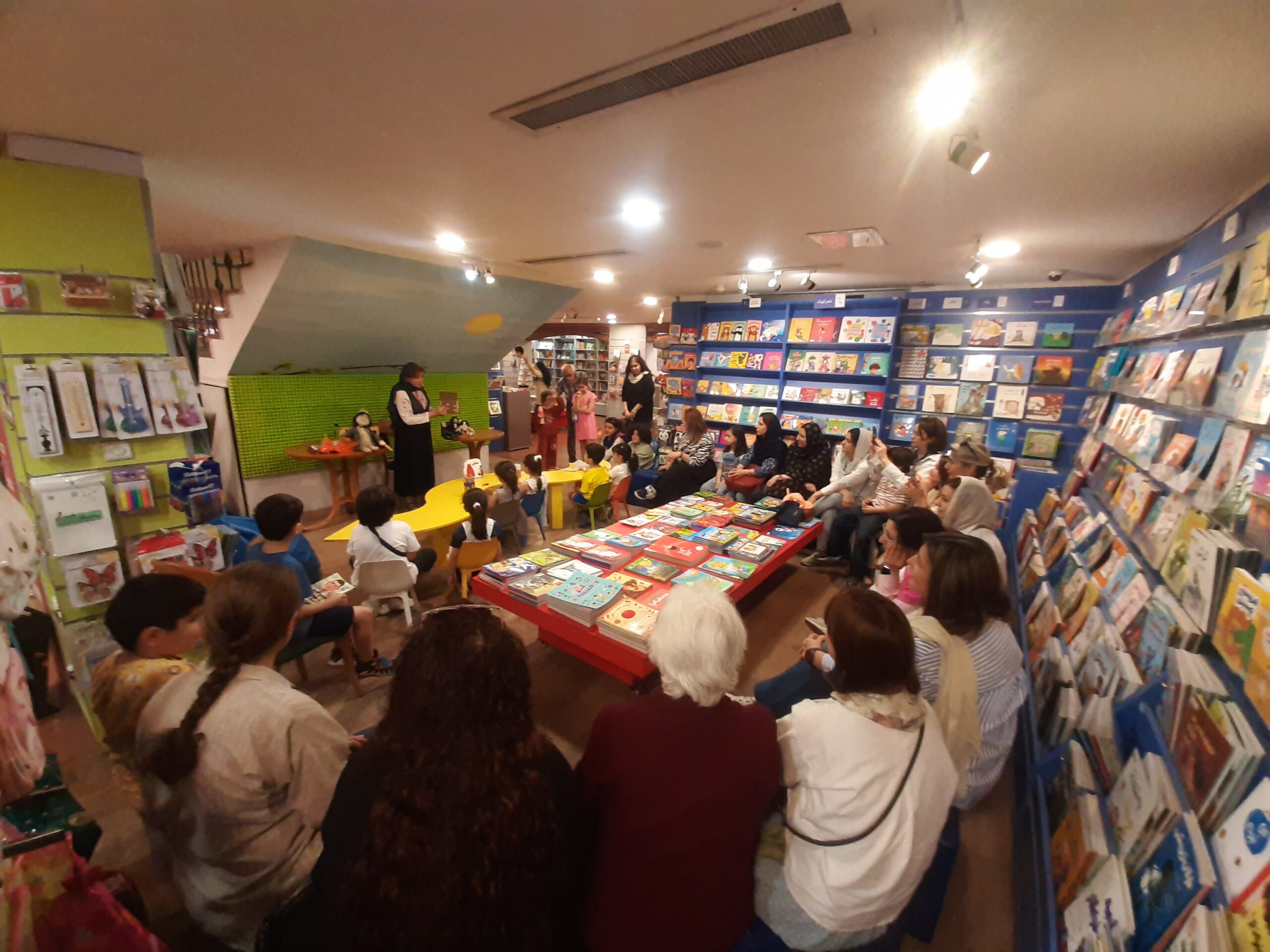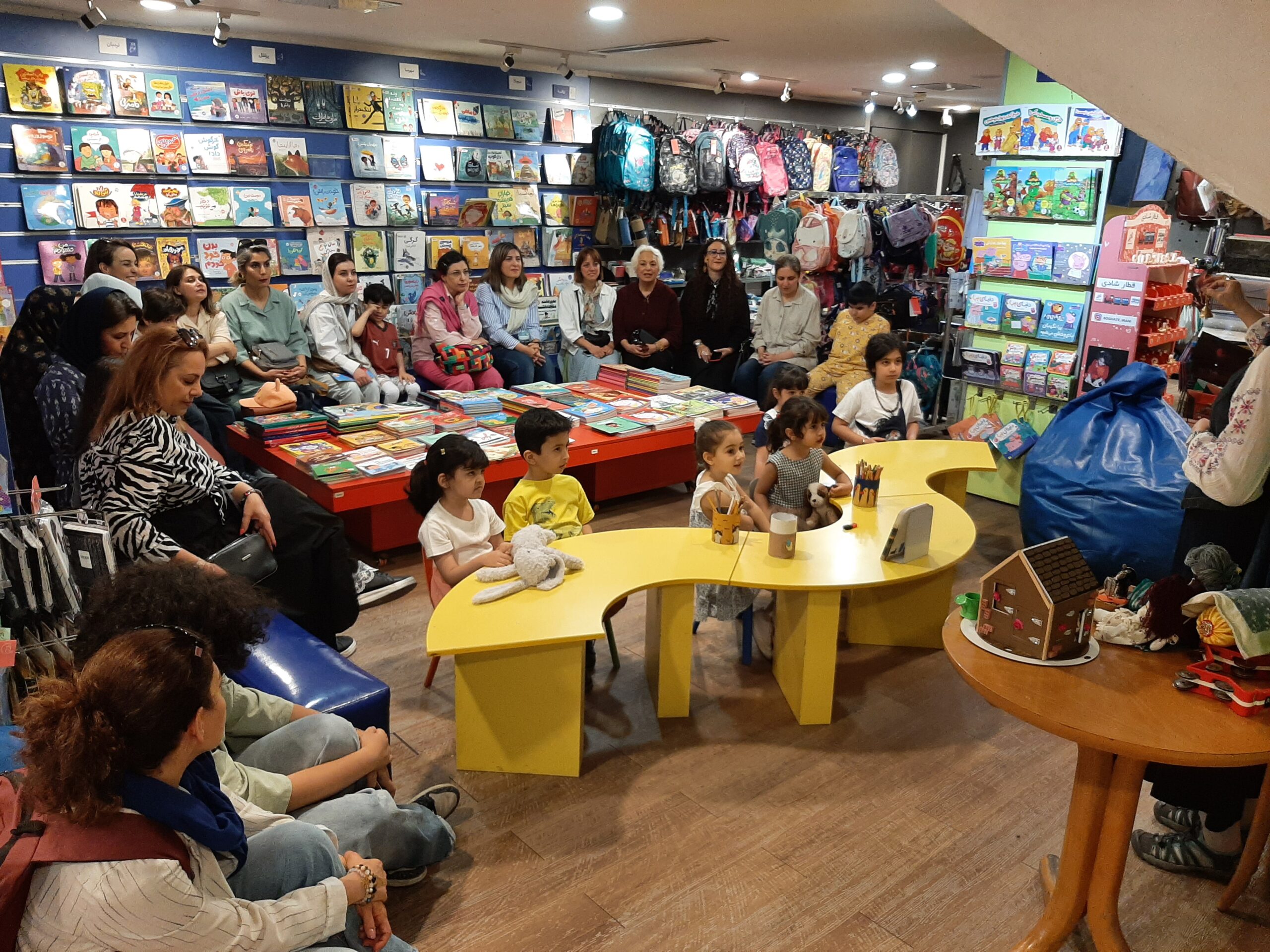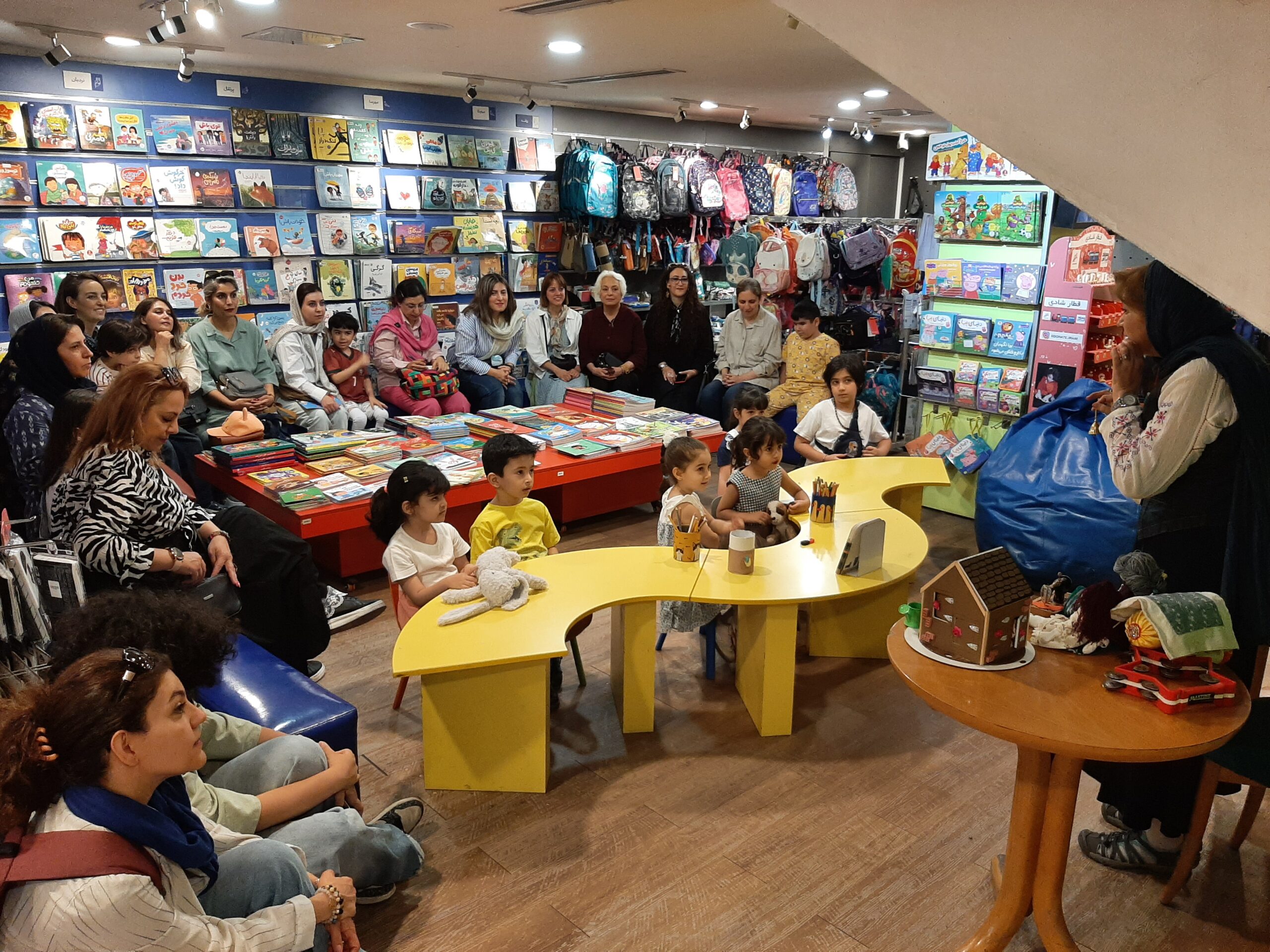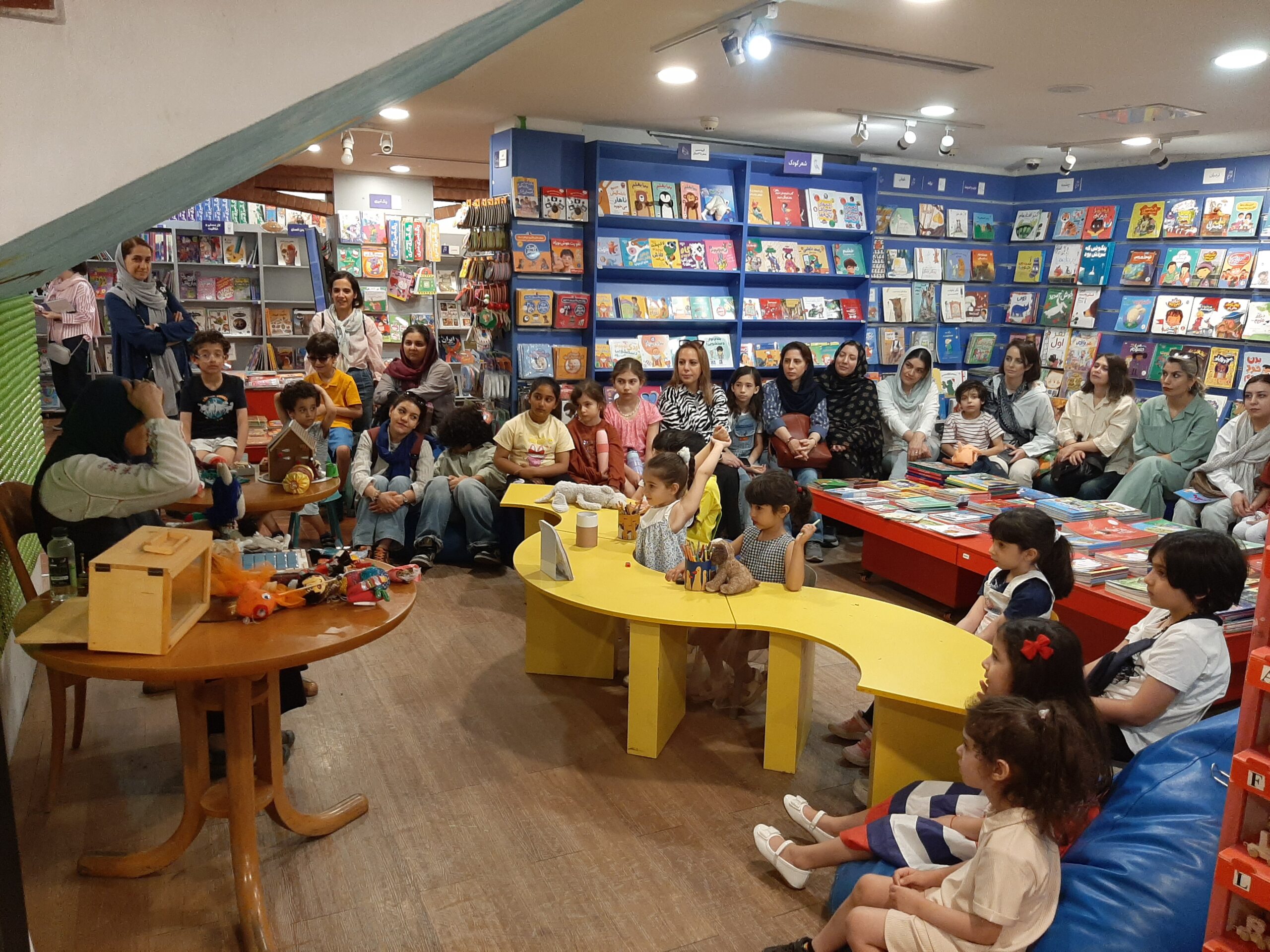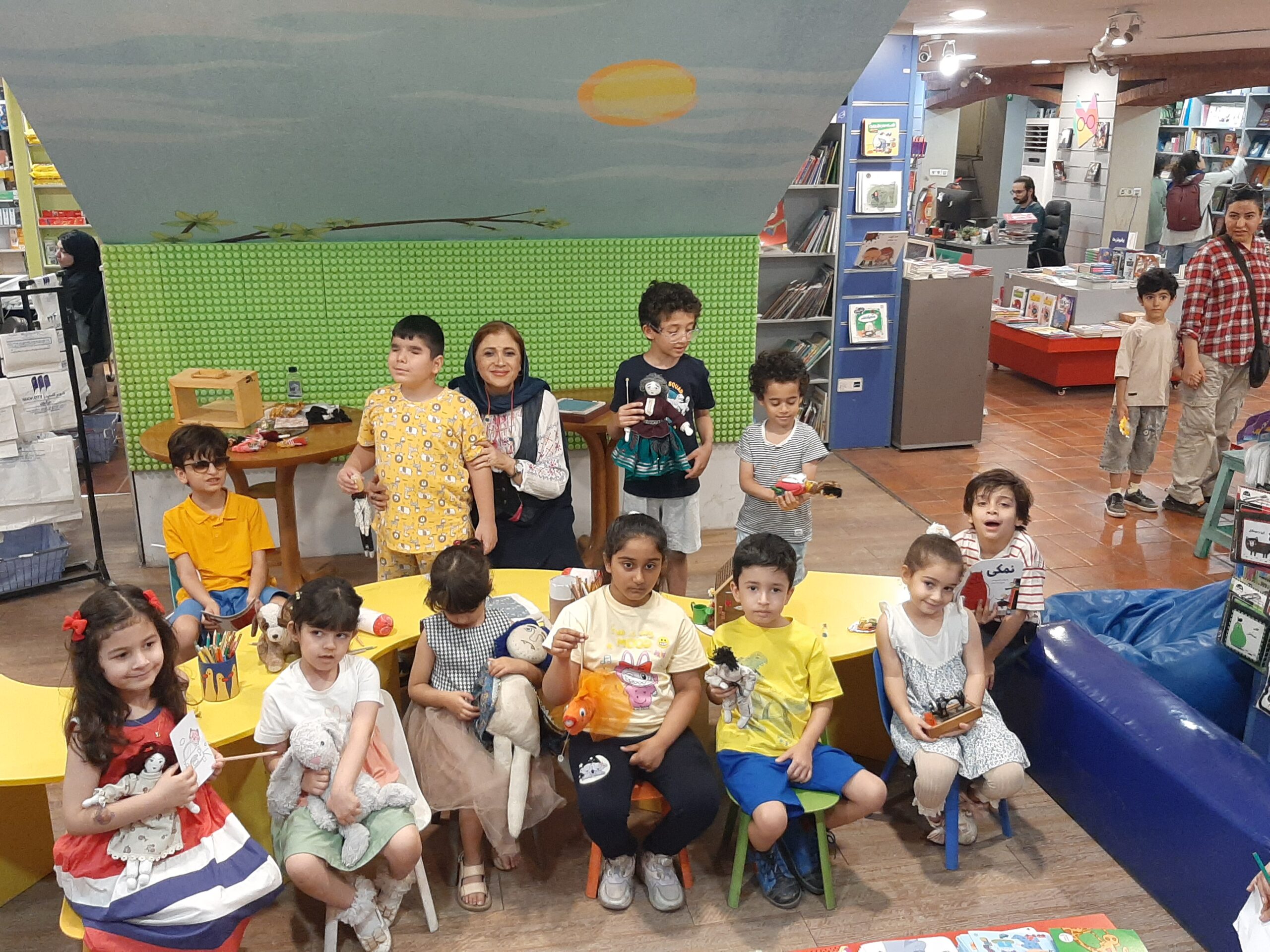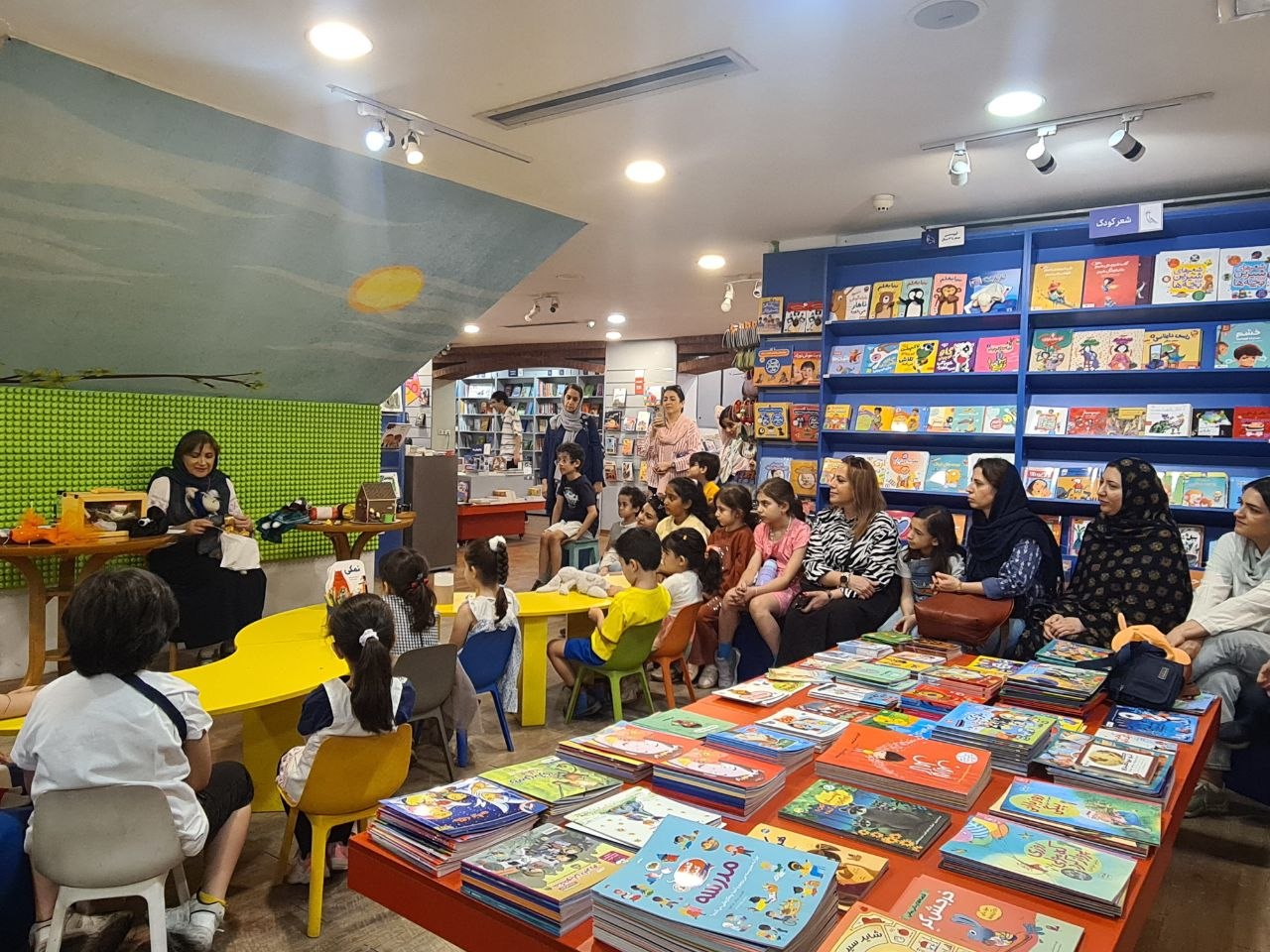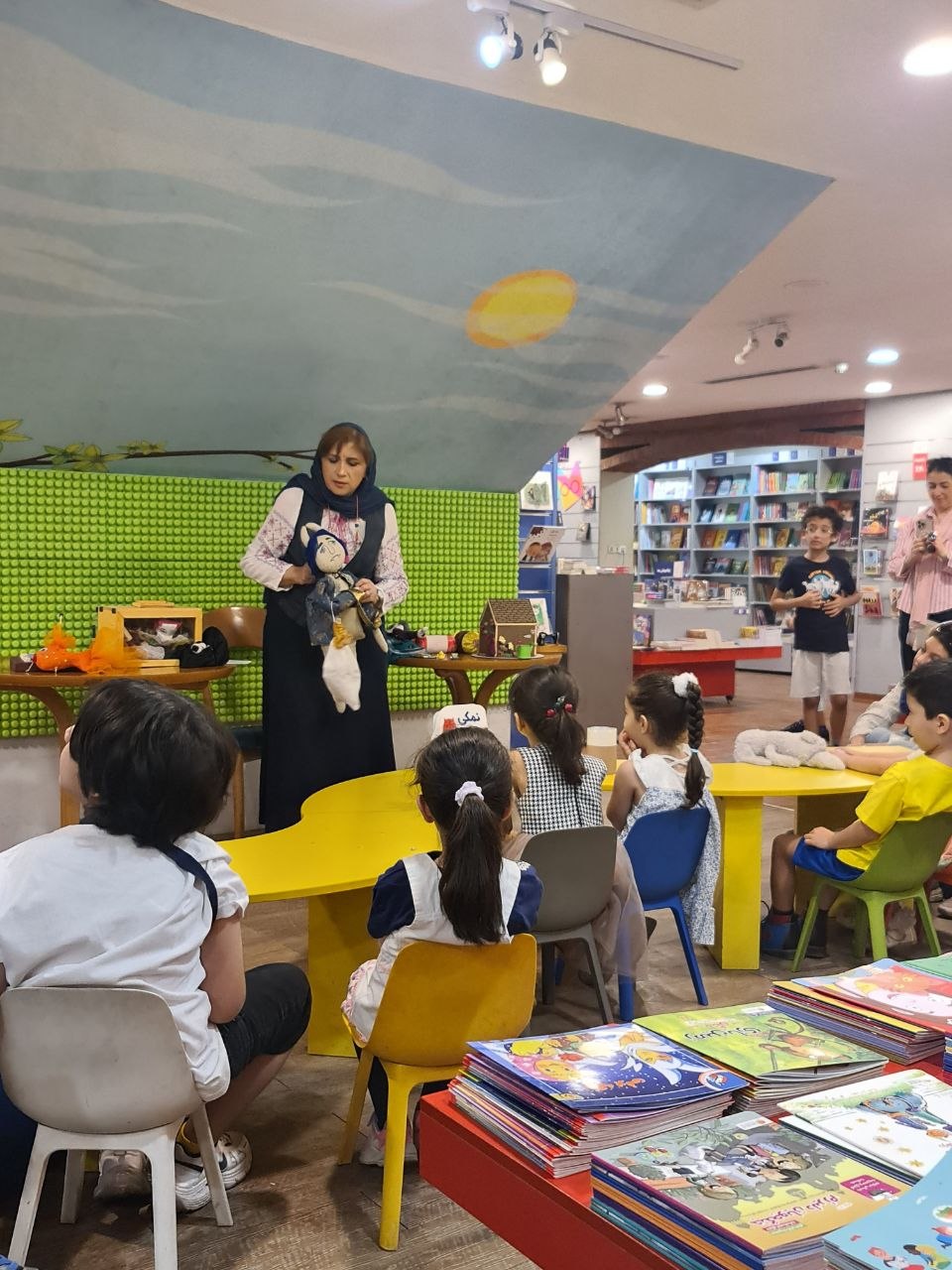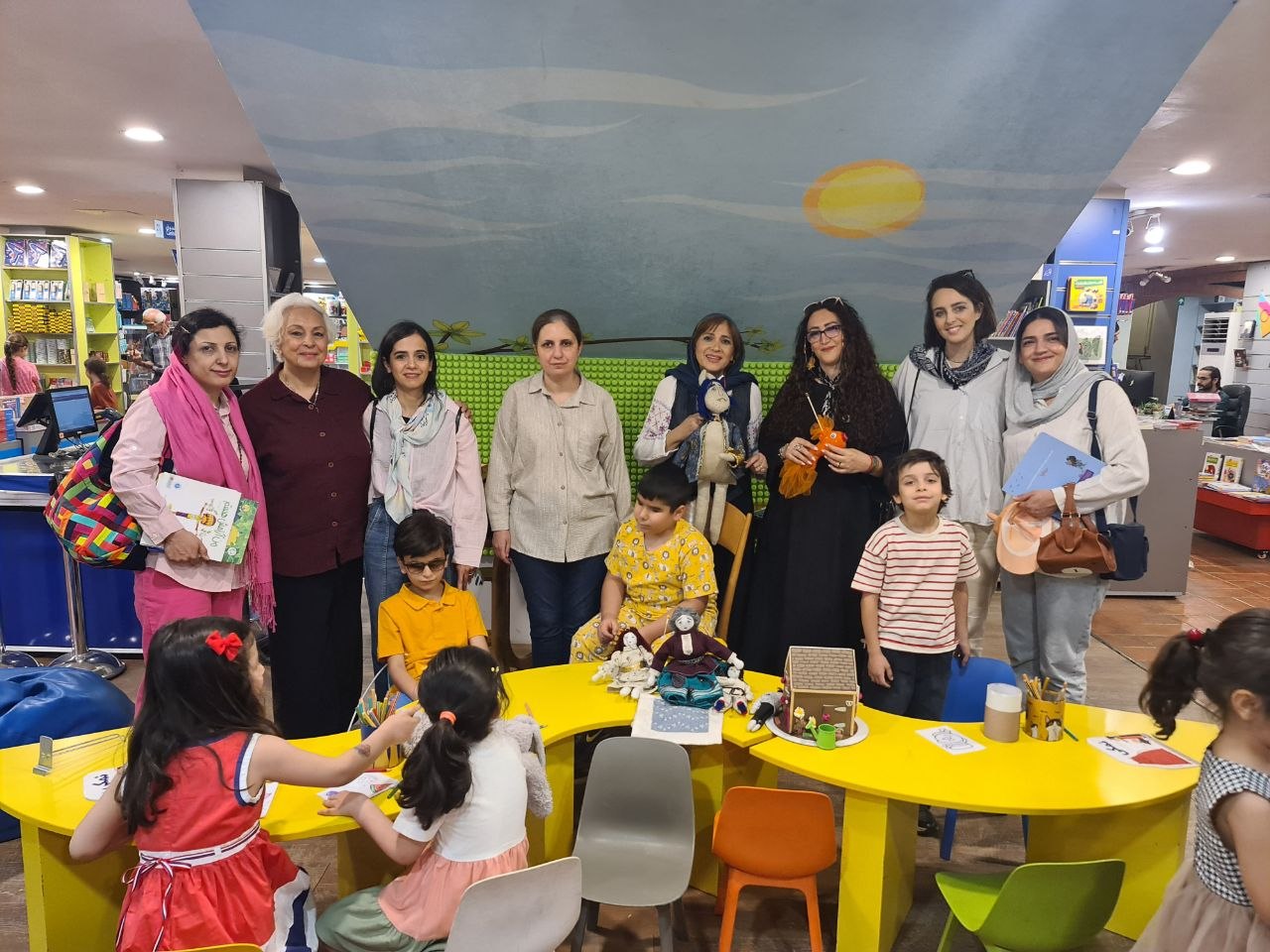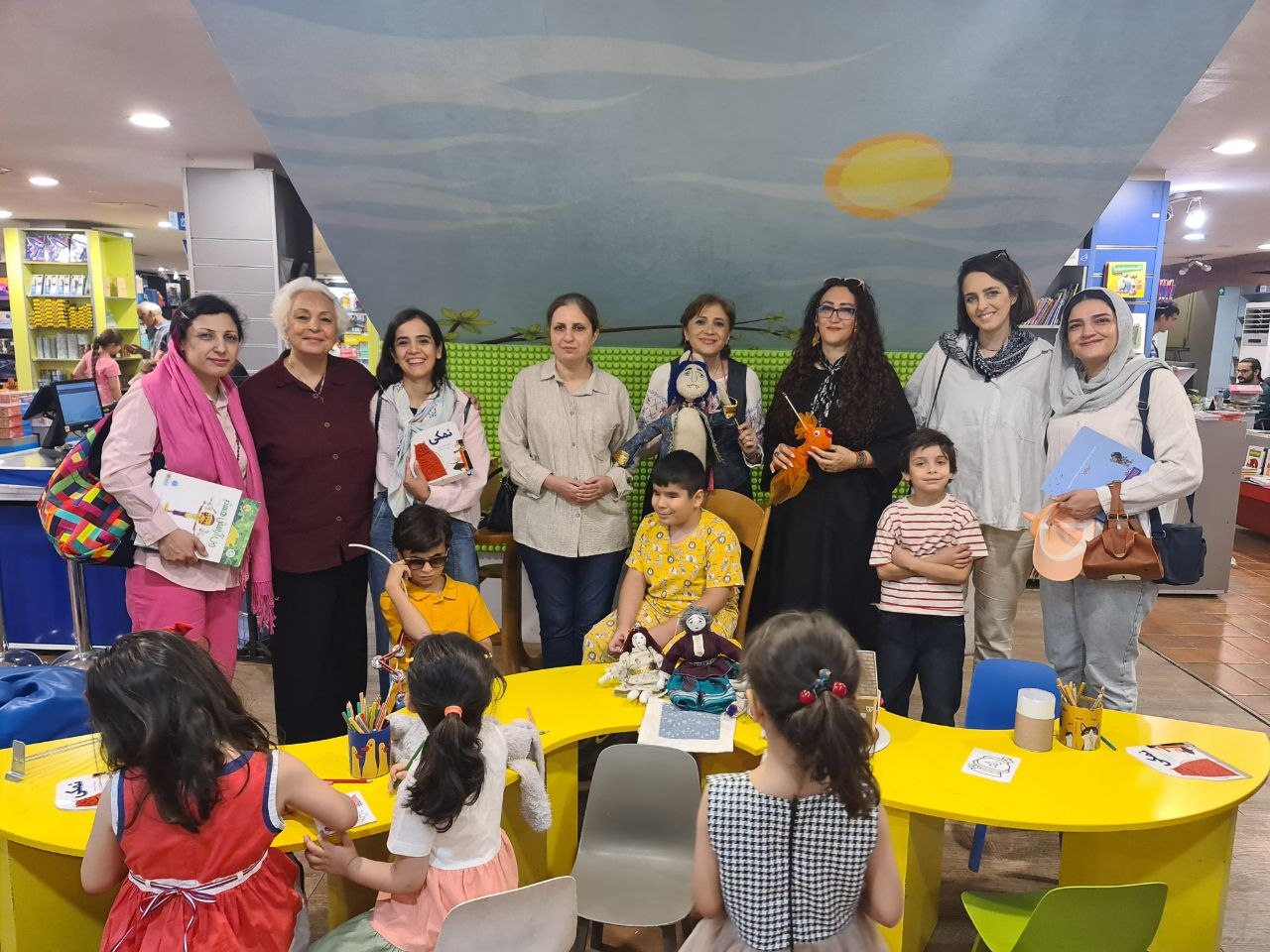


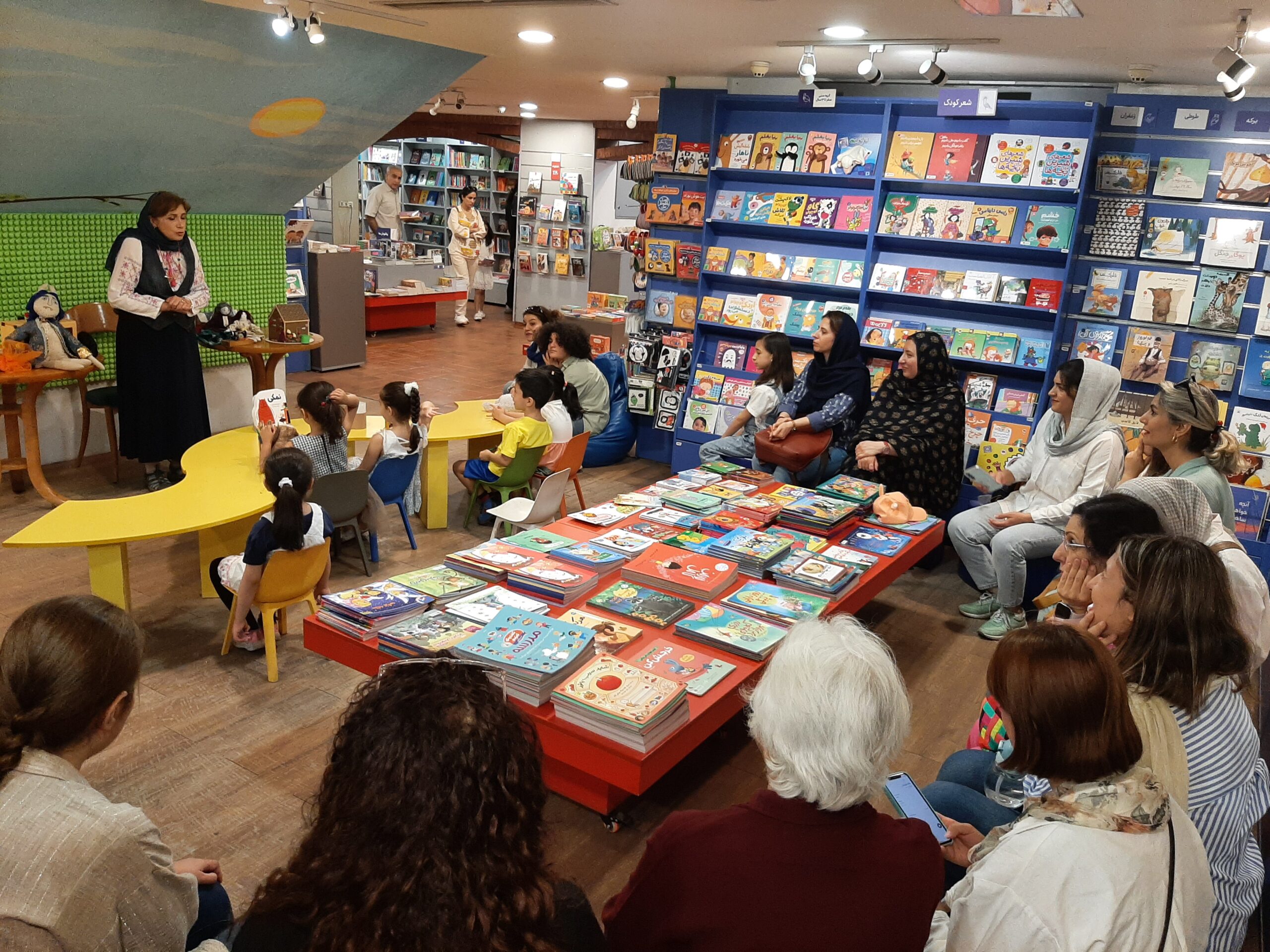
The second session in the “Plant a Story, Build a World” series was held at Central BookCity with storyteller and cultural heritage specialist Leila Kafashzadeh, centring on Namaki, a traditional Iranian folktale.
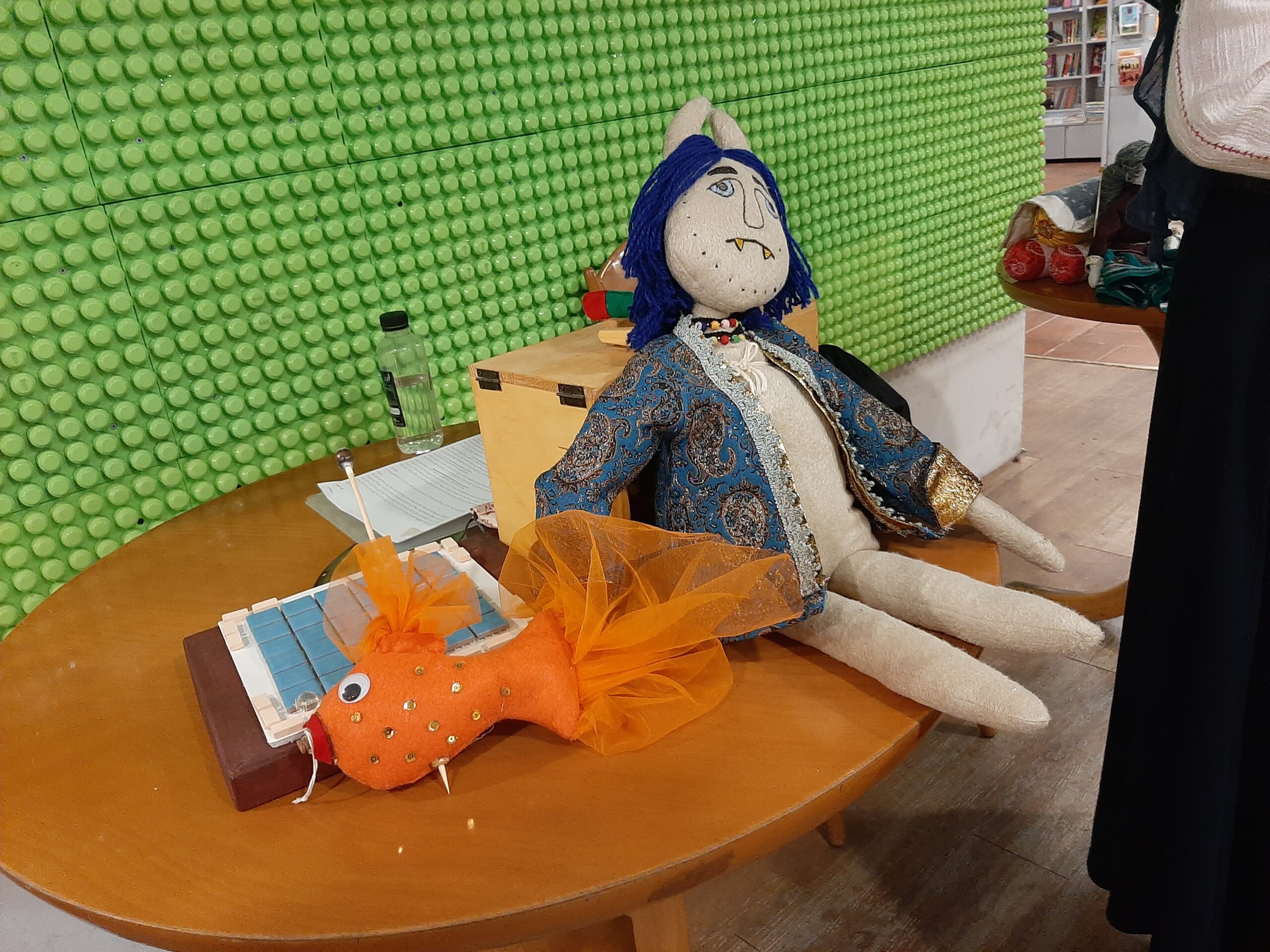
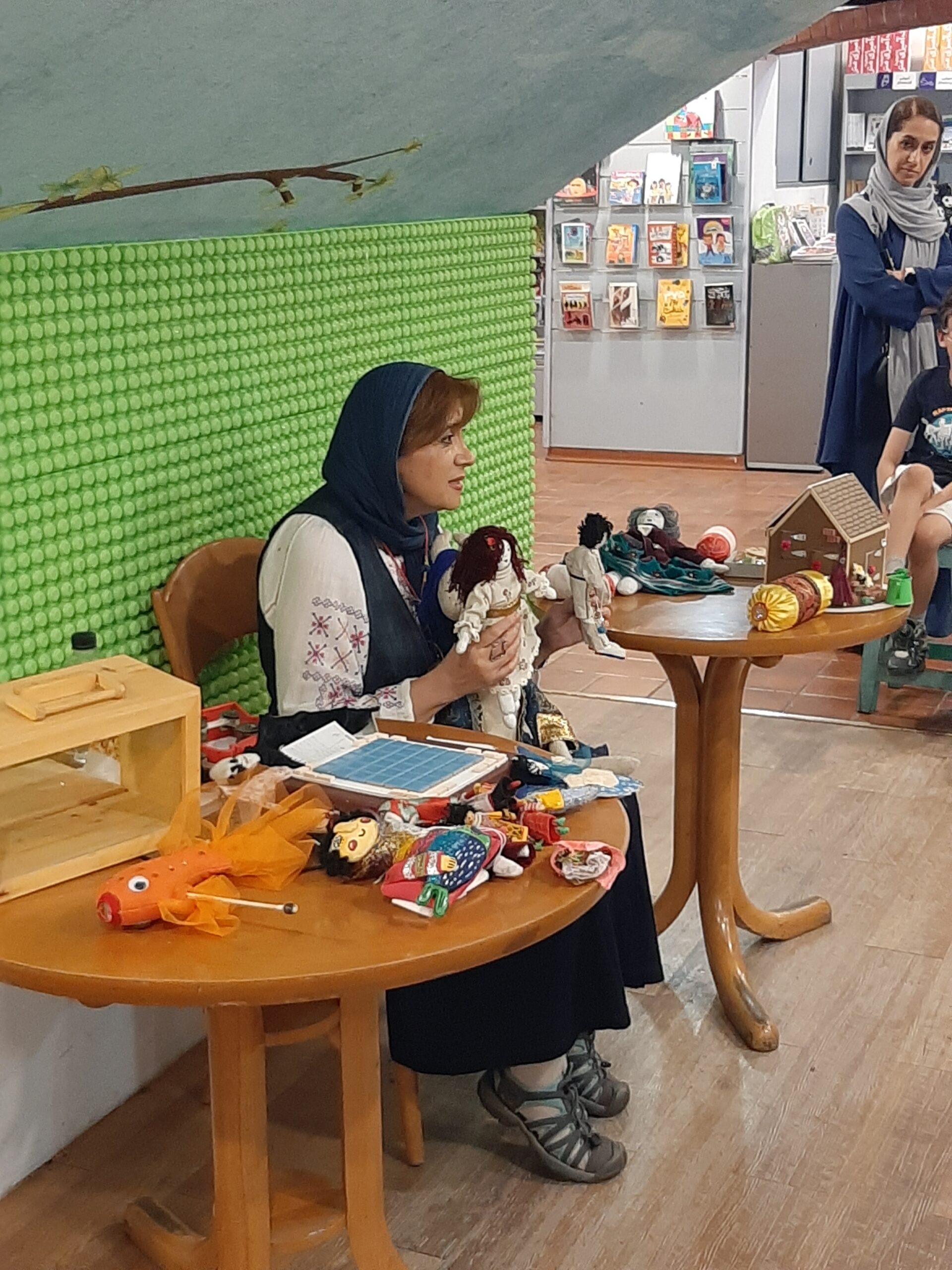
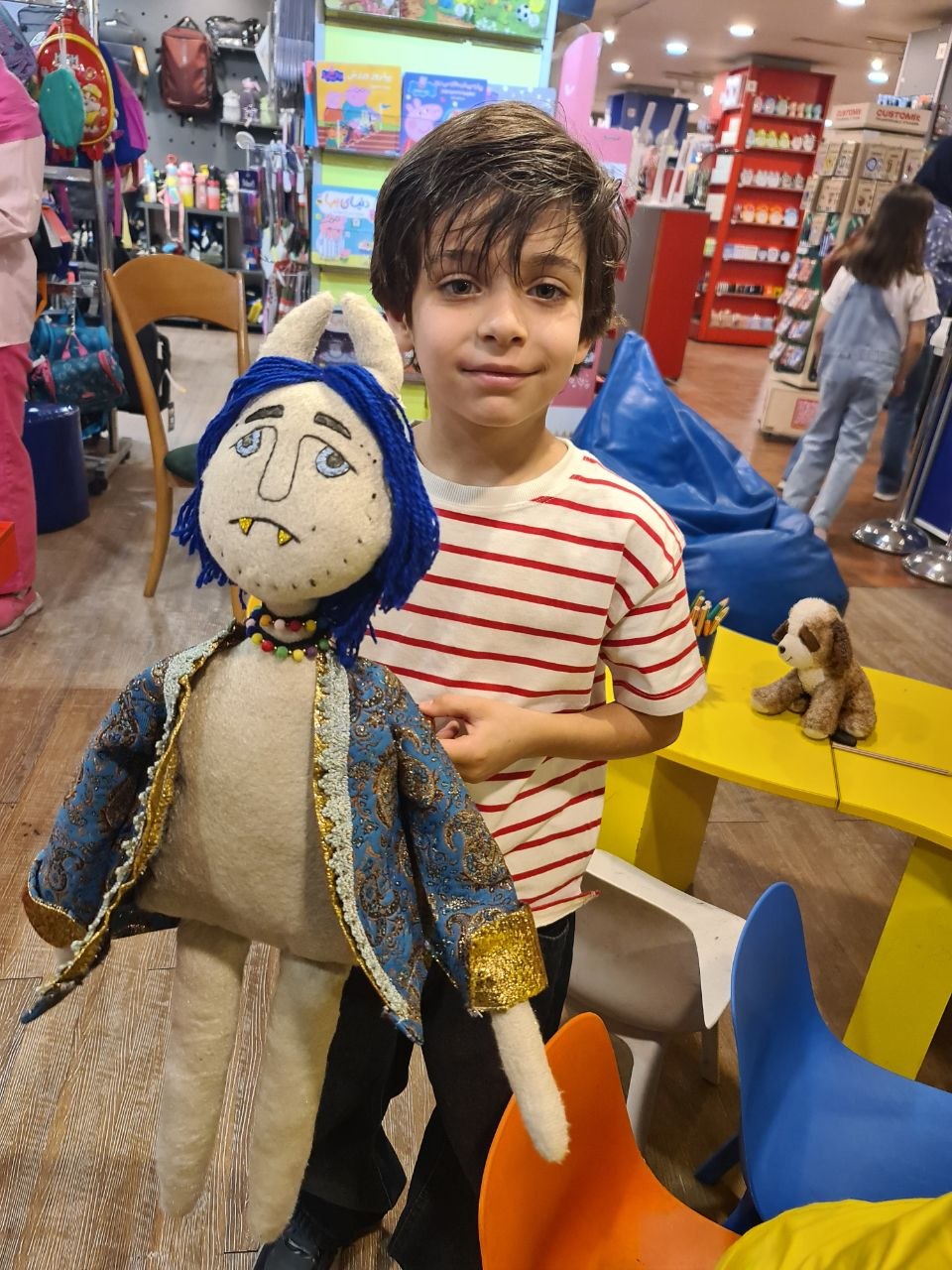
A defining feature of the session was its use of “reimagining” rather than a word-for-word reading: the telling did not follow the book exactly, and all the story’s characters and other elements were specially designed and made by hand. The sets and props gave the performance a distinctive visual appeal, particularly for the children in the audience.
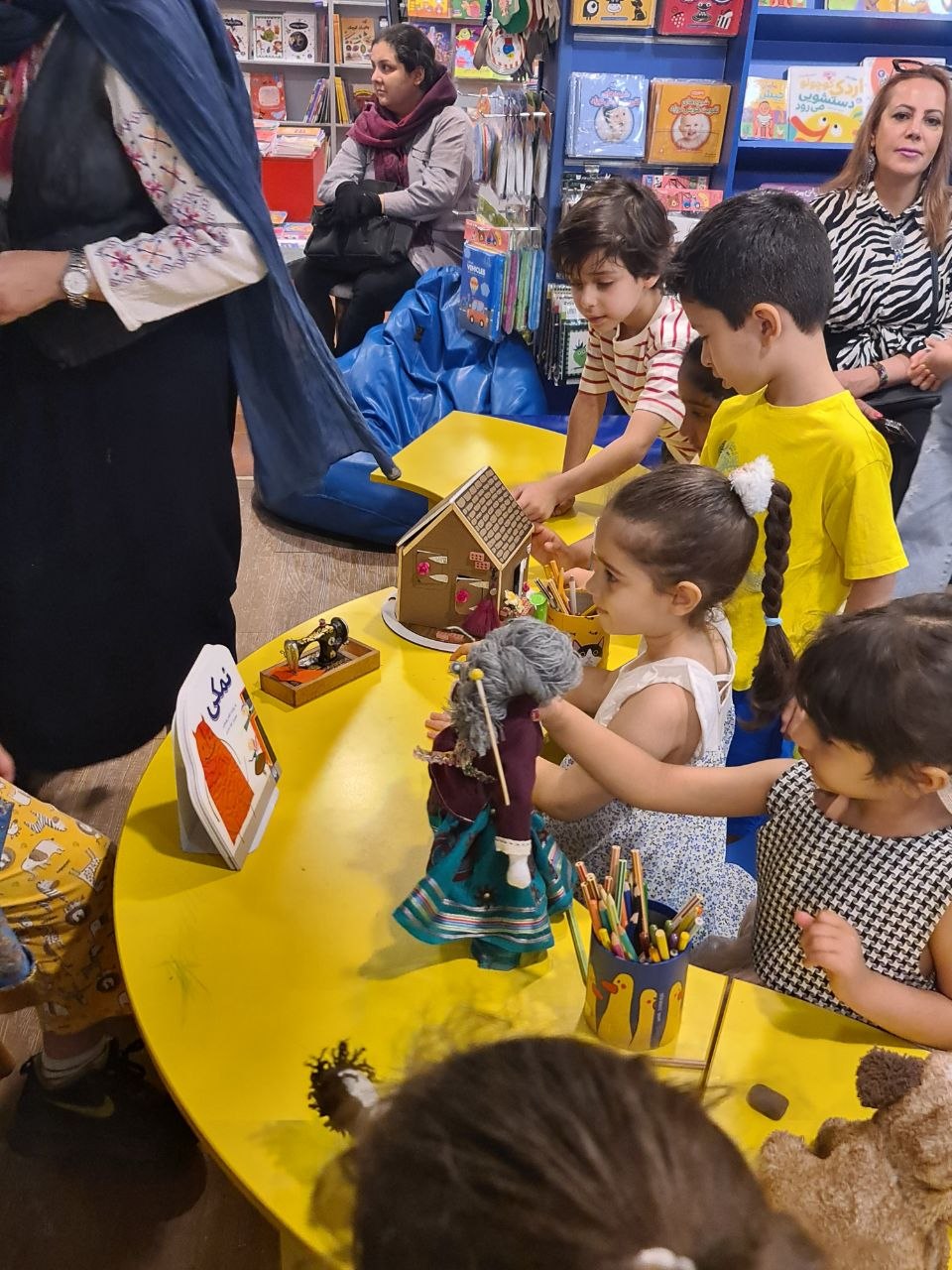
The programme began with a “silence rule” intended to help participants settle and focus. As the story unfolded, a specially constructed set represented Namaki’s house, with seven separate doors opening one by one to make the tale’s setting concrete and tangible. During the interactive part of the session, the children discussed the mystery of the div’s seemingly indestructible “life vessel”—the magical object in which the demon’s life force is kept in Persian folklore. Their conversation led to imaginative reflections on friendship and mutual need. The session also explored local versions of Namaki from different Iranian cities and the varying forms of the houses described in these regional retellings.
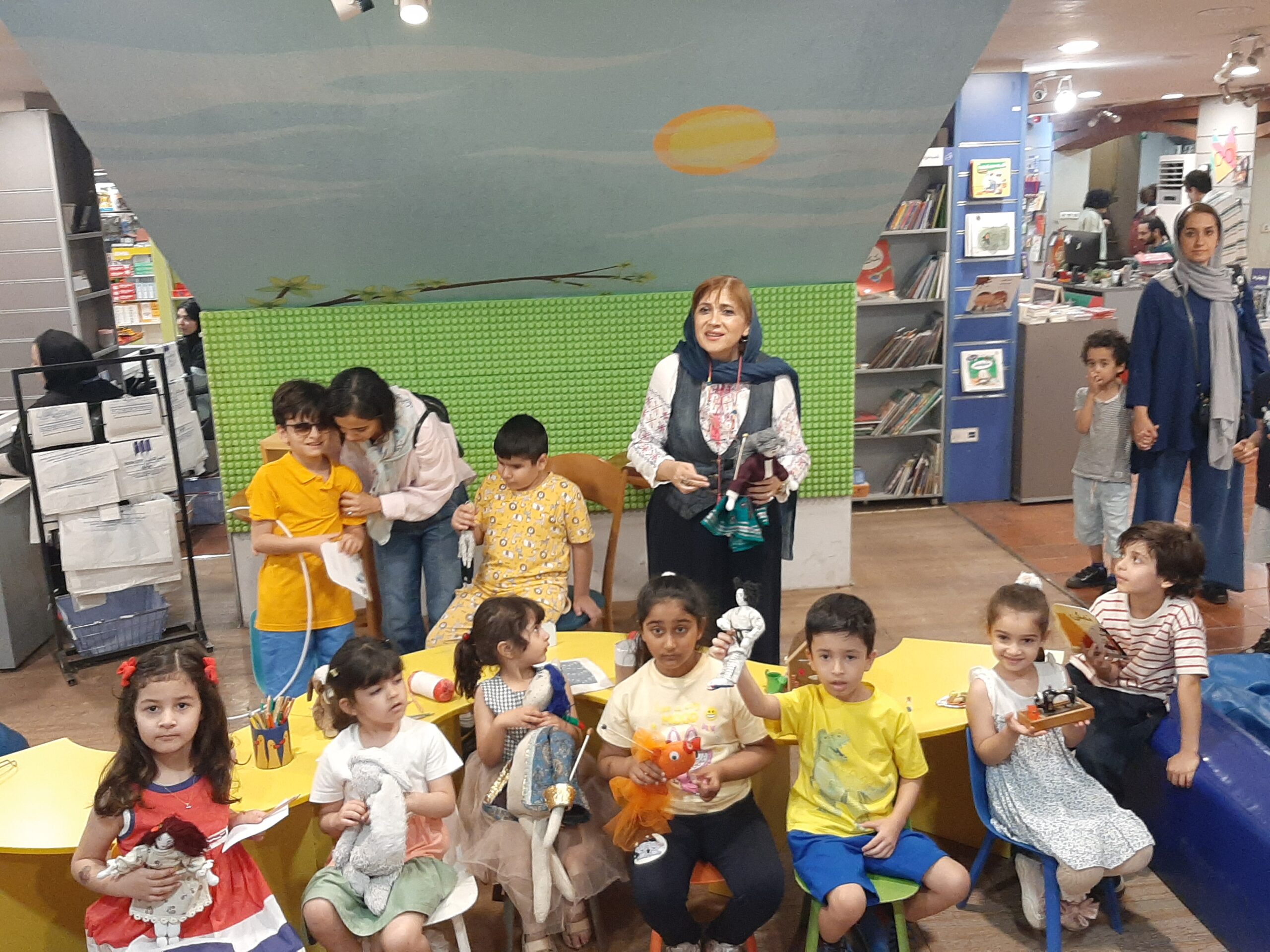
At the end of the programme, the handmade objects and props were passed around so that the children could touch and handle them, deepening their sensory understanding and their connection with the story’s world. Two deaf children took part alongside the other participants and shared in the same reimagined space—an expression of the inclusive and accessible approach at the heart of the cultural session.