


Diplomatic Spouses from Eight Countries Visit BookCity
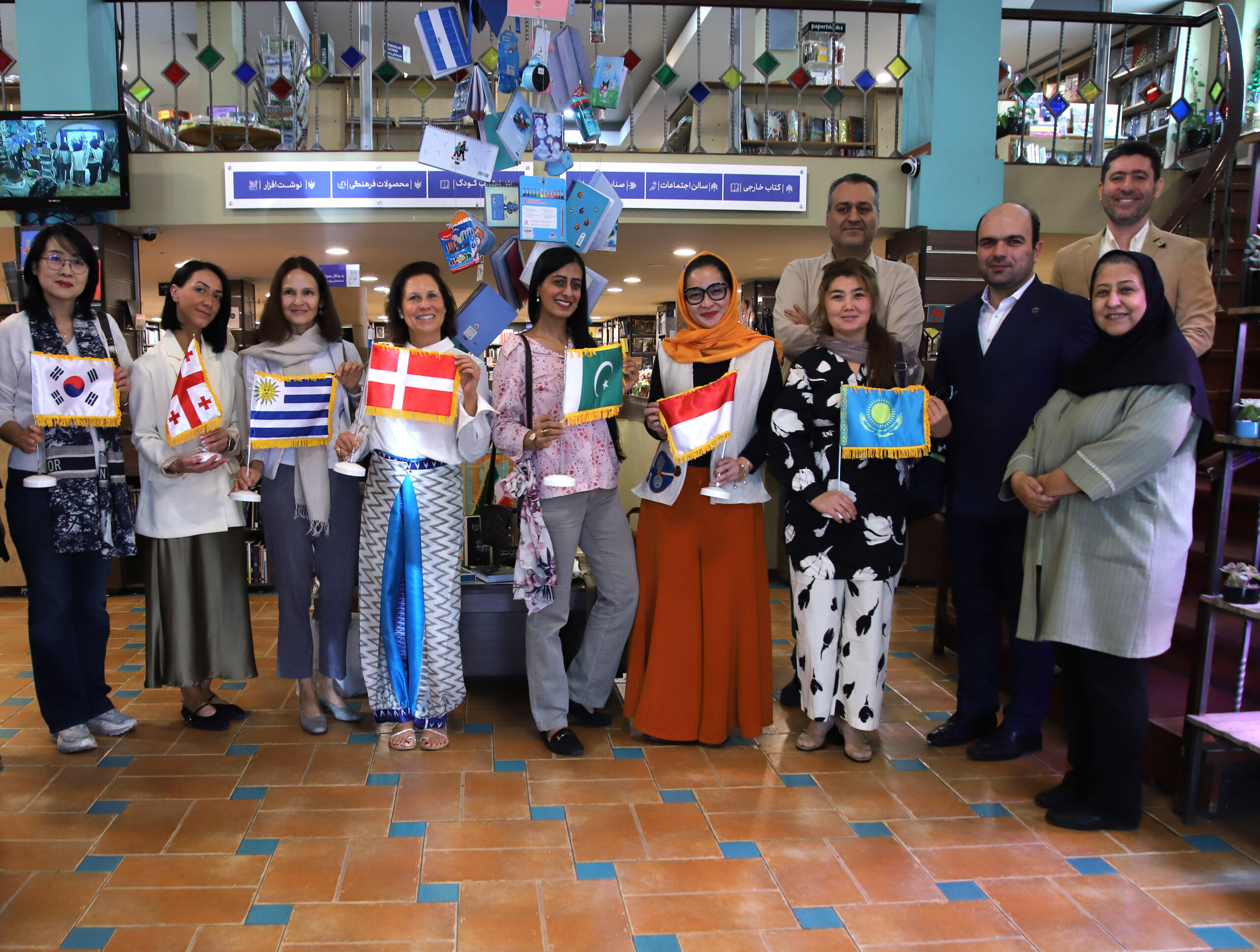
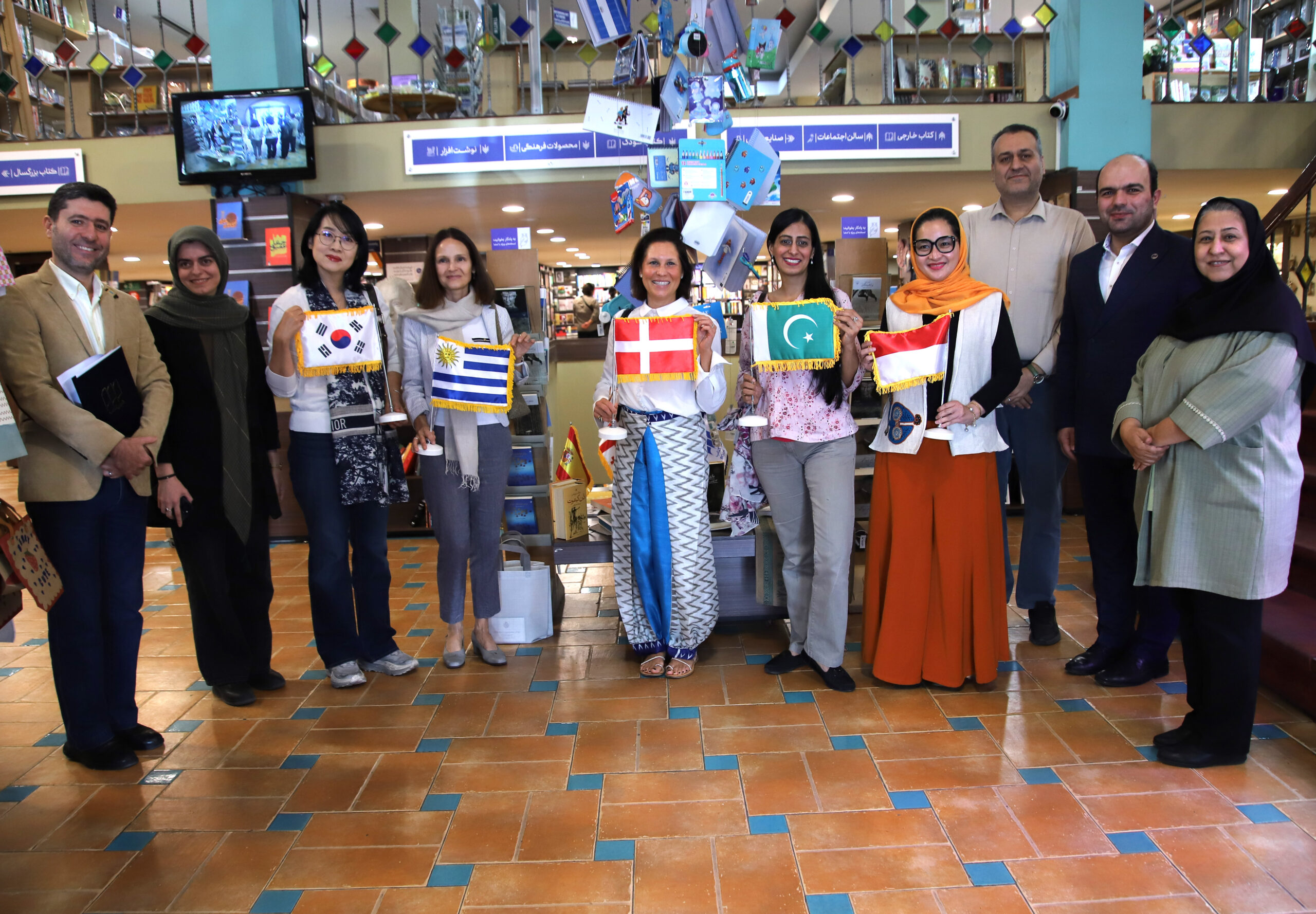
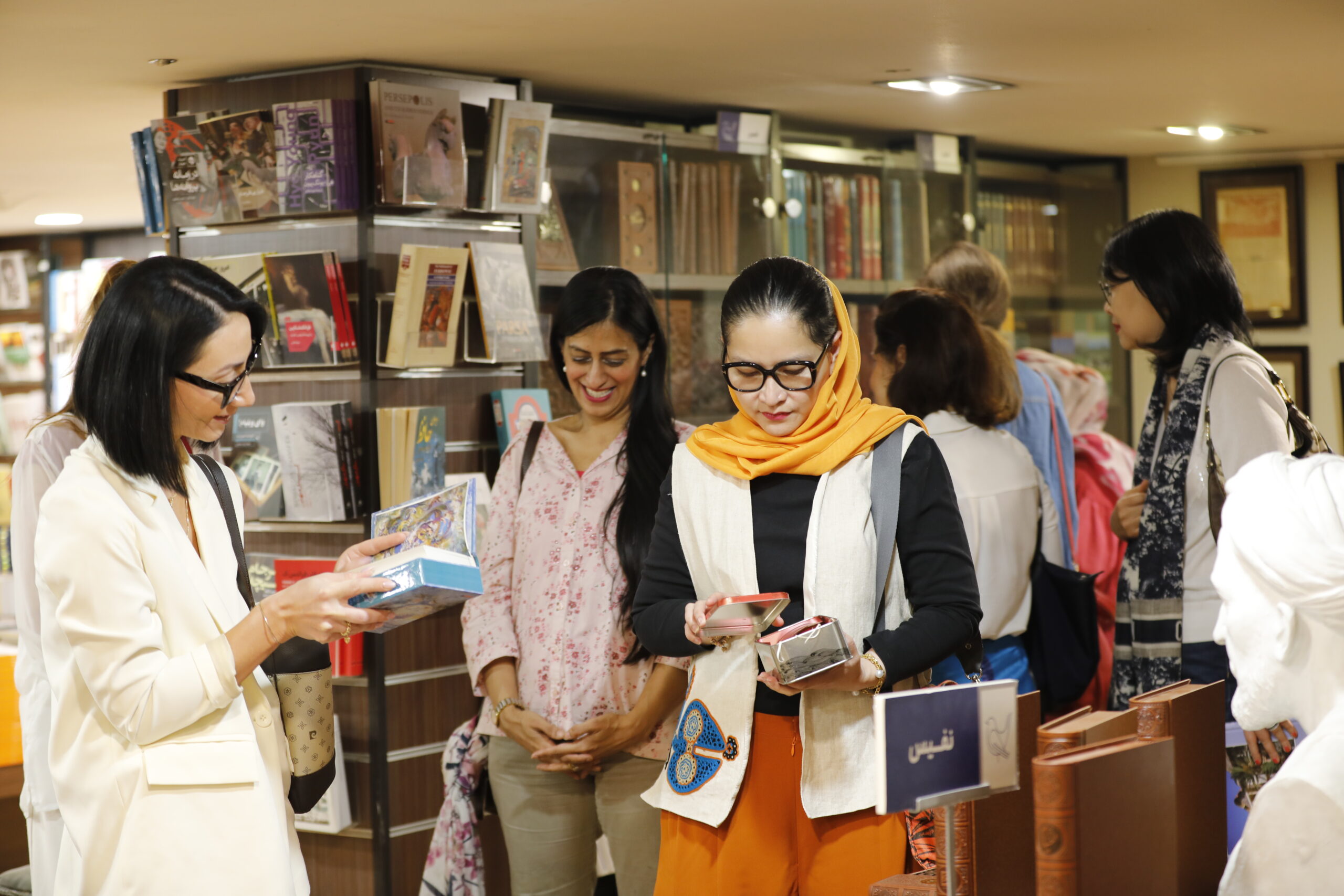
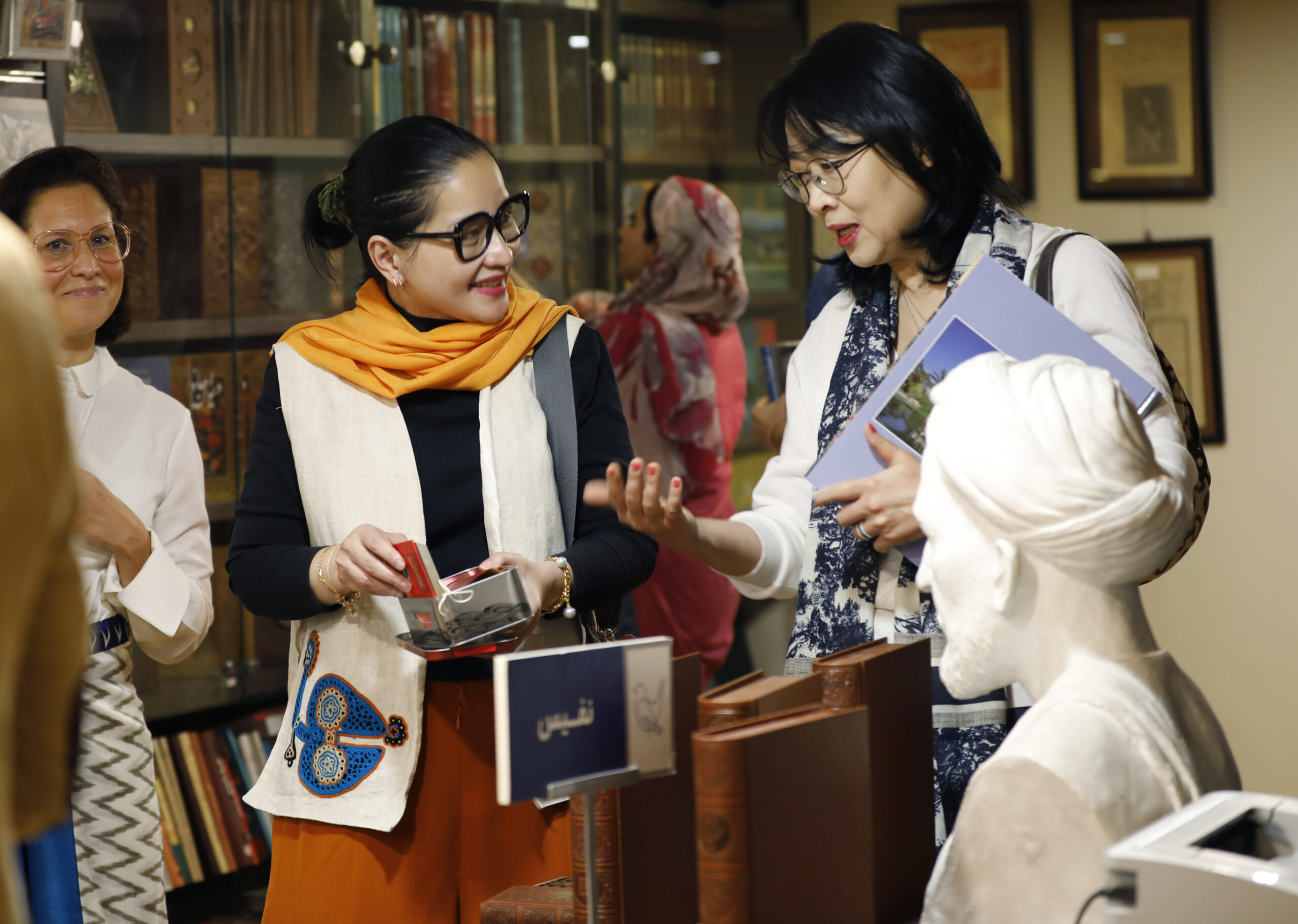
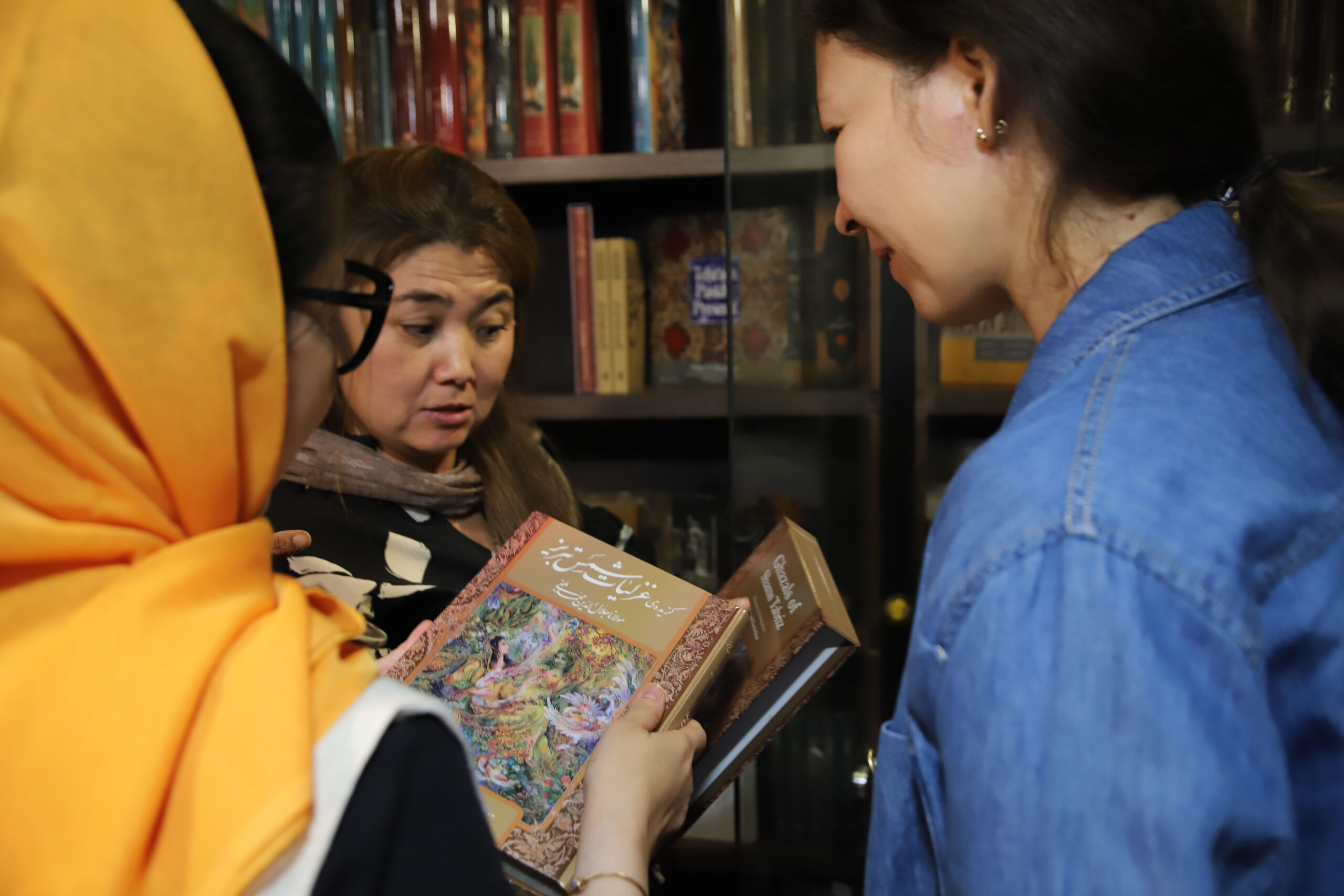
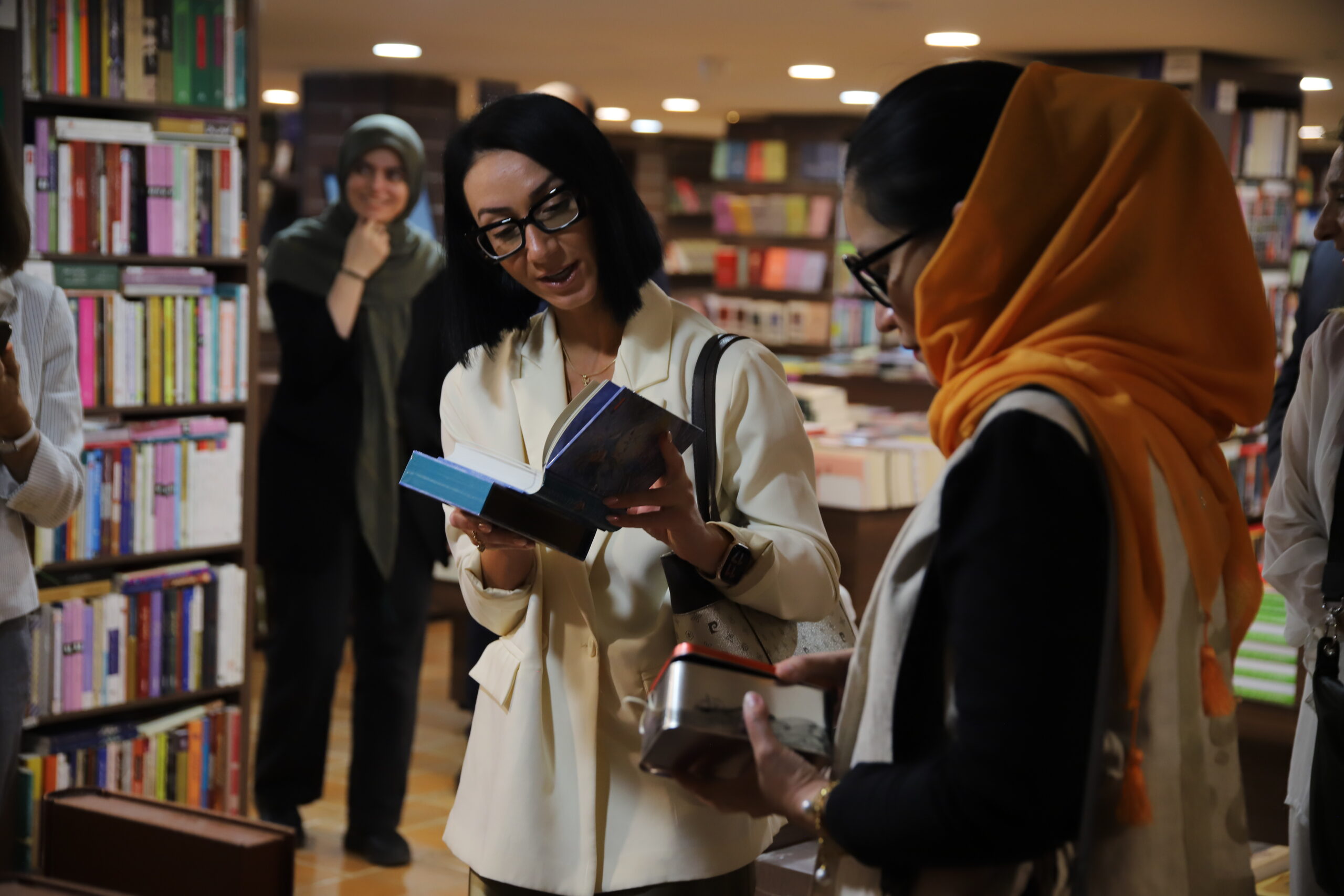
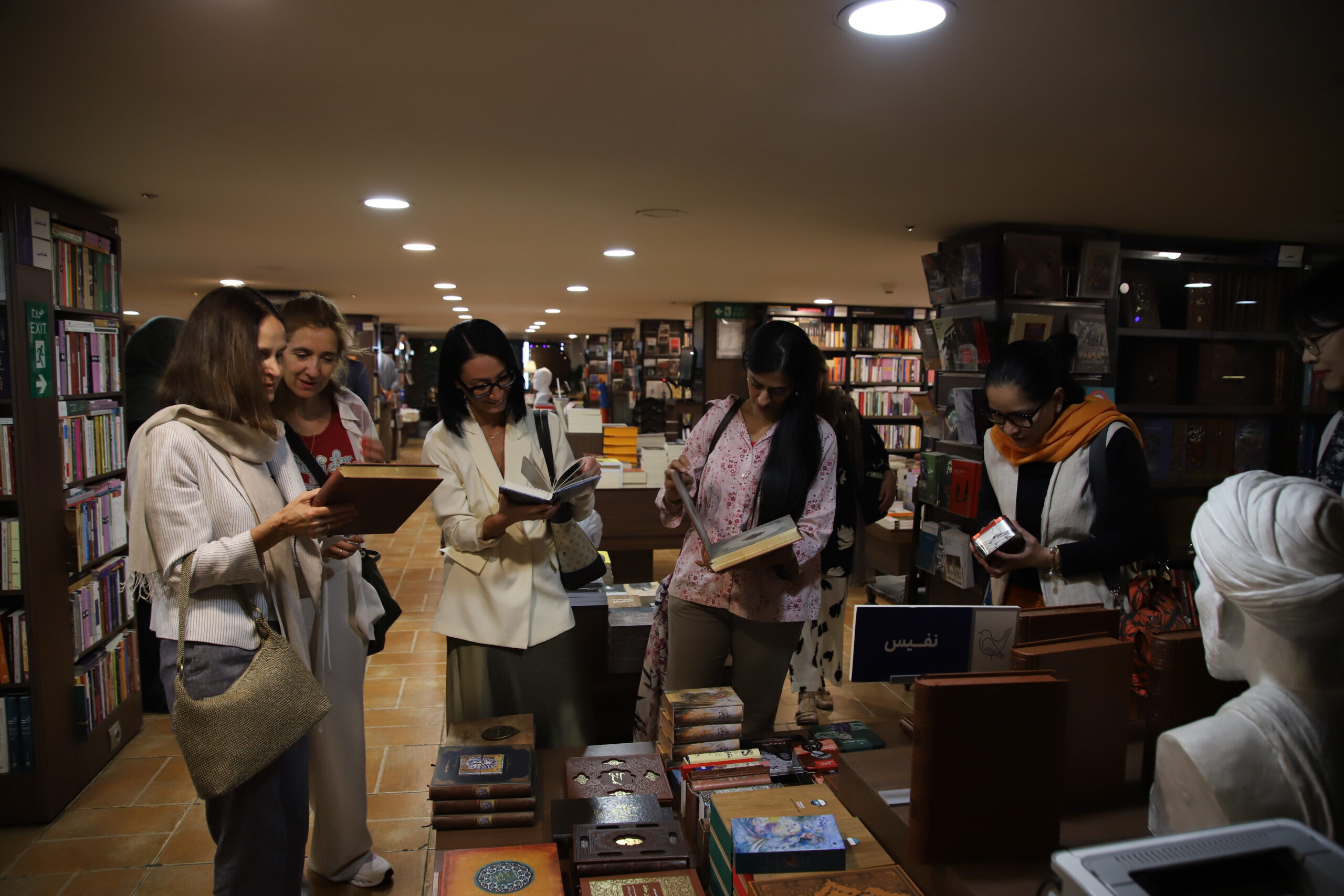
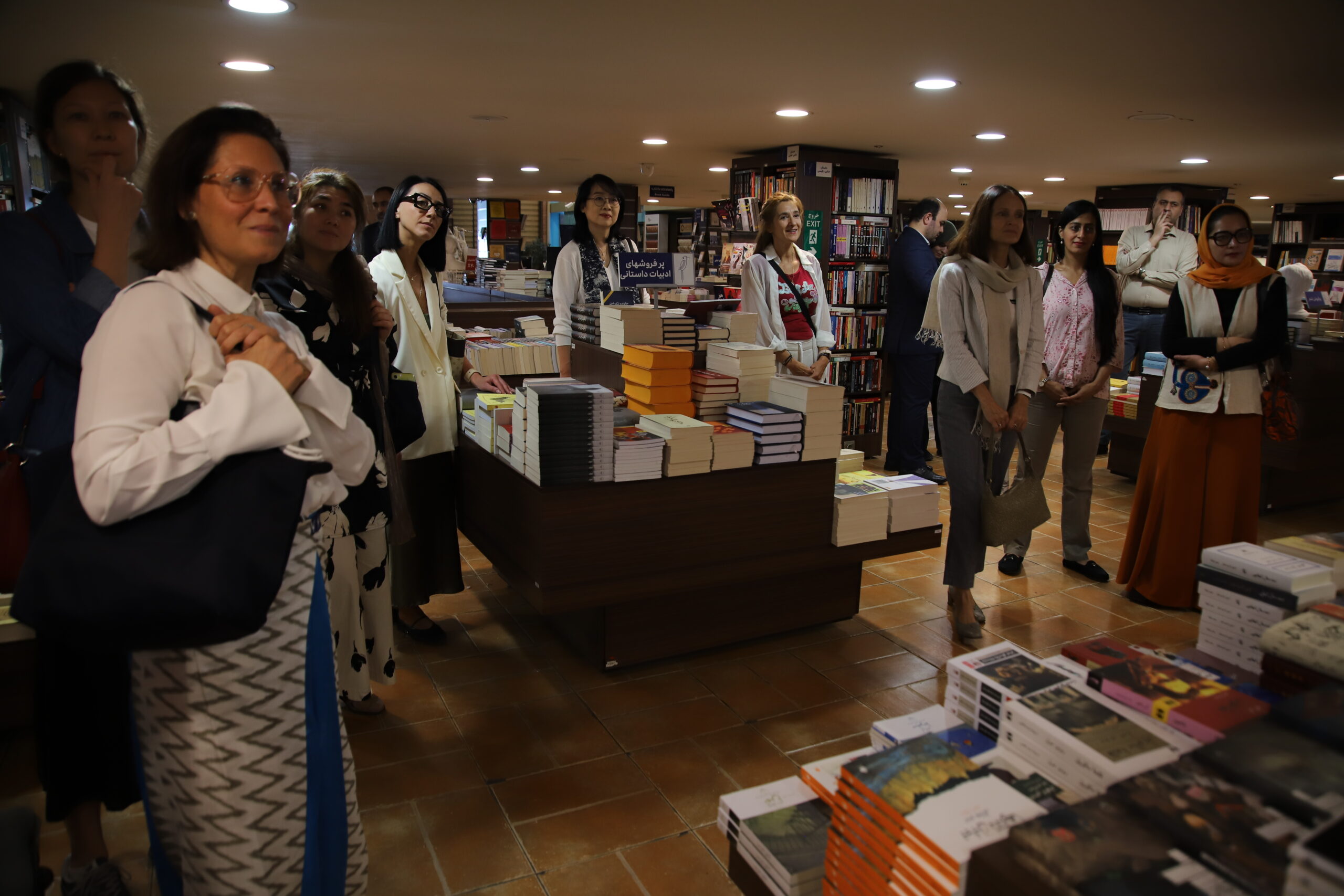
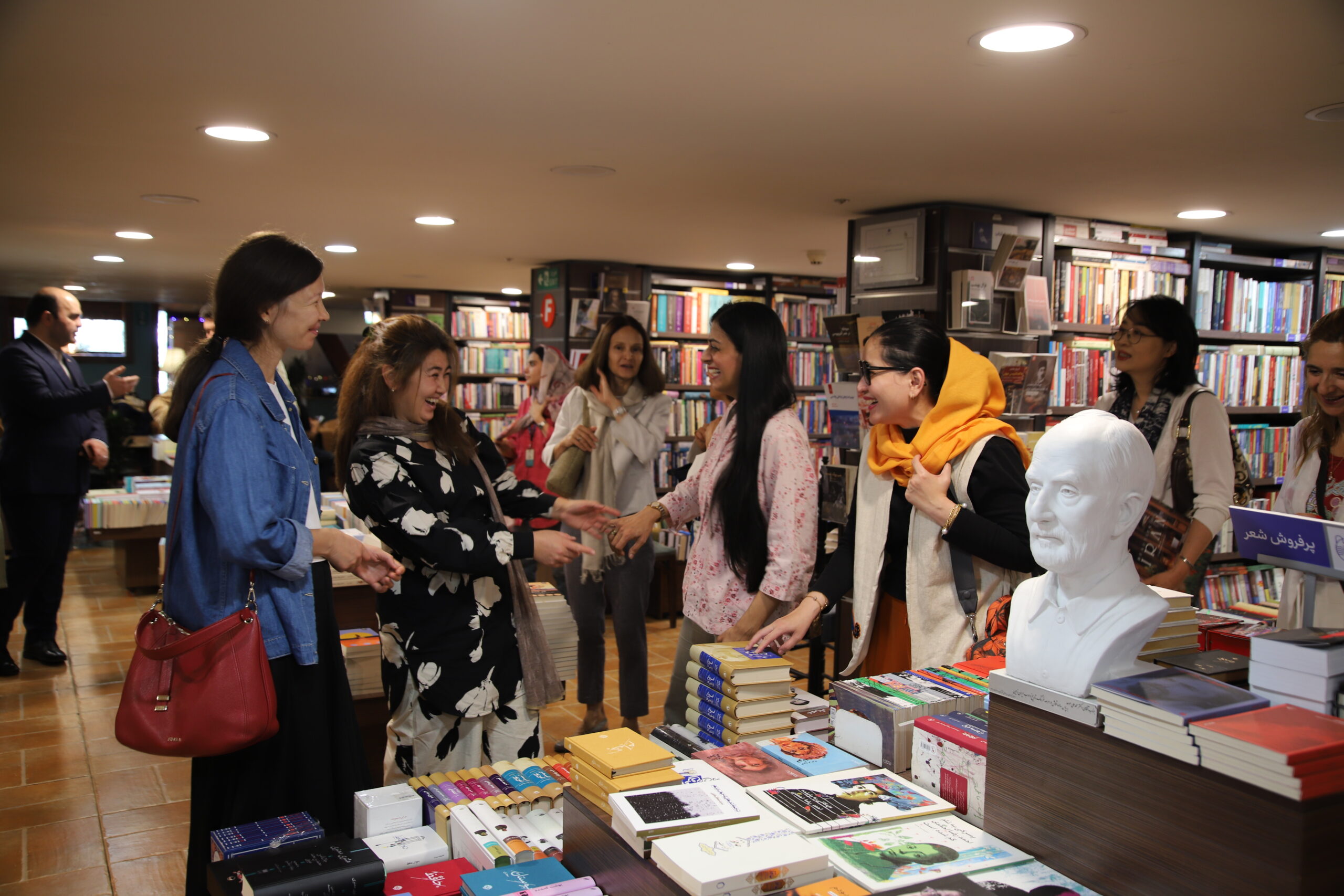
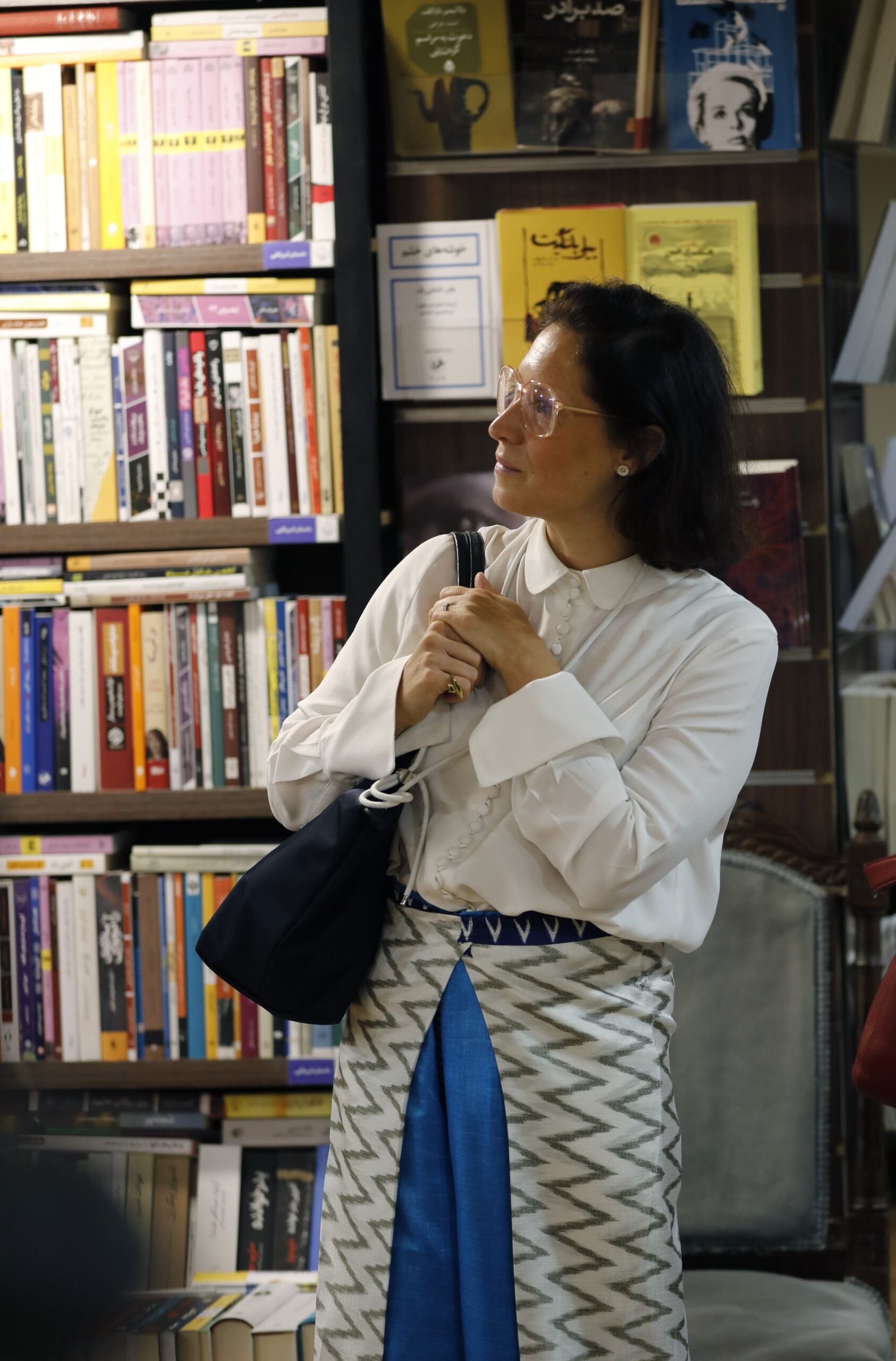
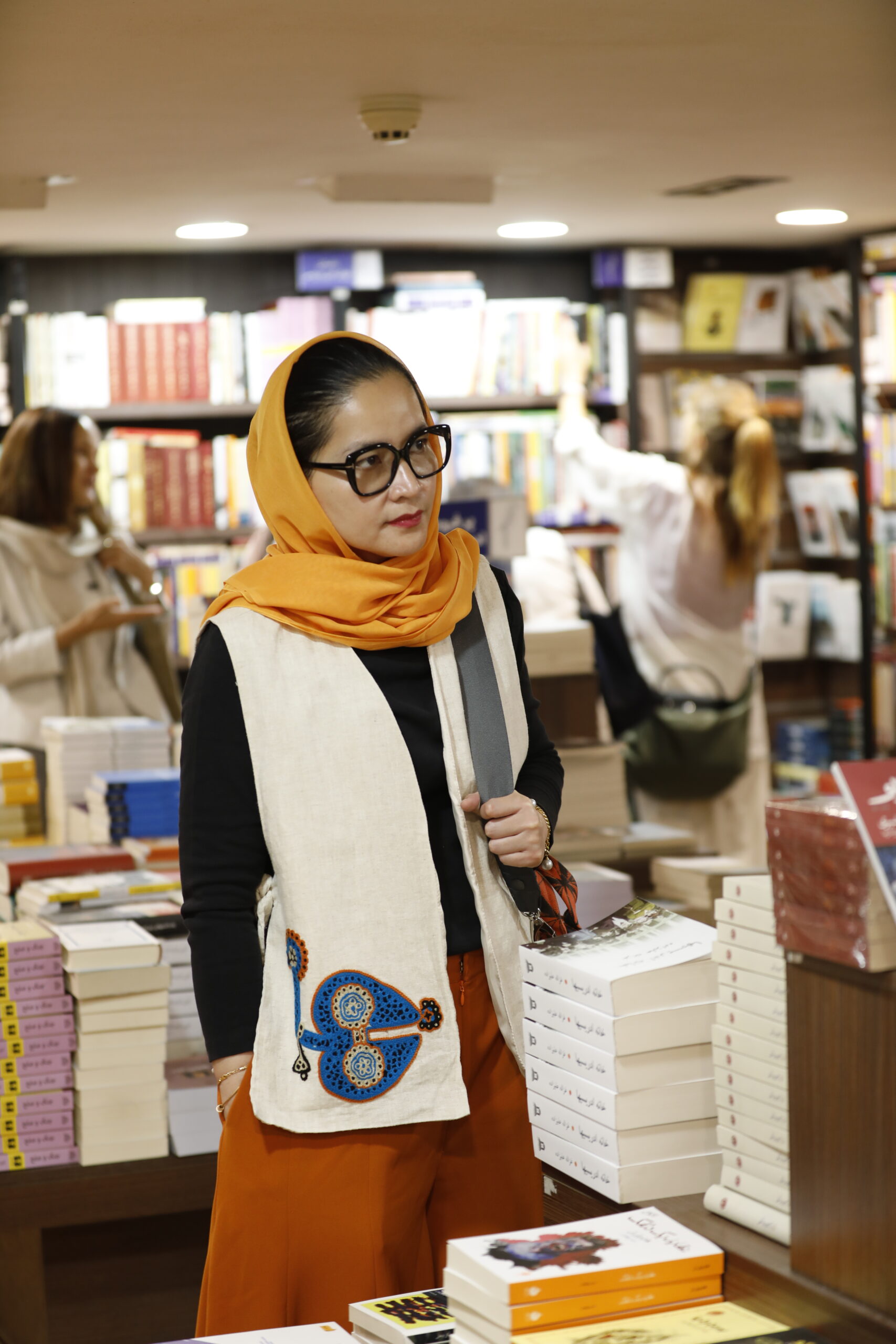
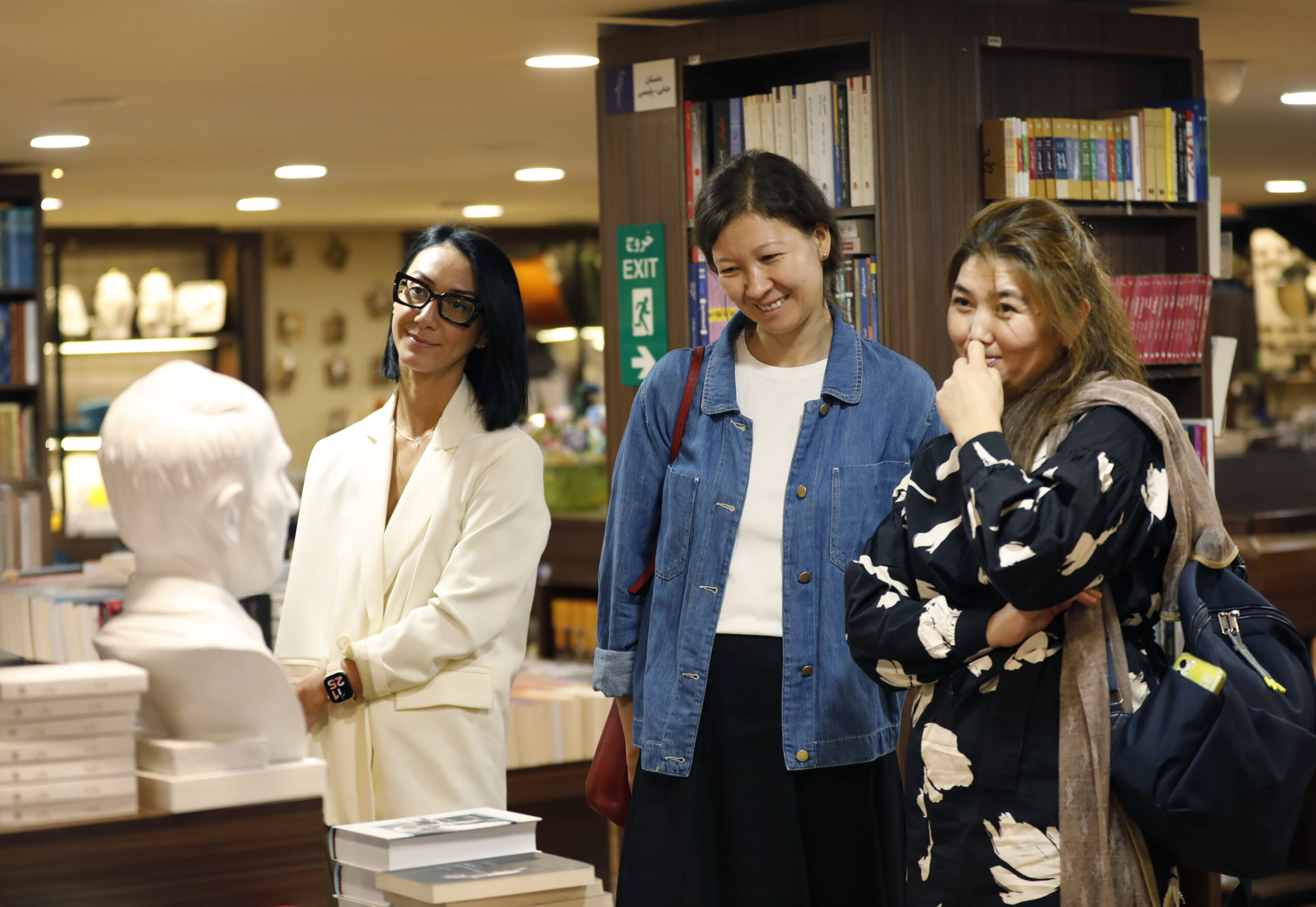
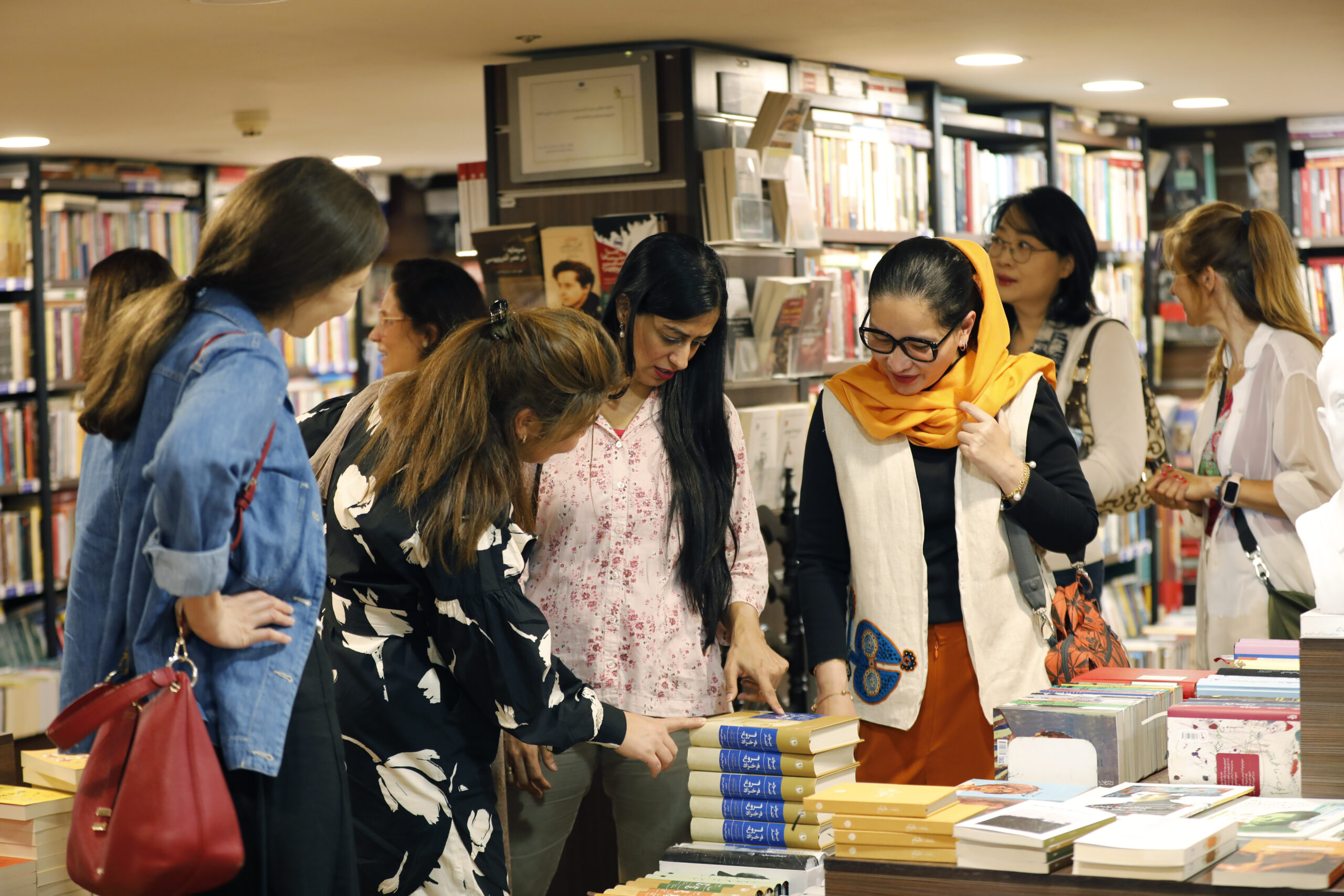
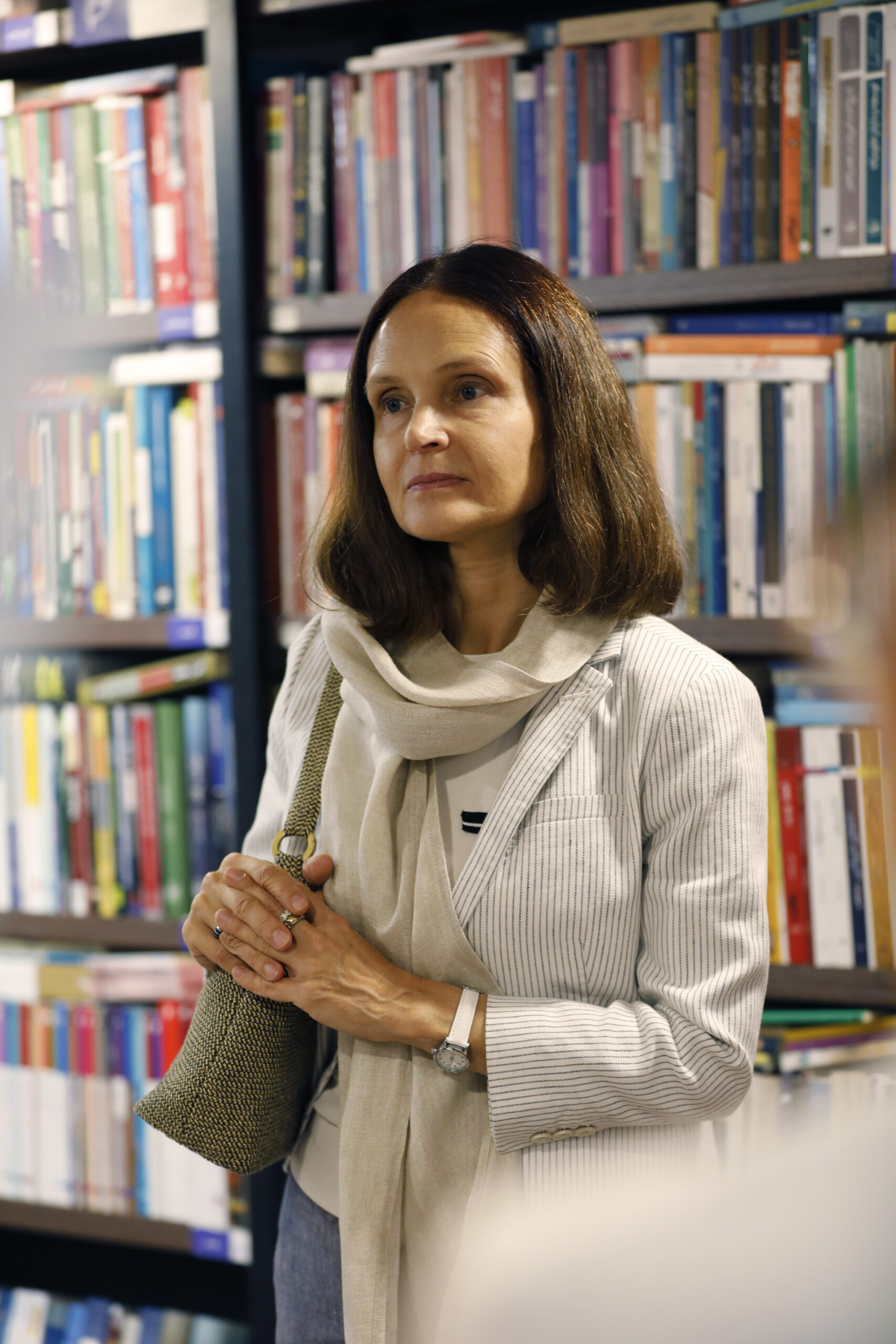
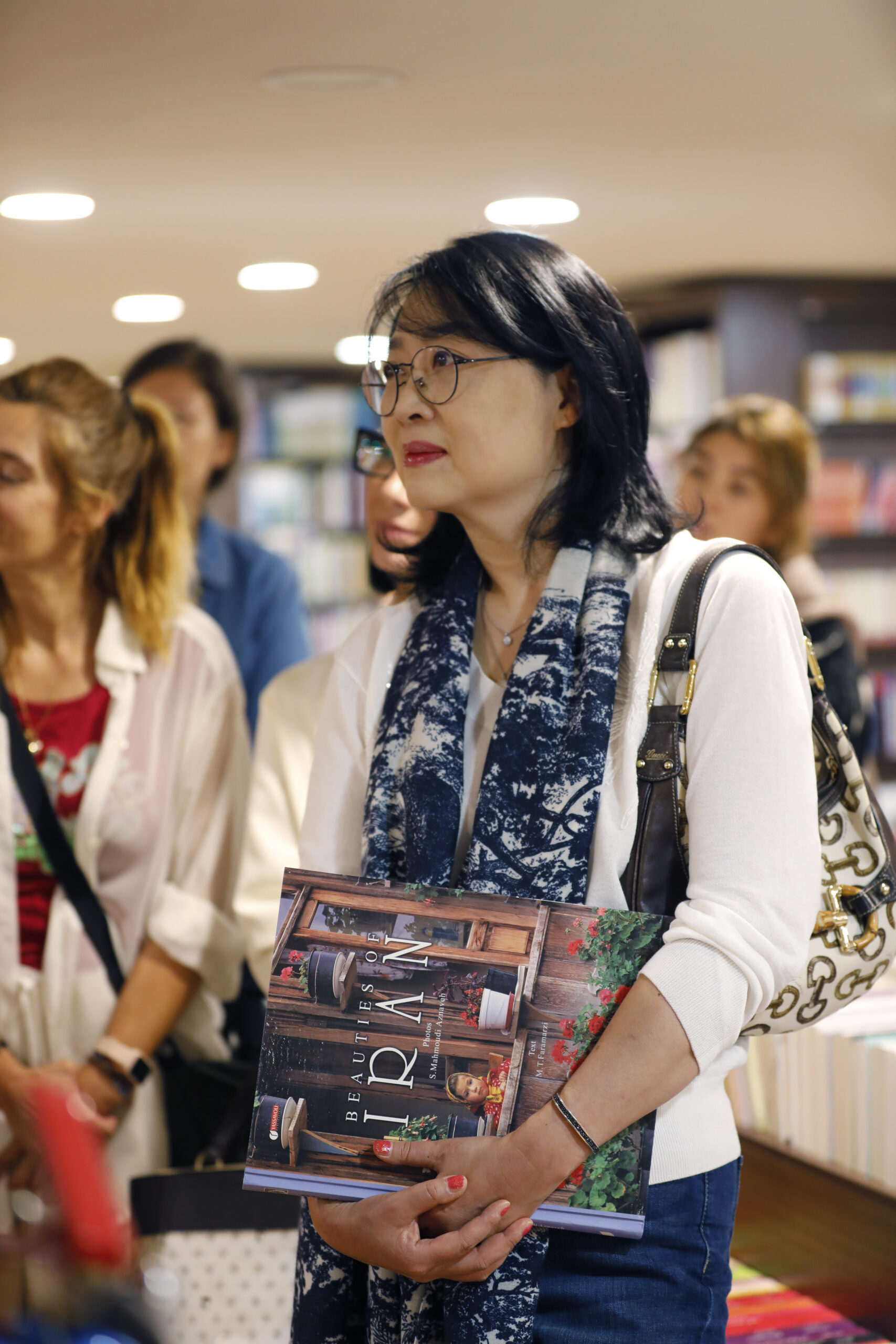
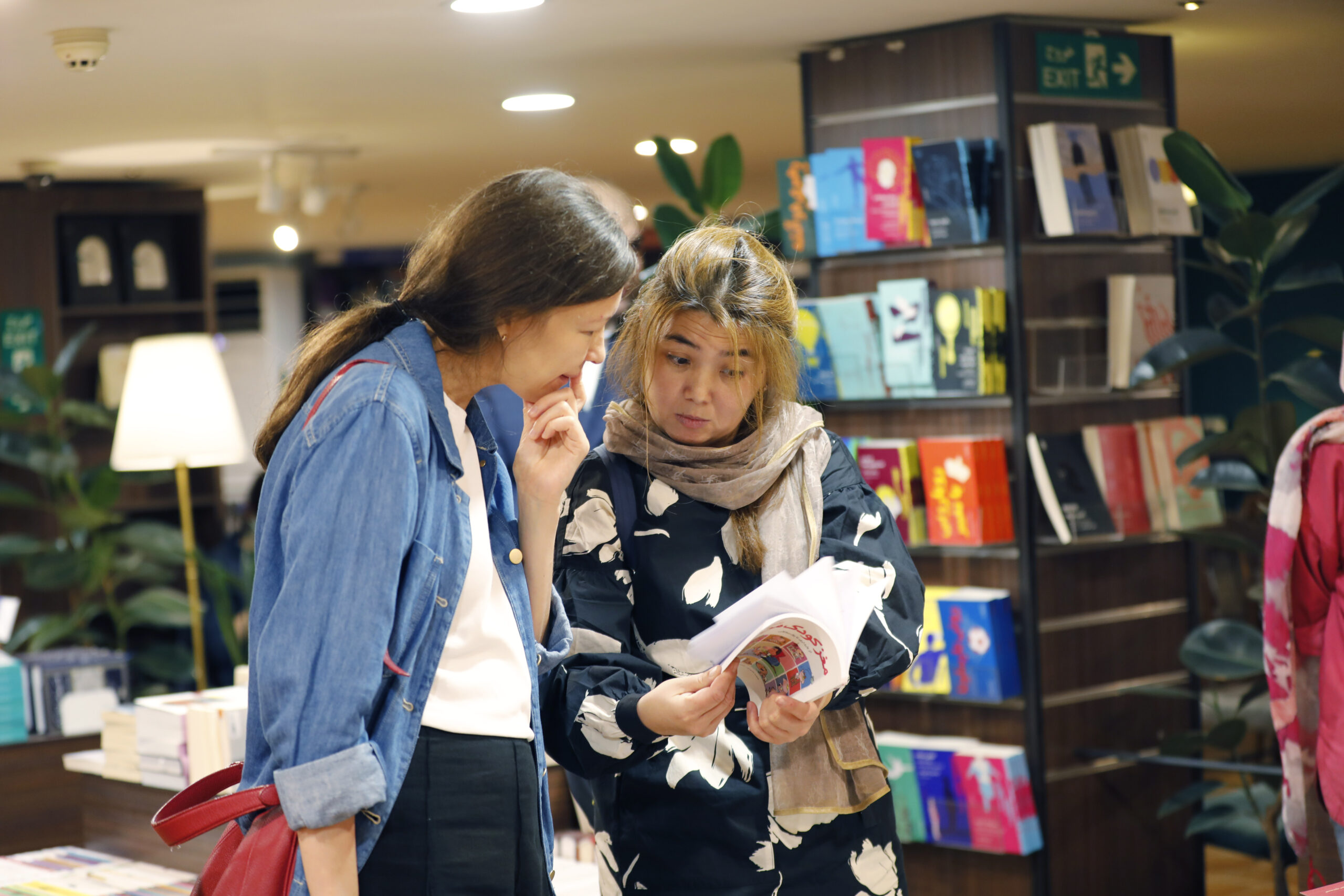
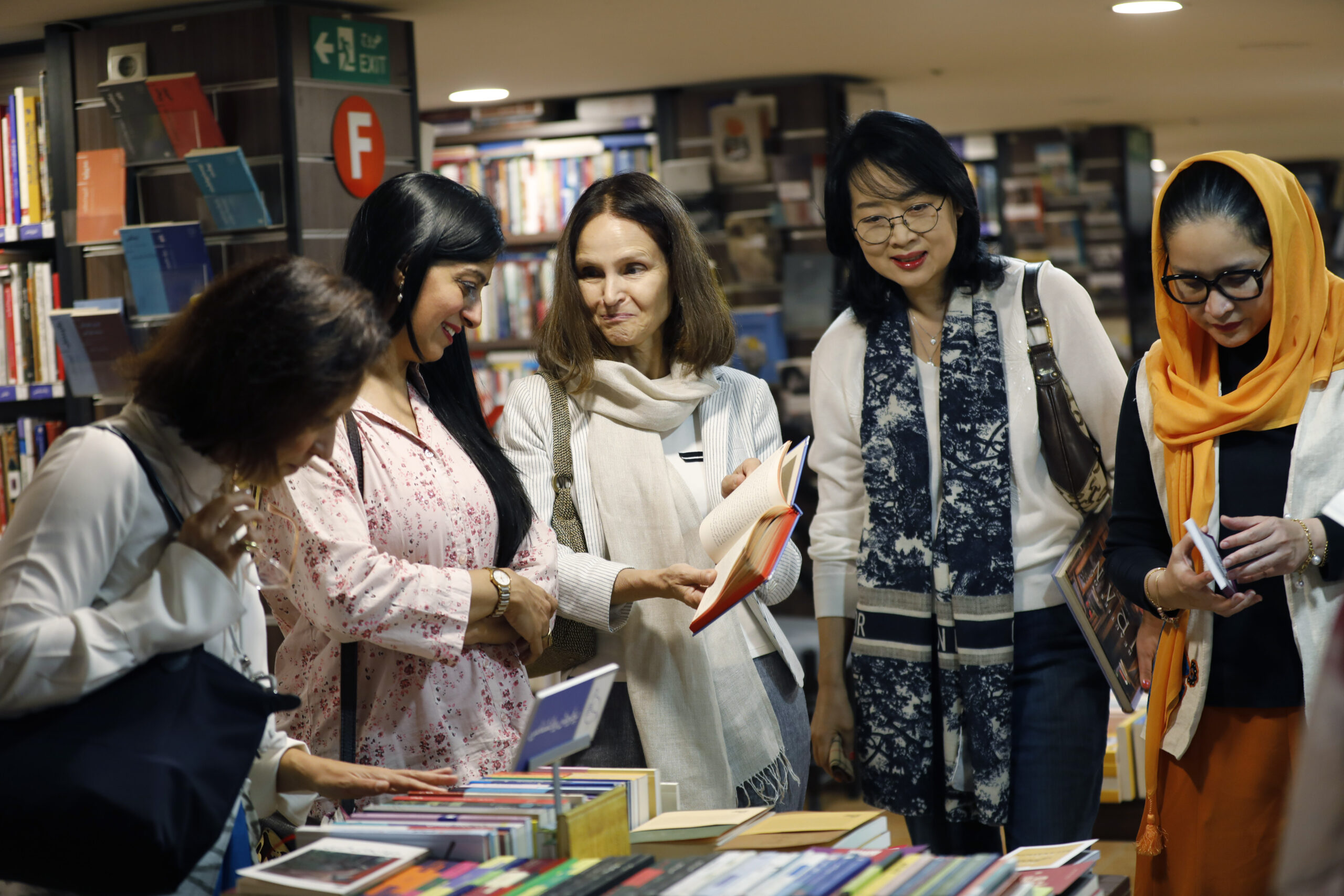
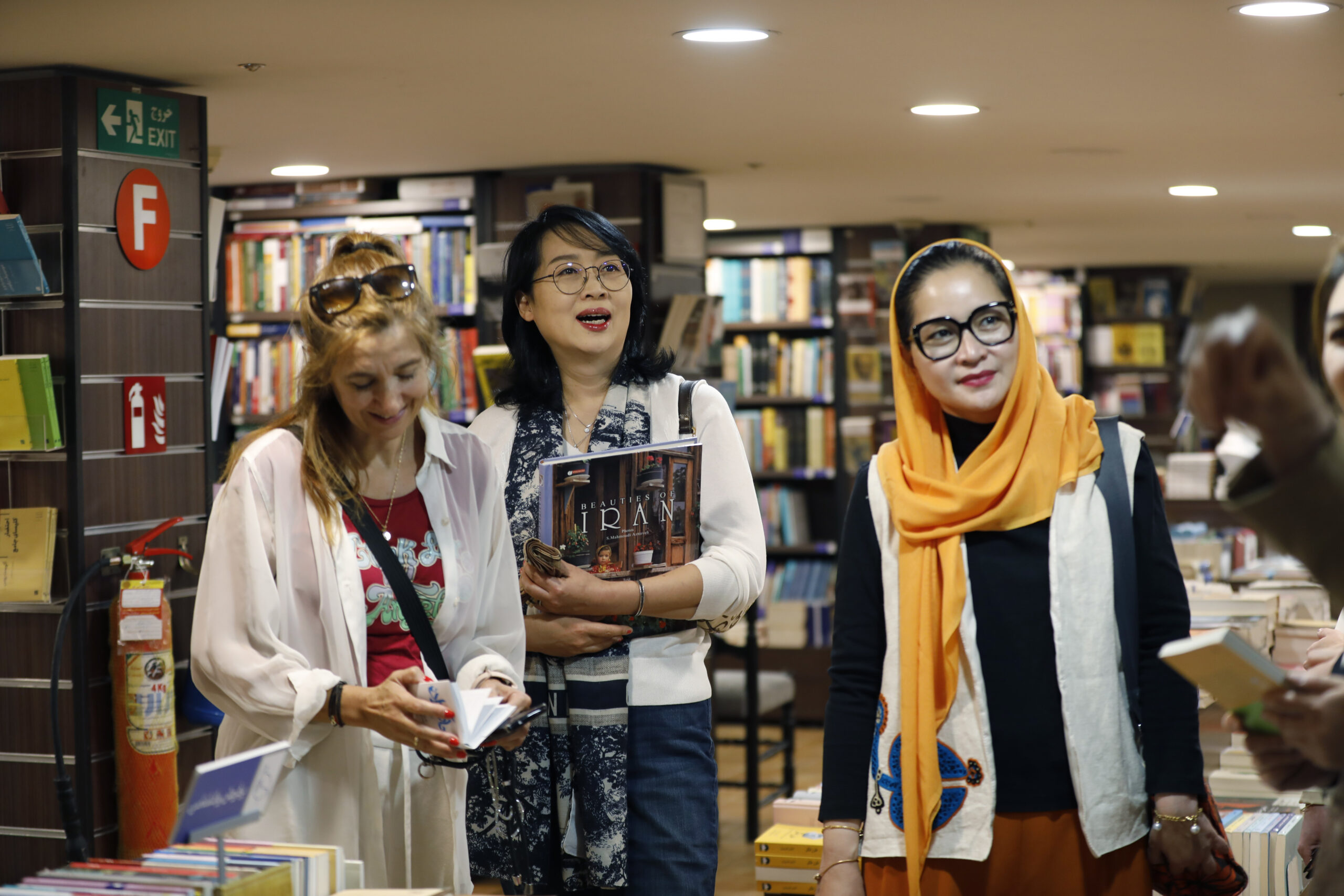
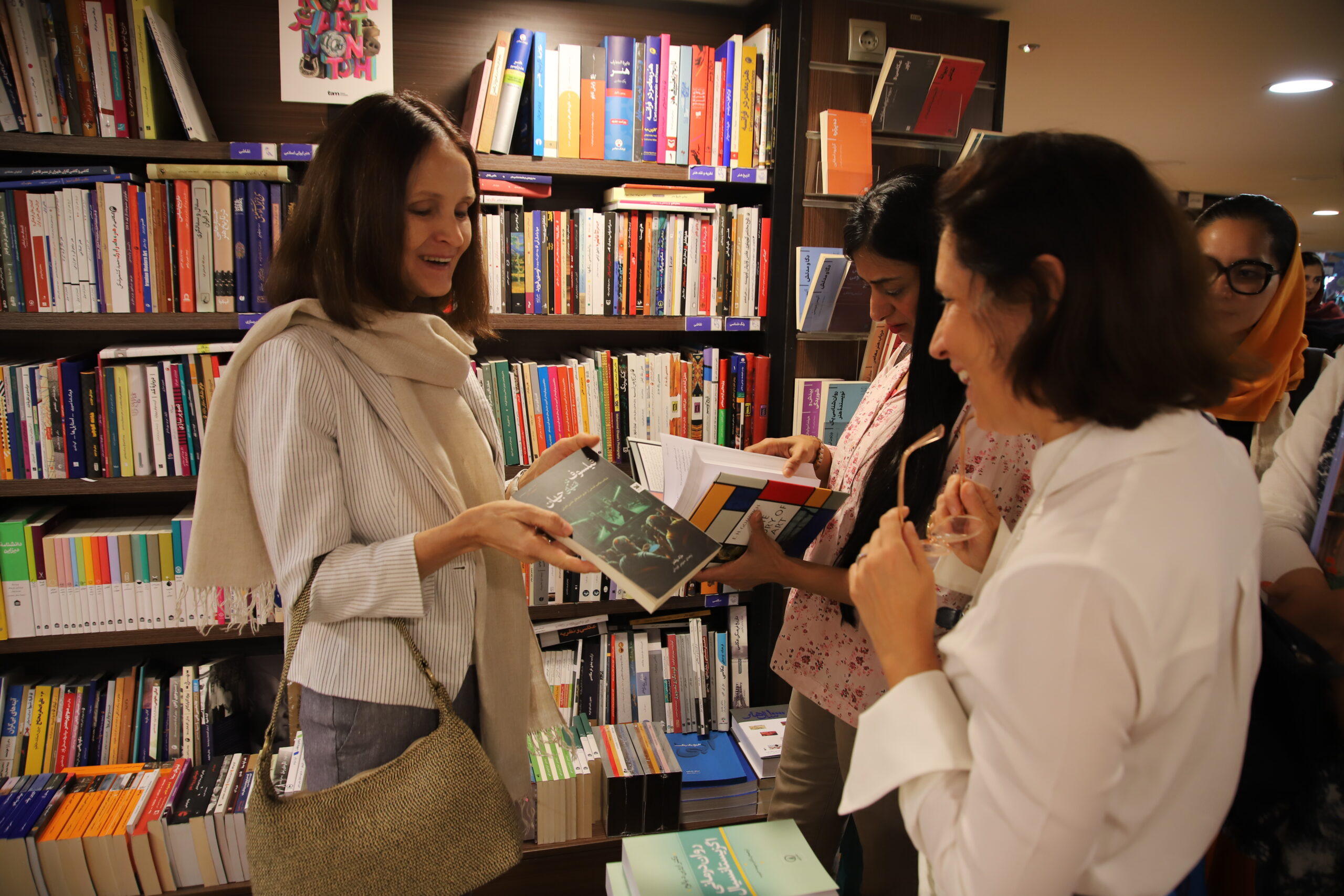
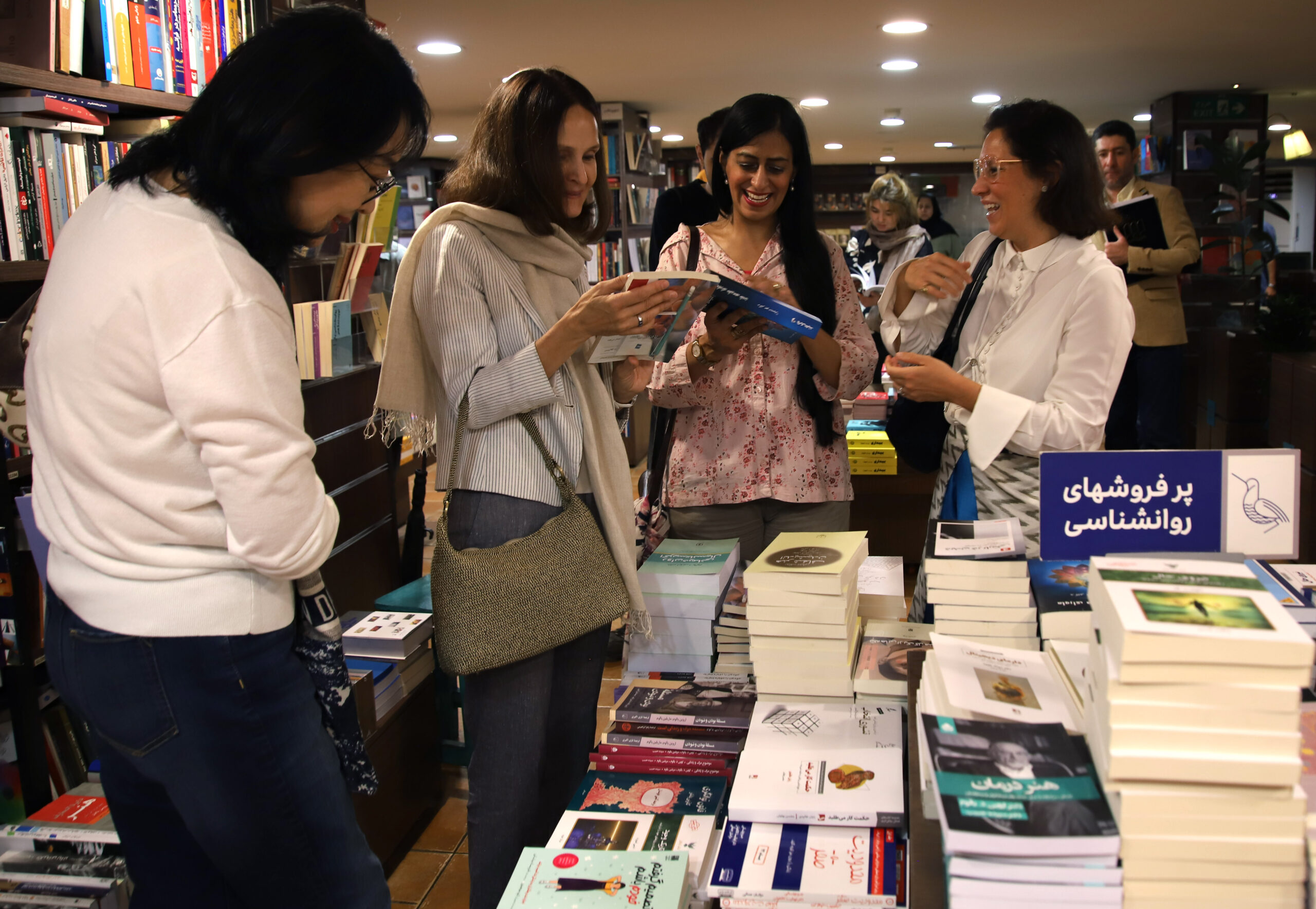
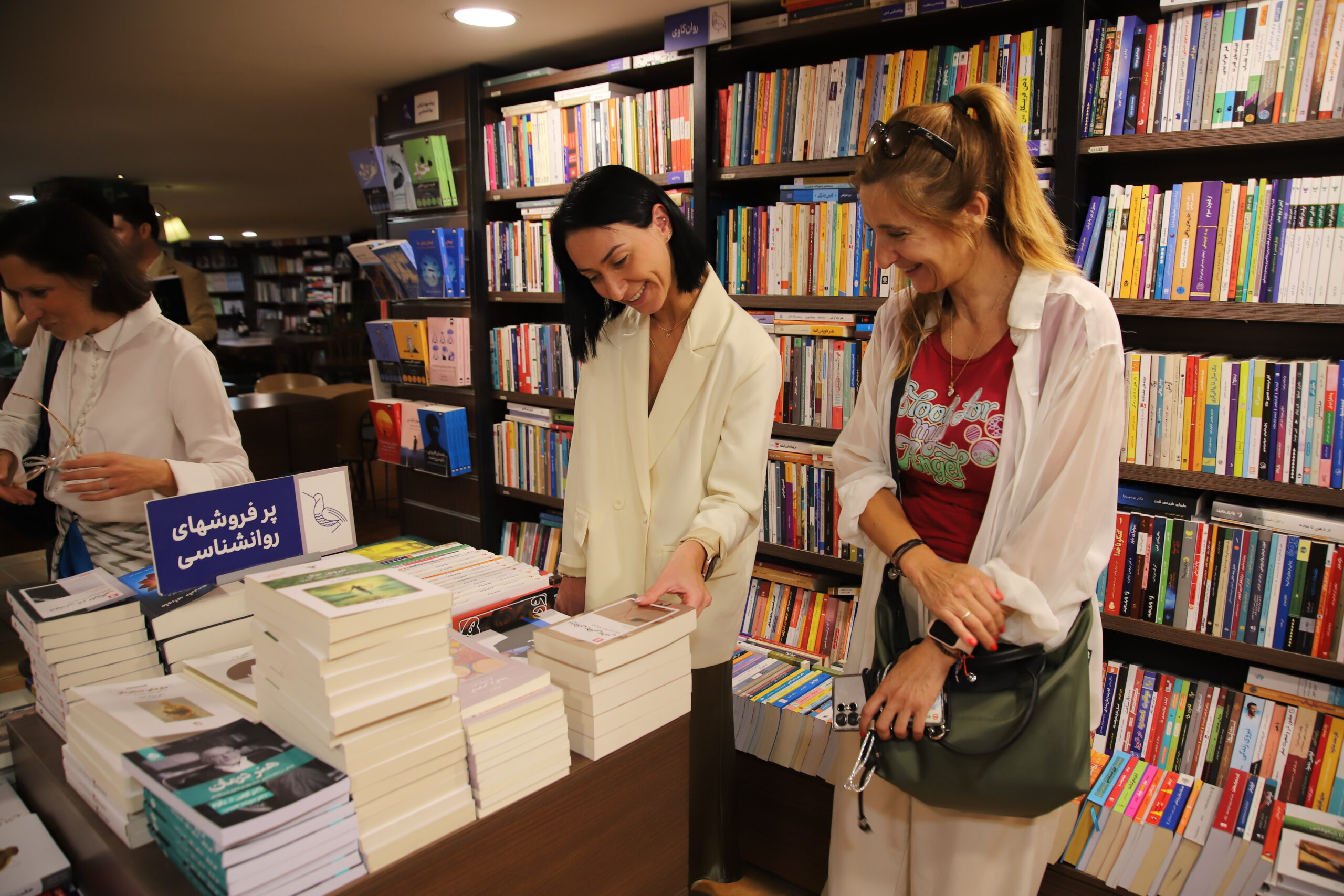
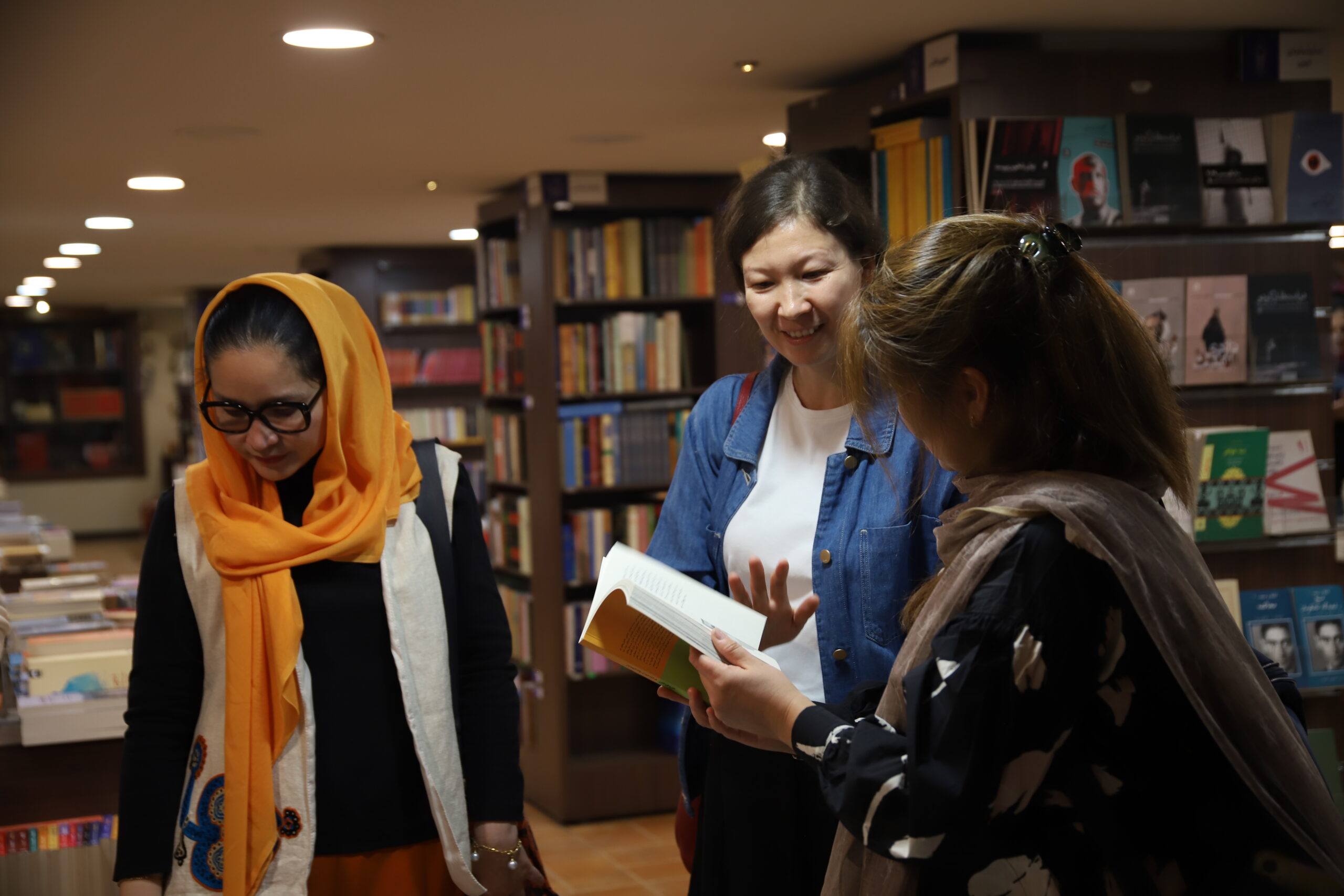
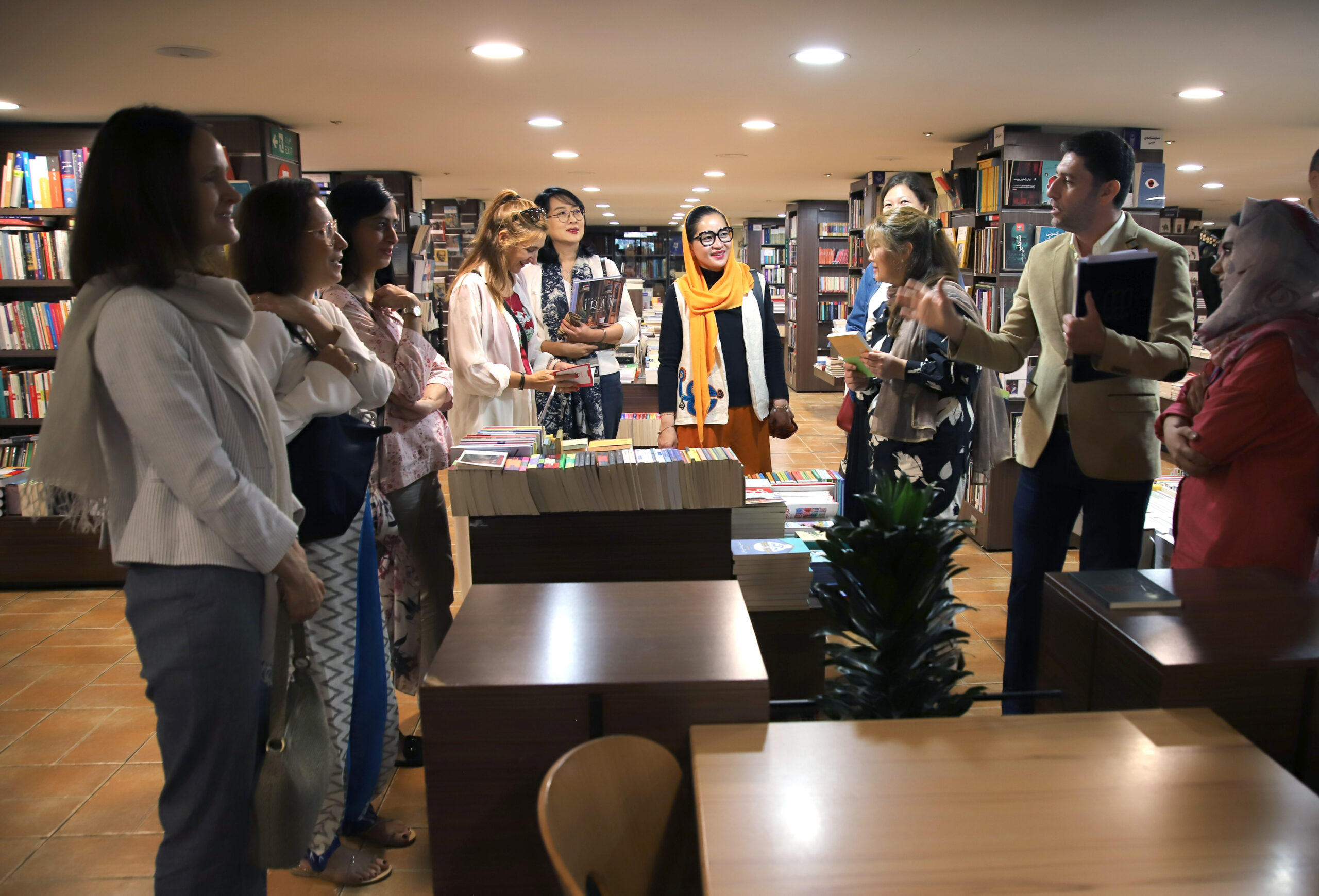
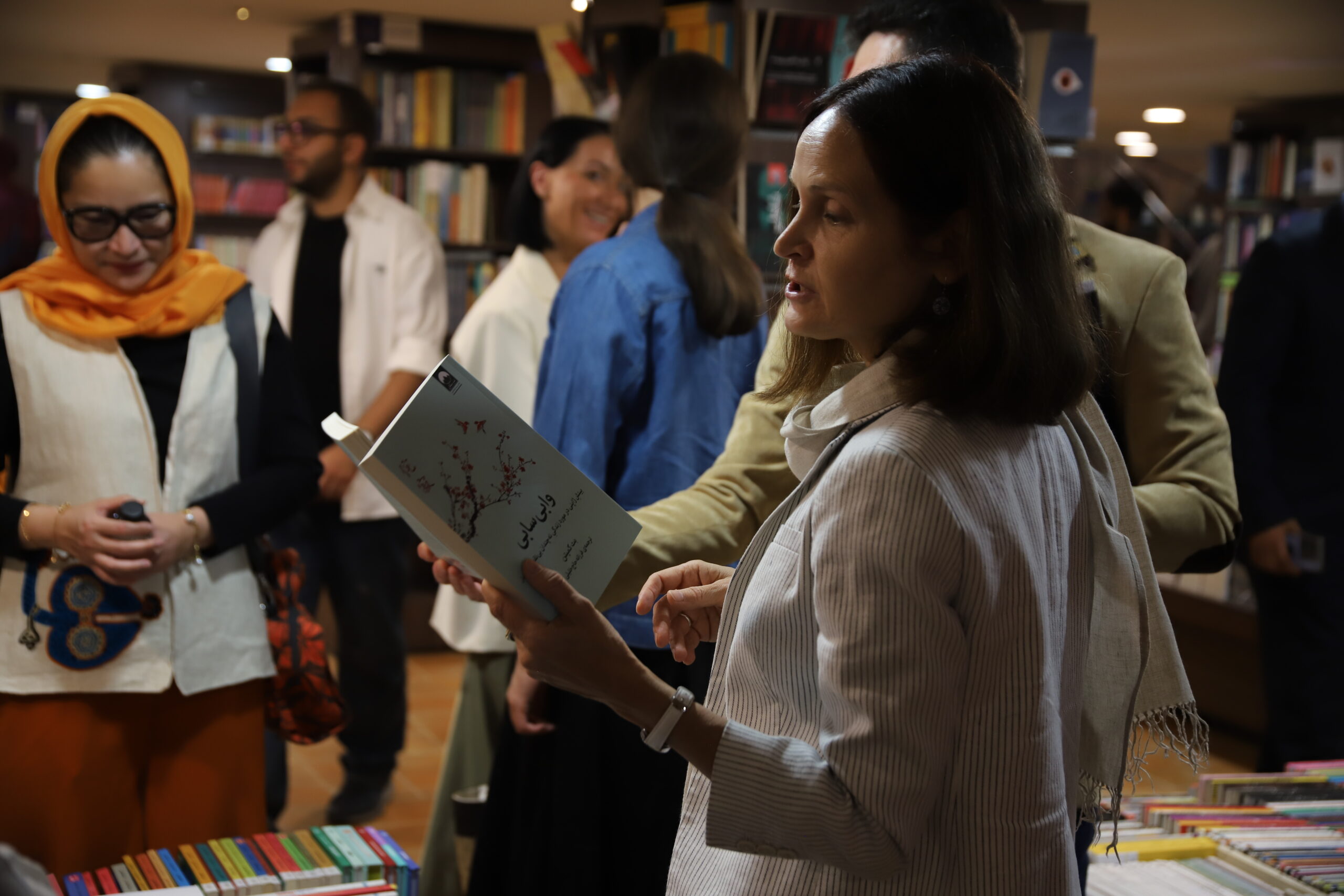
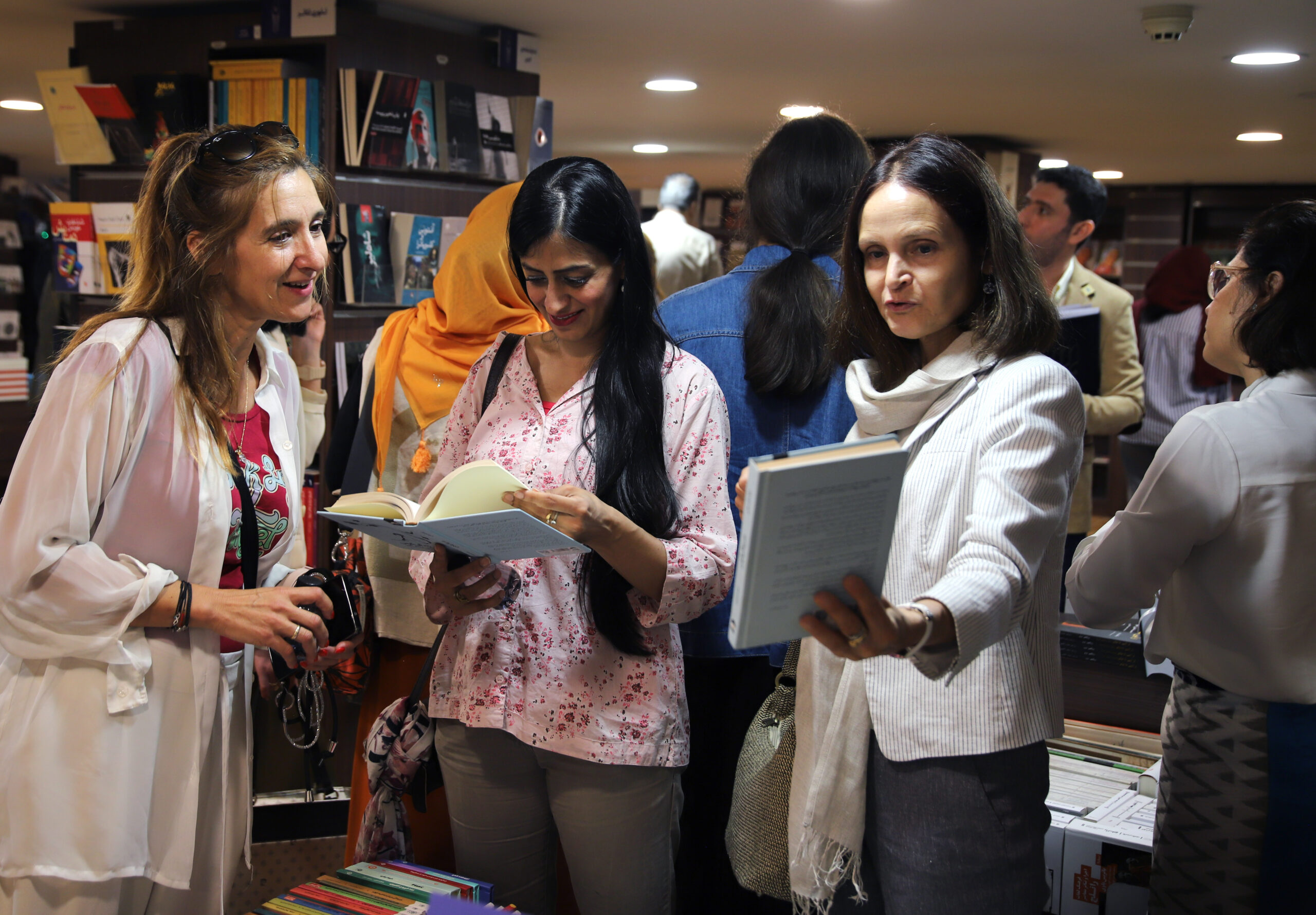
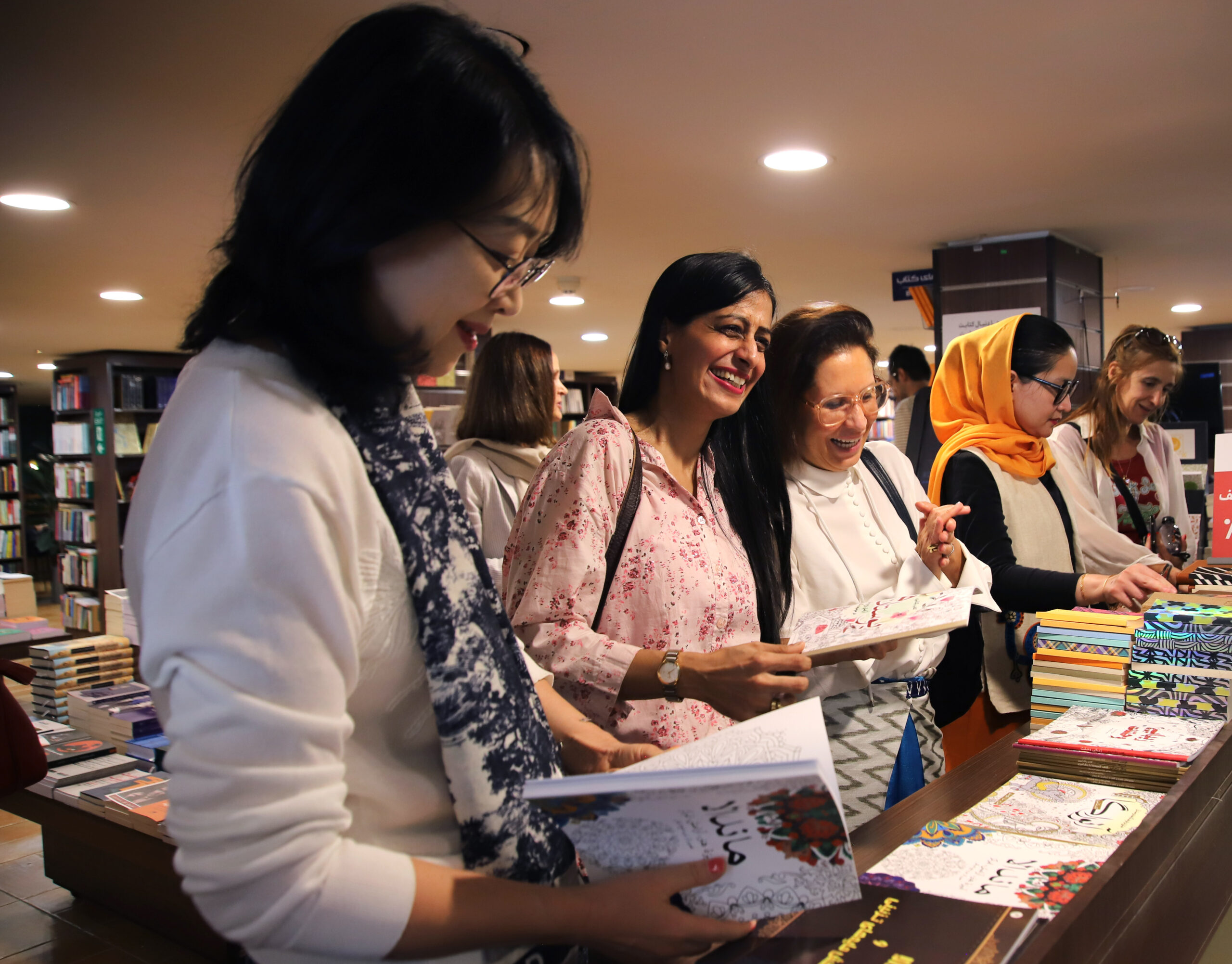
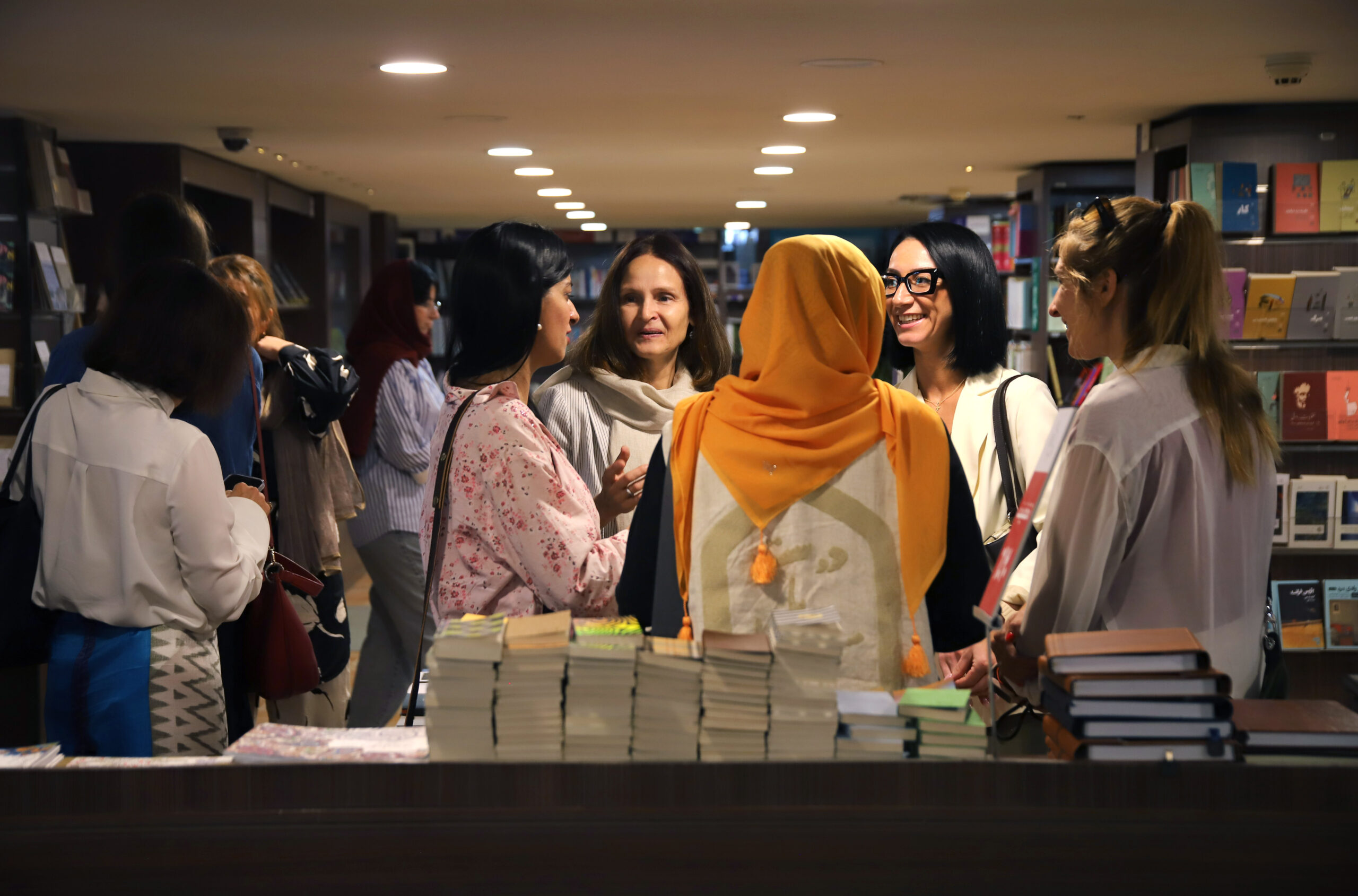
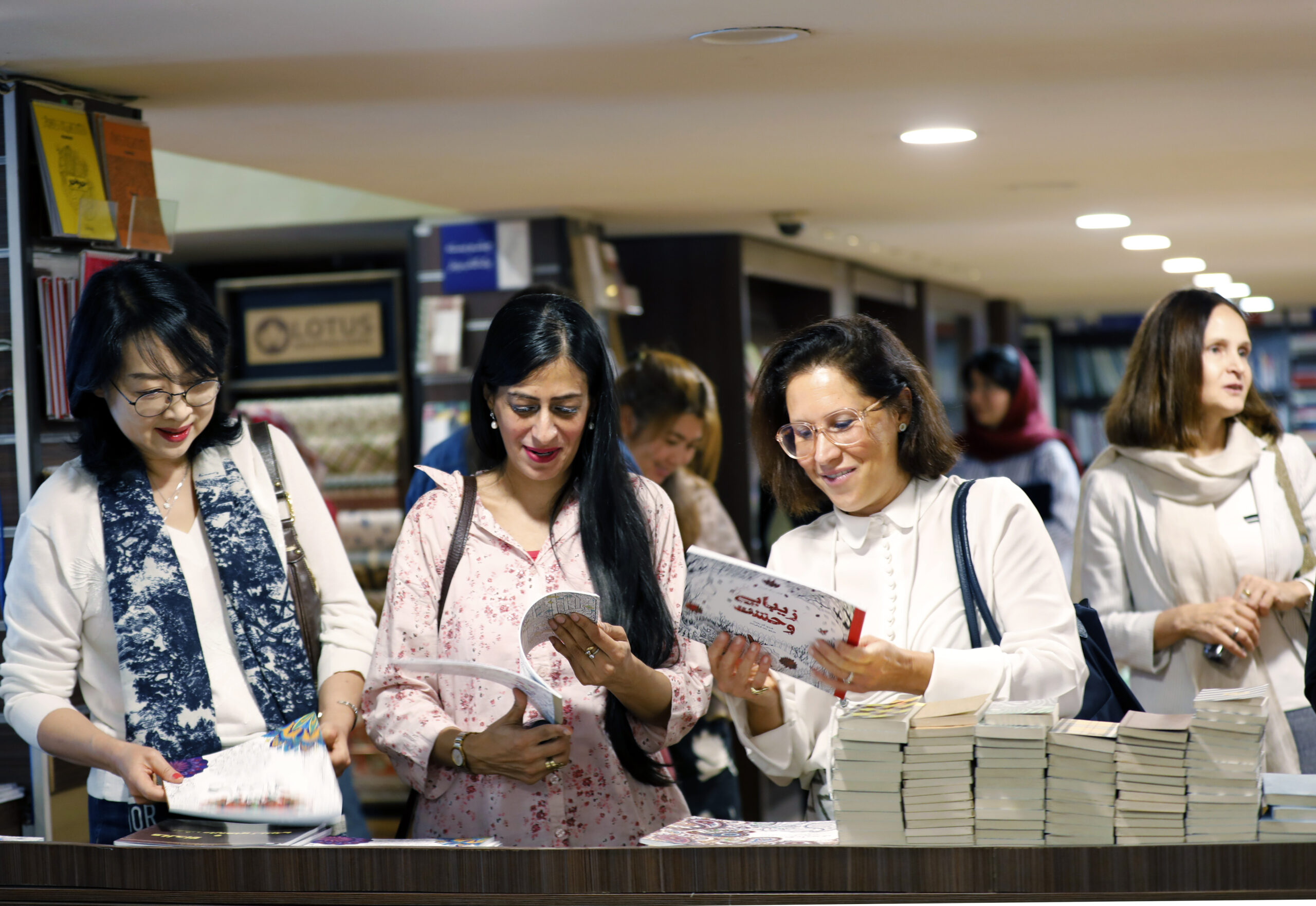
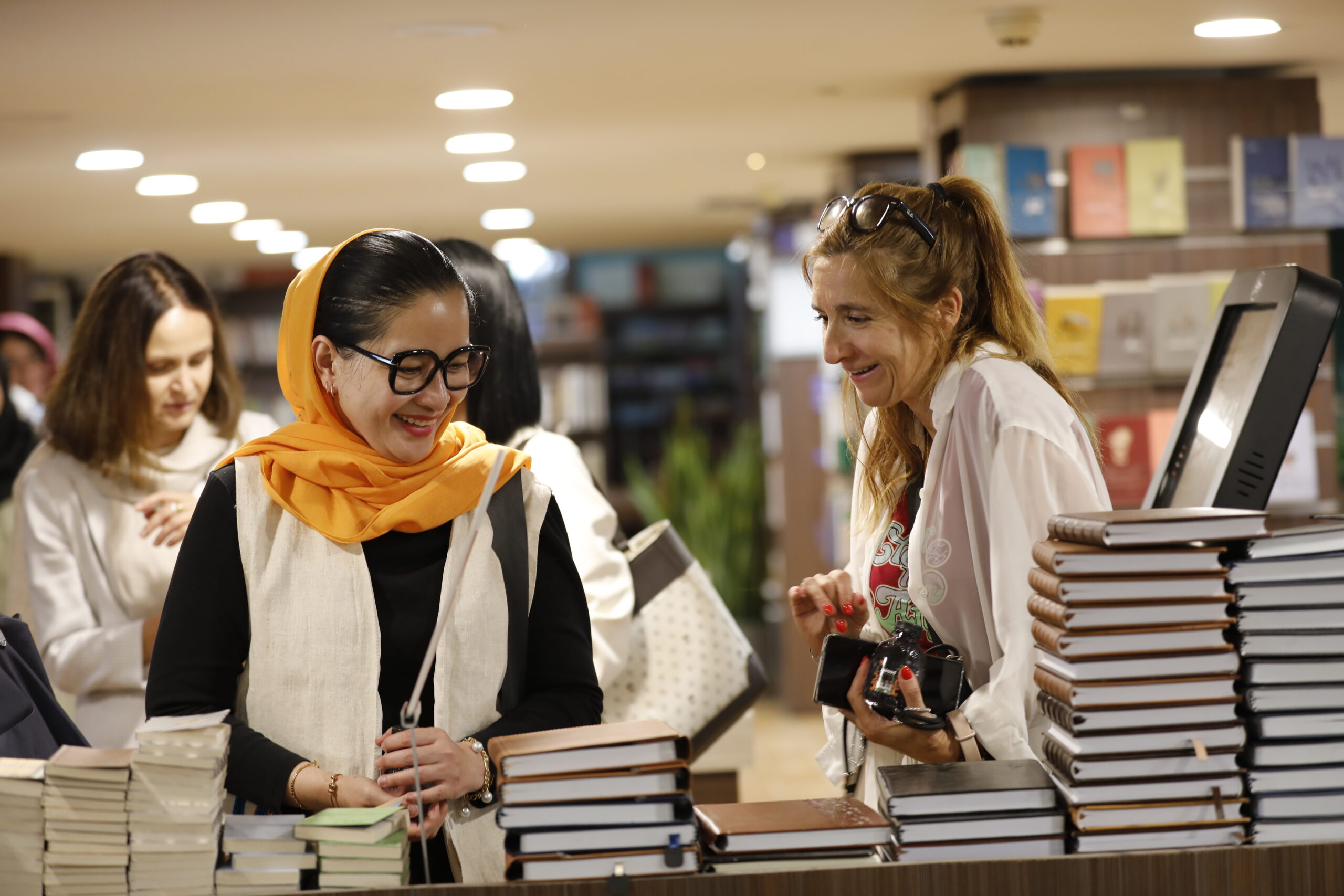
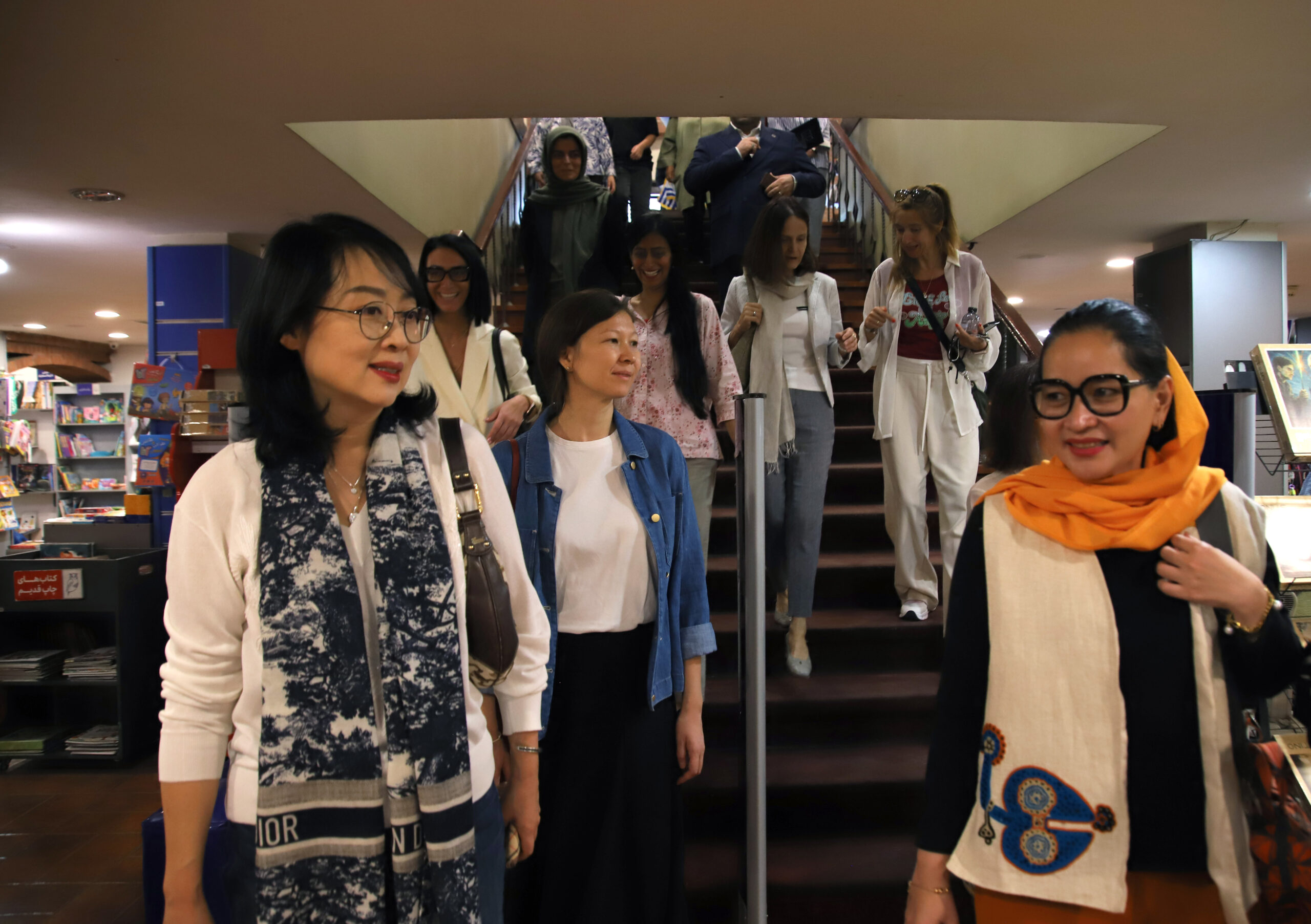
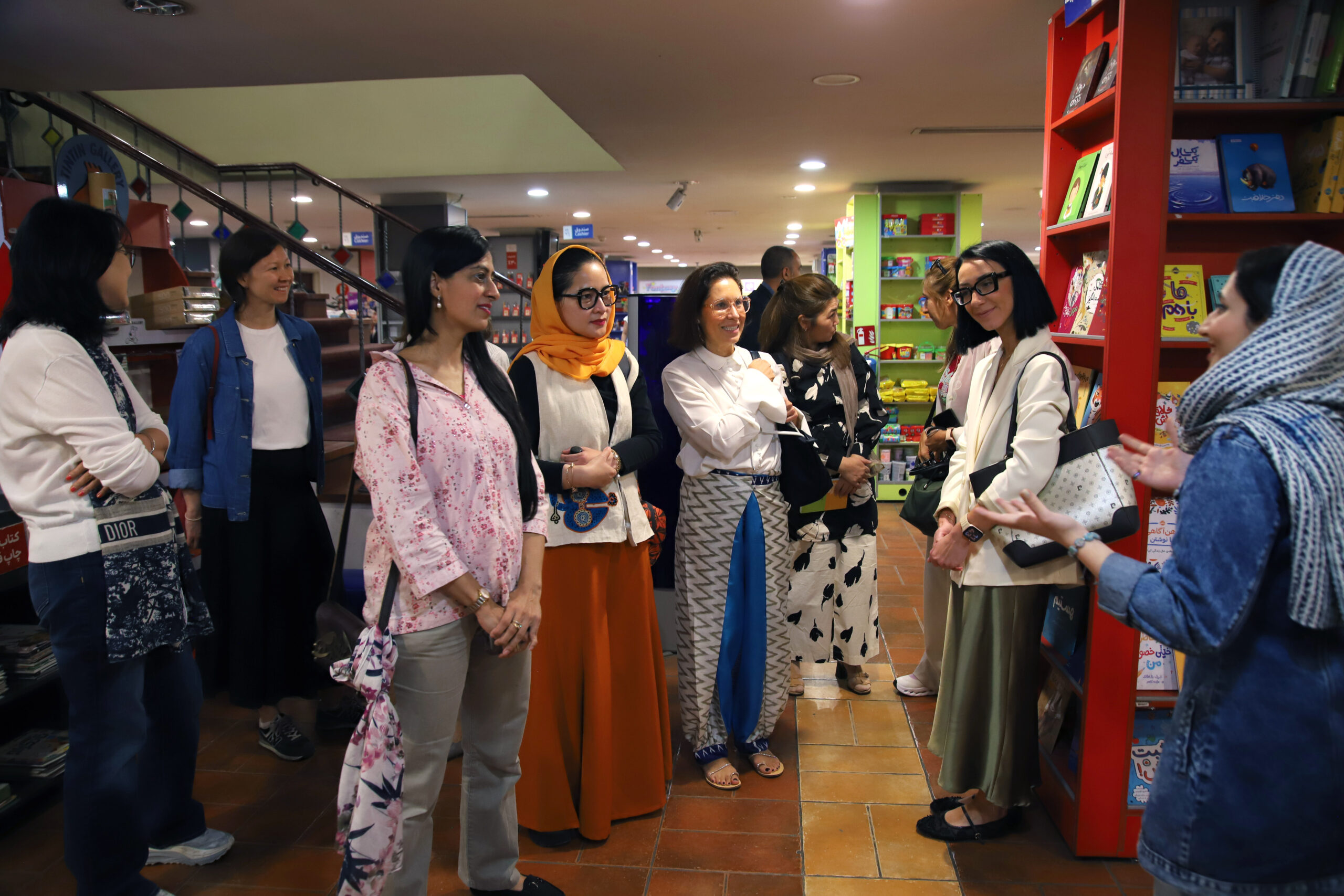
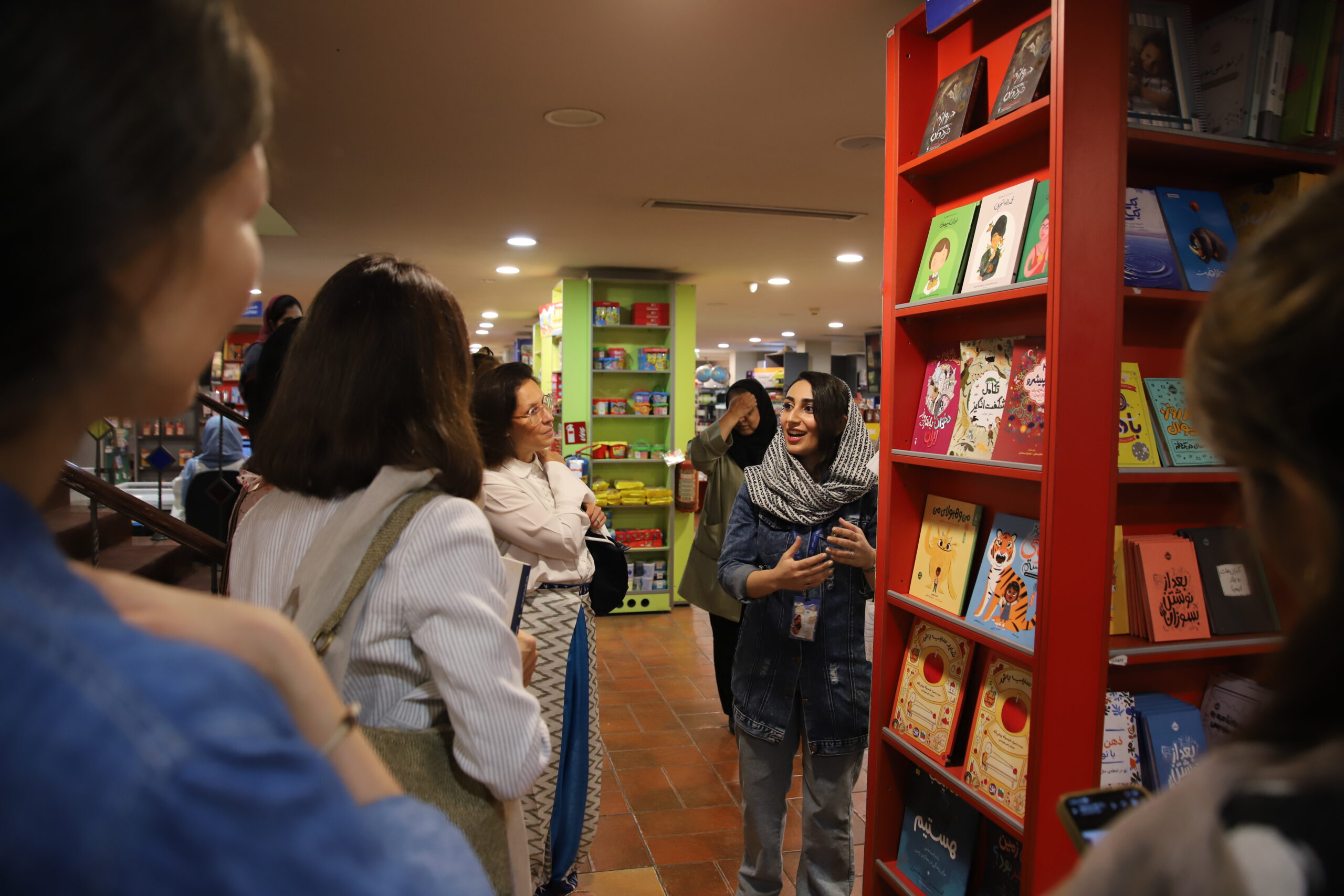
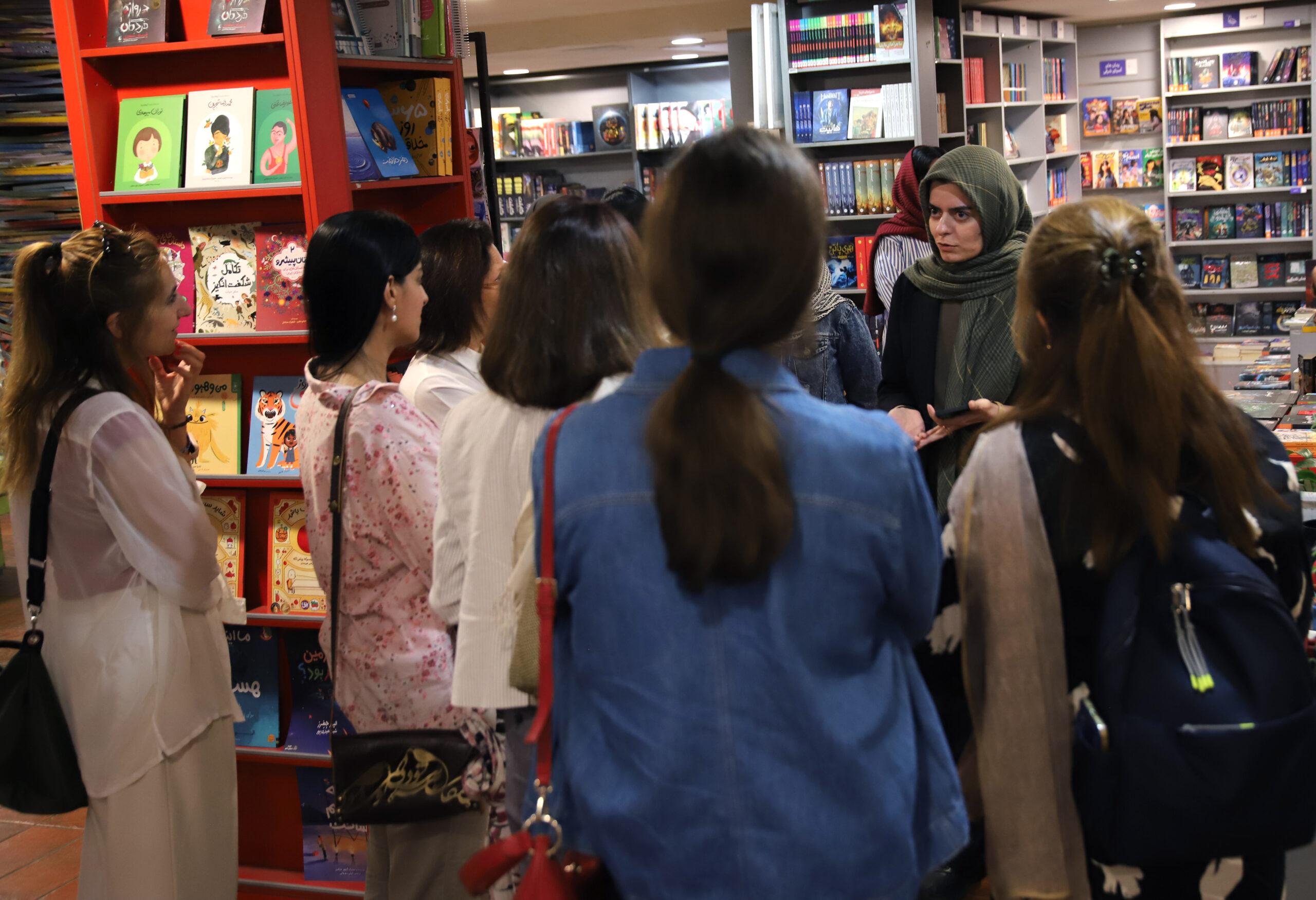
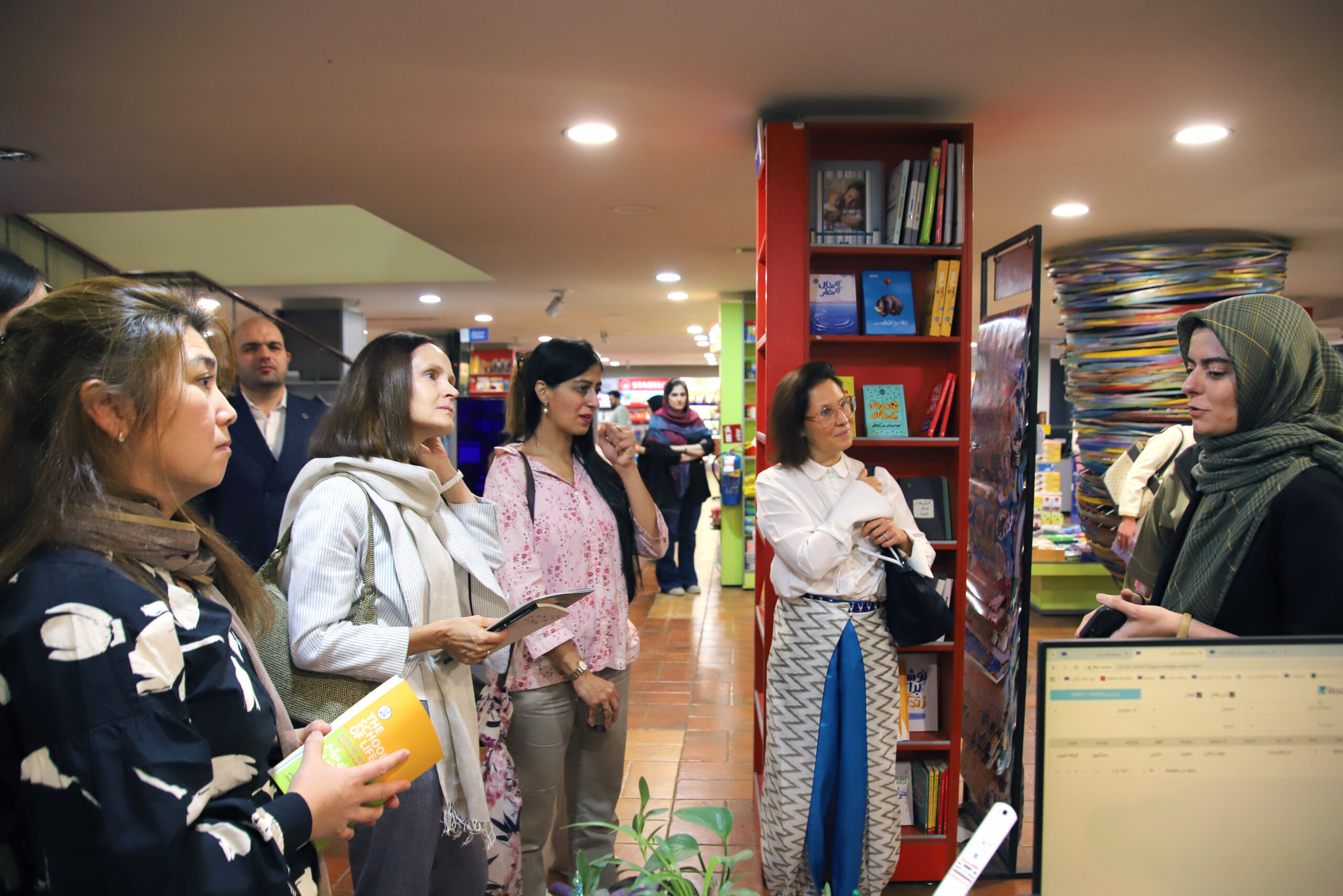
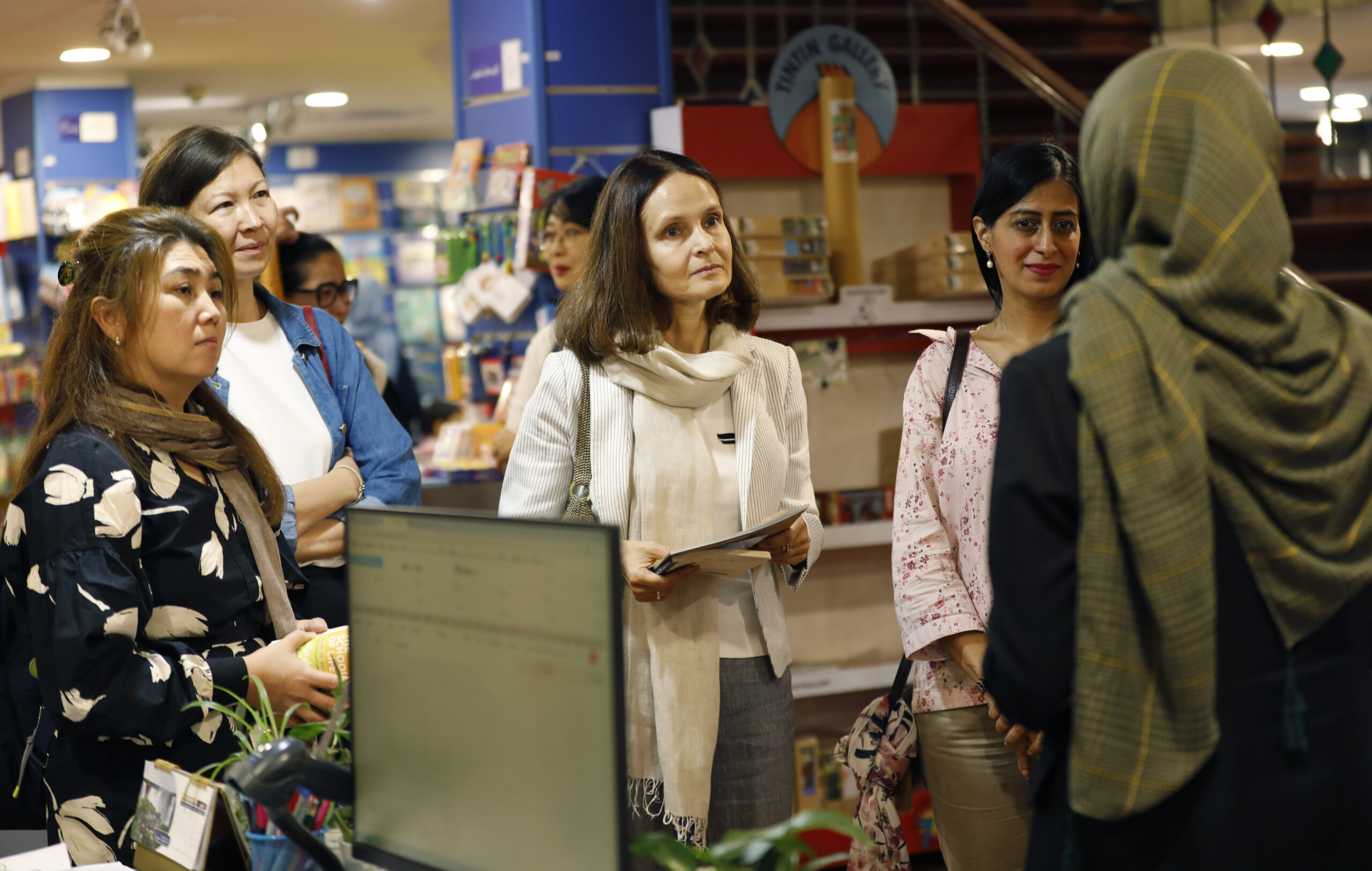
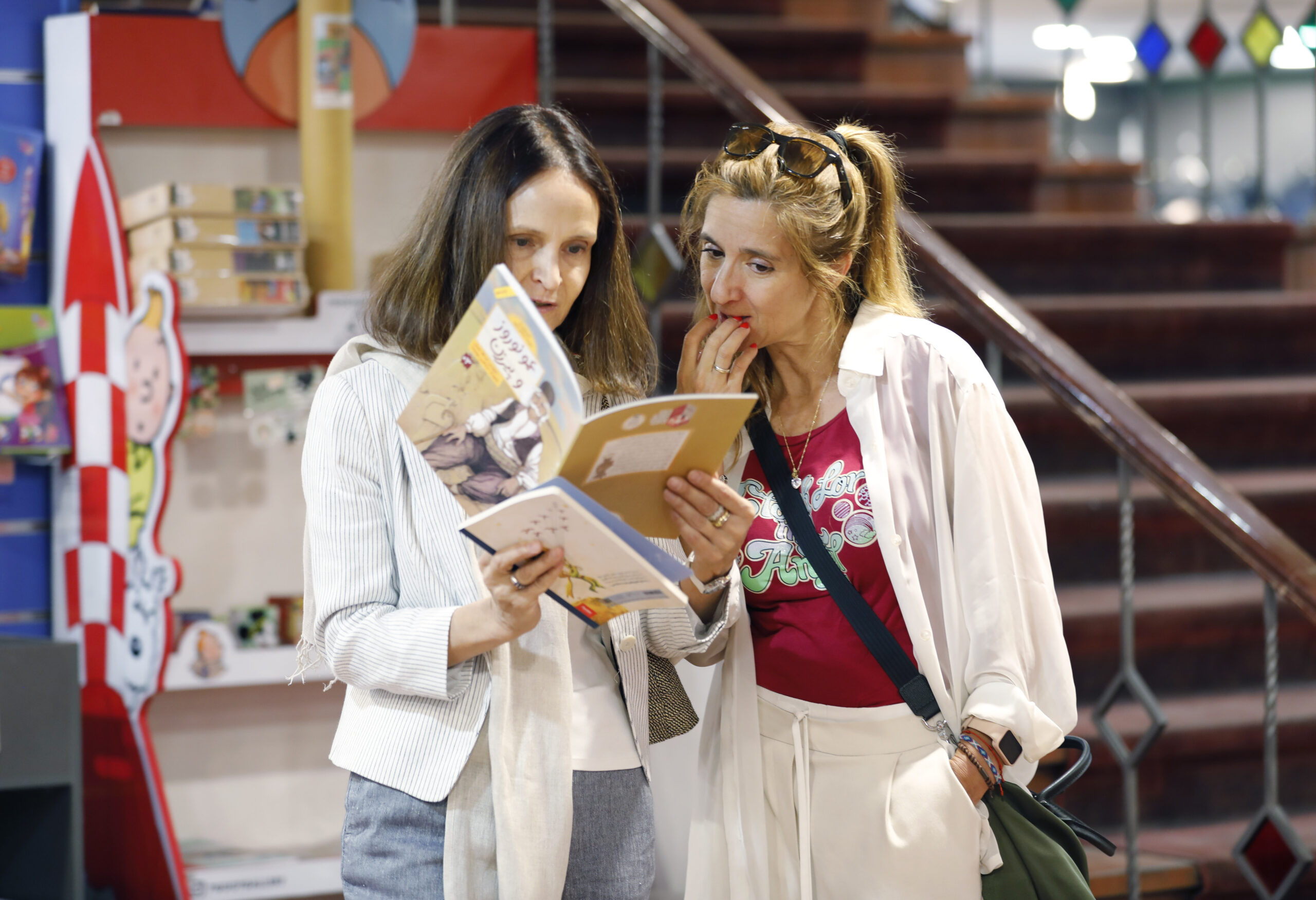
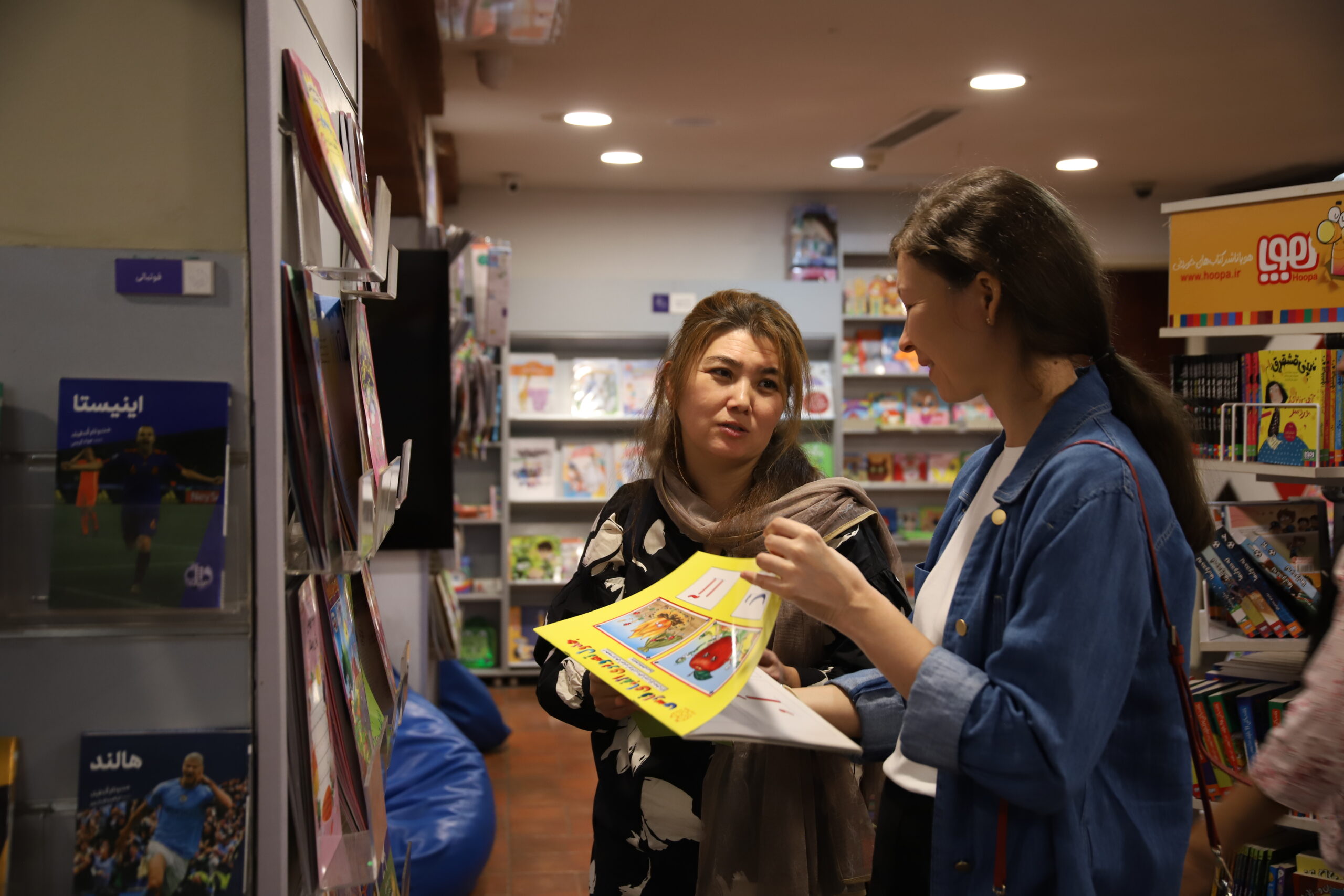
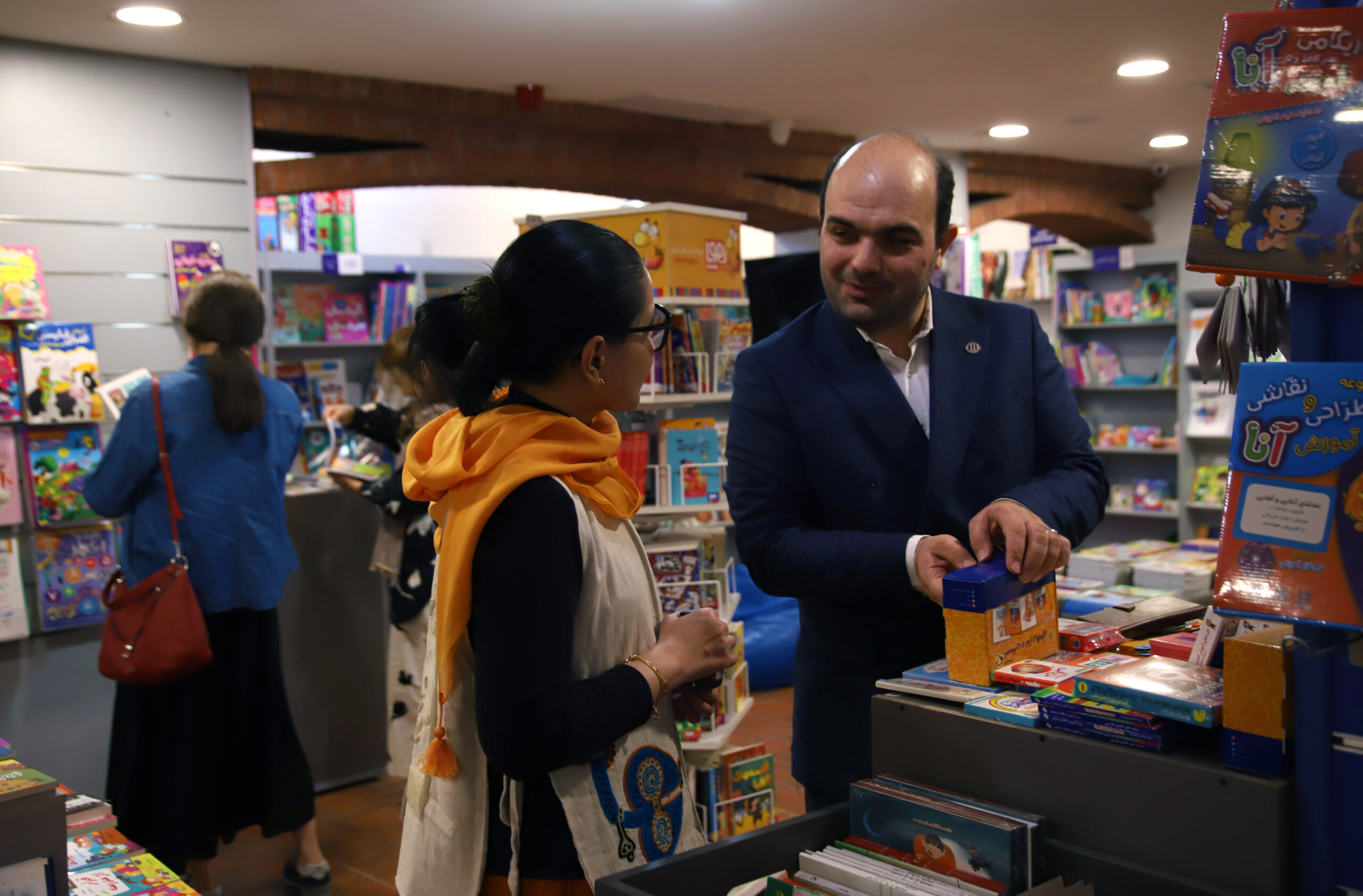
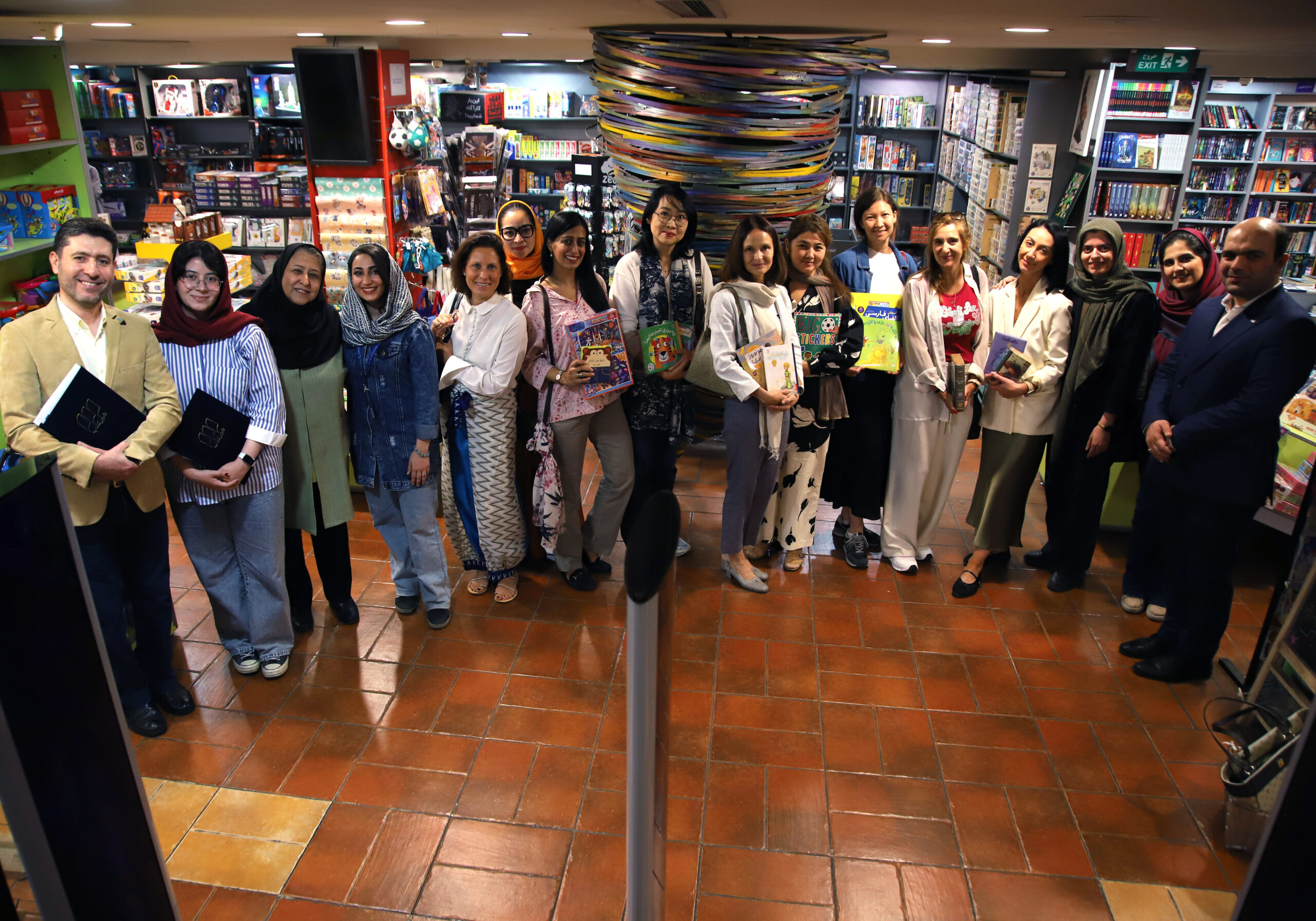
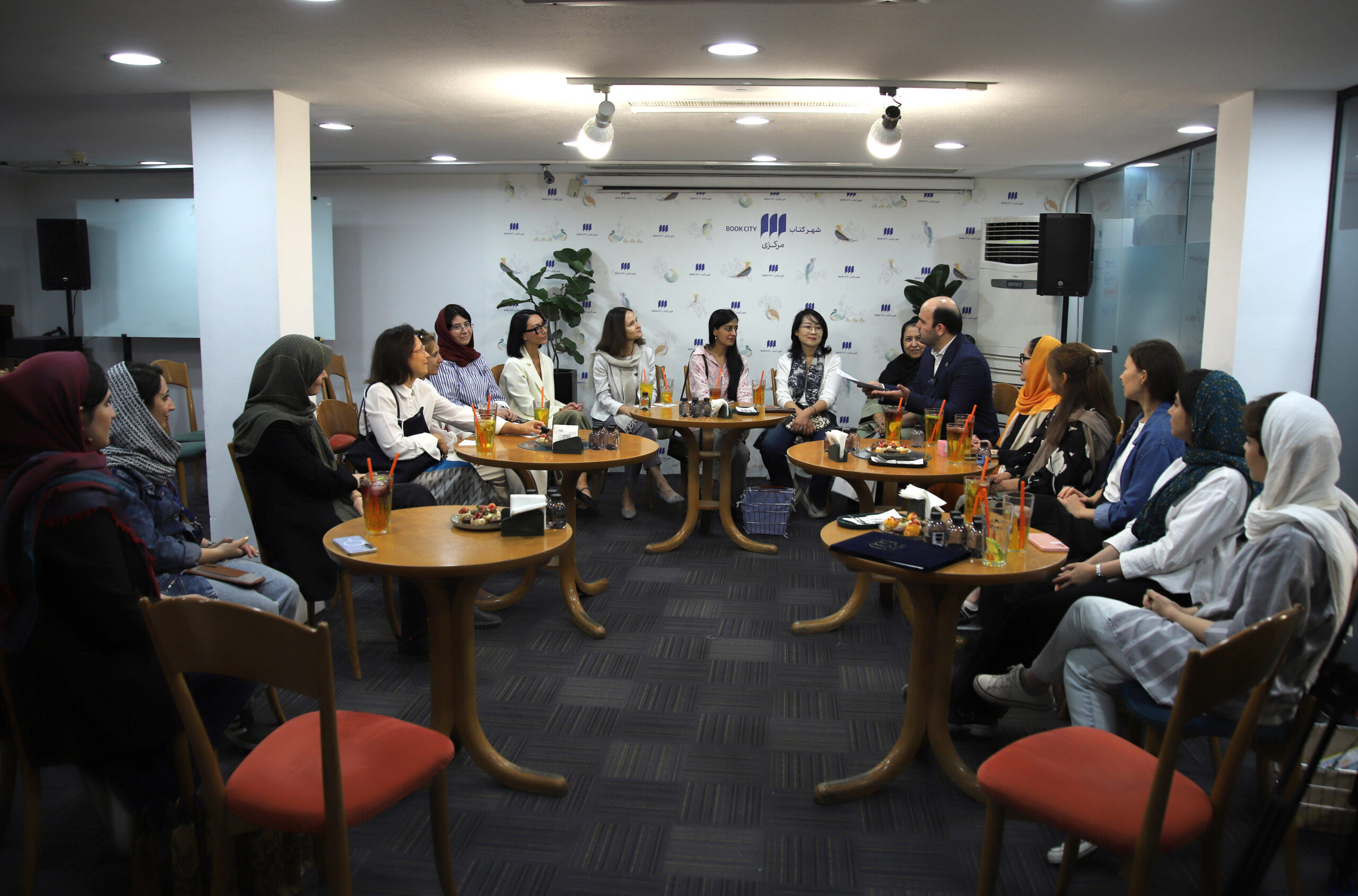
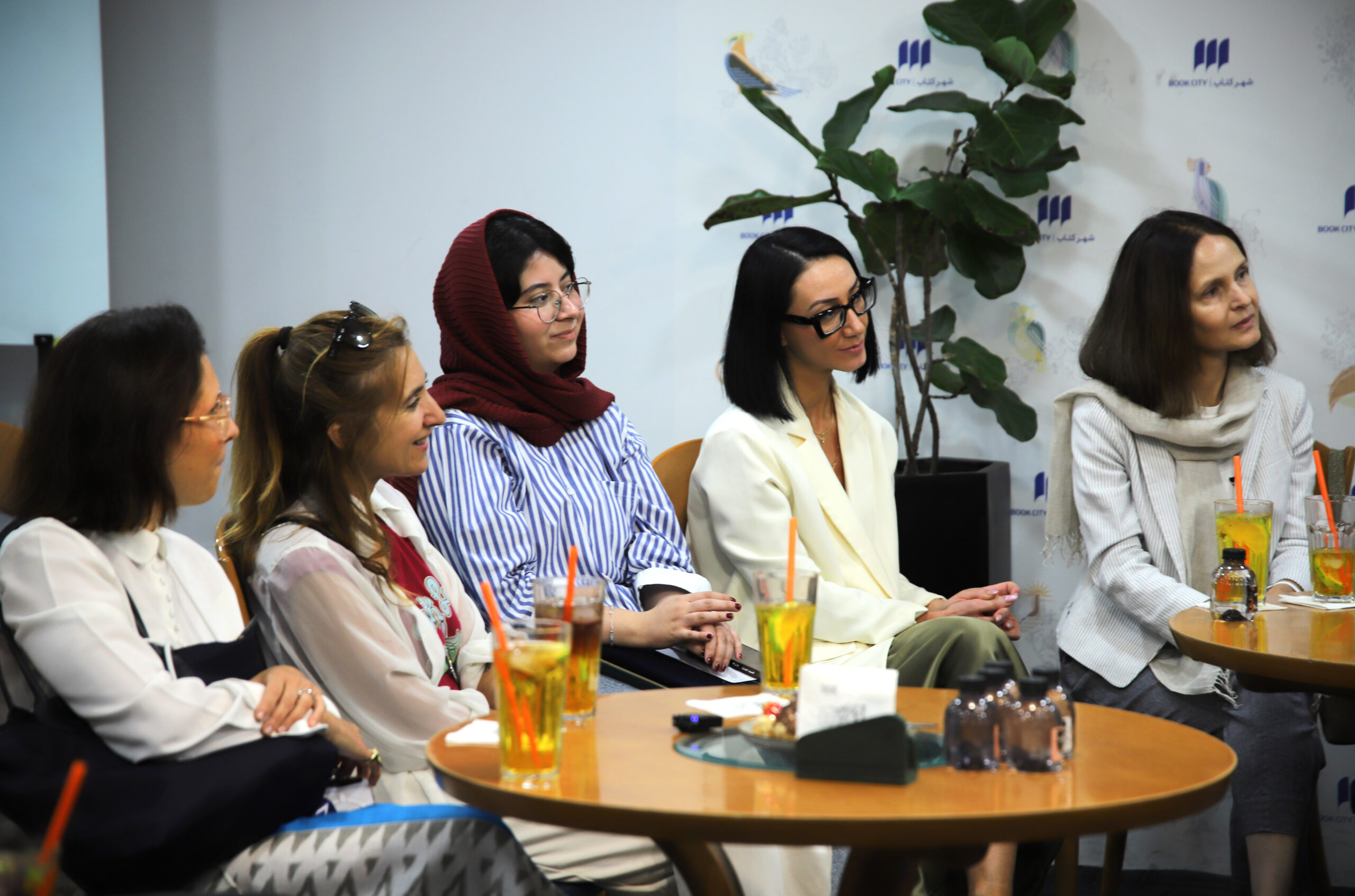
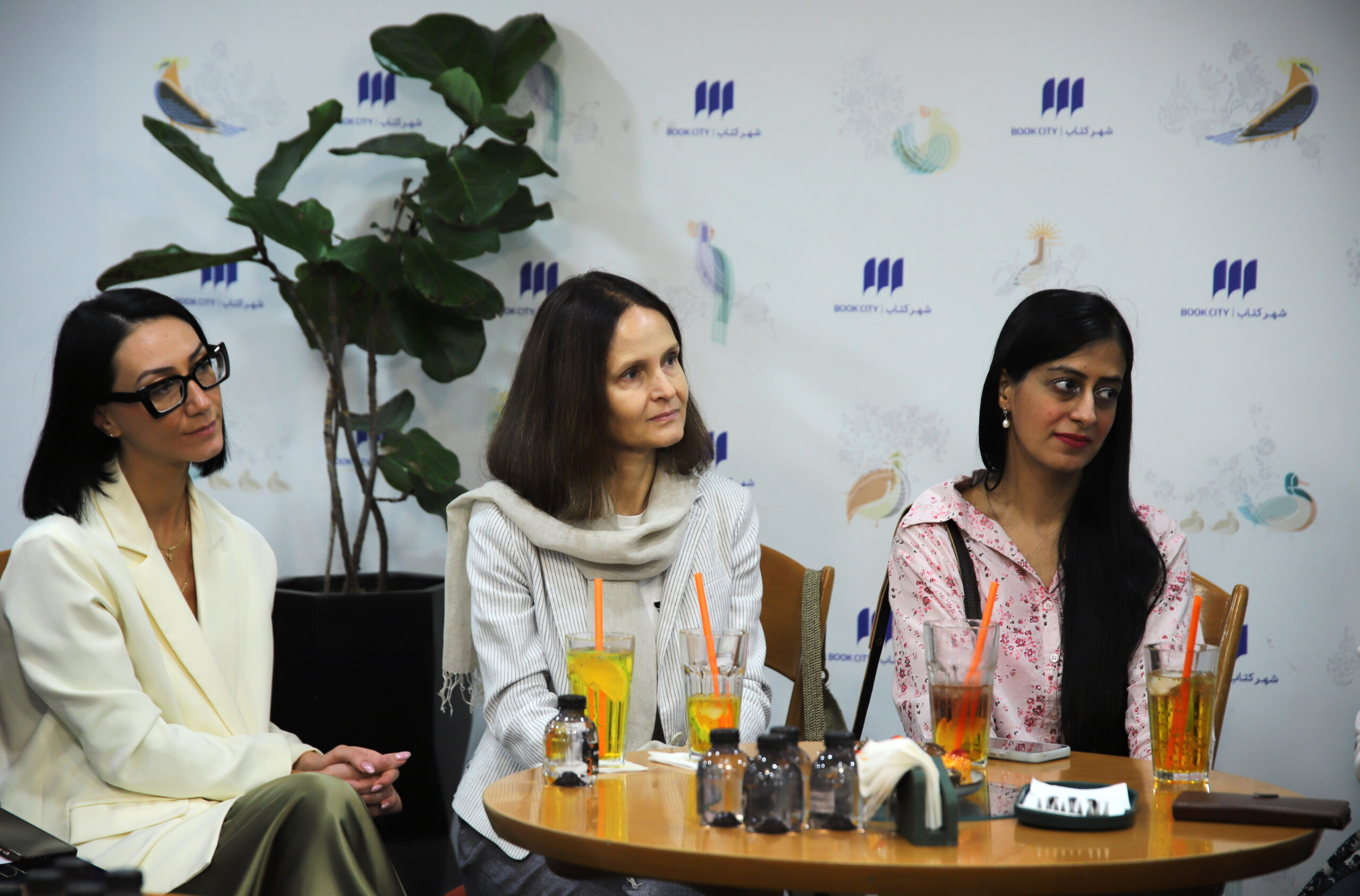
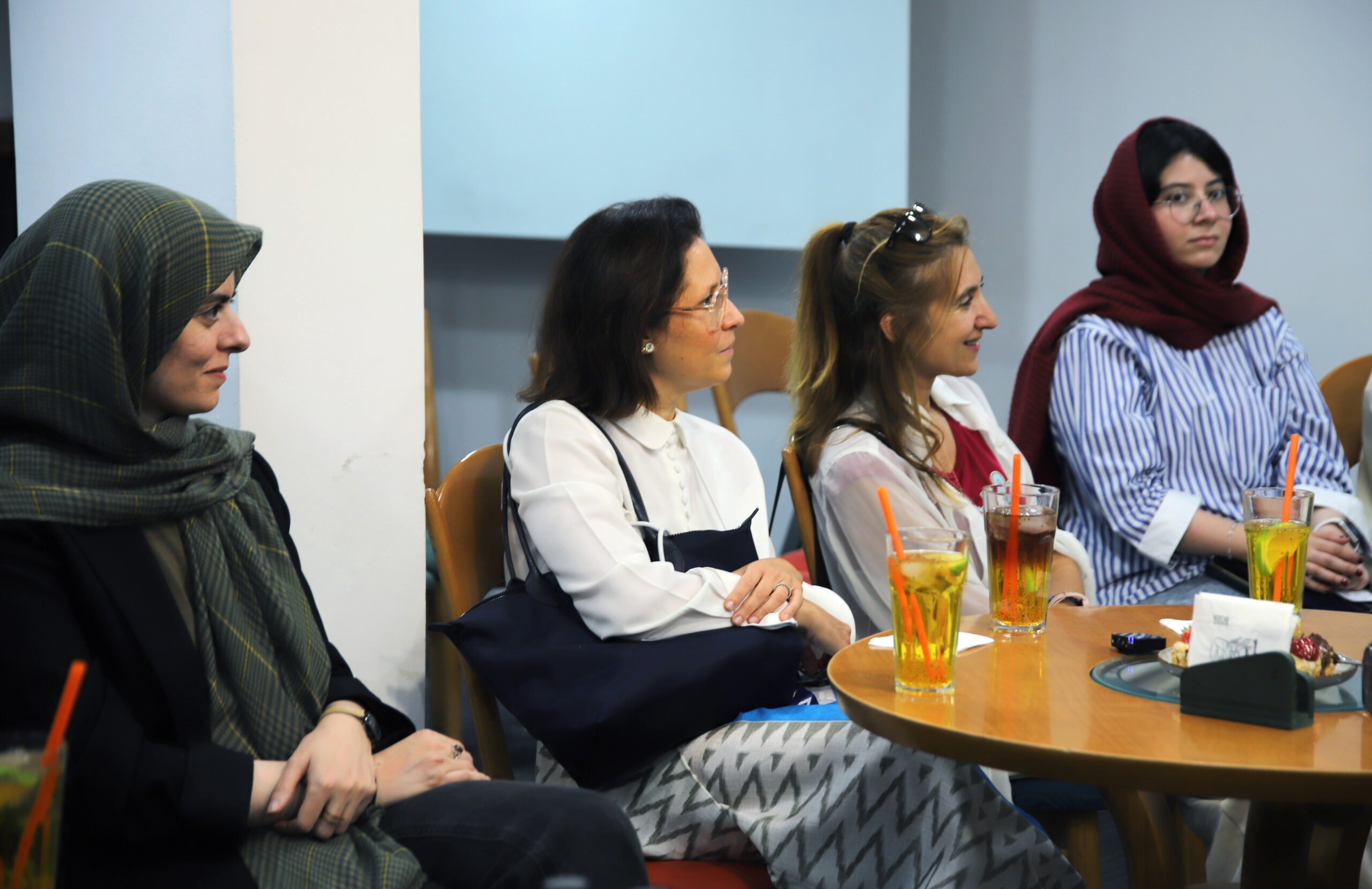
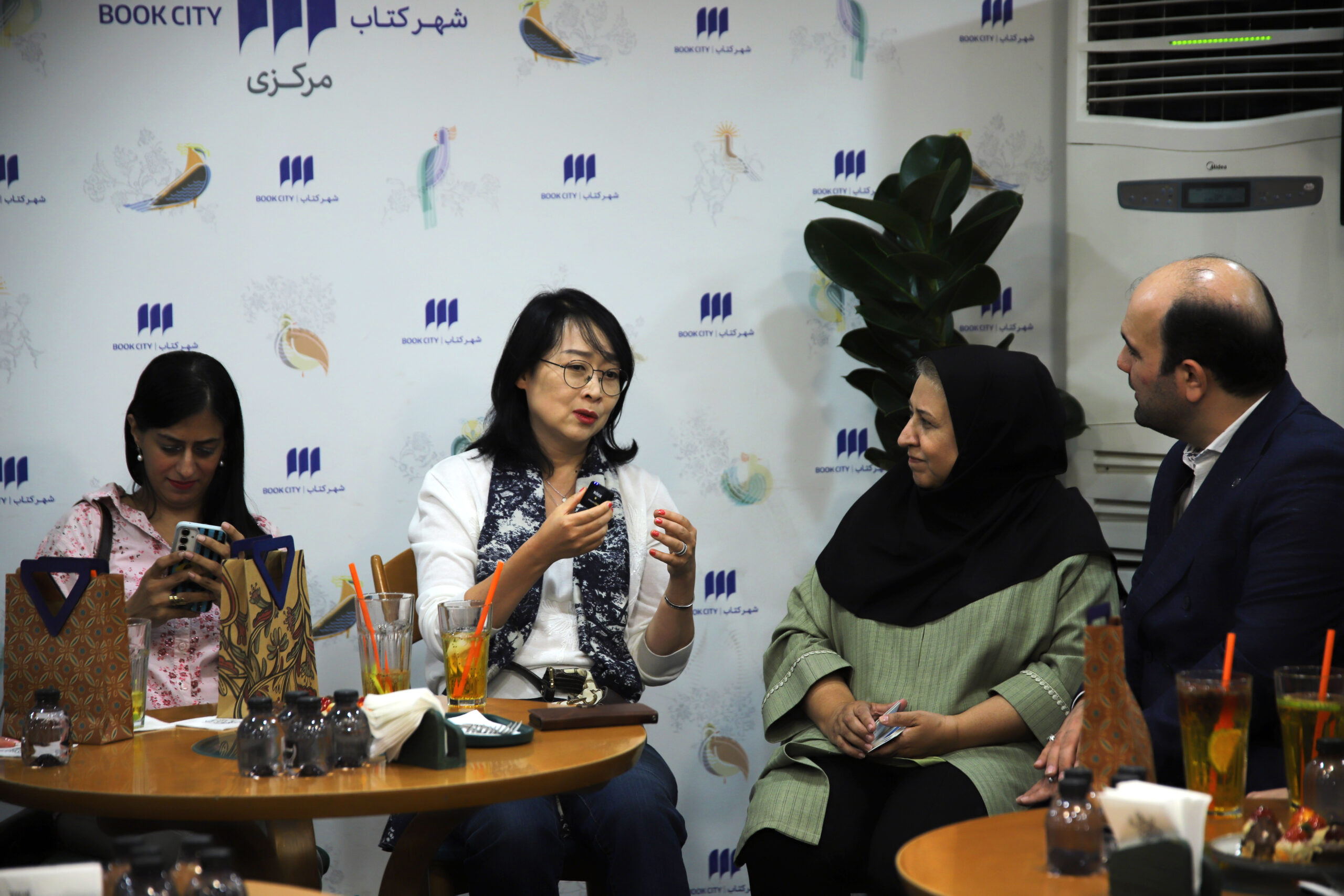
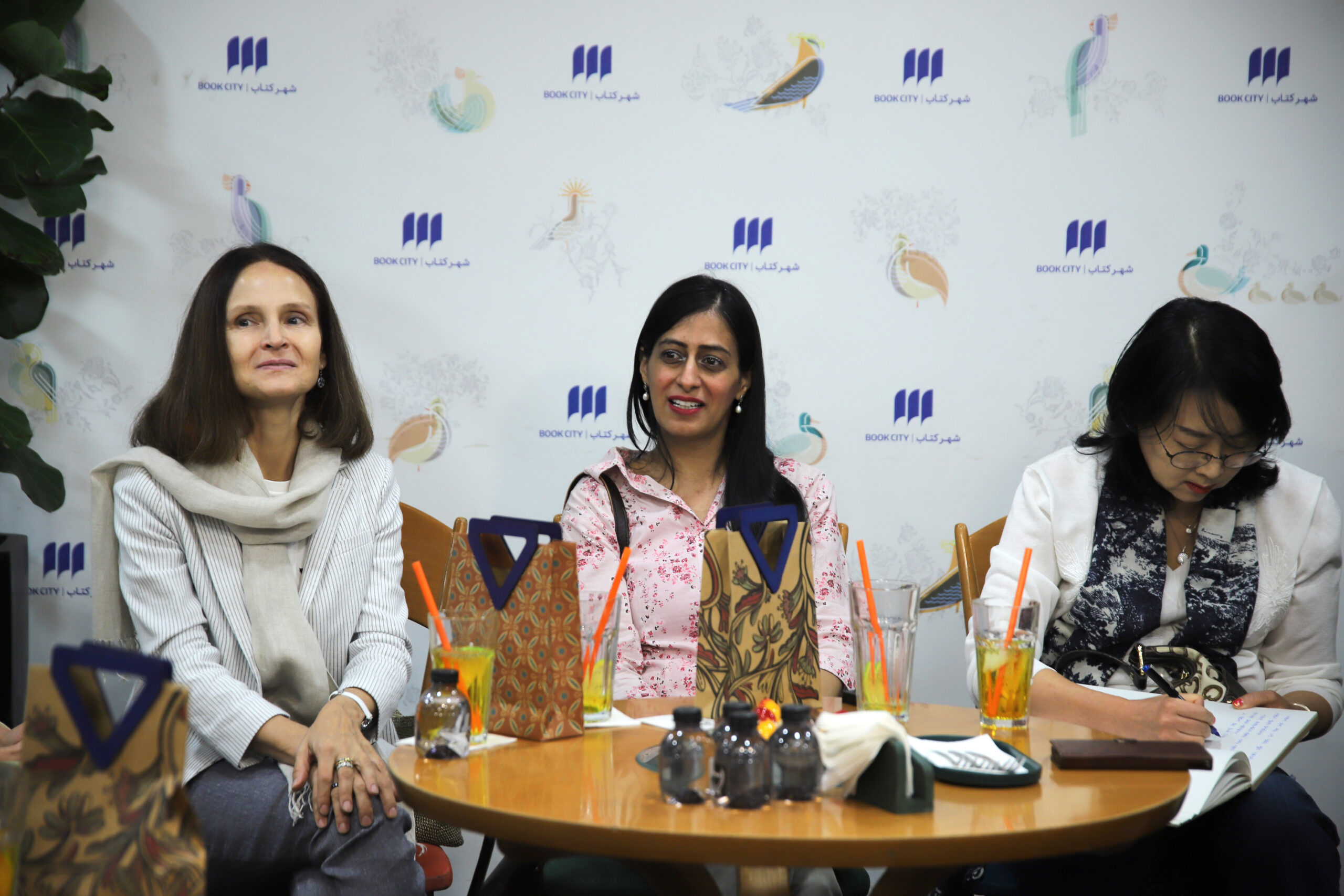
A group of spouses of ambassadors and diplomats from Uruguay, Spain, Indonesia, Pakistan, Denmark, South Korea, Kazakhstan and Georgia visited Central BookCity, where they toured its various departments and took part in a meeting devoted to books, translation, children’s literature and opportunities for broader cultural cooperation.
The guests included Kaira Fomenko from the Embassy of Uruguay, Angelica Díez Diez from the Embassy of Spain, Mia Sony from the Embassy of Indonesia, Saadiah Shahbaz from the Embassy of Pakistan, Giovanna Ciadella from the Embassy of Denmark, Eunah Shin from the Embassy of South Korea, Diana Ramazanova and Marzhan Kaldybaeva from Kazakhstan, and Teona Elizbarashvili from the Embassy of Georgia.
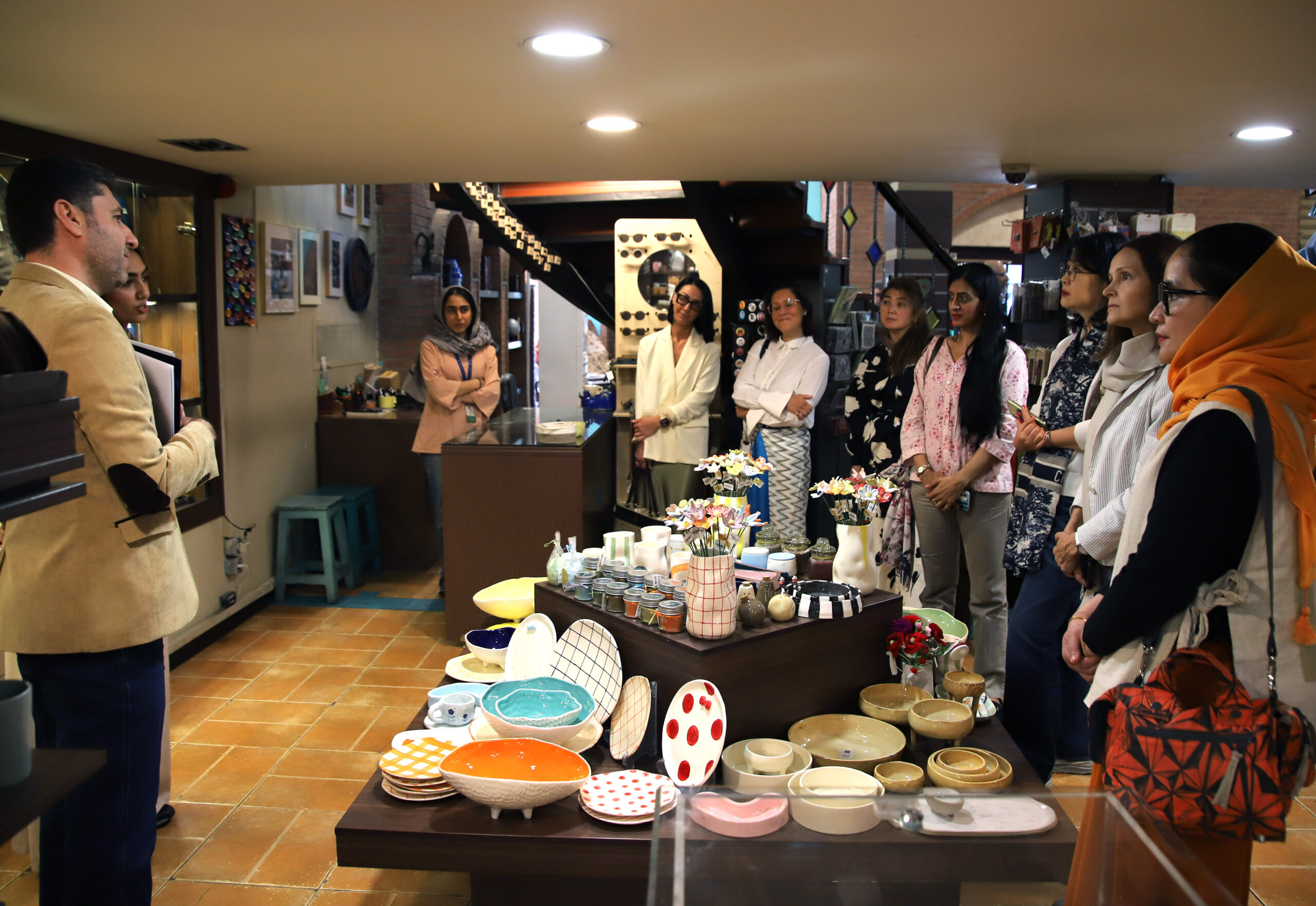
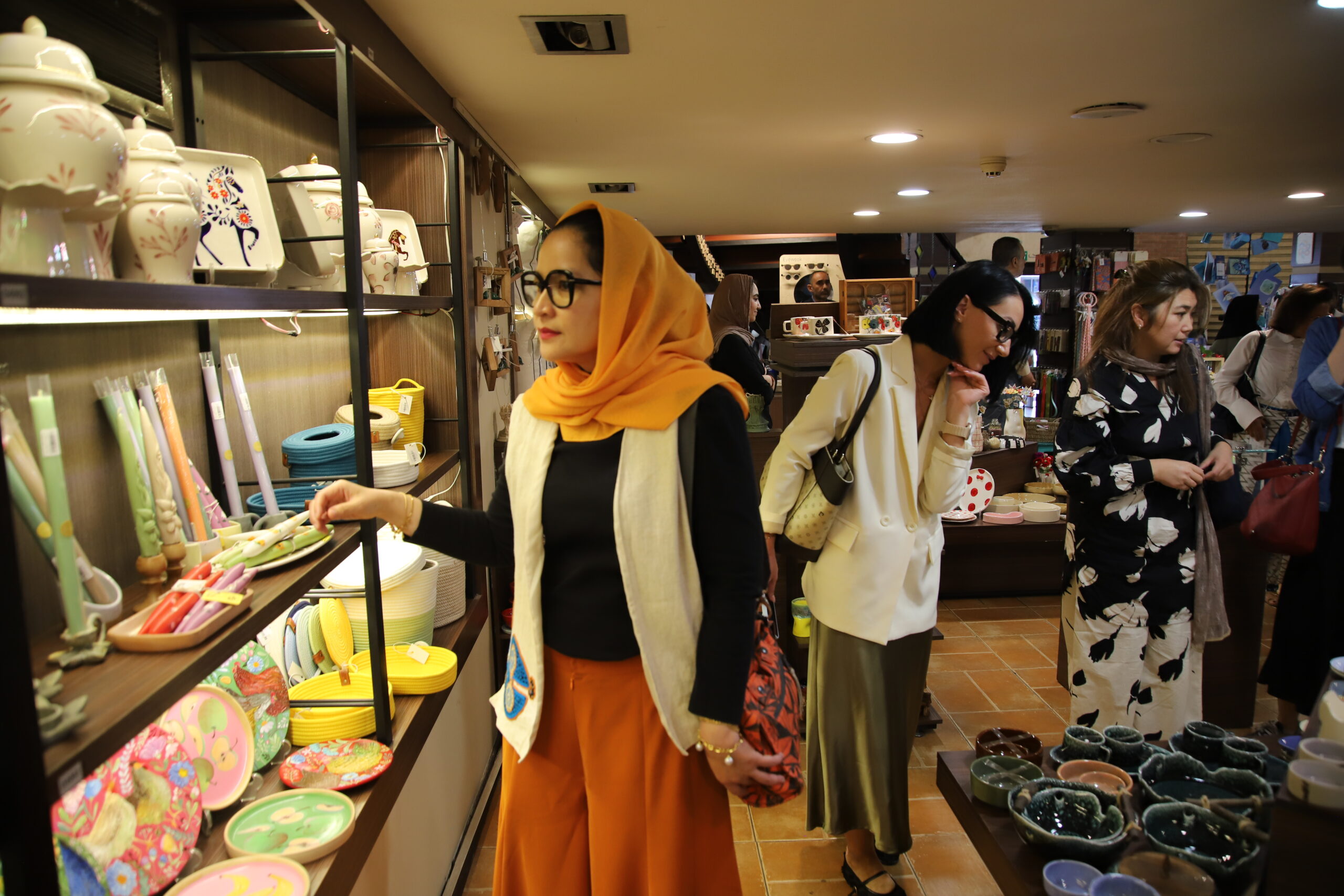
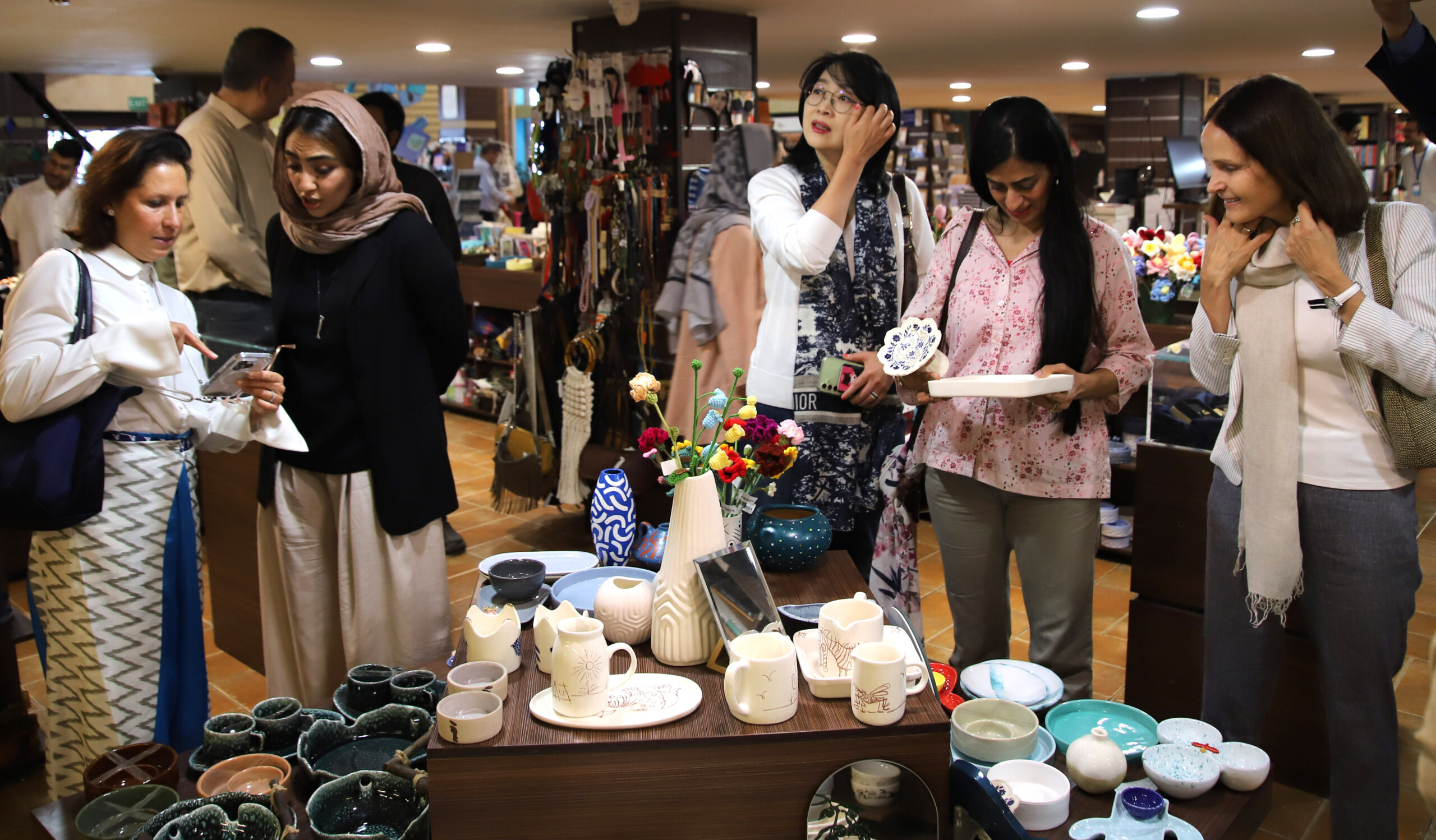
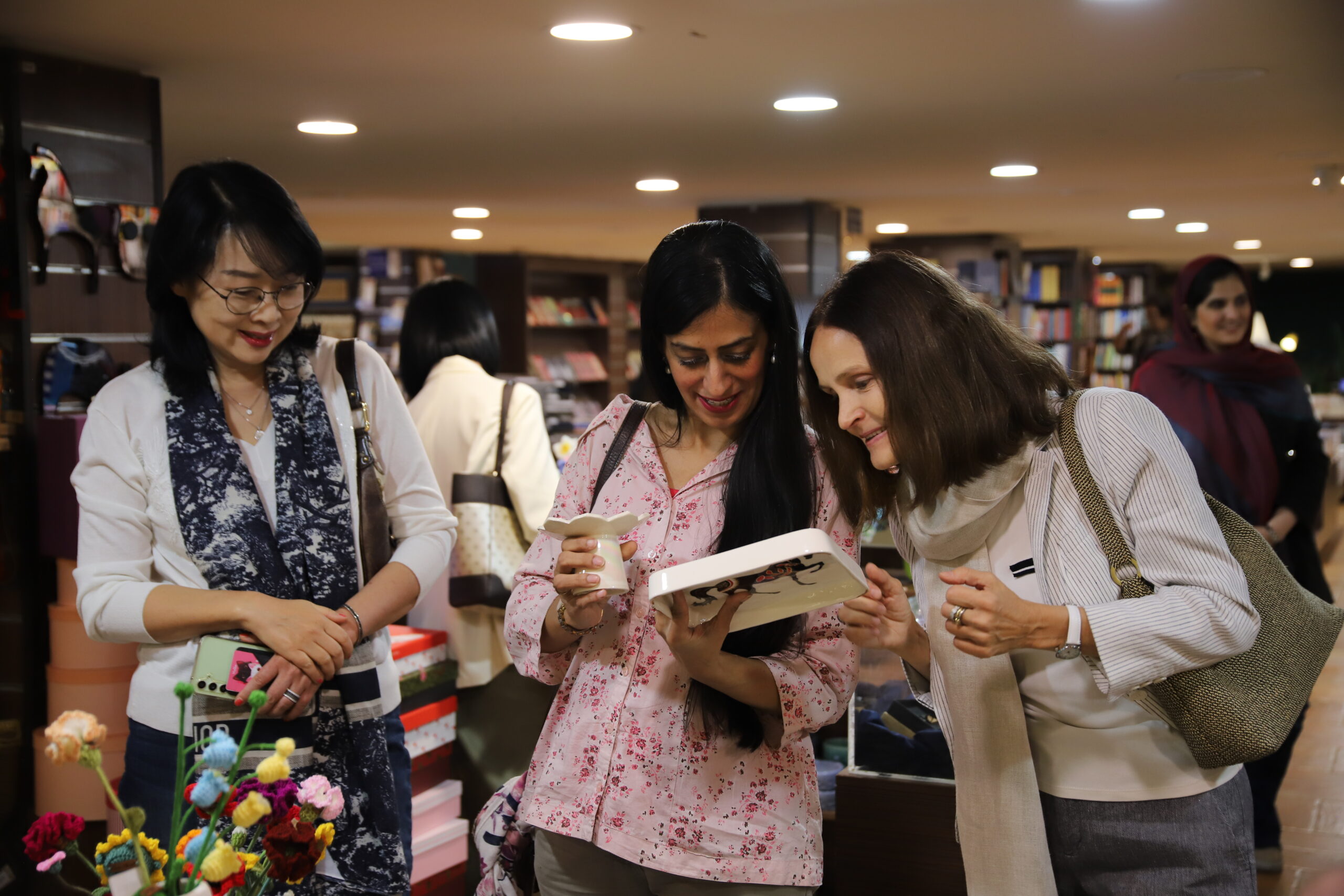
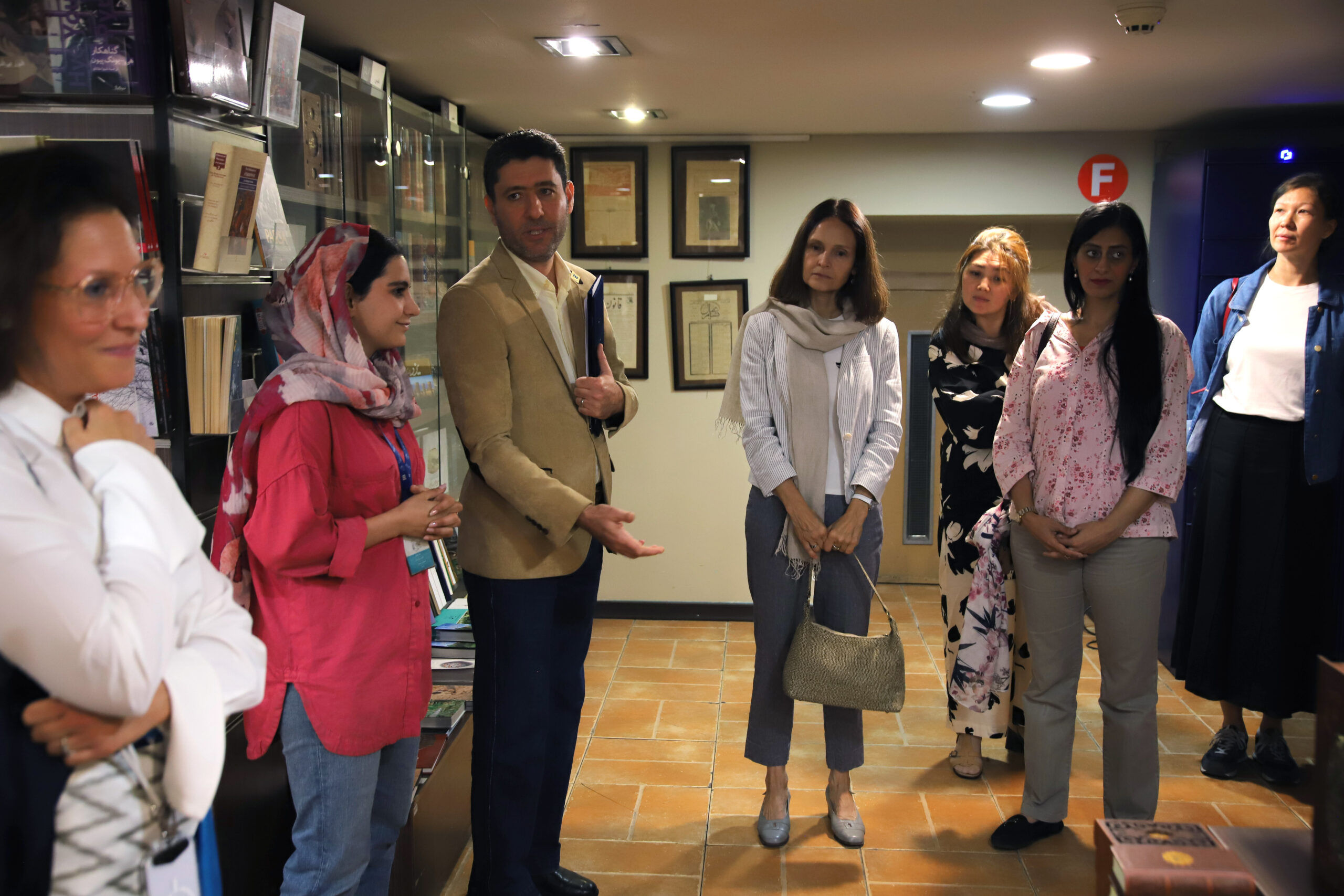
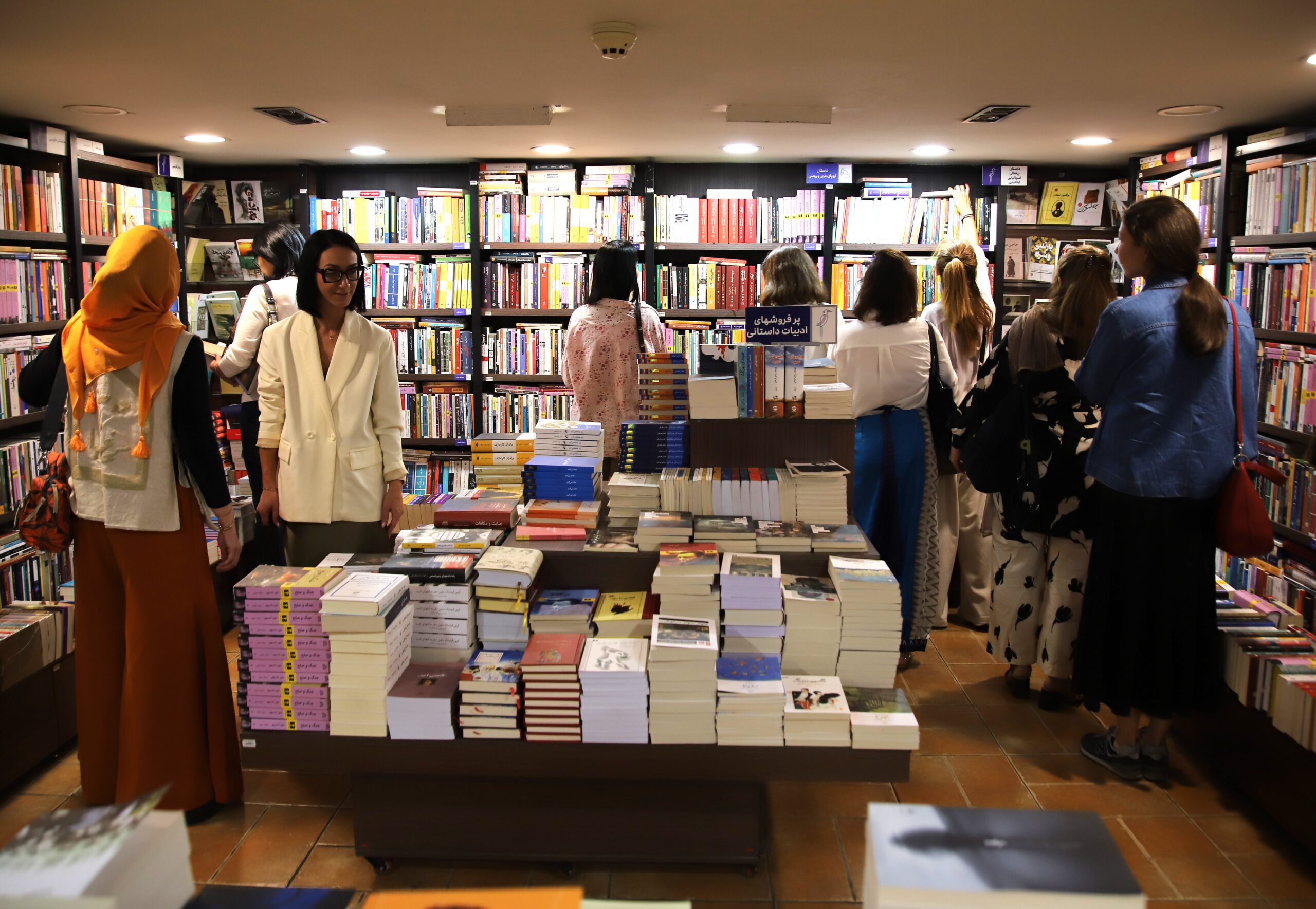
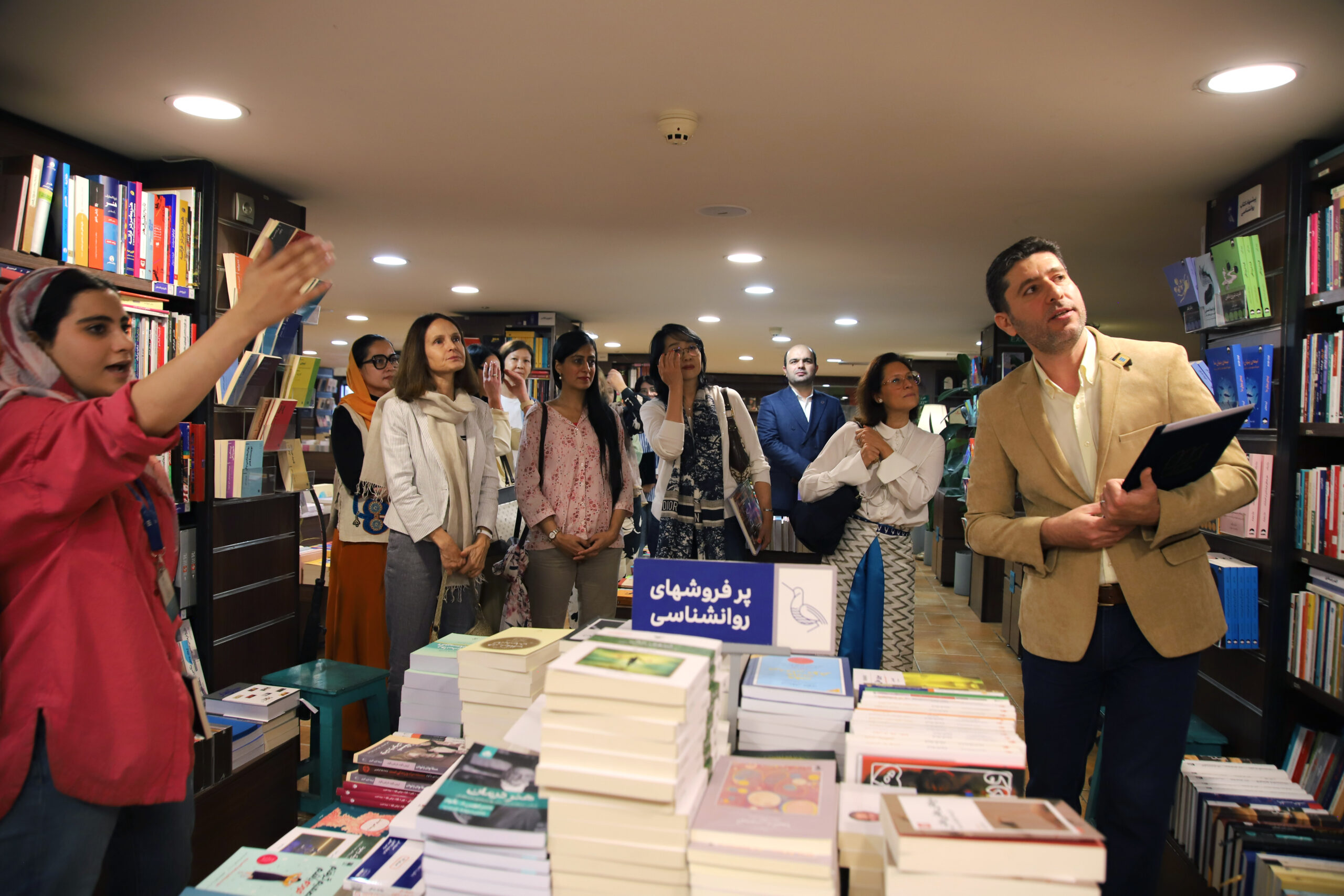
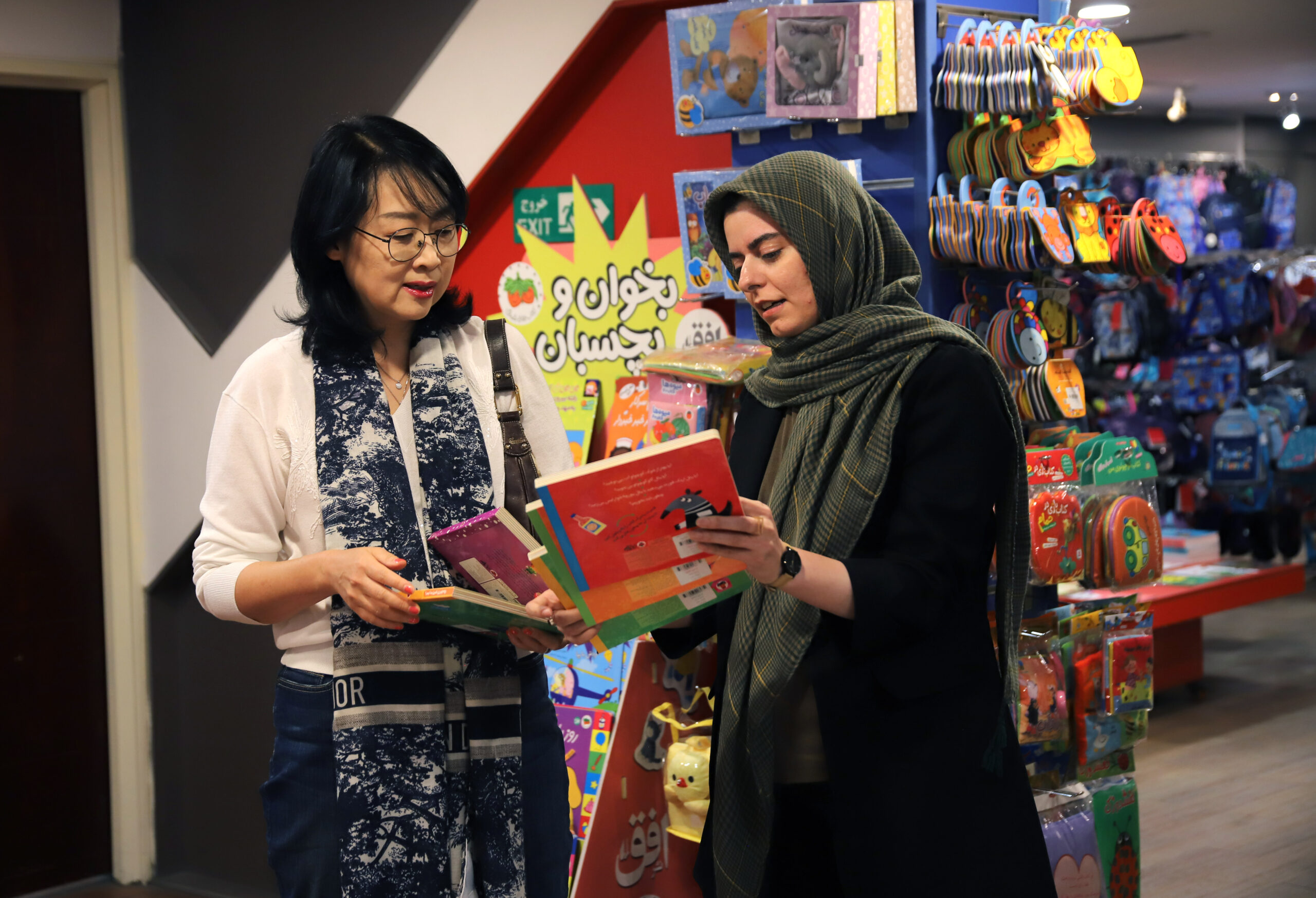
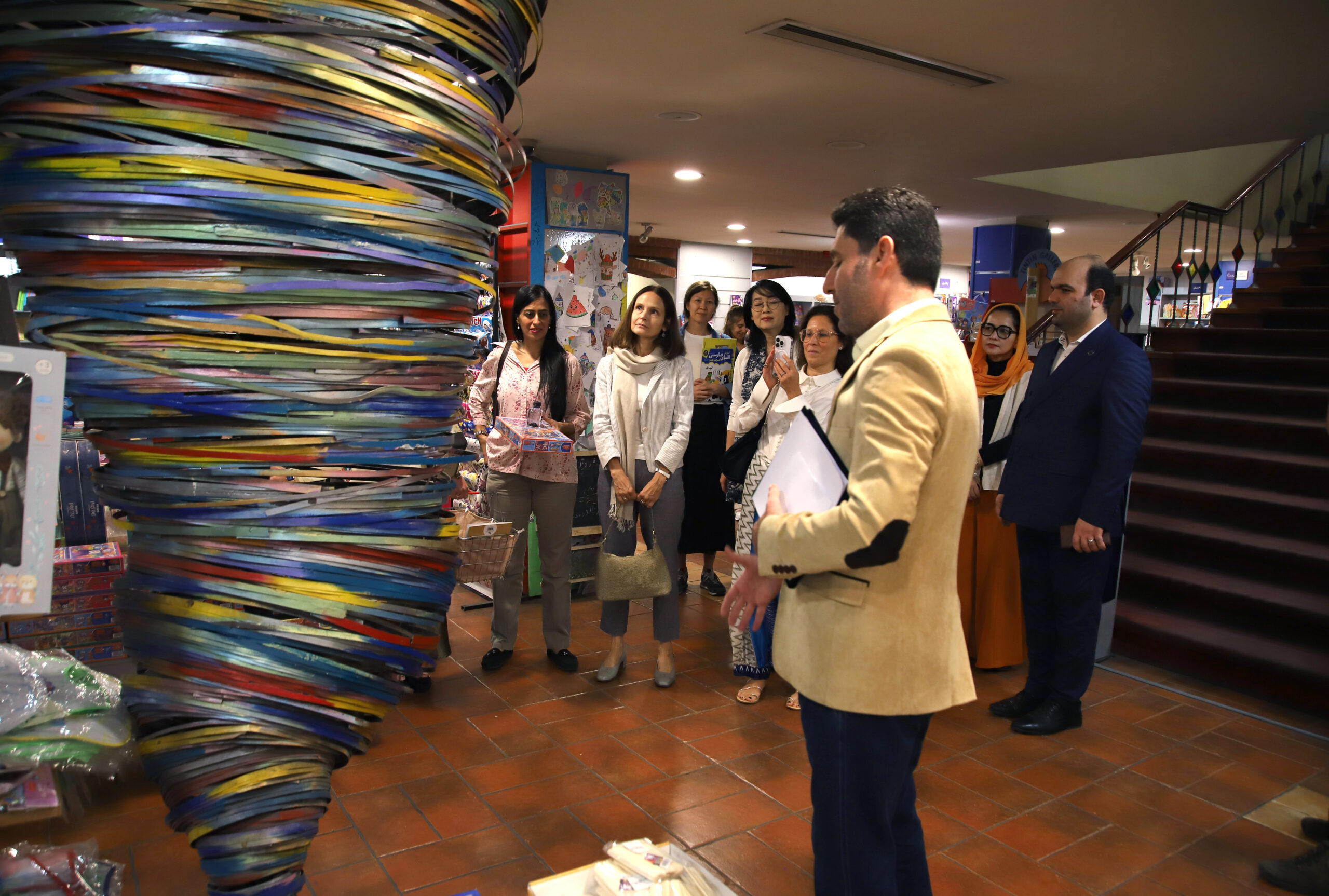
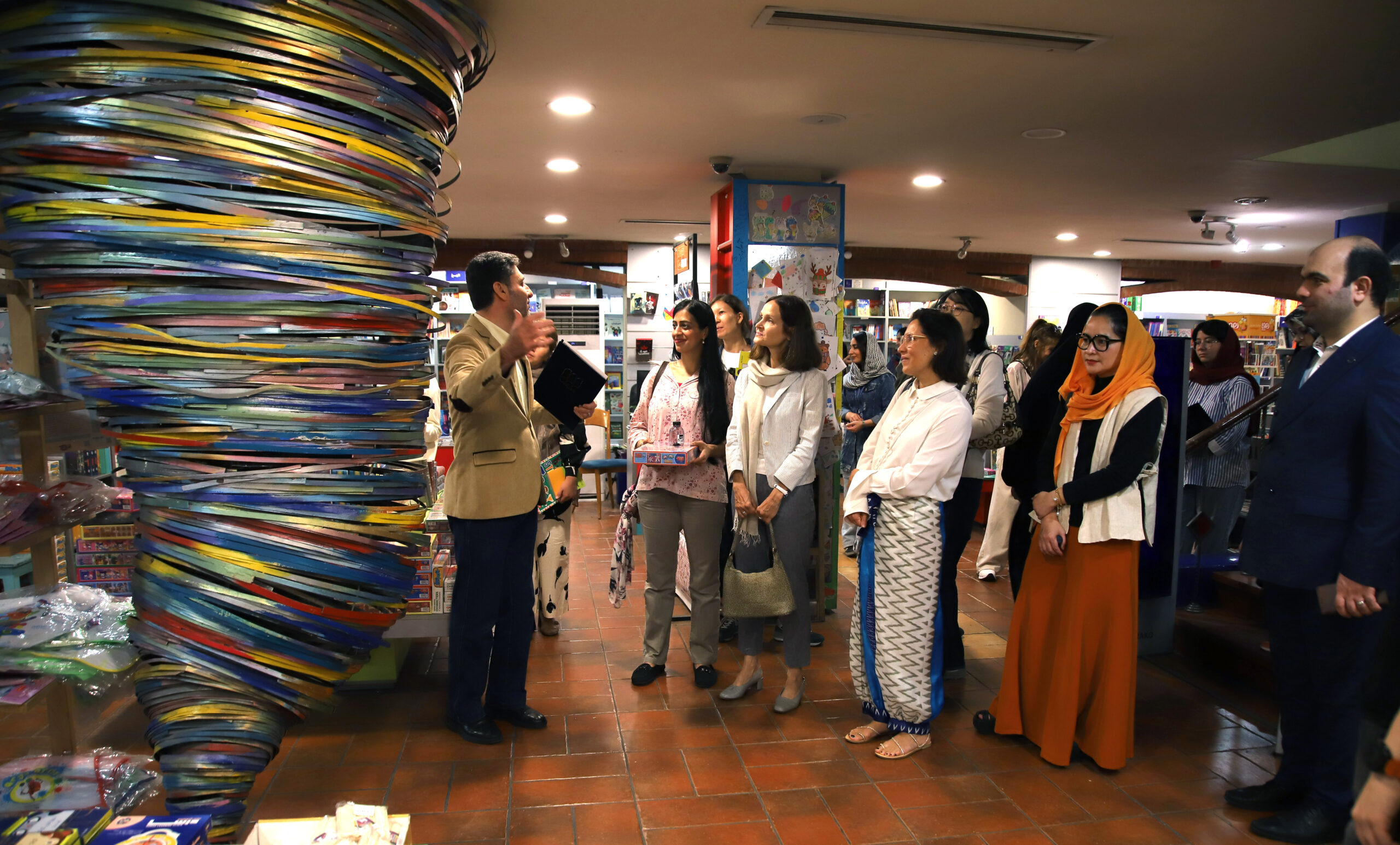
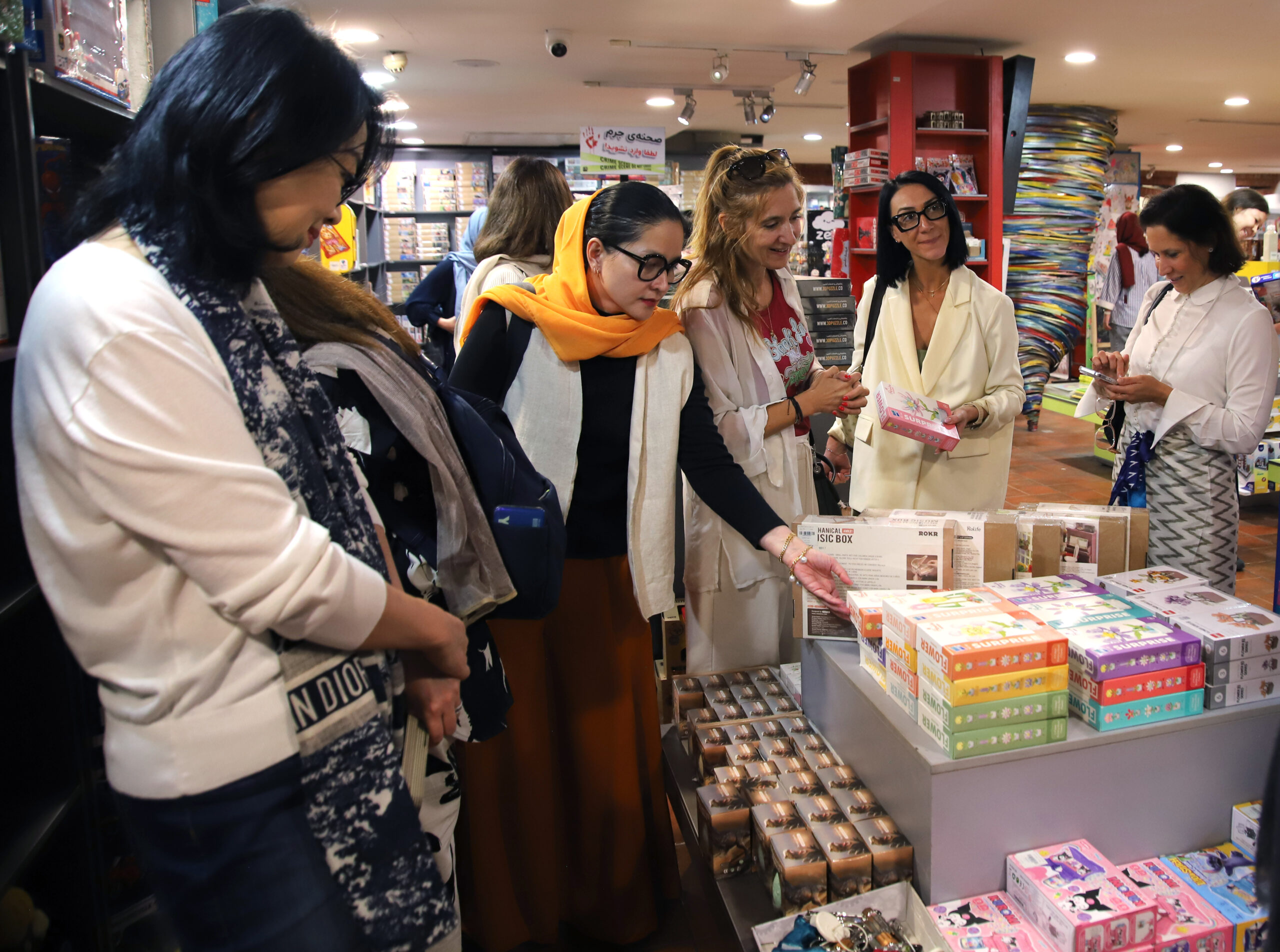
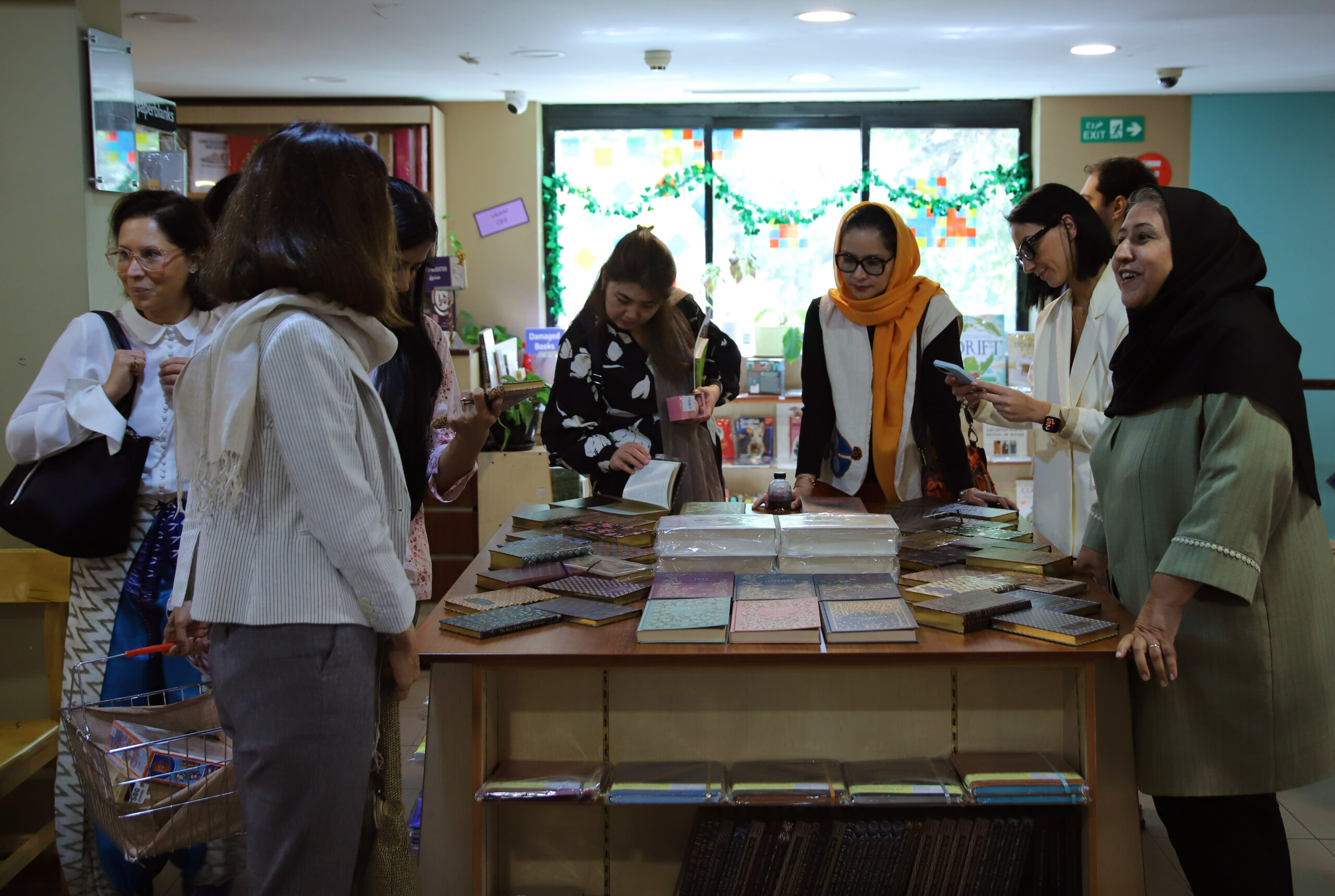
The visit began with an introduction to BookCity’s different departments, including its Persian and foreign-language books, cultural and artistic products, stationery and toys, as well as its cultural programmes, publishing activities, trade in books and cultural goods, and online services. During the tour, the guests were also introduced to BookCity’s capacity to host cultural events and build connections between Iranian and international audiences.
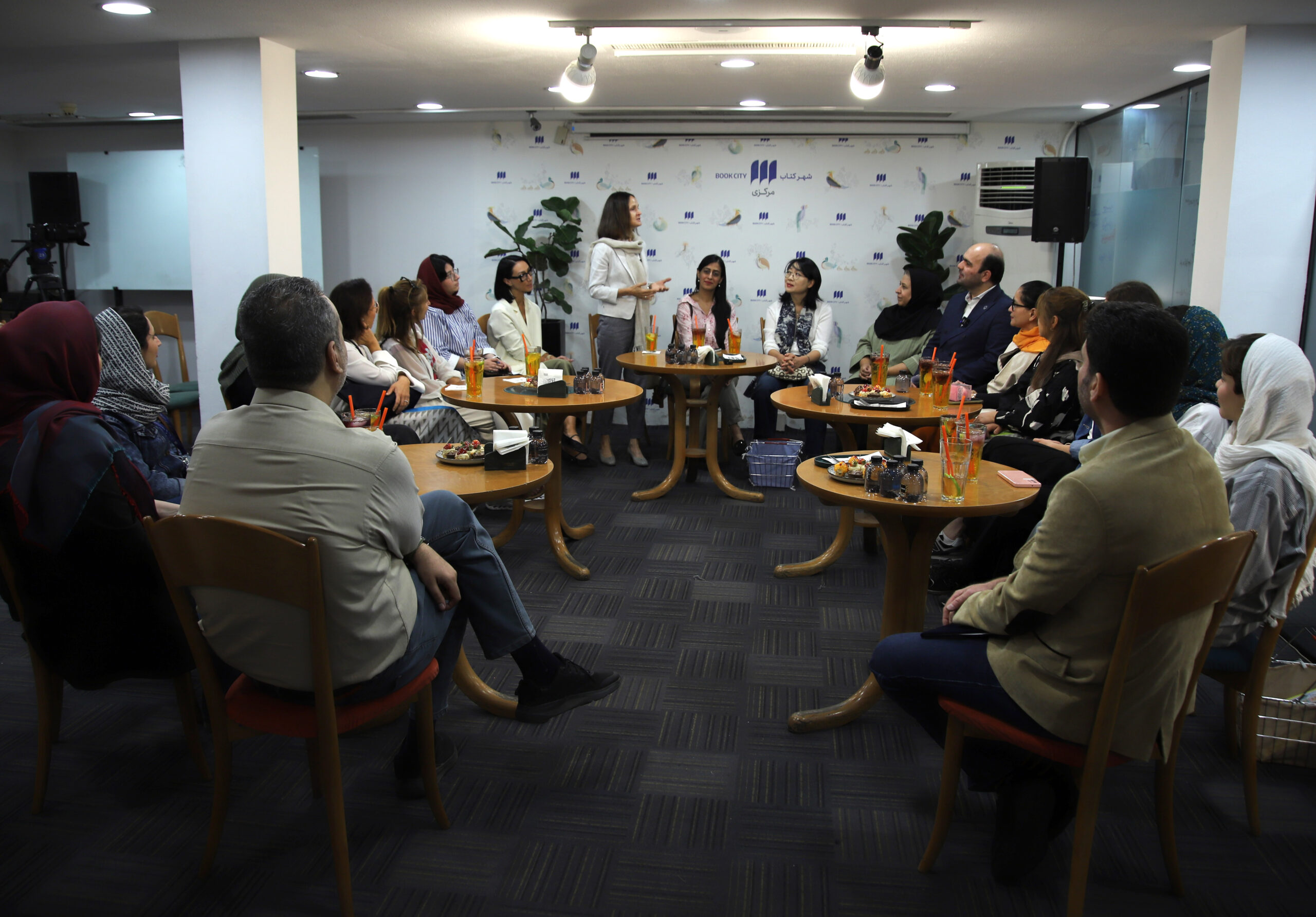
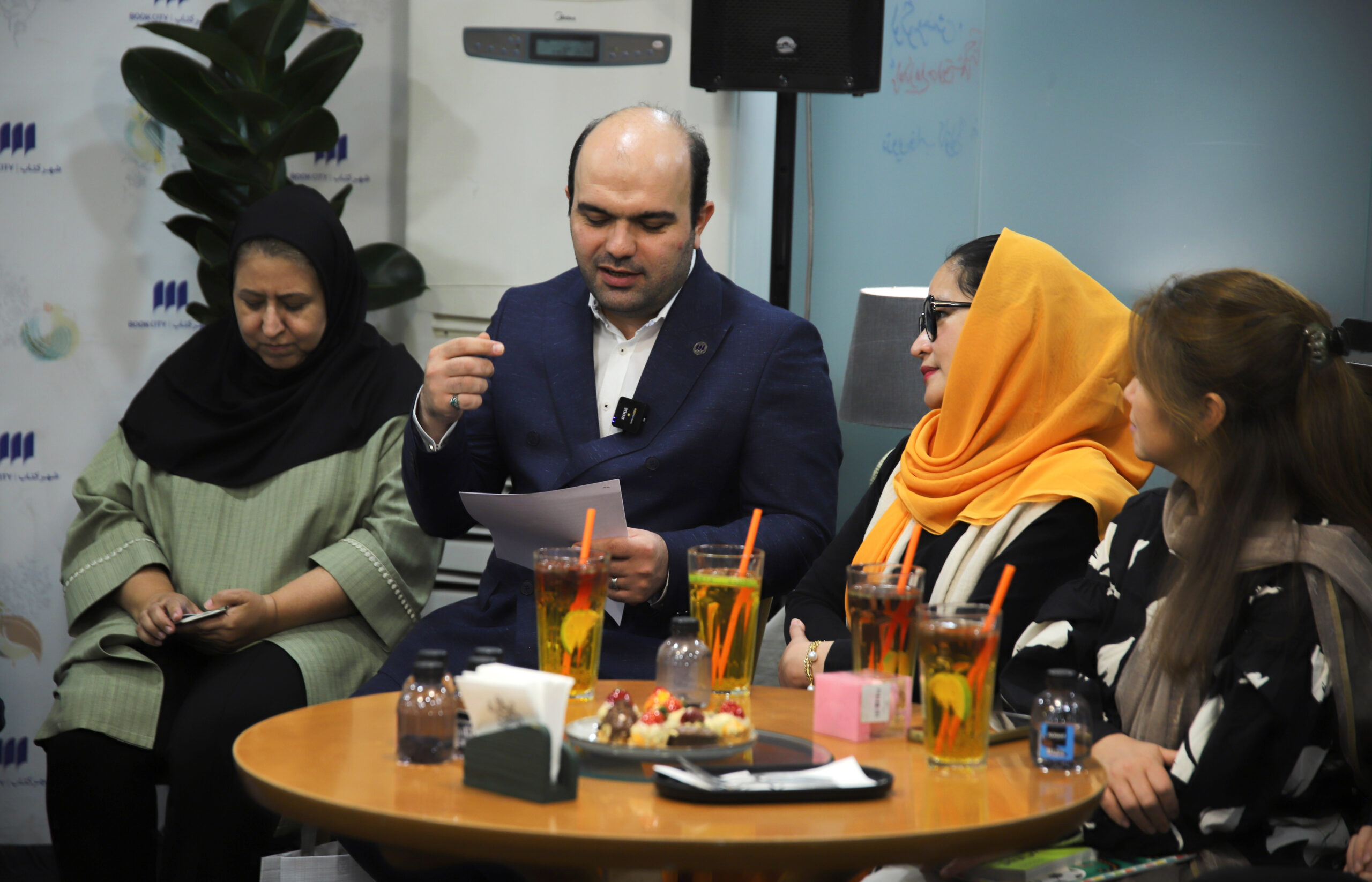
At the beginning of the meeting, Ali Jafarabadi, Chief Executive Officer of BookCity, said that BookCity aspires to be a place of diversity and dialogue, since these provide the essential foundation for mutual understanding.
He noted that BookCity has nearly 100 branches and around 1,500 colleagues across Iran, describing it as a cultural group whose activities extend beyond the sale of books and cultural products. Introducing its different divisions, Jafarabadi referred to the trading company responsible for importing foreign-language books and cultural goods, the publishing house, physical bookshops, online shop, music production company, technology company and BookCity’s independent cultural department.
Jafarabadi described the mission of the cultural department as building bridges between cultures and narrowing the distance between nations, civilisations and countries. Referring to forty cultural dialogues that BookCity has established between prominent Iranian and international literary figures—including Hafez and Goethe, Hafez and Cervantes, and Saadi and al-Mutanabbi—he expressed BookCity’s readiness to organise joint programmes and events with the embassies of the participating countries.
He added that BookCity would be pleased to hear about the group’s reading experiences and the literary works its members introduce to one another, and hoped that joint meetings on literature, music, film, documentary, translation and other cultural fields could be held in the future.
Kaira Fomenko, spouse of the Ambassador of Uruguay and one of the coordinators of the Diplomatic Spouses Book Club, explained that the visit had grown out of a chance encounter with BookCity’s Chief Executive Officer at an event held at the Embassy of Pakistan. On seeing the name “BookCity” on Jafarabadi’s card, she immediately recognised it and recalled that many of the club’s meetings had taken place at different BookCity branches.
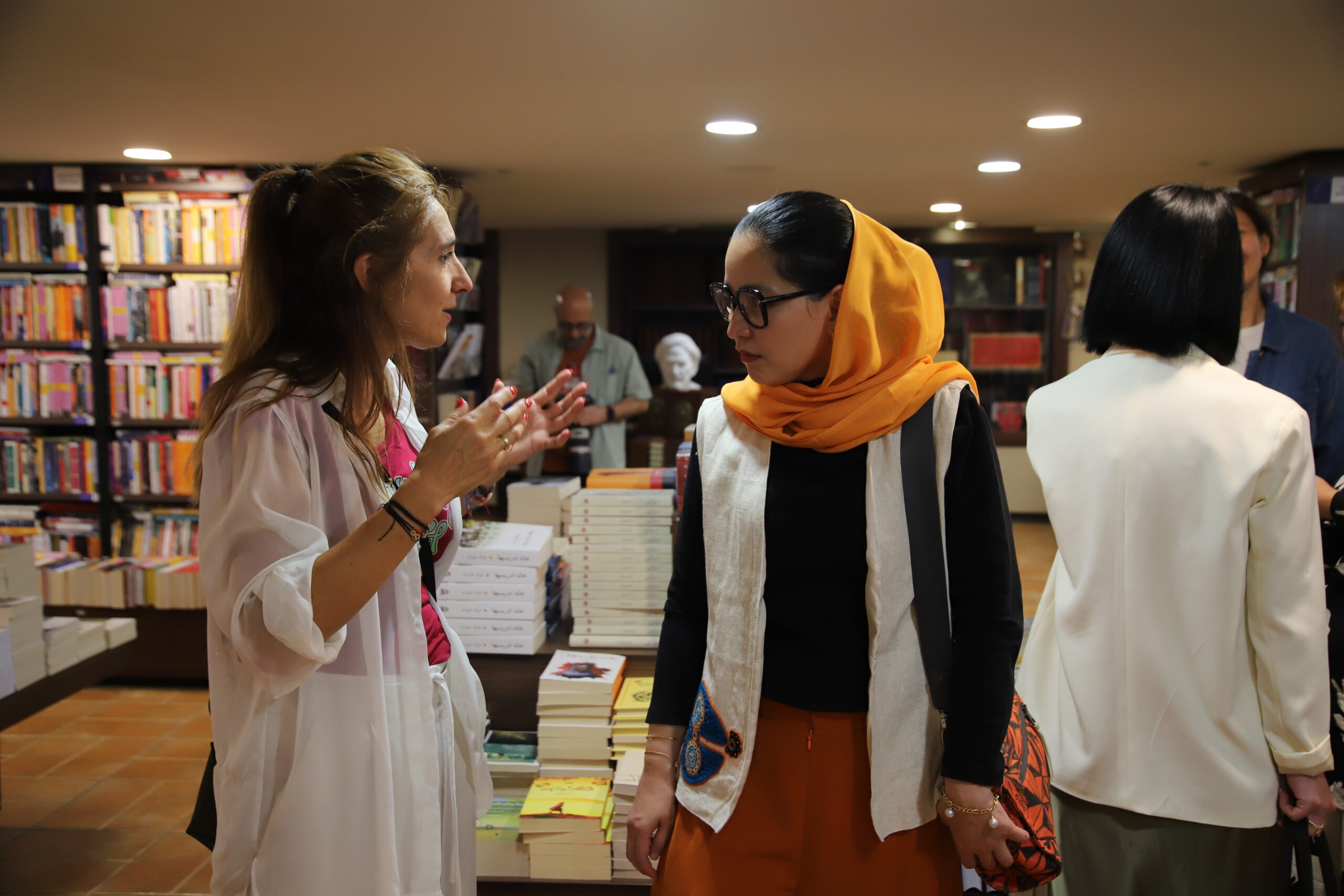
She then spoke about the book club for women in Tehran’s diplomatic community. Run jointly with Saadiah Shahbaz, the club aims to encourage its members to return to reading. Fomenko explained that the club had deliberately moved away from a formal and restrictive format, allowing members to share any text, book or reading experience that held particular significance for them.
She recalled introducing books purchased from BookCity’s English-language section at an earlier club meeting, where they were warmly received by the other members. Members of the group also expressed their interest in maintaining this relationship and holding further meetings on literature, translation and shared cultural interests.
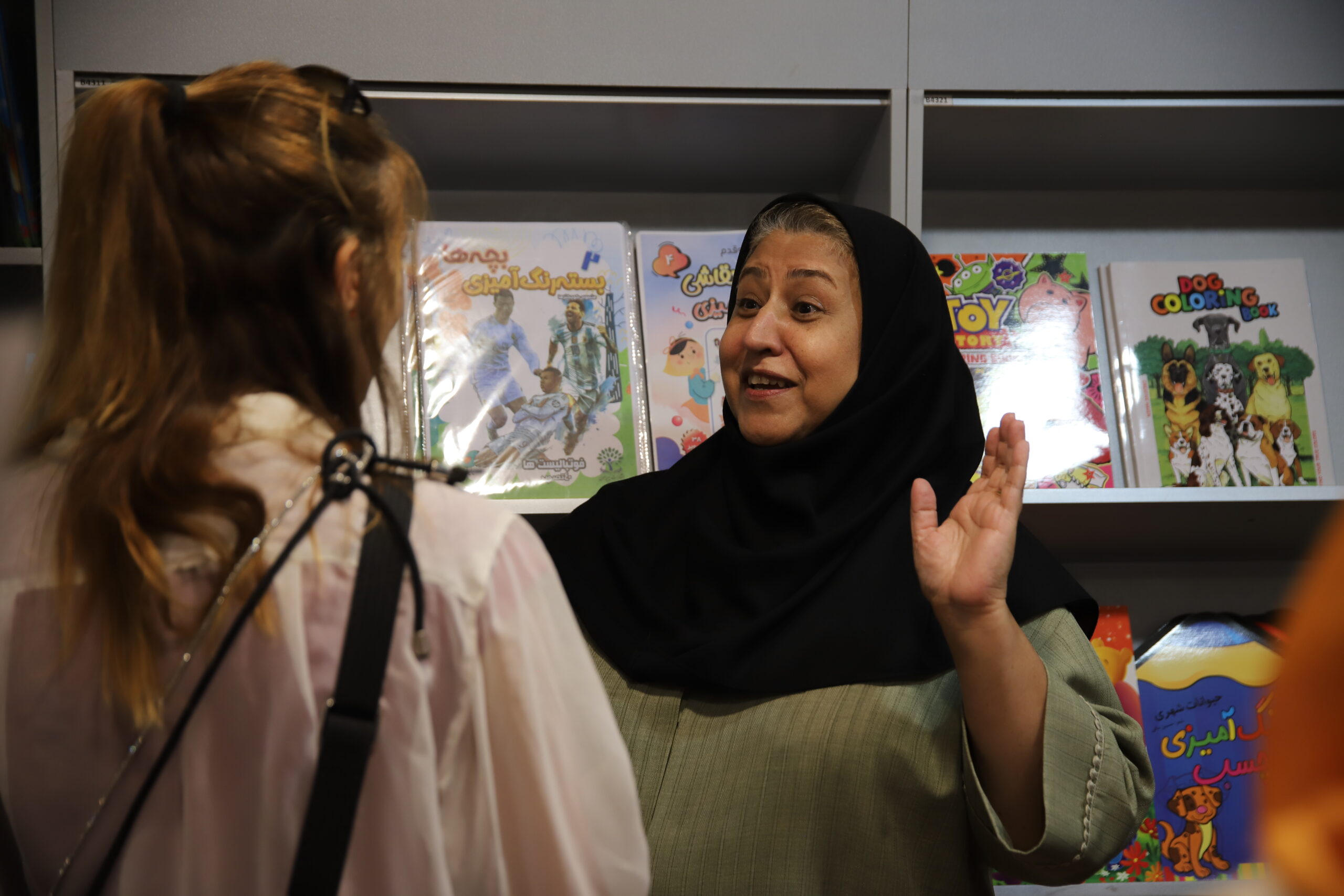
During another part of the meeting, one of the guests pointed to the relative shortage of English-language books for children aged eight or nine and below in the Iranian book market. Distinguishing between internationally recognised imported titles and the needs of foreign readers living in Iran, she explained that international visitors were often more interested in finding high-quality English translations of Iranian works than books already readily available in their own countries.
In response, Farah Nazari, Managing Director of BookCity Trading Company, recalled BookCity’s longstanding involvement in children’s books, noting that the organisation had begun its work nearly three decades ago with a children’s book exhibition. She explained that BookCity had previously imported children’s books from many parts of the world, while changing market demand had led it in recent years to focus much of its importing activity on English-language books for adults and particular age groups.
Nazari described the proposal to offer more Iranian books in translation as an important one and emphasised the capacity of Iranian publishers to produce children’s books of a high standard in both design and content. She said the request would be considered in BookCity’s future planning for the production and distribution of translated works.
In another part of the programme, Jafarabadi welcomed the members of the book club by beginning with Shahrazad—a storyteller whose tales made it possible for dialogue to continue and for other lives to be heard.
“This may be one of literature’s oldest gifts,” he said: “keeping alive our desire to listen to another life.” He described the book club as a contemporary expression of this possibility: a space in which every member opens a new window for others through a personal choice of book.
Referring to the historical journey of the tales of The Thousand and One Nights through India, Iran and the Arab world, BookCity’s Chief Executive Officer spoke of the book as a space through which cultures and languages travel. He also referred to the Iranian tradition of bookmaking in the Timurid period, when calligraphers, painters, illuminators and bookbinders worked together to turn the book into a meeting place for several arts.
Drawing on the words of the French philosopher Paul Ricœur, he described translation as an act of “linguistic hospitality”: opening one’s own language to the voice of another. He concluded by reaffirming BookCity’s readiness to host future meetings of the Diplomatic Spouses Book Club and to introduce its members to contemporary Iranian literature.
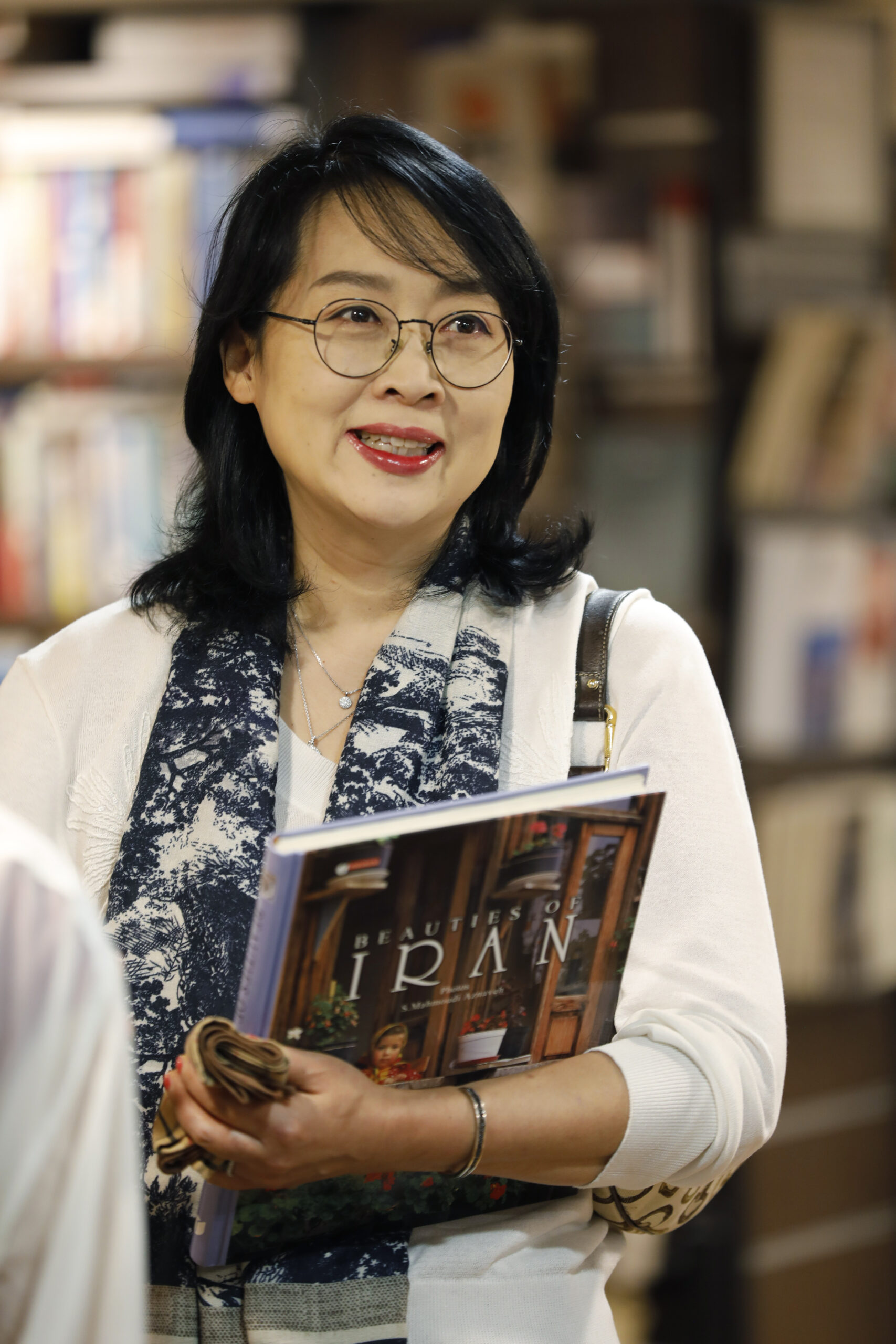
A significant part of the conversation focused on the guests’ experience of reading culture in Iran. Eunah Shin of South Korea expressed her surprise at the number of bookshops and the continuing presence of printed books in the everyday lives of Iranians. She said that seeing young people reading on the Tehran Metro had been a heartening experience, particularly at a time when social media and video platforms occupy so much of the younger generation’s attention in many countries.
Other members of the group spoke about seeing people reading in Tehran’s parks, cafés and public spaces. One guest compared her memories of the Moscow Metro in earlier years with the present day, noting the rise in mobile-phone use and the relative decline in the number of passengers holding books.
In response, Jafarabadi said that reading is not confined to books: every human being is an unwritten book worthy of being read.
Tayebeh Ezhei, Head of the Children and Young Adults Department at the BookCity Institute, also spoke about BookCity colleagues’ monthly reading club, where members introduce works that have captured their interest. The discussion included Cicada by Shaun Tan and Big Panda and Tiny Dragon, works that, despite being associated with children and young adults, offer profound layers of meaning for adult readers as well. Another proposal for future programmes was to discuss films adapted from novels.
Malika Shiri, who runs BookCity’s new “Khanaei” reading club, also introduced the initiative and described its activities to the guests.
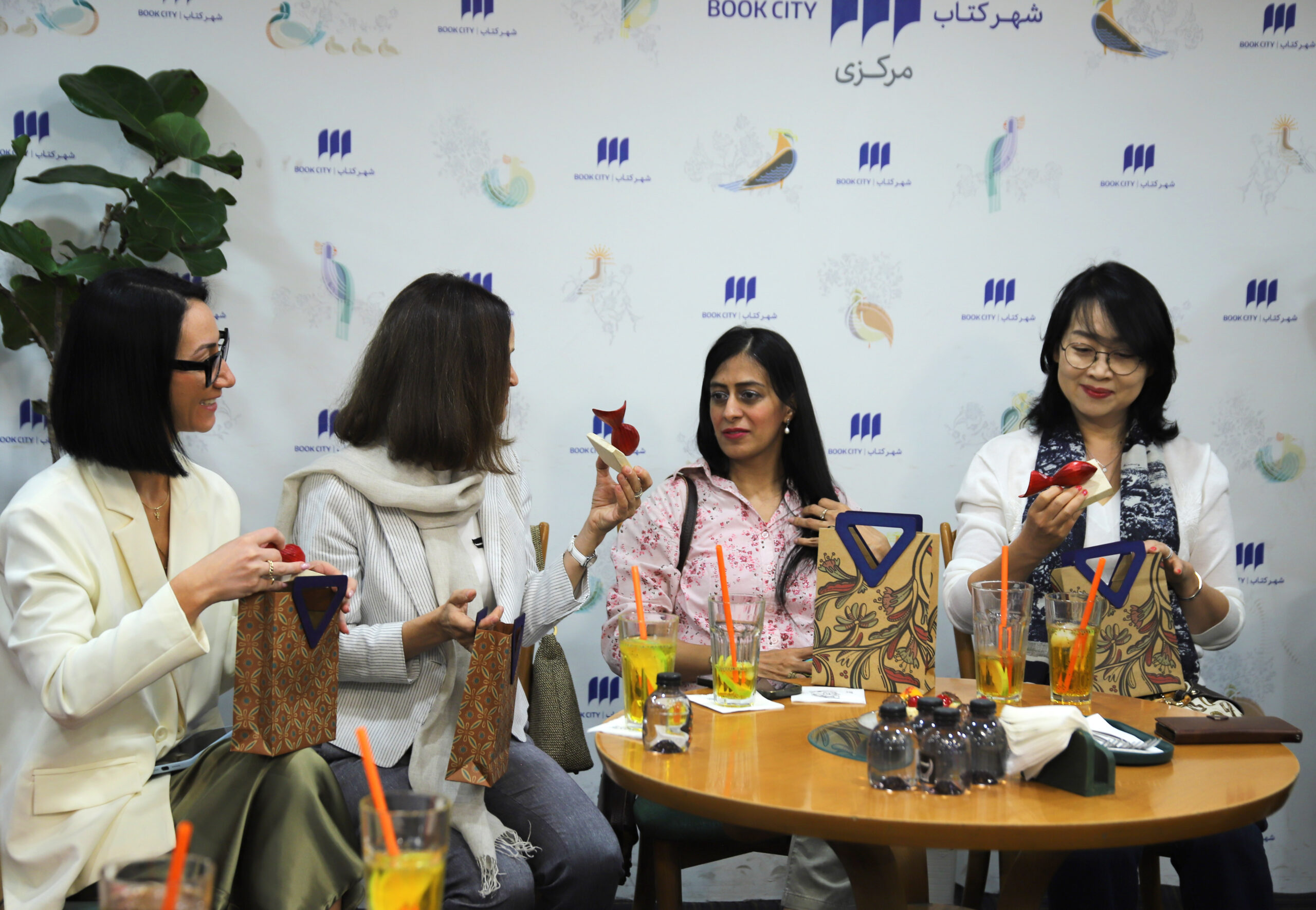
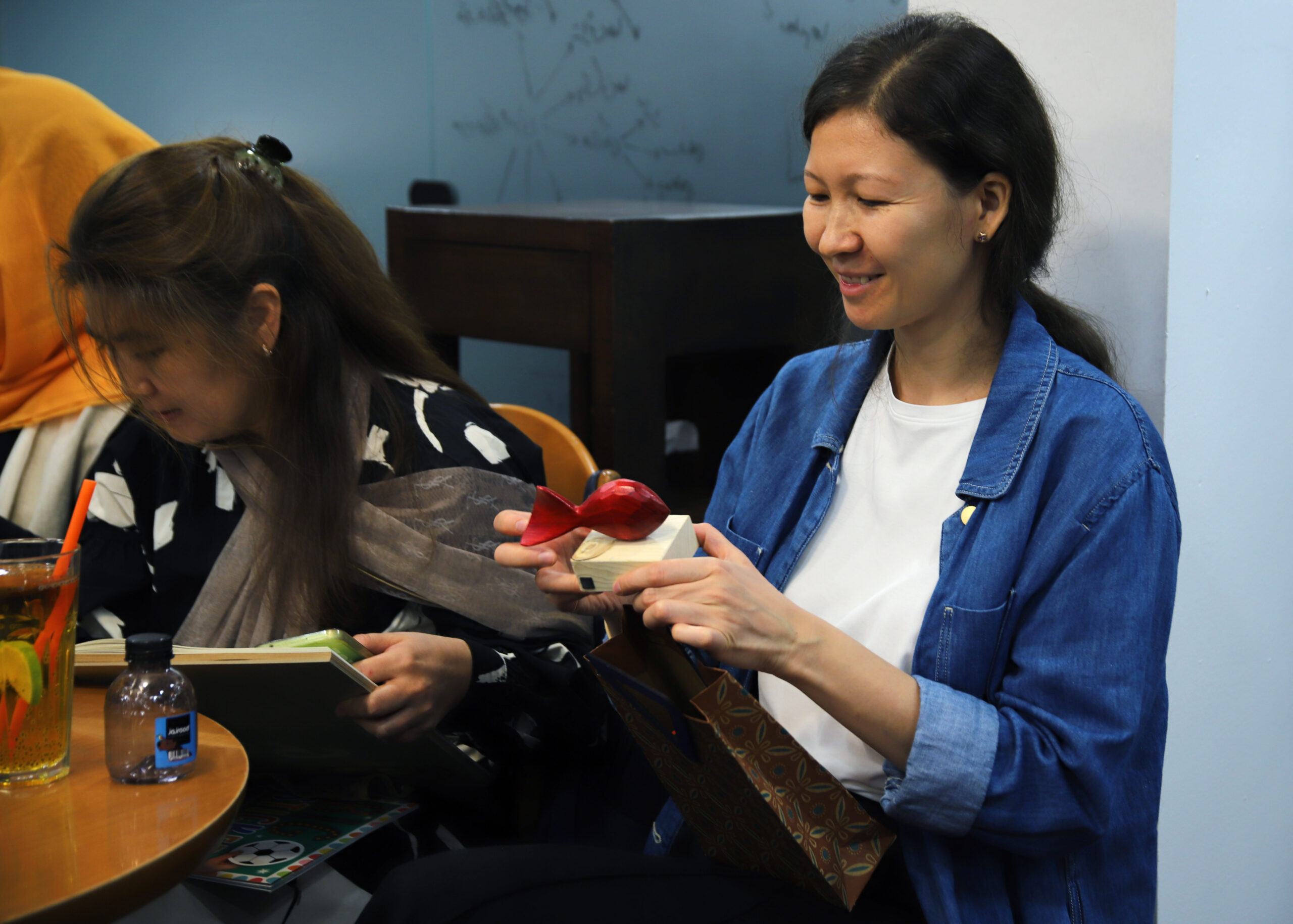
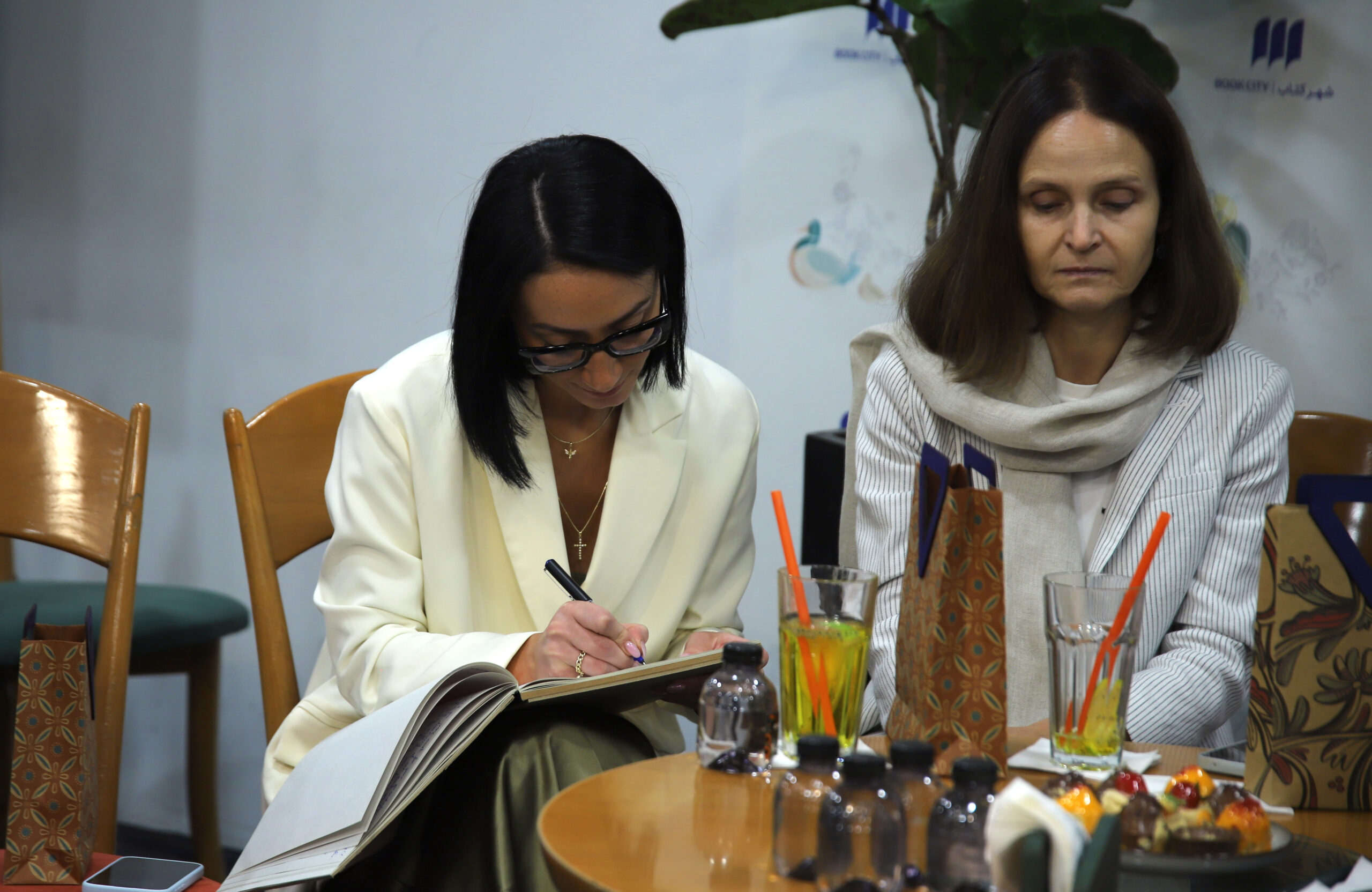
At the close of the programme, BookCity presented the guests with symbolic gifts. The visitors signed BookCity’s guestbook and wrote about their experience of the visit.
Diana Ramazanova recalled the “warm and delightful time” she had spent at BookCity and wished the organisation every success in its cultural mission.
Eunah Shin described BookCity as a warm home for books and wrote that she would continue to follow its activities with interest from South Korea.
Marzhan Kaldybaeva described the visit as “an amazing discovery of a new world of books in Tehran” and expressed the hope that BookCity would become a welcoming place for families and friends to read and discover new books.
Mia Sony thanked BookCity for its hospitality, describing it as a peaceful and comfortable environment for book lovers. She also noted the diversity of its cultural products, ranging from books and handicrafts to stationery and toys.
Teona Elizbarashvili wrote of spending a beautiful morning at BookCity and wished the organisation many visitors from Georgia.
In a joint note, the club’s coordinators, Saadiah Shahbaz and Kaira Fomenko, quoted the words, “Books are a uniquely portable magic.” They thanked BookCity for the invitation and expressed the hope that the relationship would lead to further intellectual and cultural exchanges.
Angelica Díez Diez described the visit to BookCity as “a beautiful page in the book of life” and expressed her appreciation for the hospitality and efforts of the BookCity team.
The programme concluded with a group photograph, friendly conversations and a tour of BookCity’s different departments—a visit in which books became an occasion for dialogue, and dialogue a path towards bringing cultures closer together.




Tags: Book Diplomacy, BookCity, Public Diplomacy