

"Isfahan Night": Decoding the Symbols, History, and Soul of a City
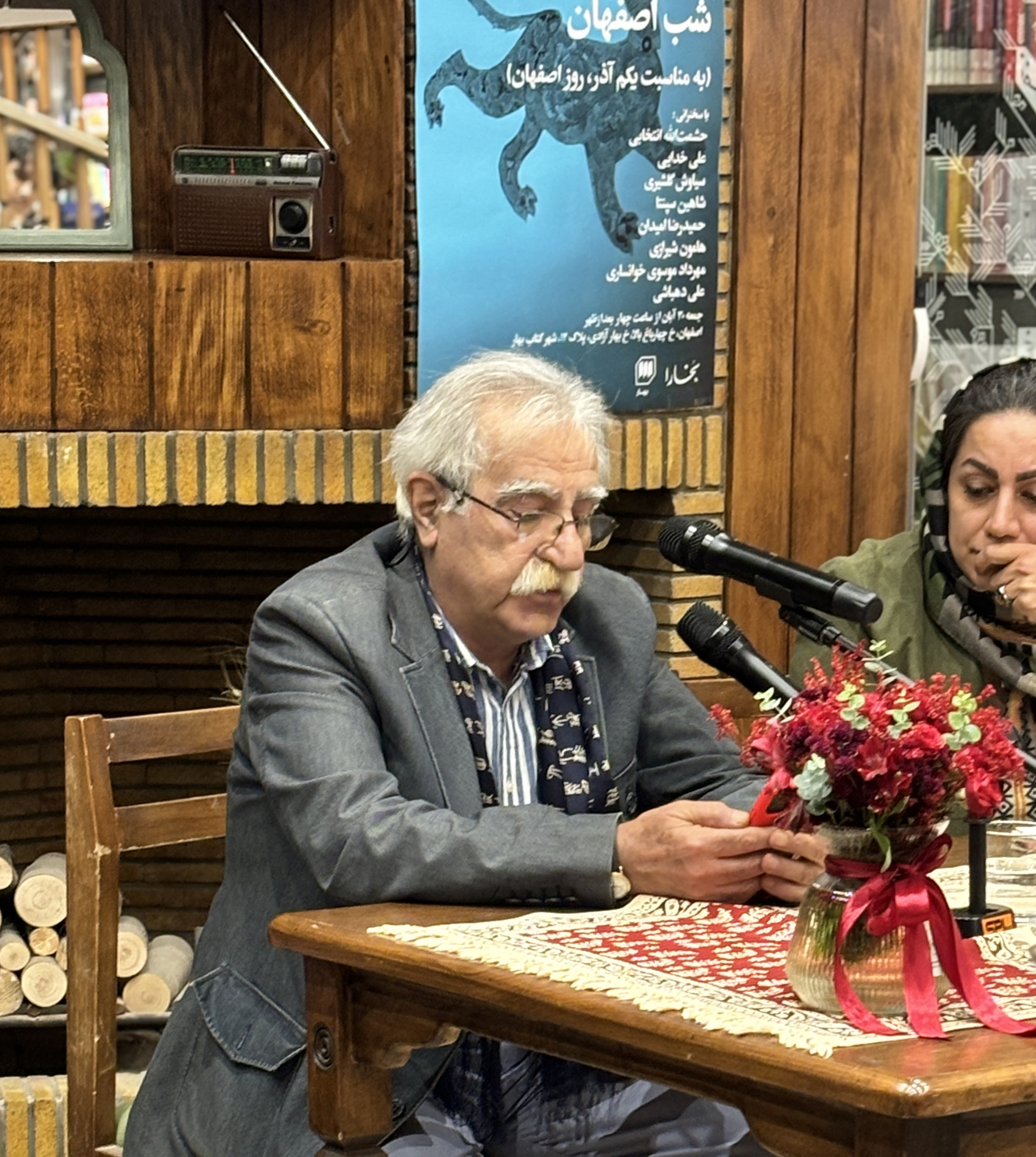
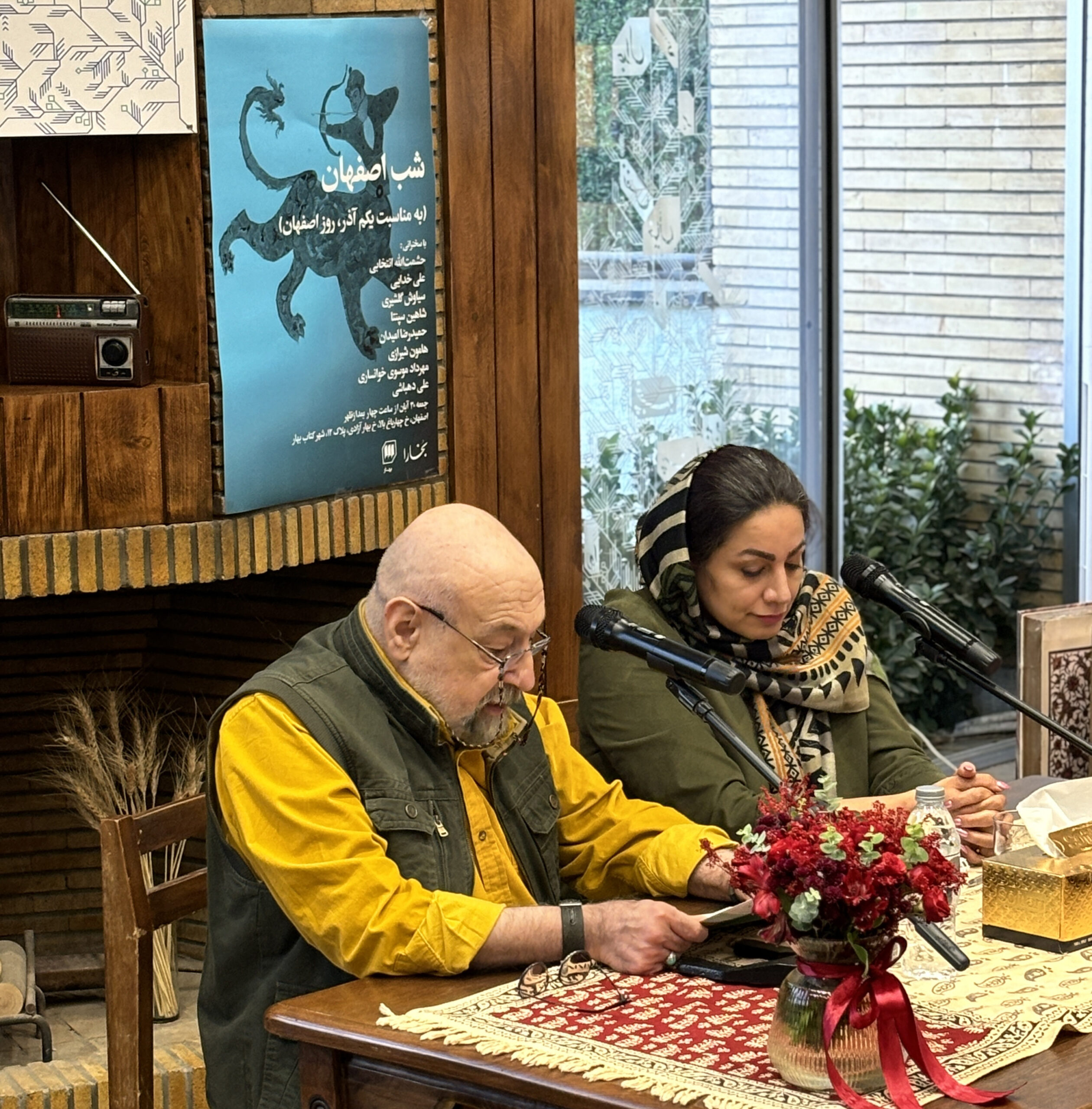
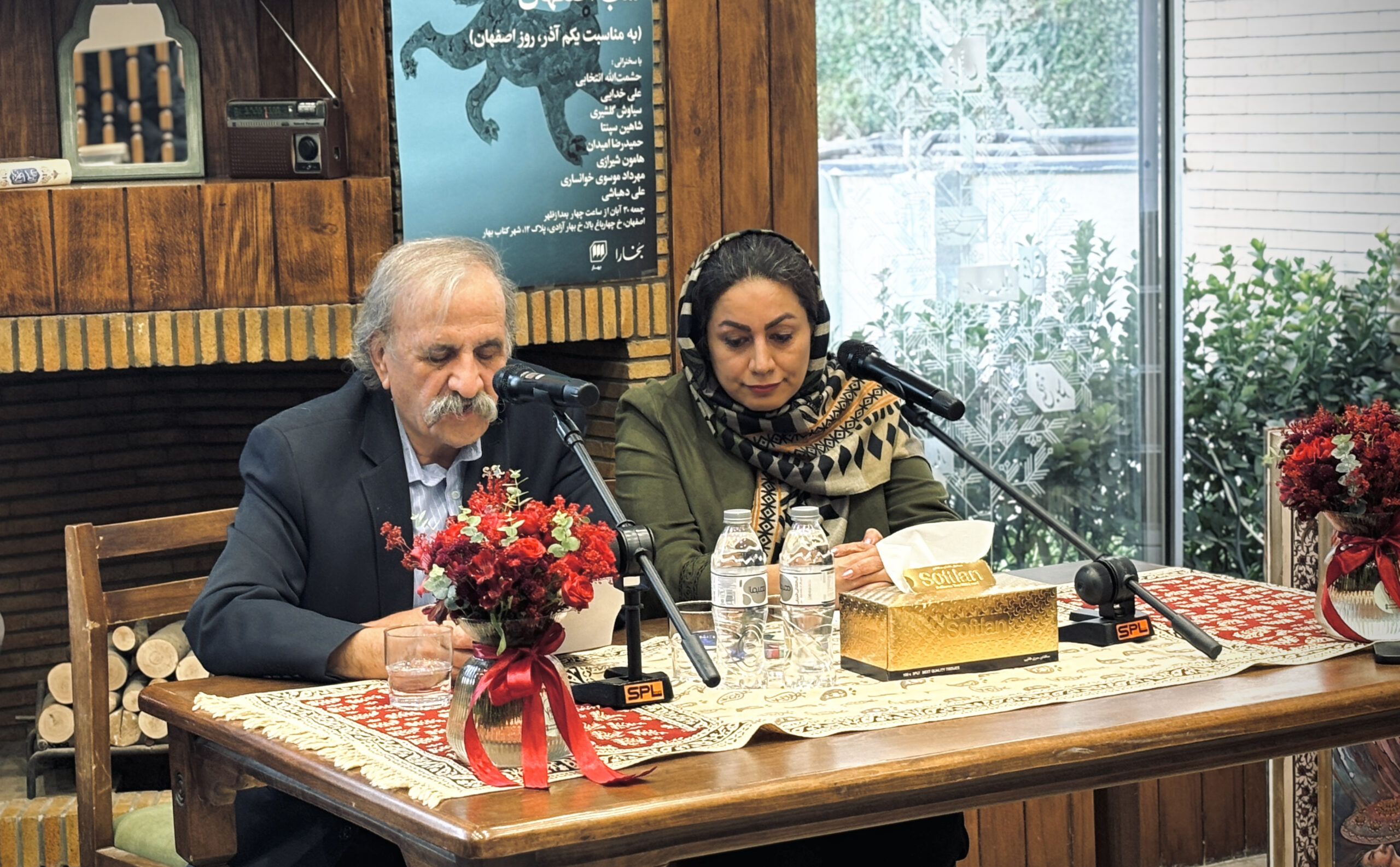
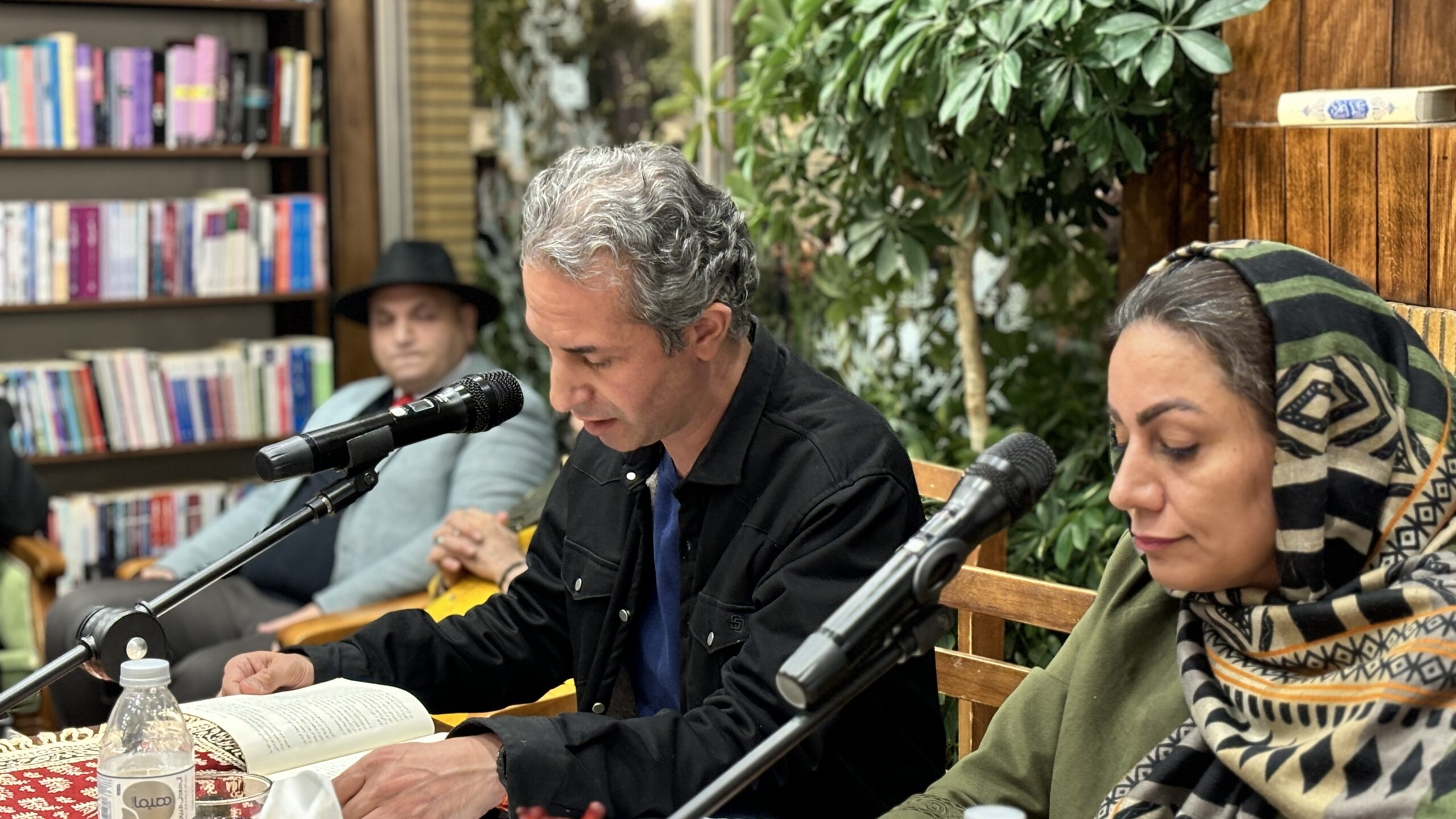
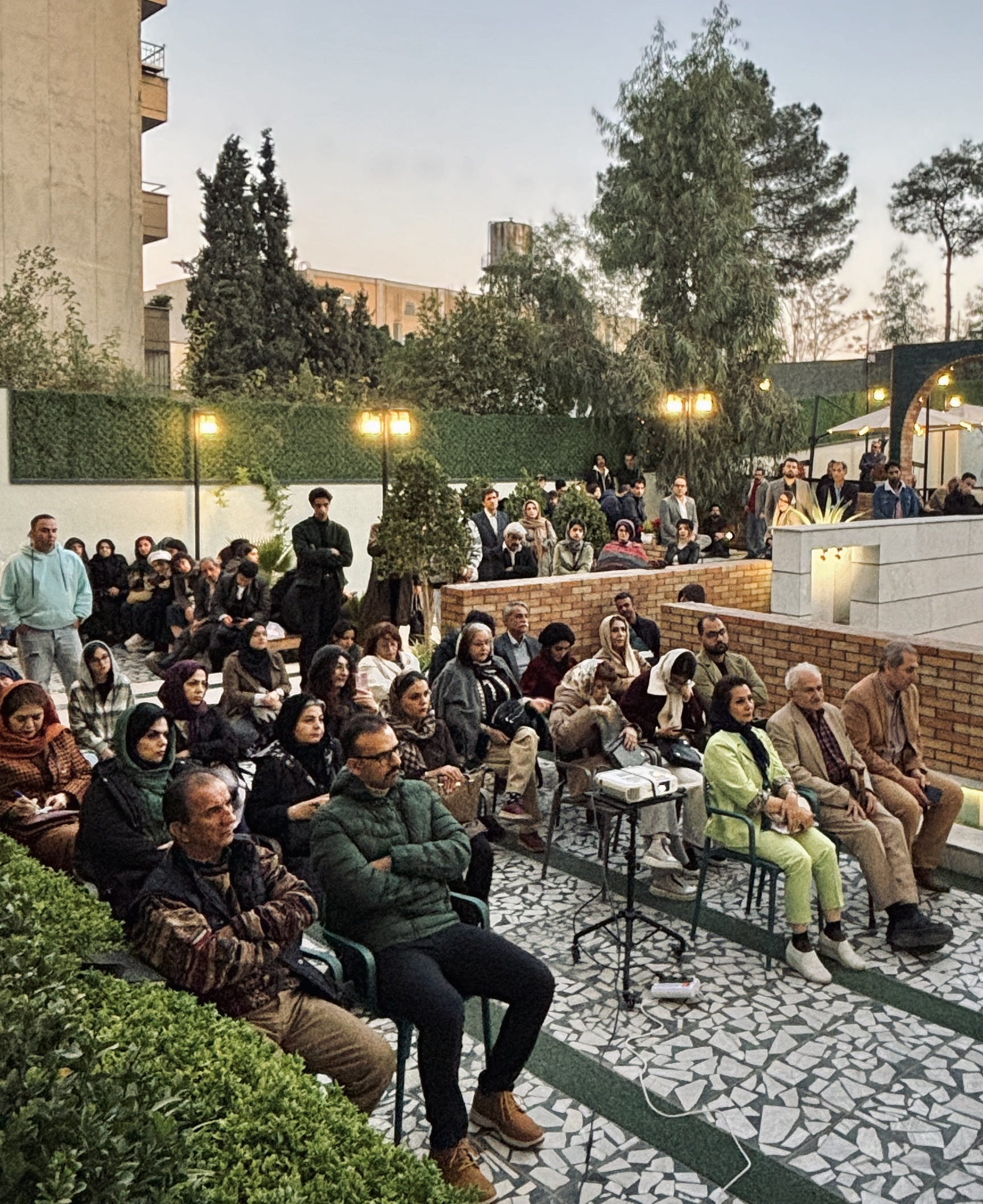
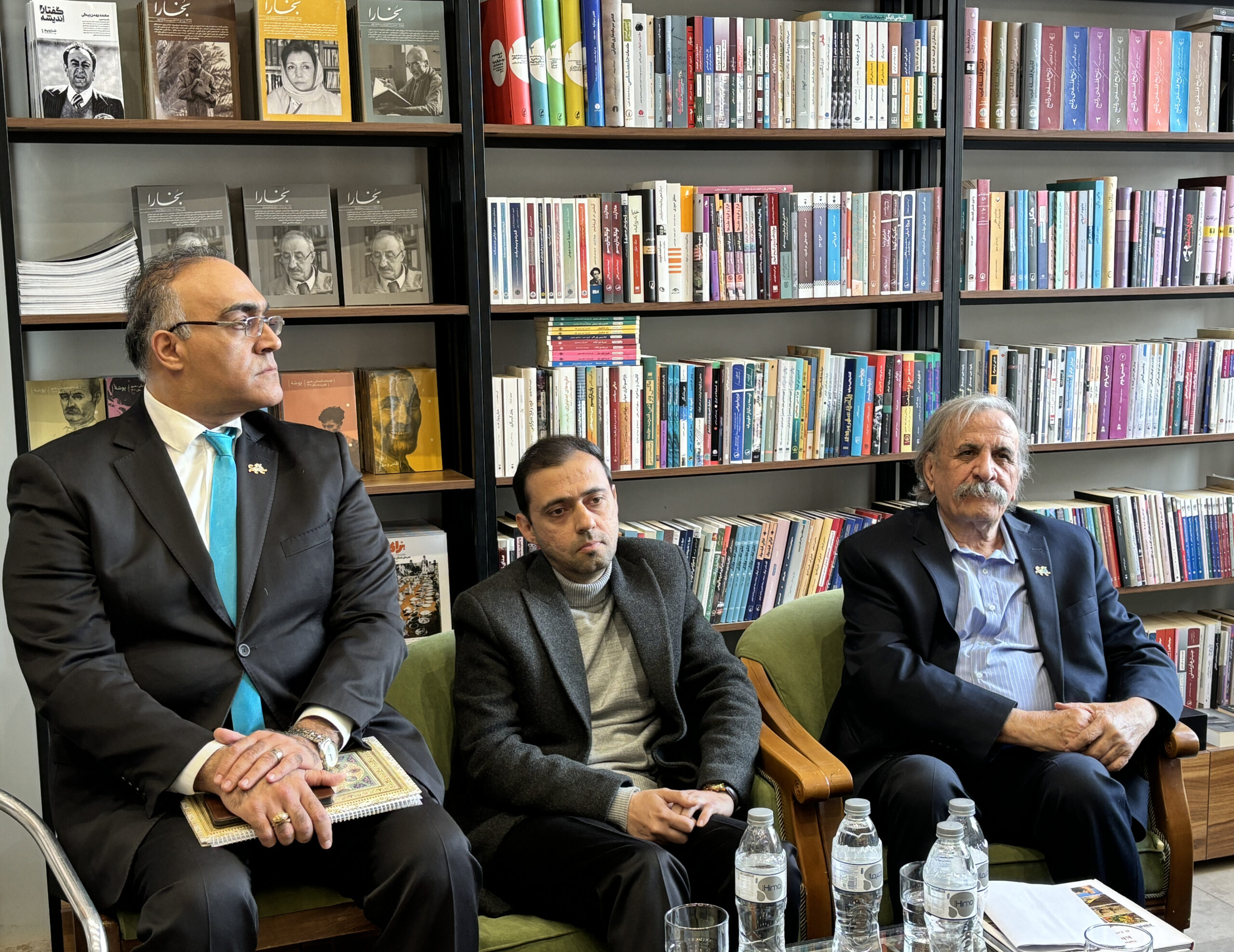
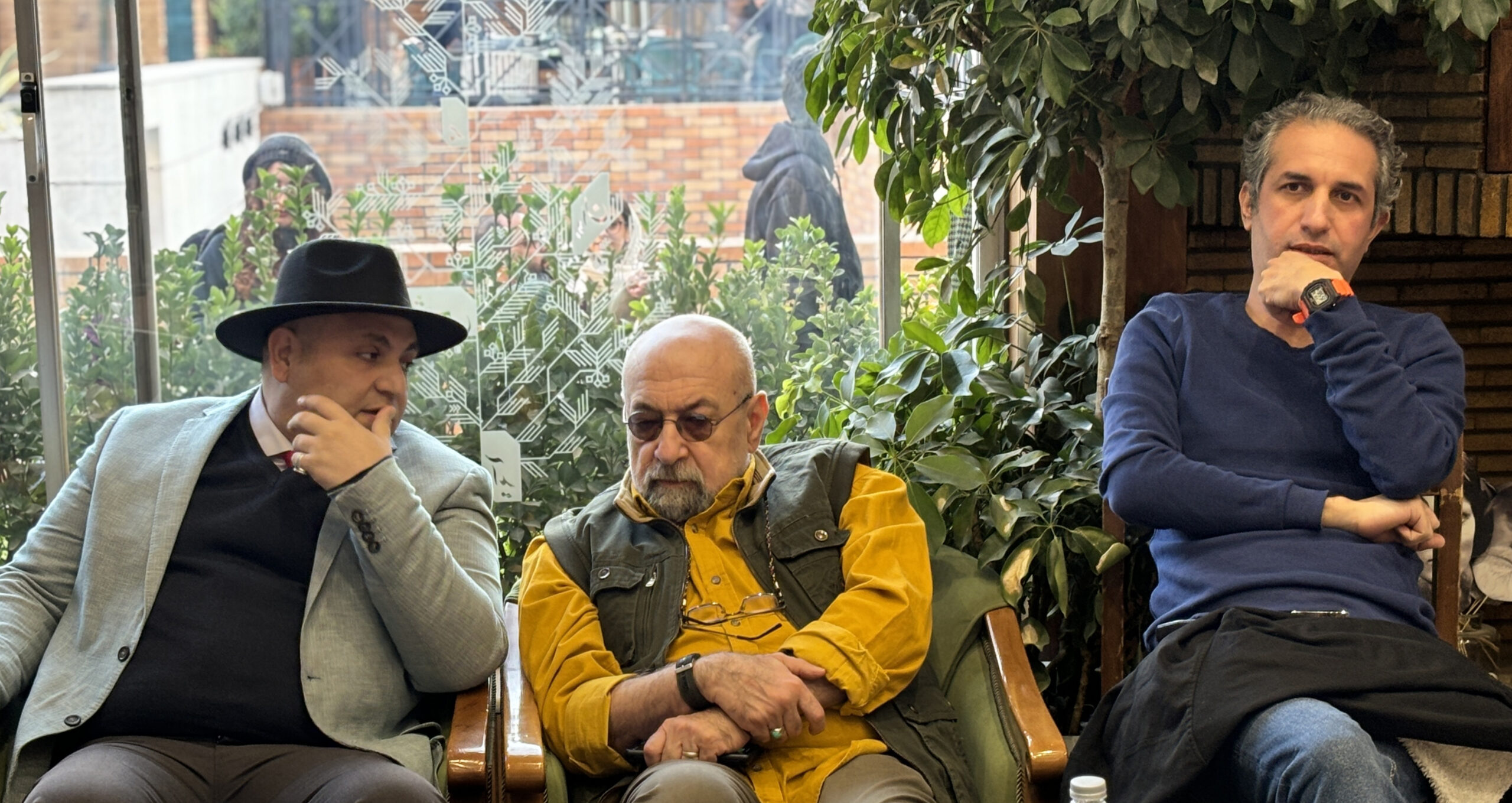
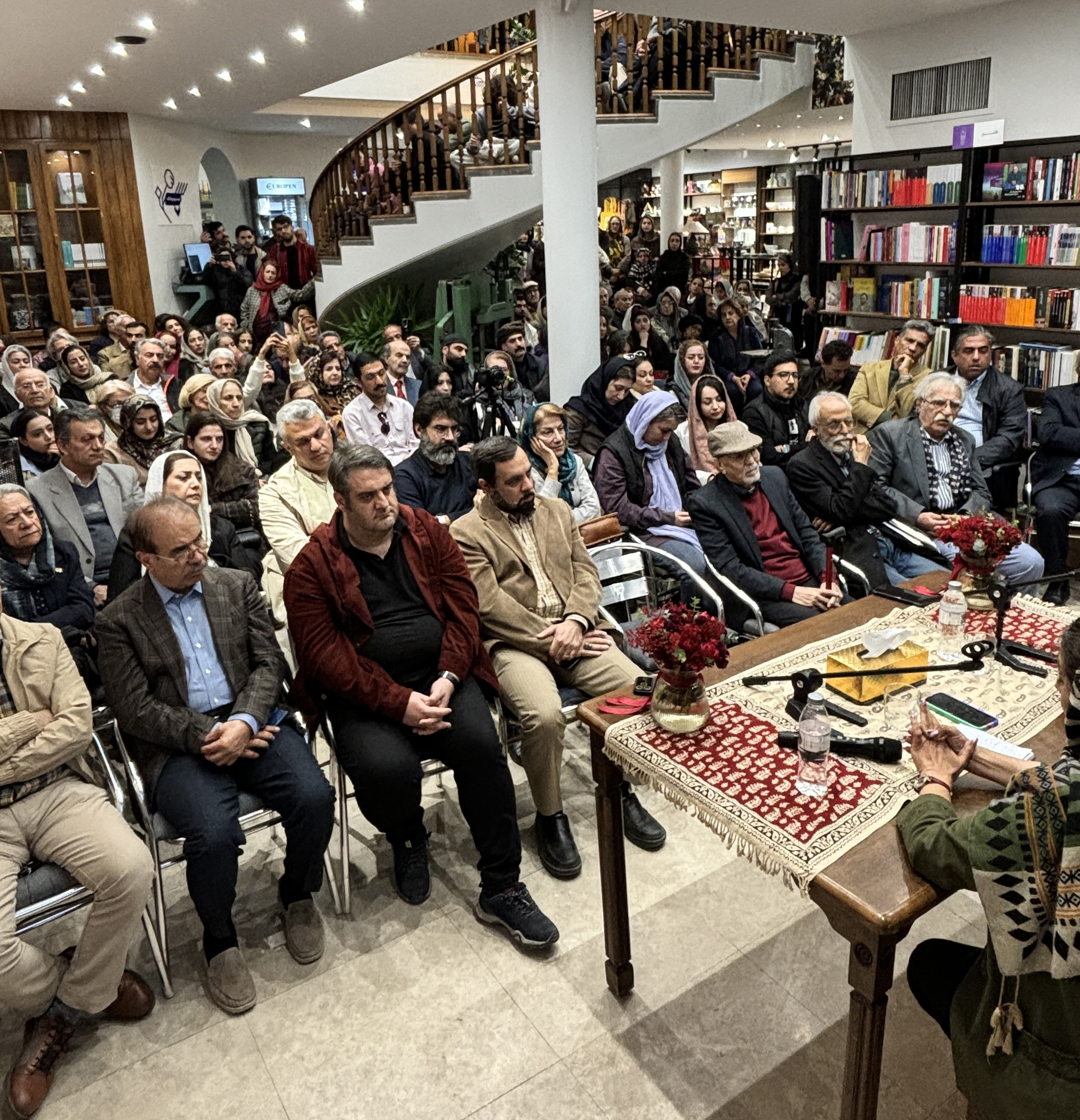
On Friday, November 21, 2025, on the eve of “Isfahan Day,” BookCity Bahar became the beating heart of the city’s cultural memory. The venue hosted the 914th session of the renowned “Bukhara Nights” series, curated by Ali Dehbashi. In an event brimming with scholars and enthusiasts, the evening was dedicated to re-reading the roots, symbols, and enduring narratives of Isfahan.
The session opened with Heshmatollah Entekhabi, a social and environmental activist, who traced the city’s origins through the lens of mythology. Linking Isfahan to ancient figures like Jamshid and Kaveh the Blacksmith, and citing historical accounts by Hamza al-Isfahani, he suggested that the city’s foundations—and landmarks like the Fire Temple—are deeply intertwined with the mythical era of Iranian history.
Shahin Sepanta, a researcher of Isfahan’s symbology, then took the stage to discuss the city’s official emblem: the Sagittarius figure from the Qeysarieh Bazaar gate. He detailed the journey from its proposal in 1991 to its official adoption in 2007. Sepanta decoded the emblem’s structure—the Archer and the Dragon’s tail—explaining that it is not merely a design but a vessel for concepts such as wisdom, glory, dynamism, and endurance.
The conversation took a more somber turn with historian Mehrdad Mousavi Khansari. Reviewing Isfahan’s tumultuous past, from the Afghan siege to the chaos of the Zand and Qajar eras, he emphasized that the city has always remained “alive.” However, he warned that today’s threats are different: drought, land subsidence, and pollution—dangers exacerbated by unsustainable human behavior—pose an existential risk that historical invasions never did.
Adding a socio-economic perspective, Hamidreza Omidan from the Chamber of Commerce spoke of a “perceptual gap.” He argued that misconceptions about the city, both in public opinion and policymaking, lead to unfair resource allocation, necessitating a united front among the elite and the general public.
The evening concluded with a celebration of art and literature. Ali Khodaei read a story centered on the Zayandeh Rood River, paying homage to cultural icons like Arham Sadr and Zaven Ghukasian. Meanwhile, Siavash Golshiri and Hamoon Shirazi analyzed the “Isfahan School” in cinema and literature, highlighting the city’s potential to narrate its story to new generations. This event underscores BookCity’s deep commitment to urban identity. By hosting such gatherings, BookCity acts as a custodian of collective memory, creating a space where history, ecology, and art converge to ensure that the dialogue about the city’s past and future remains vibrant and ongoing.