

From the Ashes of War to Diaspora in Arab Narratives:
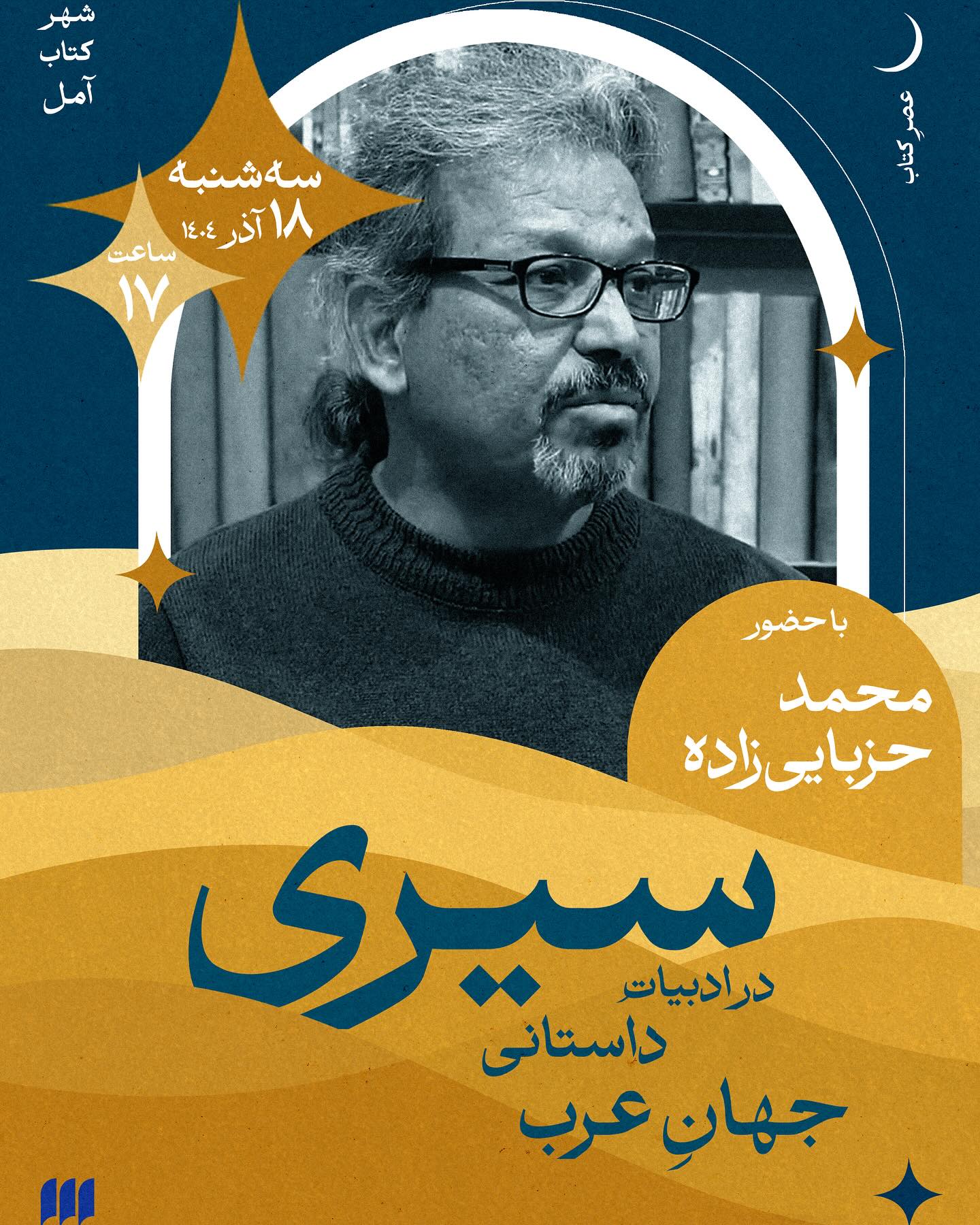
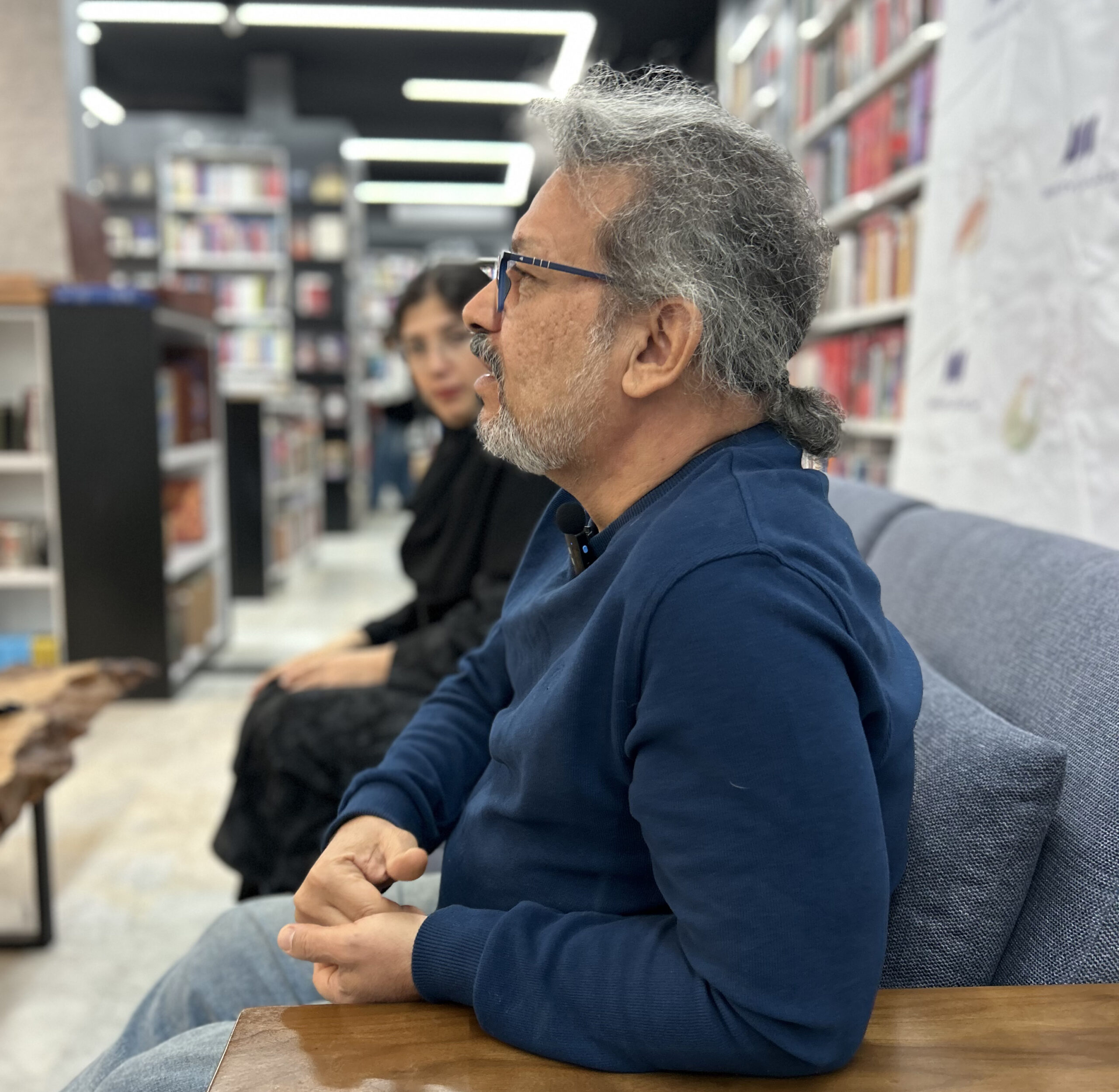
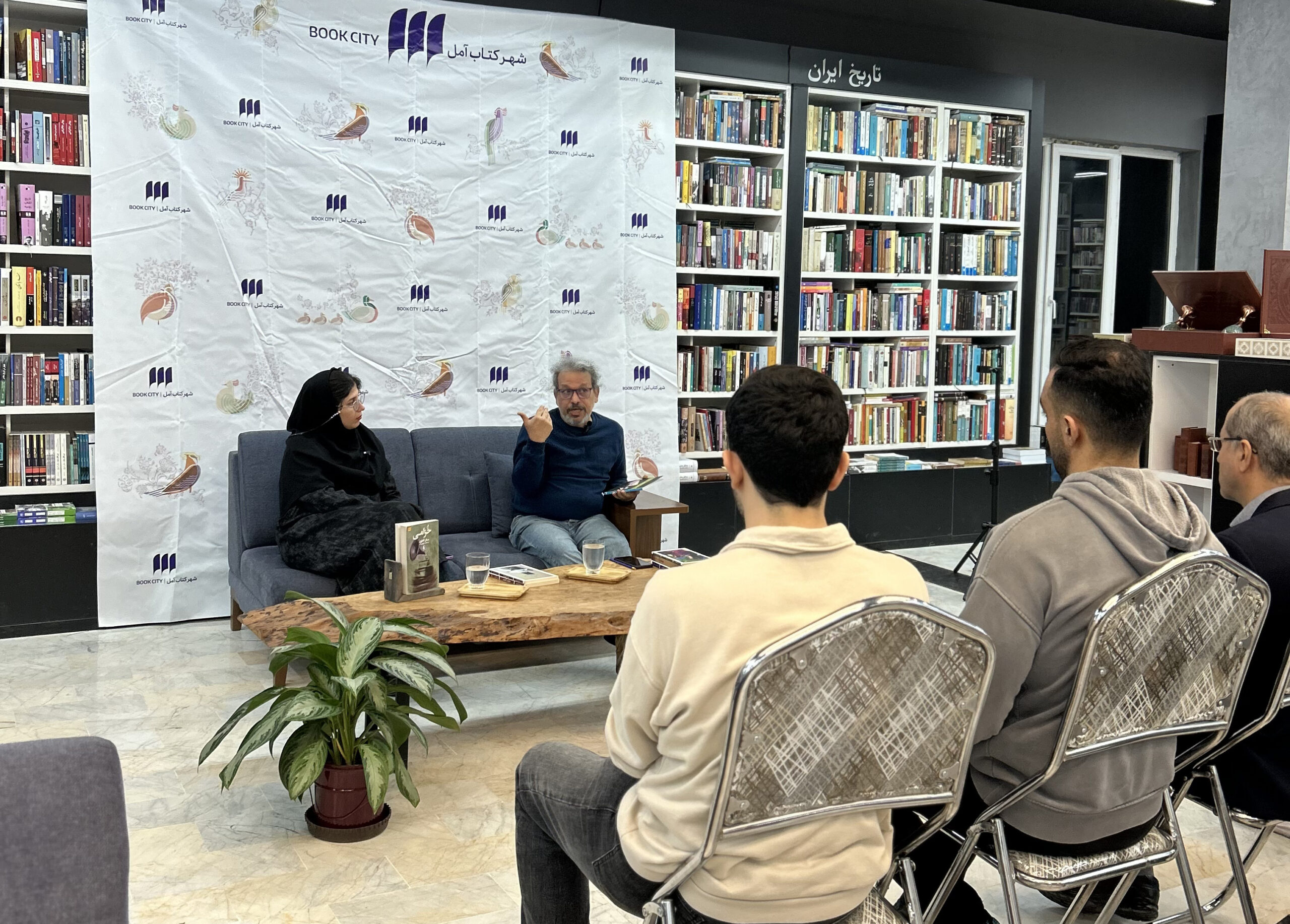
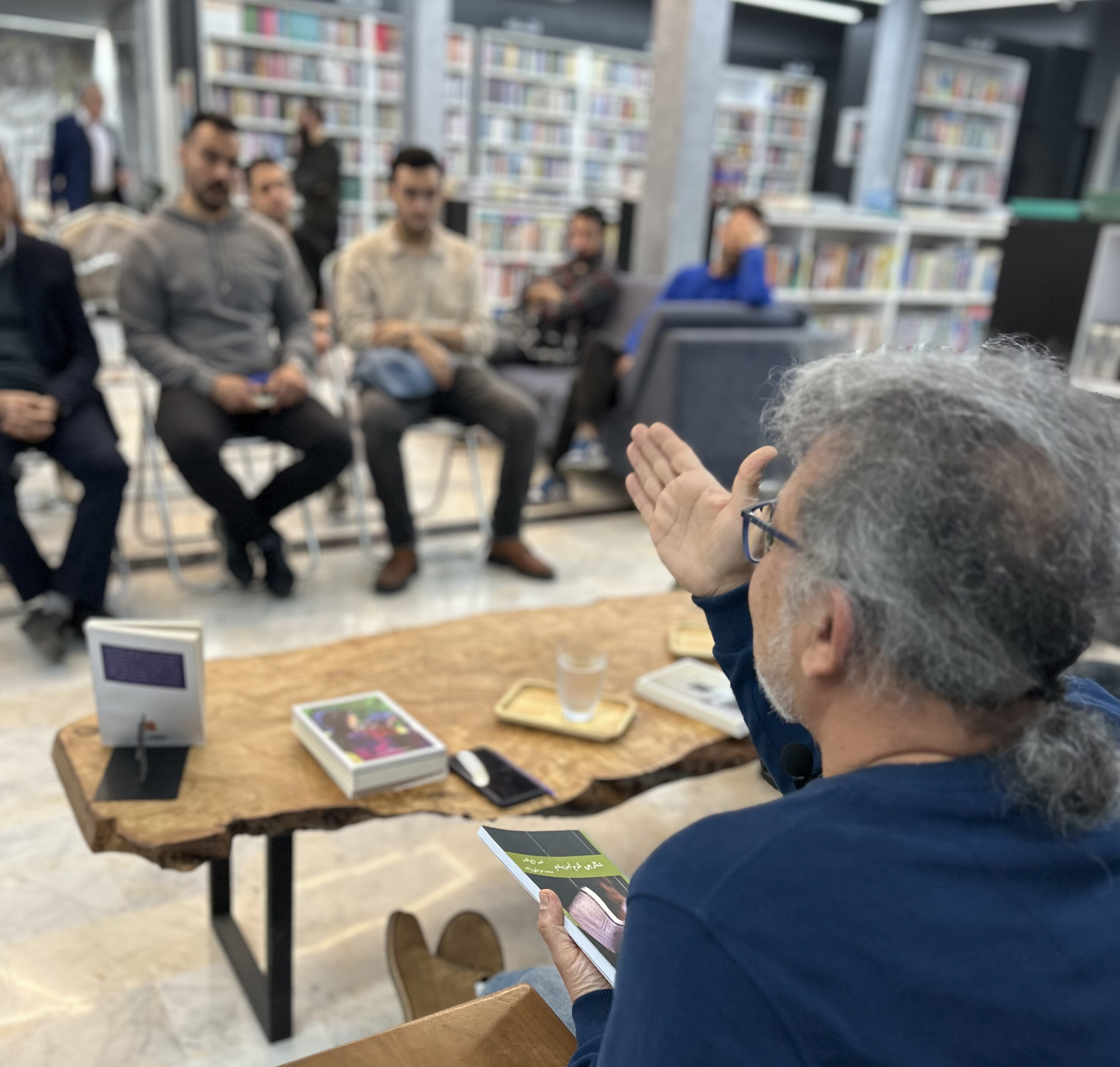
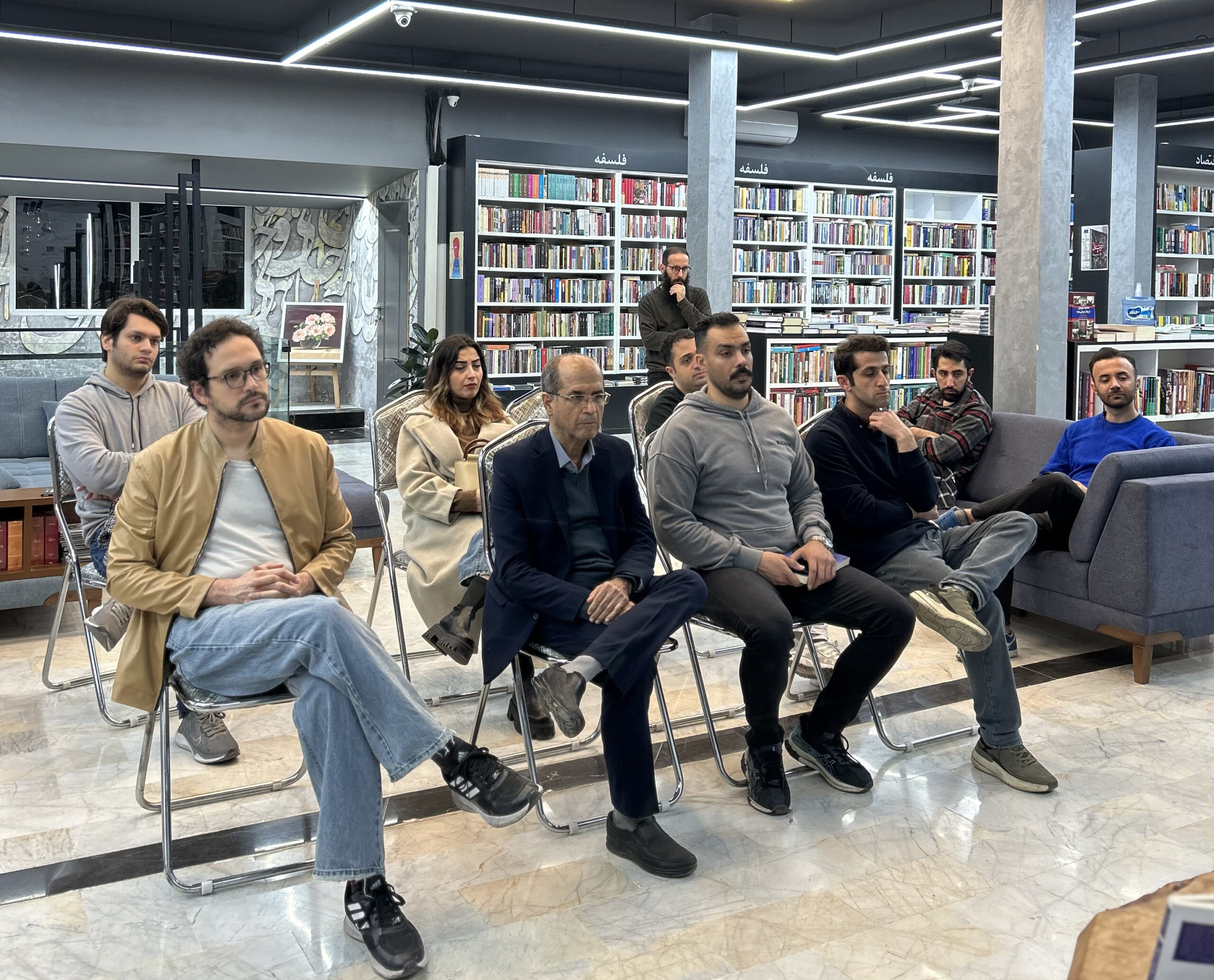
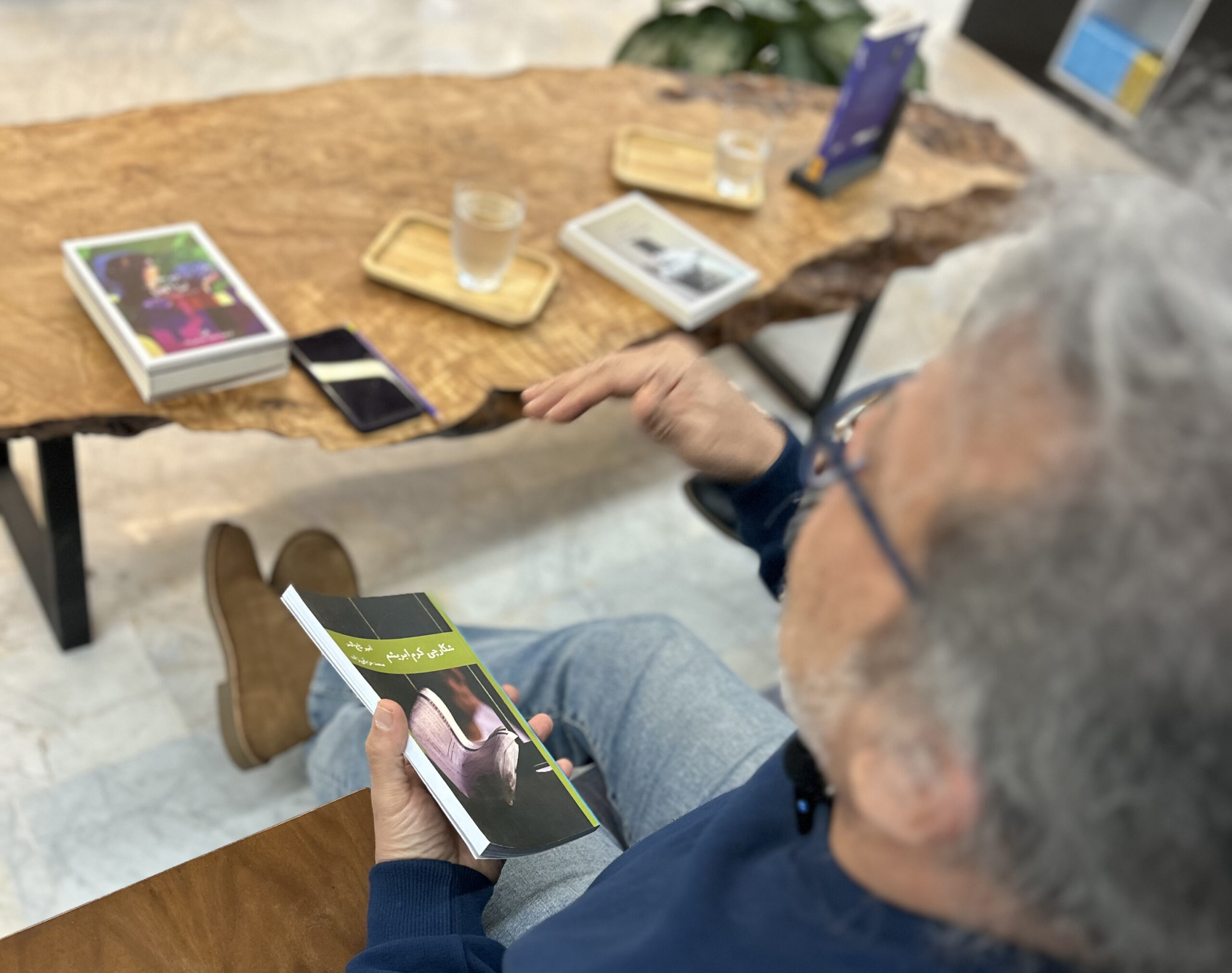
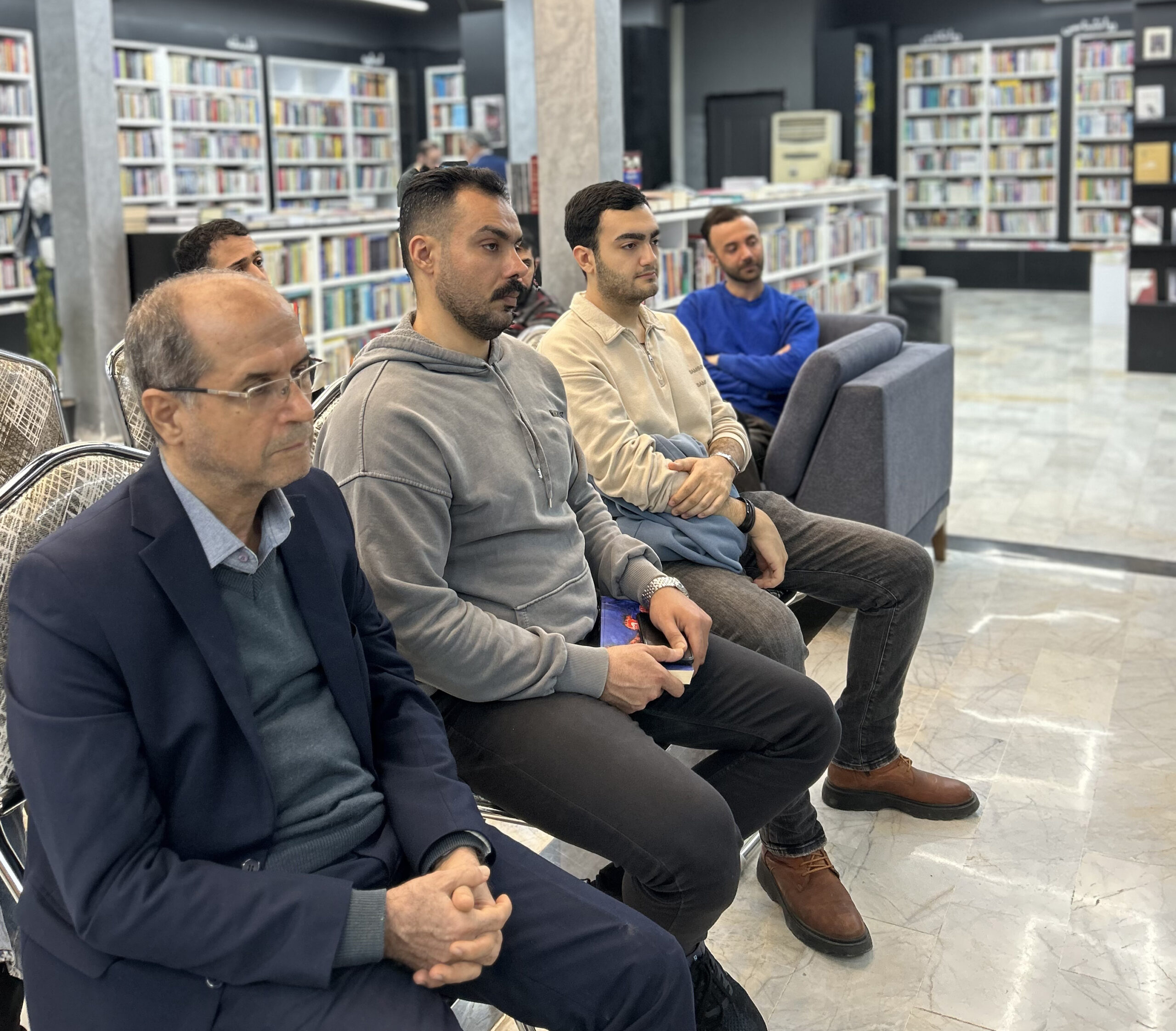
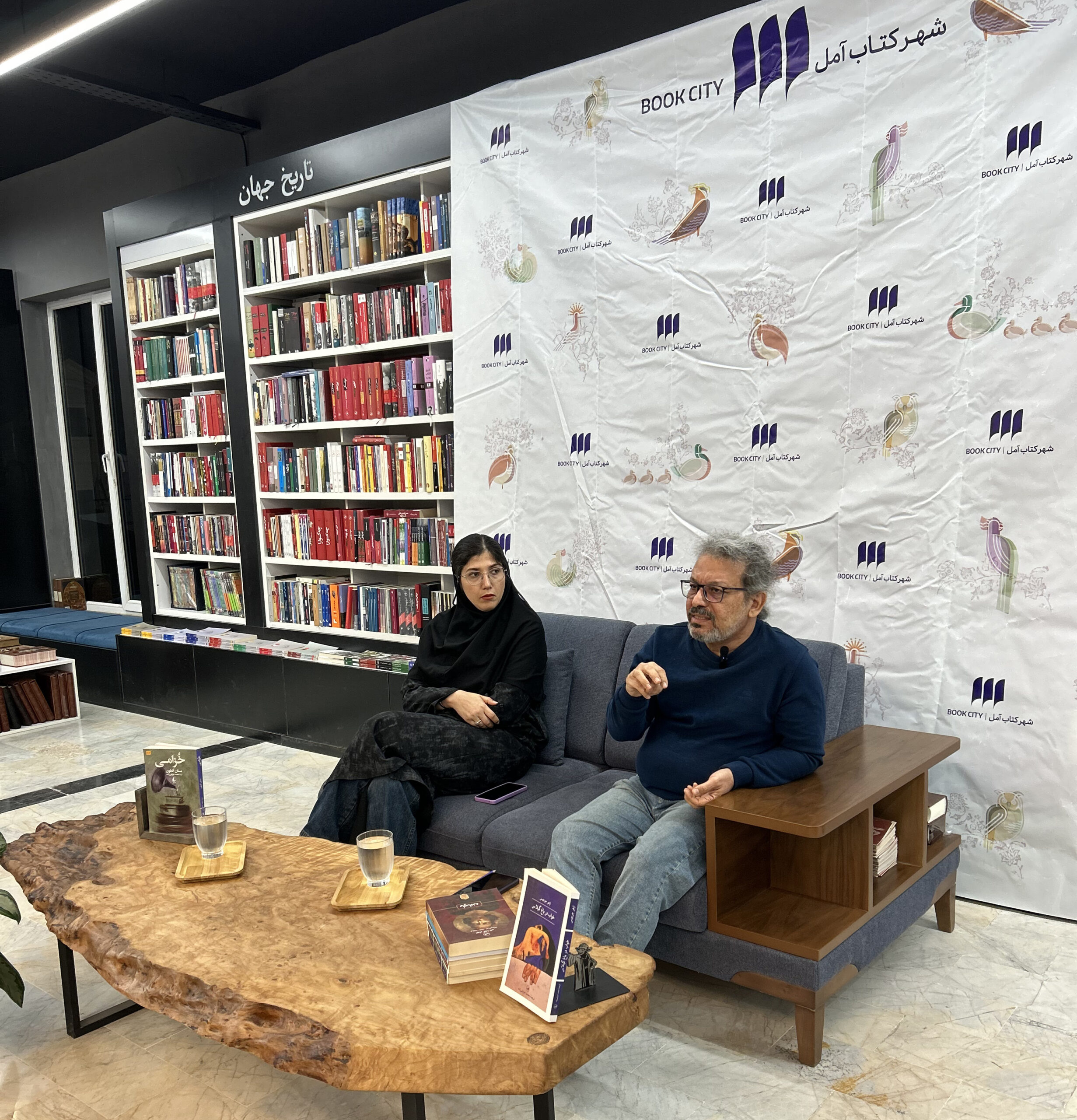
On Tuesday evening, December 9, 2025, Amol BookCity transformed into a gateway to the contemporary Arab literary world. Hosting the distinguished translator Mohammad Hezbaeizadeh, the session titled “A Journey through Arab World Fiction” went far beyond a historical overview; it became a deep dive into the fragmented identities, the trauma of war, and the complex narratives of migration that define the modern Arab experience.
Hezbaeizadeh opened the dialogue by mapping the unique coordinates of Arab storytelling, tracing how the region’s turbulent history has reshaped its narrative voice. He introduced the audience to the vanguard of contemporary Arabic literature—authors like Sinan Antoon, Azhar Jirjees, Abdullah Al-Busais, Maryam Meshtawi, and Amir Taj al-Sir. These are writers whose works do not merely recount events; they weave the visceral lived experiences of their people into the broader tapestry of socio-political upheaval.
The conversation naturally gravitated toward the scars left by conflict. Participants engaged in a spirited discussion on how war dismantles and reconstructs fictional worlds, altering not just the plot, but the very language and psyche of the characters. This led to a critical analysis of “individuality” and the crisis of identity in the age of migration. The panel explored how modern narratives reflect a state of “polyphonic identity,” where characters float in the liminal space between memory and a new life, negotiating the distance between their mother tongue and their adopted homes.
Turning the lens outward, the session examined the global reception of Arabic letters. Hezbaeizadeh highlighted the pivotal role of literary accolades—specifically the International Prize for Arabic Fiction (IPAF/Arabic Booker), the Sheikh Zayed Book Award, and the Naguib Mahfouz Medal—in amplifying these voices. He illustrated how these platforms have been instrumental in diversifying themes and accelerating translations, finally allowing Arab stories to breach borders and reach a universal audience.
The evening concluded at the intersection of art and algorithm. The discussion on the “craft of translation” moved from the human challenge of capturing the soul of an Arabic text to the emerging role of technology. A lively Q&A ensued regarding Artificial Intelligence in literature, debating whether algorithms can ever truly replicate the nuance of human storytelling. It was a fitting end to a night dedicated to the power of words, leaving the audience with lingering questions about the future of global narratives.