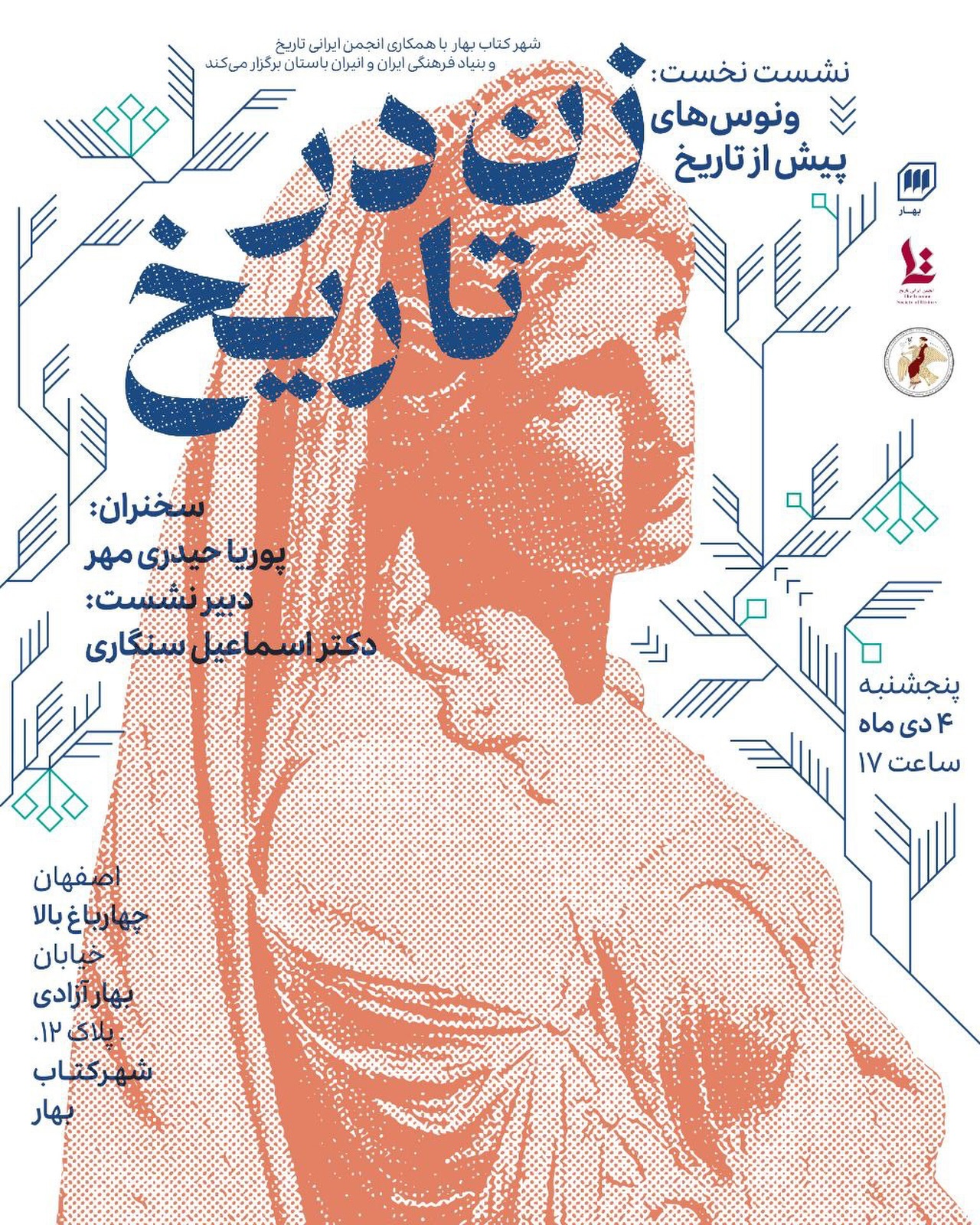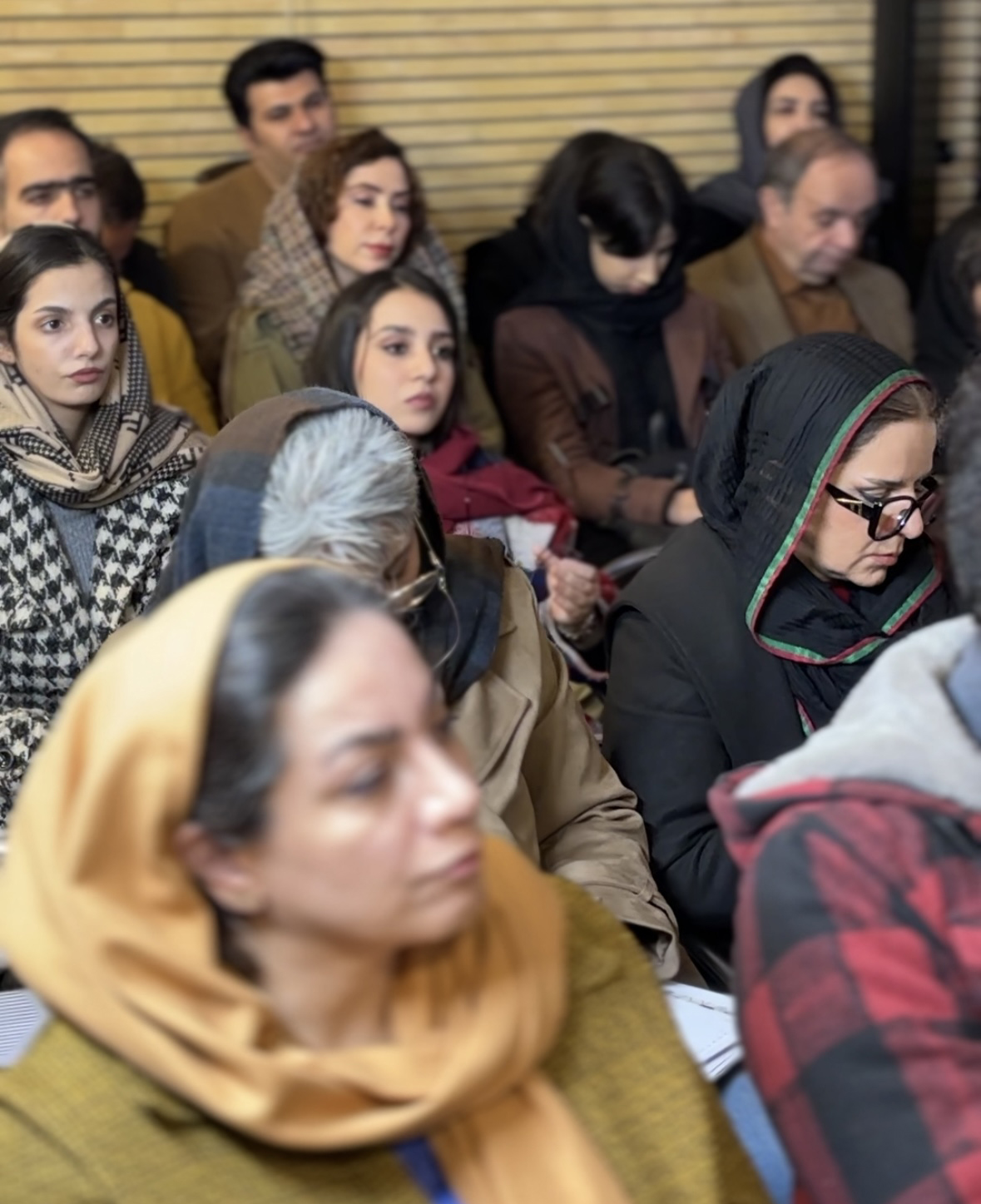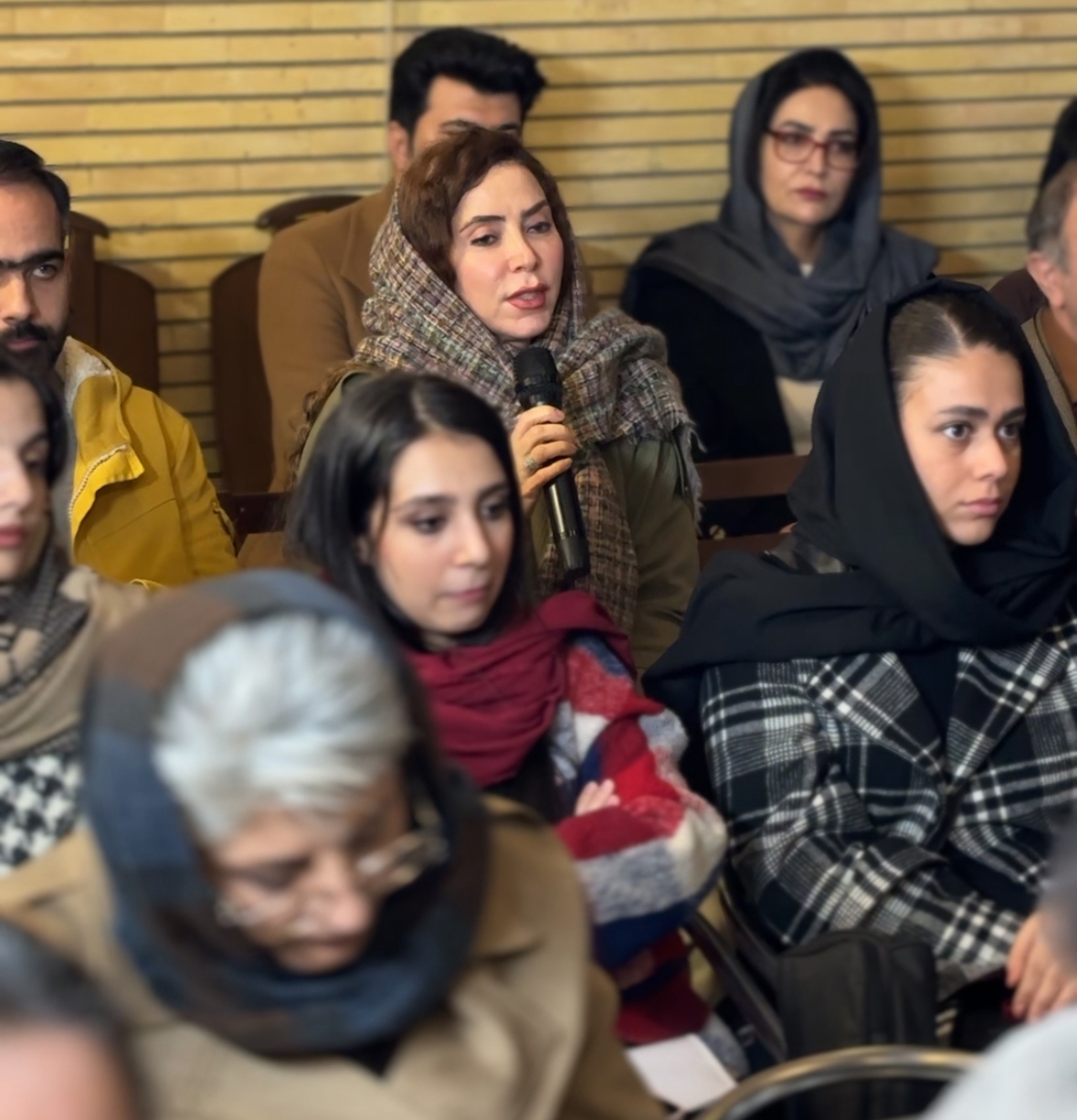


The Problem with the Name “Venus”
Heydarimehr argued that the term “Venus”—commonly used to describe Paleolithic and Neolithic female figurines—is far from neutral. Rooted in Greco-Roman ideals of beauty and eroticism, the label reflects a male-centric gaze. By projecting modern sexualized standards onto ancient artifacts, traditional archaeology has often overlooked the actual social and cultural roles these objects played.
Challenging the “Hunter-Gatherer” Stereotype
The discussion tackled the binary myth of the “Male Hunter vs. Female Caregiver.” Heydarimehr pointed out that recent findings suggest women were active participants in hunting and survival. “We must move away from cultural assumptions that aren’t backed by evidence,” he noted, emphasizing that these figurines represent a much wider range of female experiences than just fertility.
A Multi-Faceted View of Womanhood
From potential self-portraits (carved by women looking down at their own bodies) to symbols of the “Grandmother Theory”—where older women served as vital keepers of cultural knowledge—the figurines offer a glimpse into a complex prehistoric world. Whether as protective amulets or symbols of rebirth, their meaning changes depending on their specific cultural context.
The BookCity Cultural Standard
While Bahar BookCity hosted this deep dive into feminist archaeology, this level of critical inquiry is a hallmark of all BookCity branches. We strive to be more than a bookstore; we are a platform for correcting historical biases and fostering modern cultural understanding.
The session concluded with an overview of the geographic spread of these artifacts, from the European heartlands to the ancient Anatolian sites like Göbekli Tepe, leaving the audience with a renewed perspective on the “Woman” in history.