


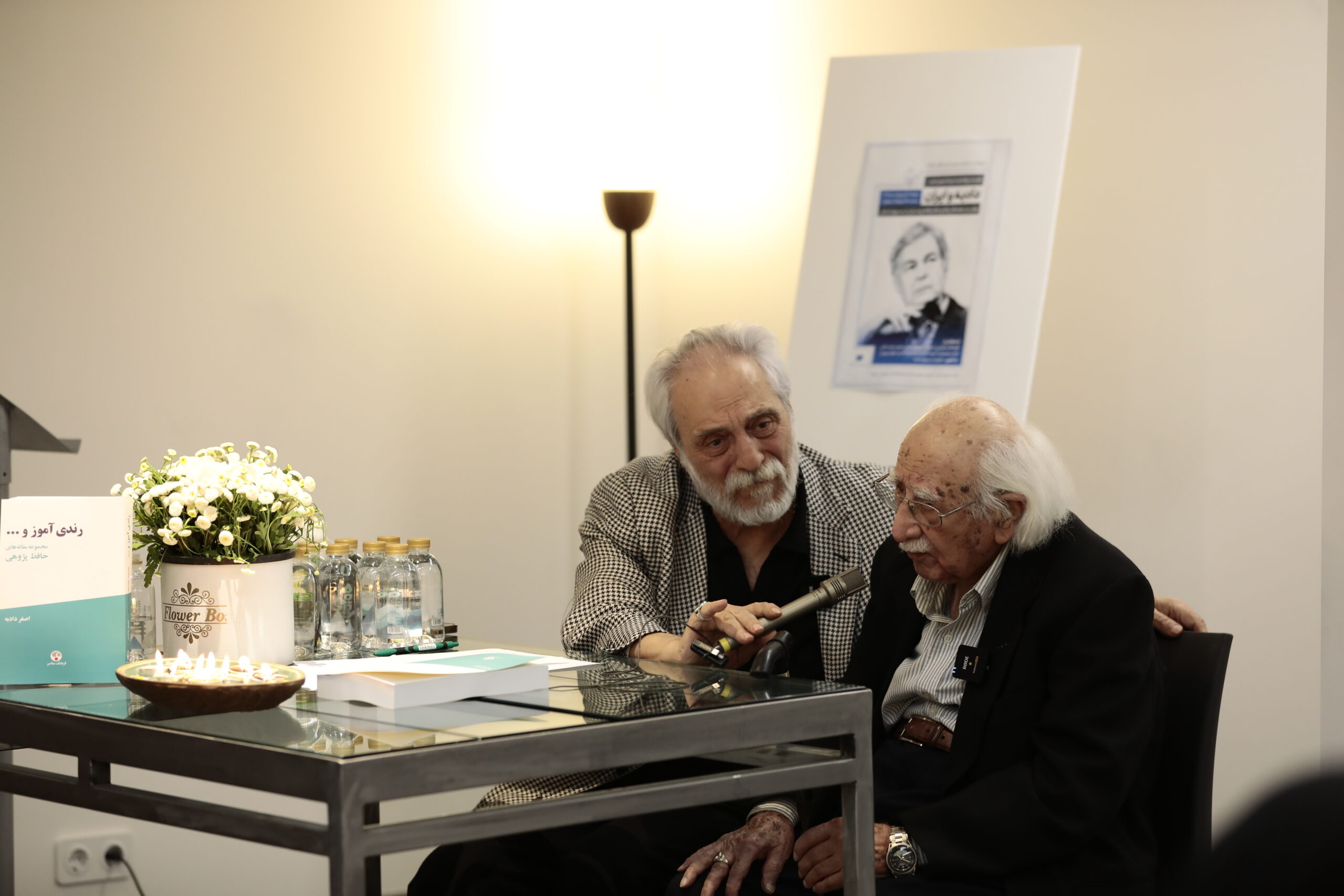
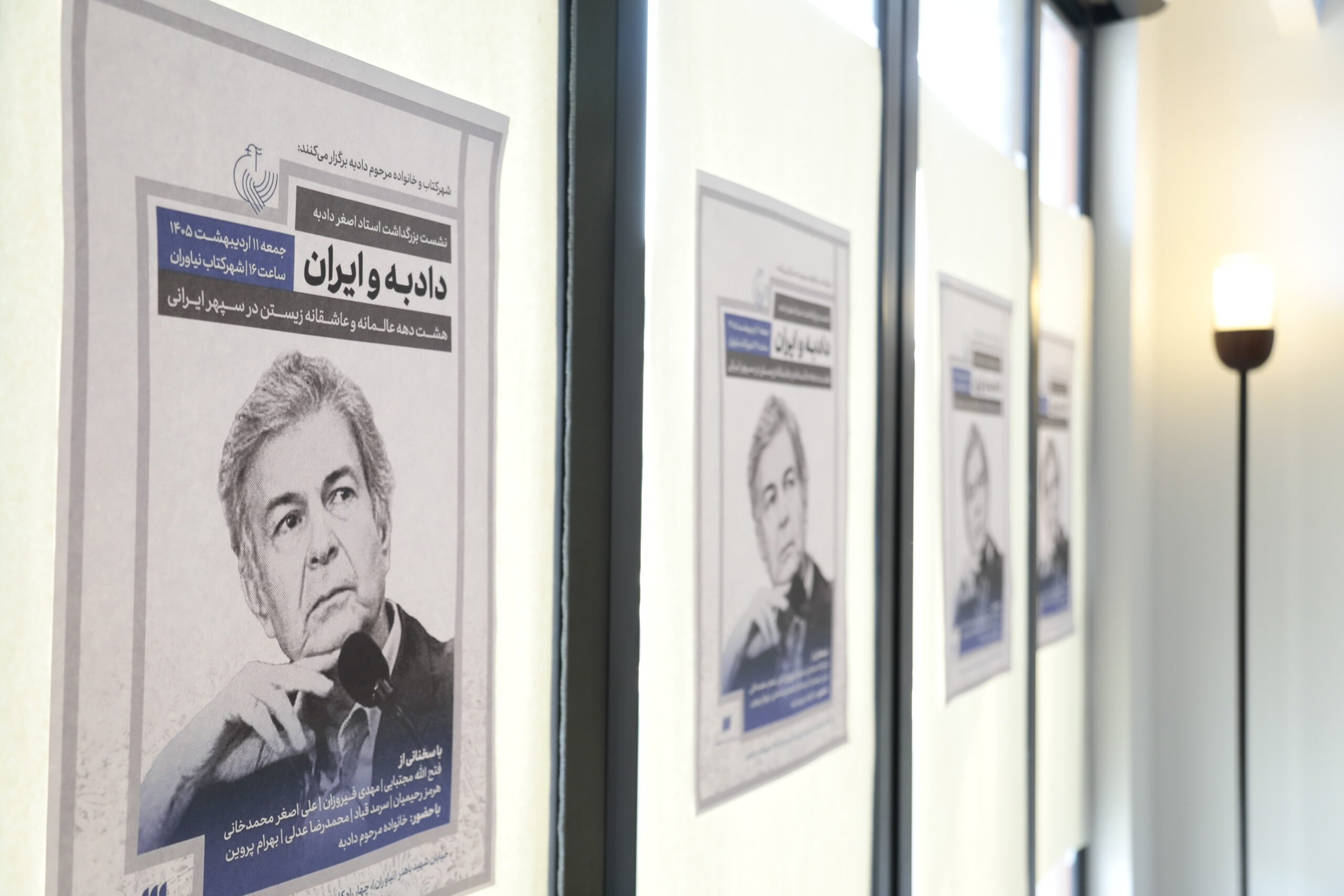
Organized by Niavaran BookCity and the family of the late Dr. Dadbeh
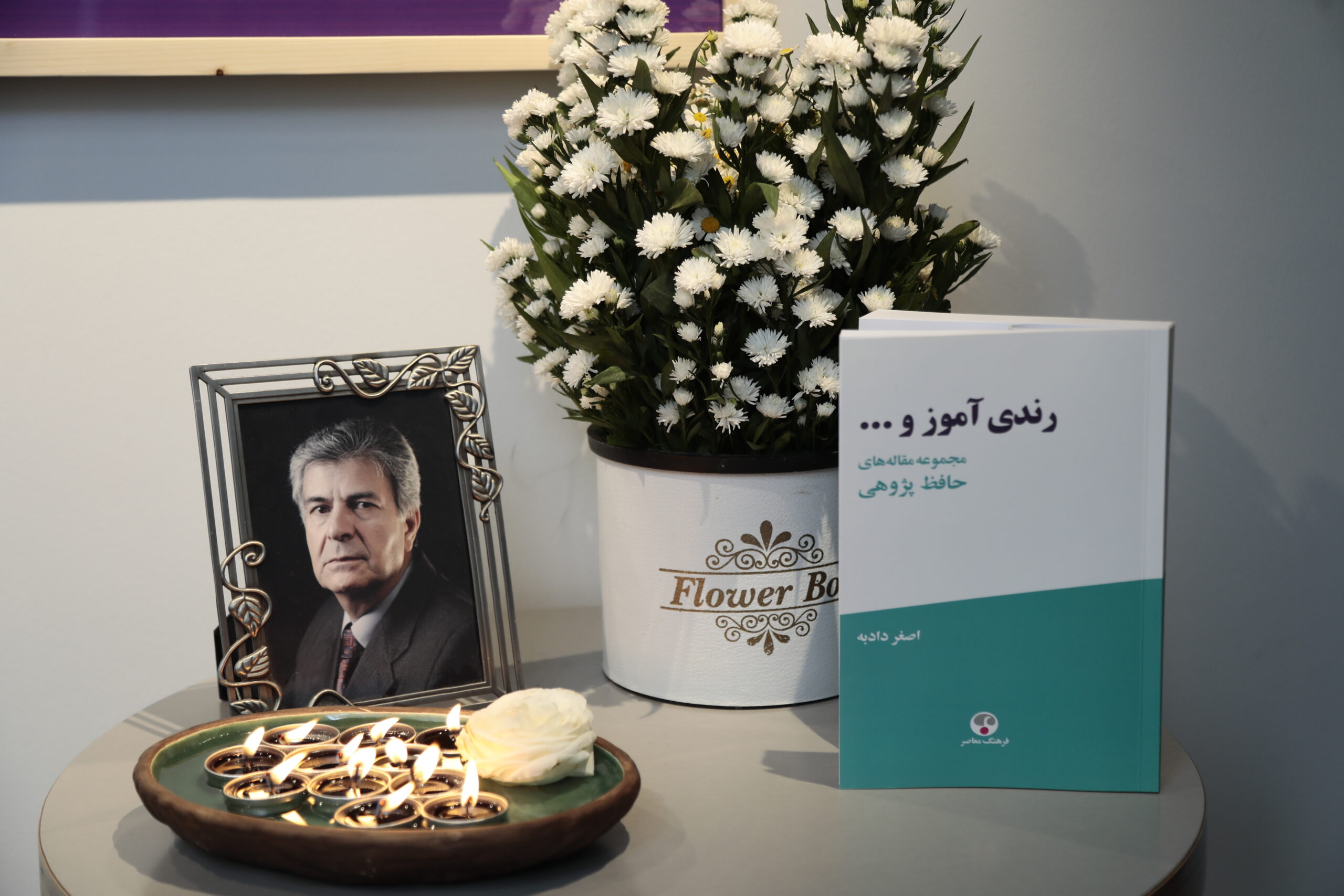
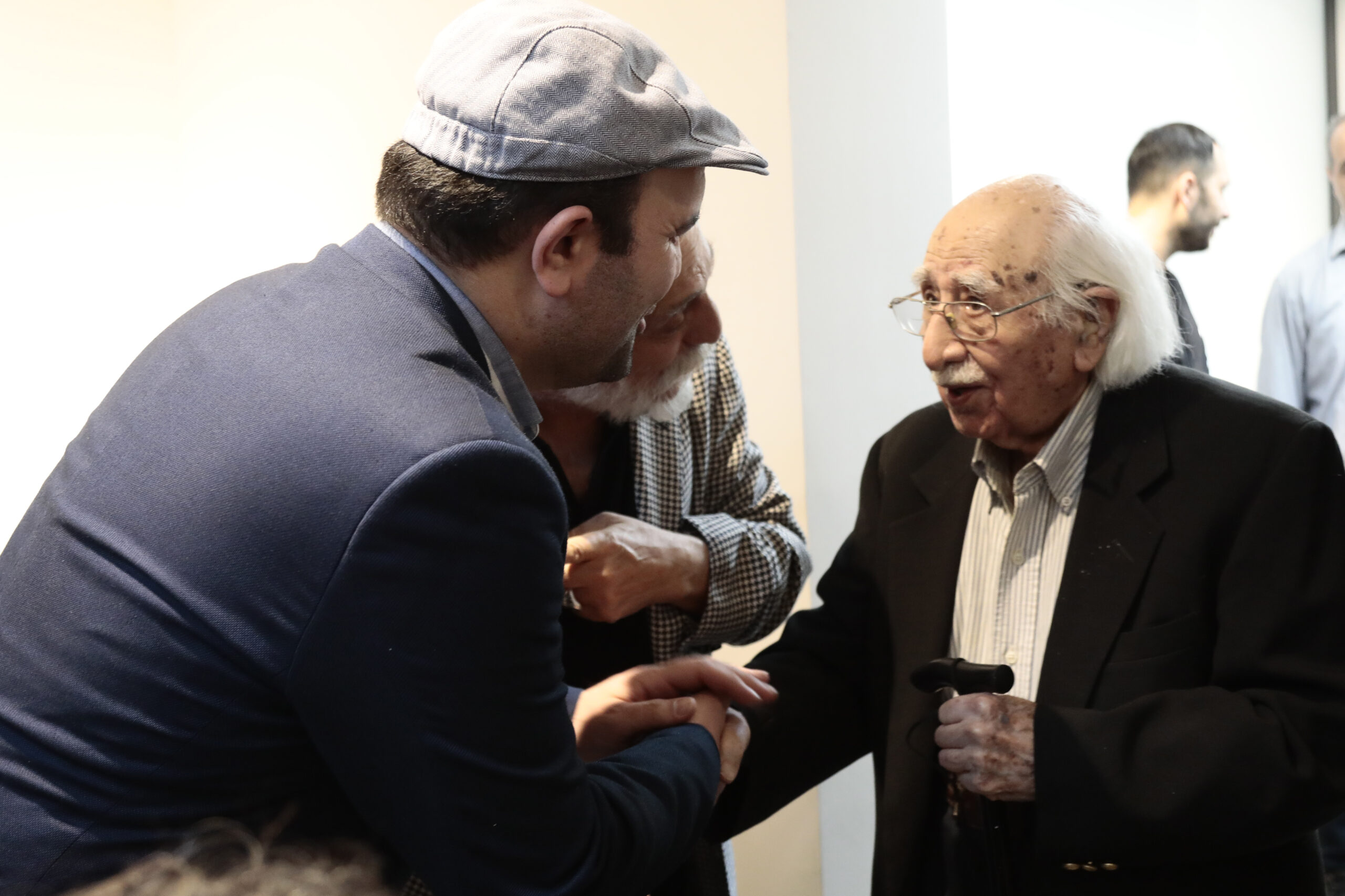
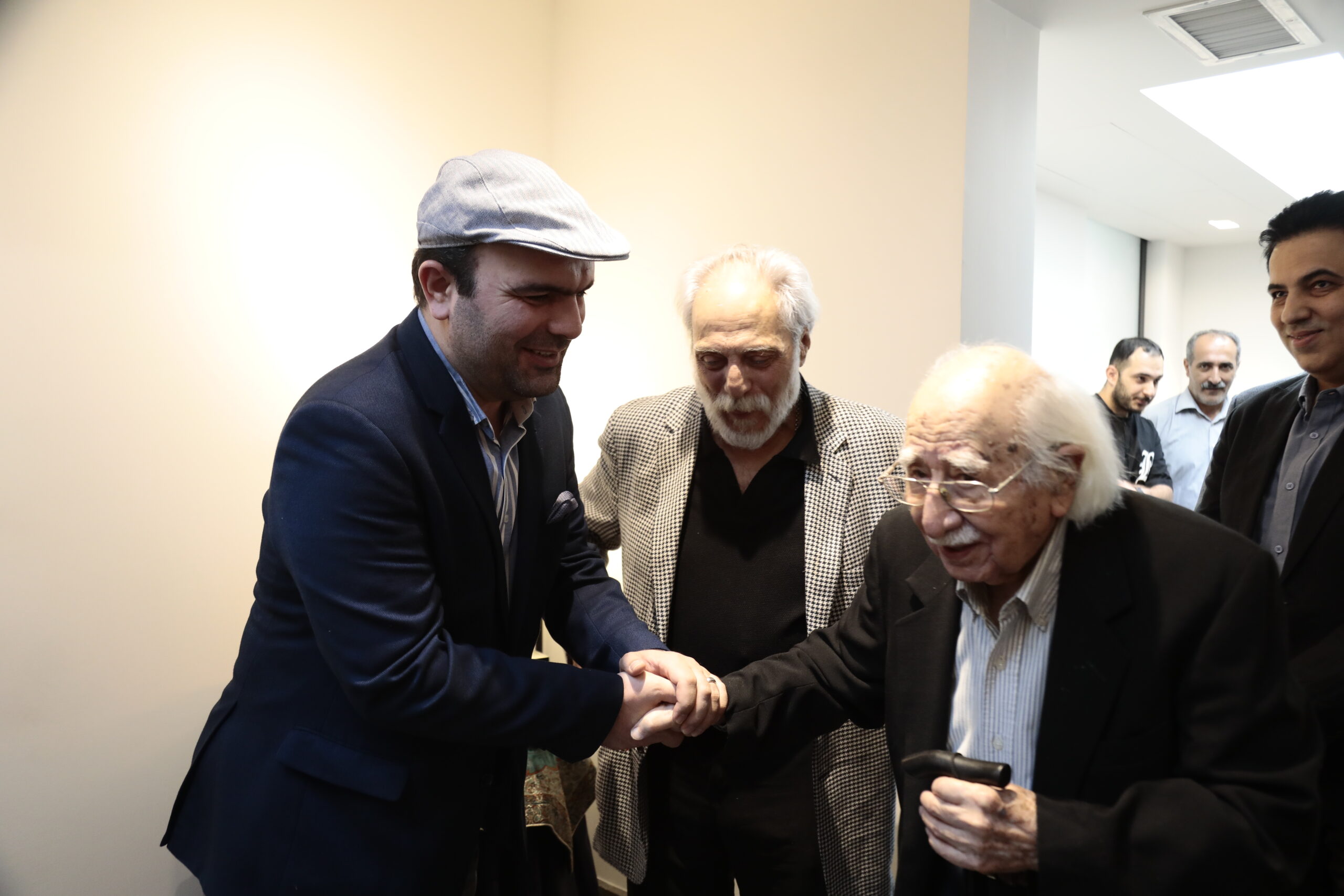
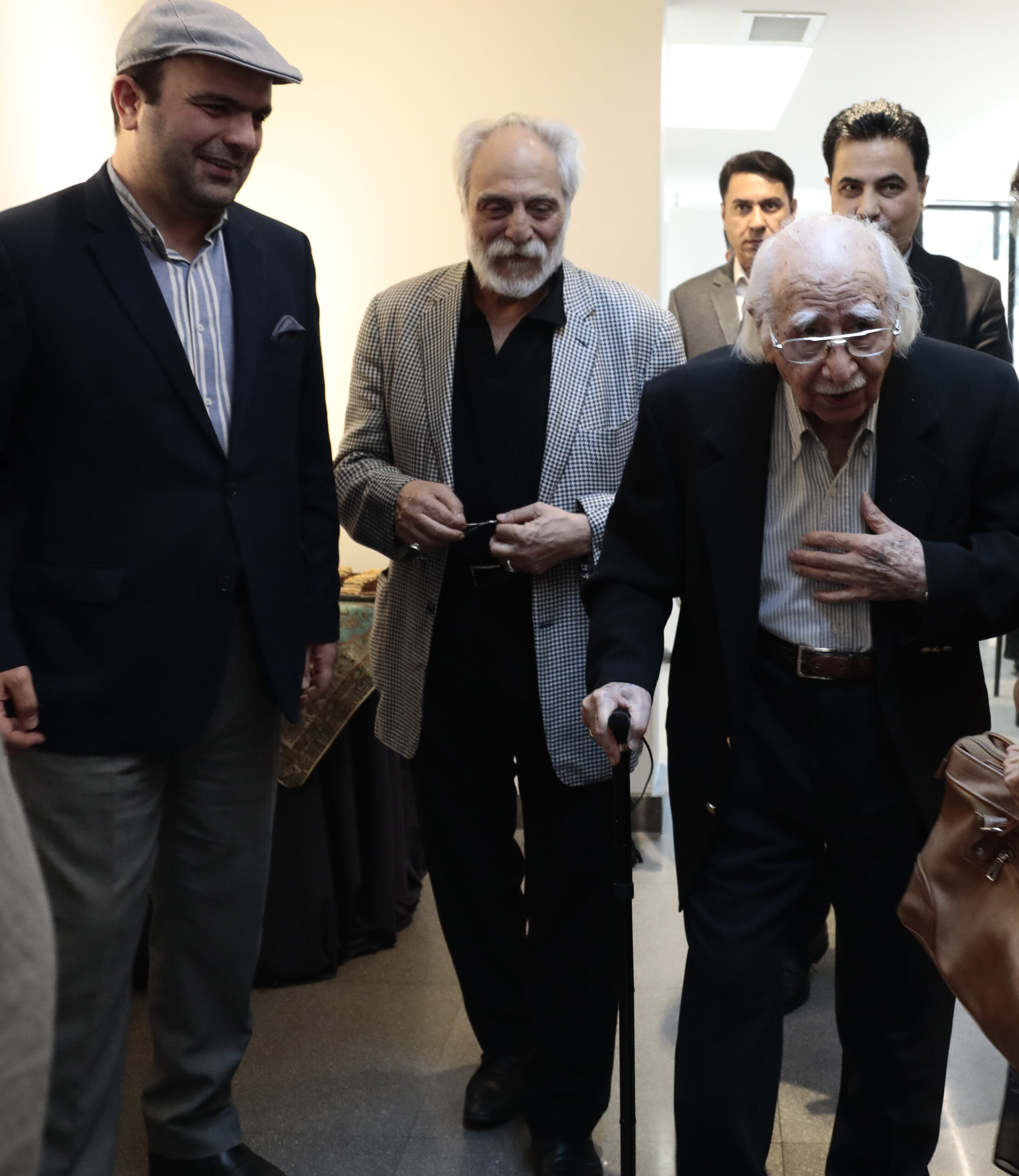
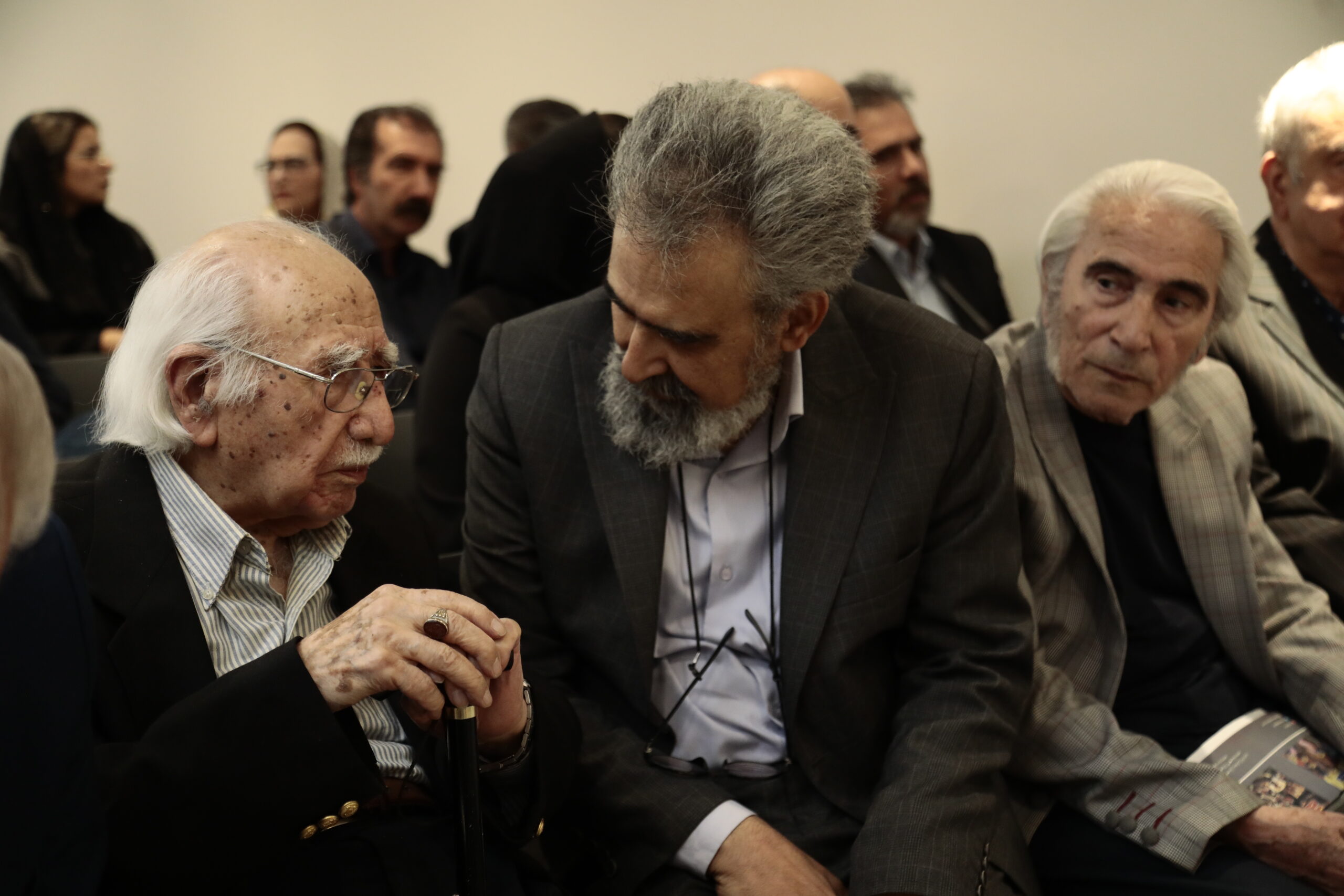
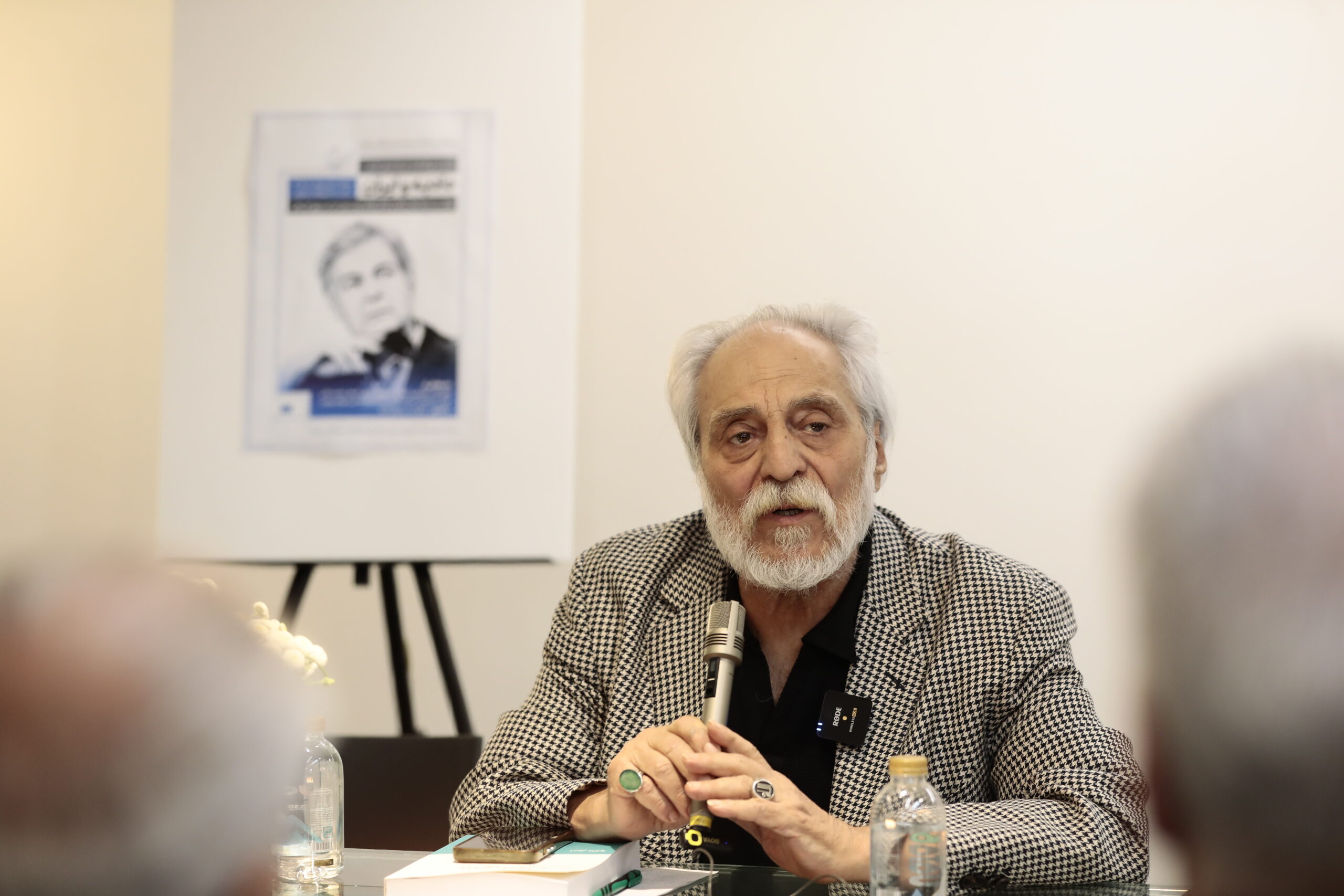
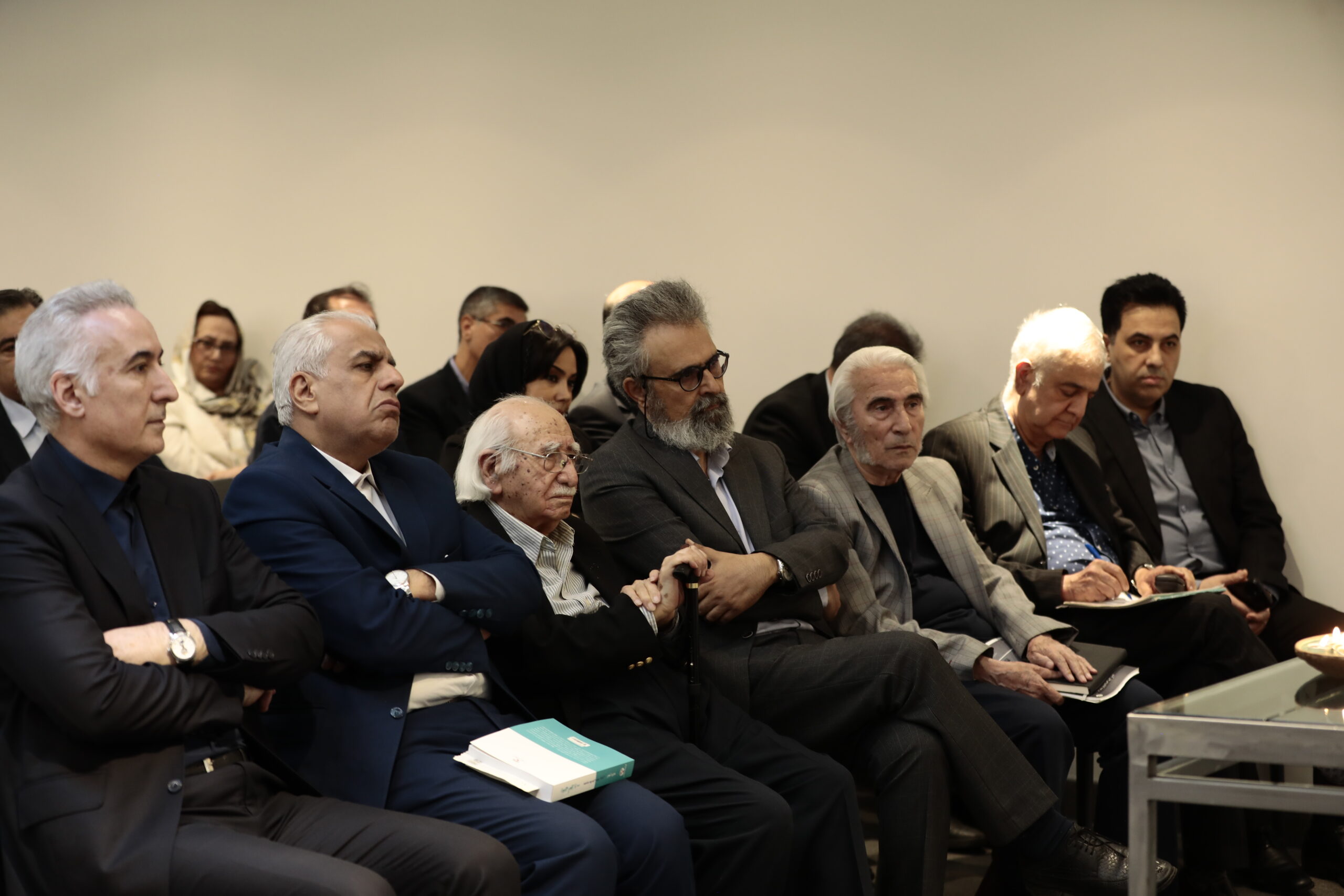
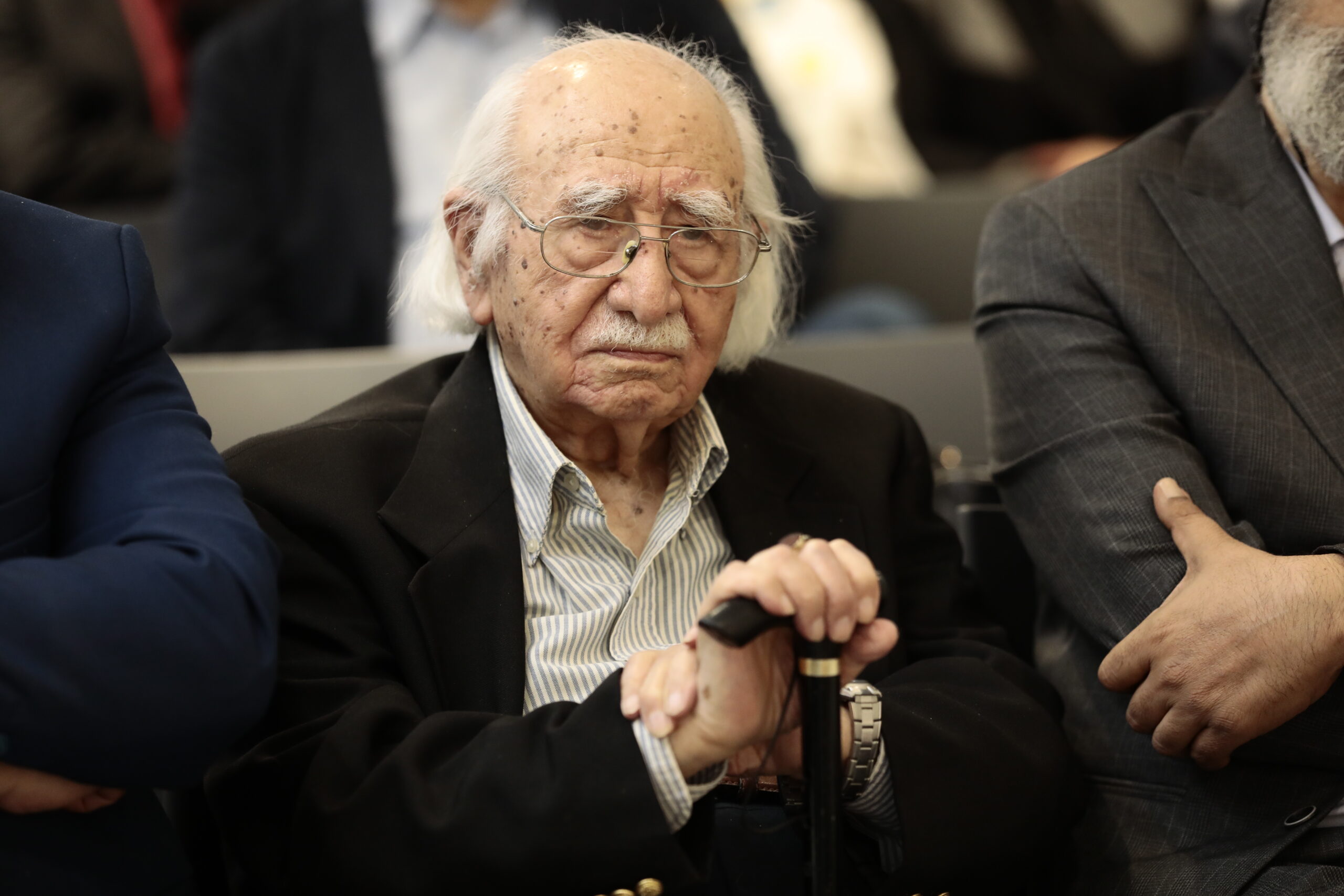
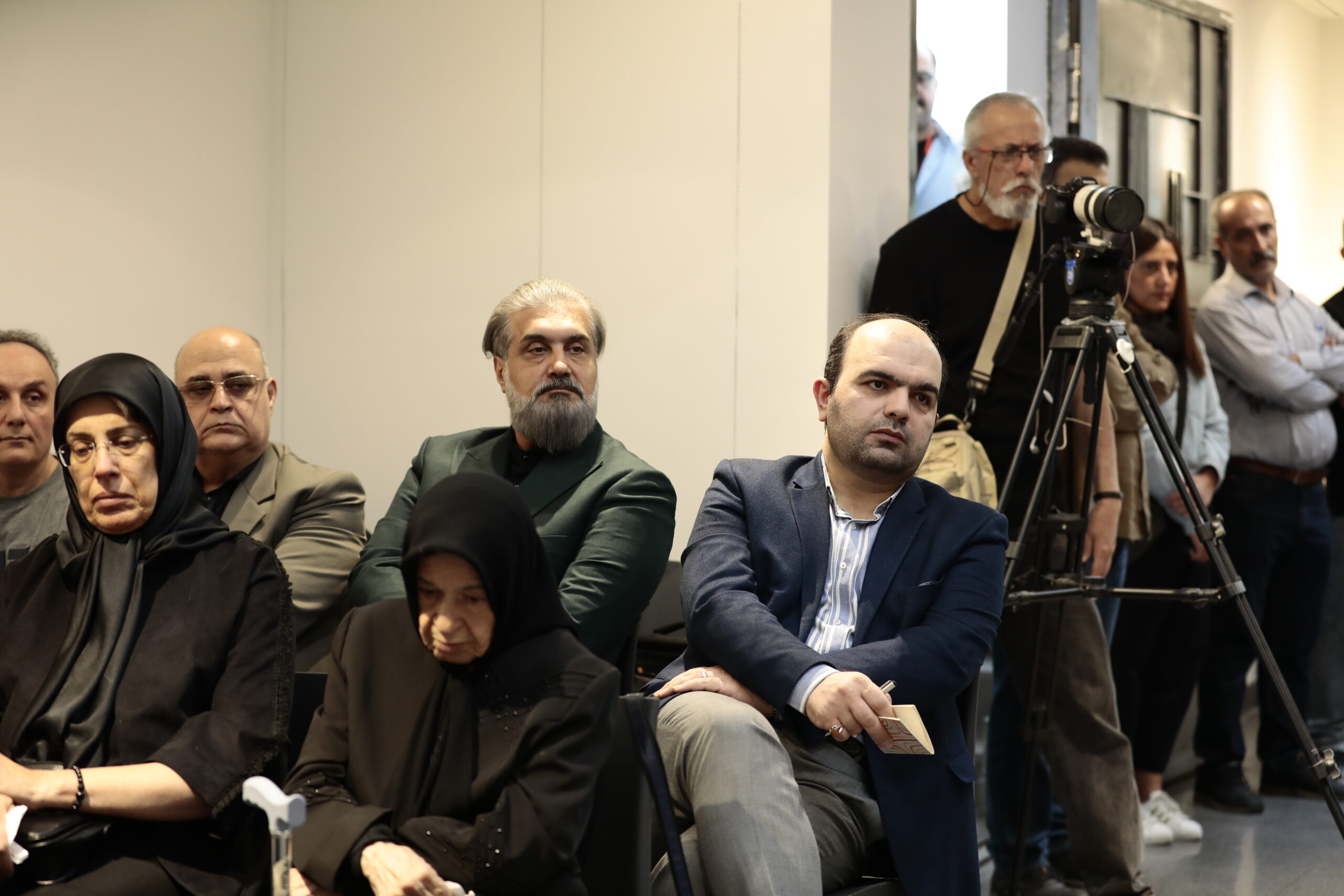
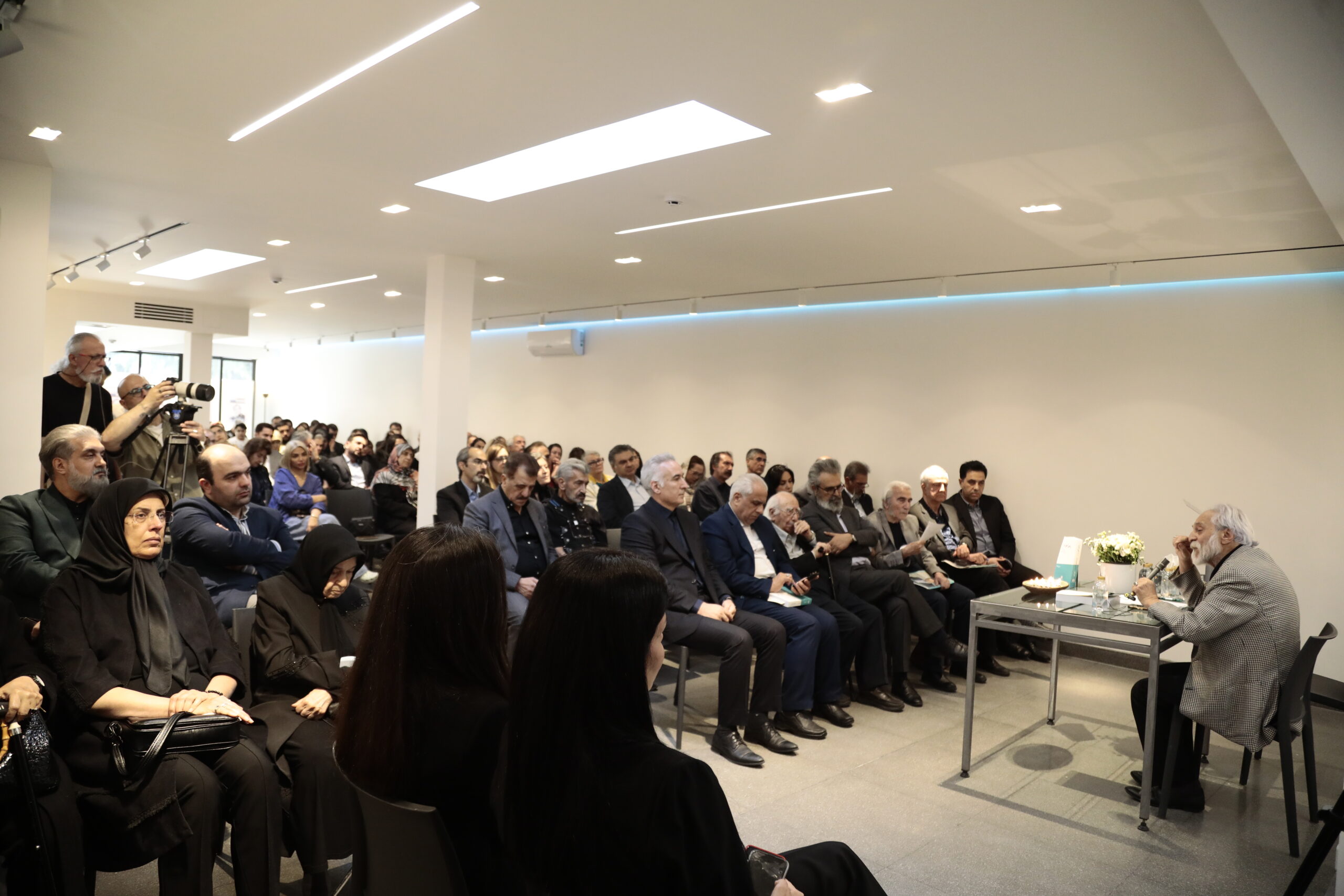
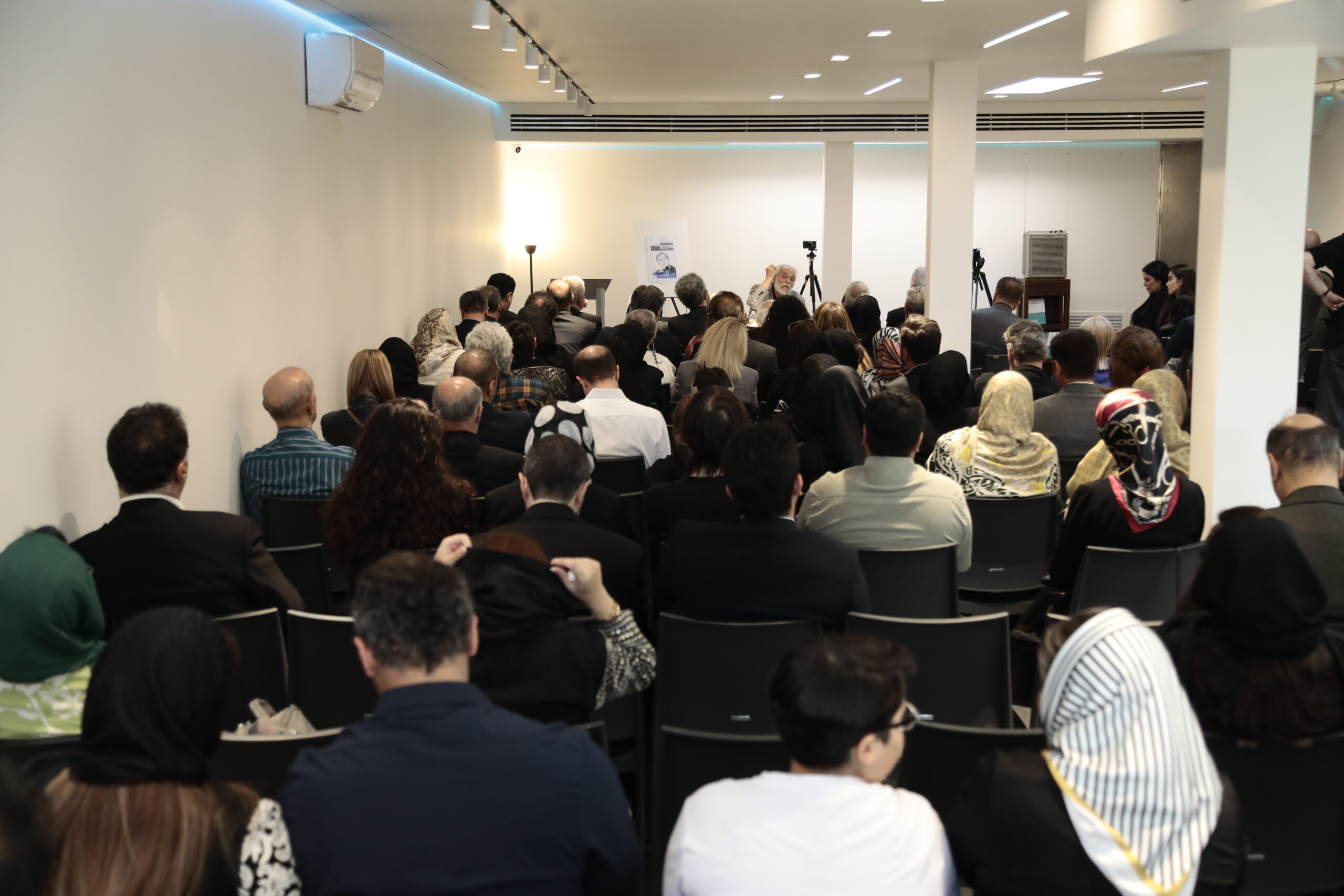
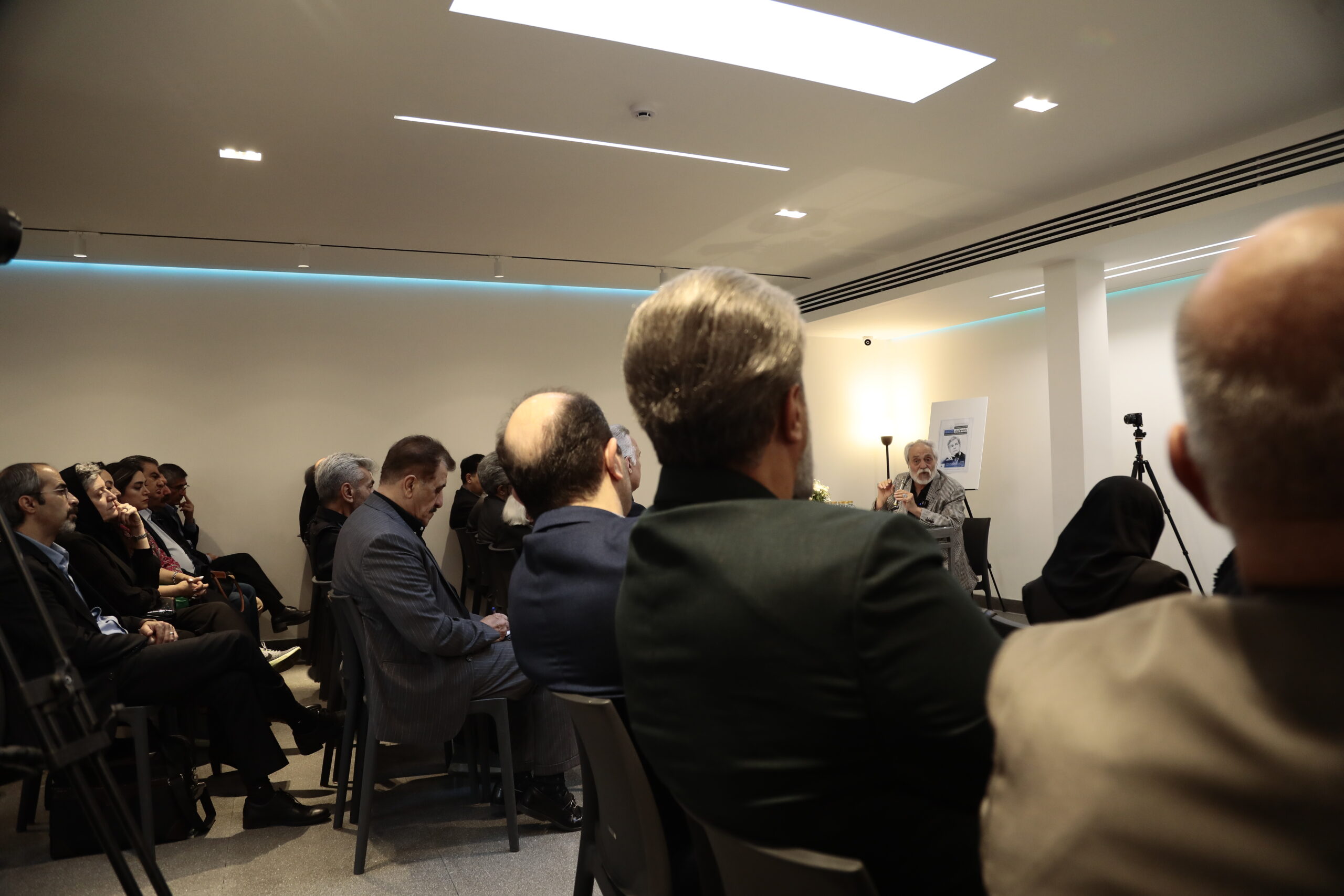
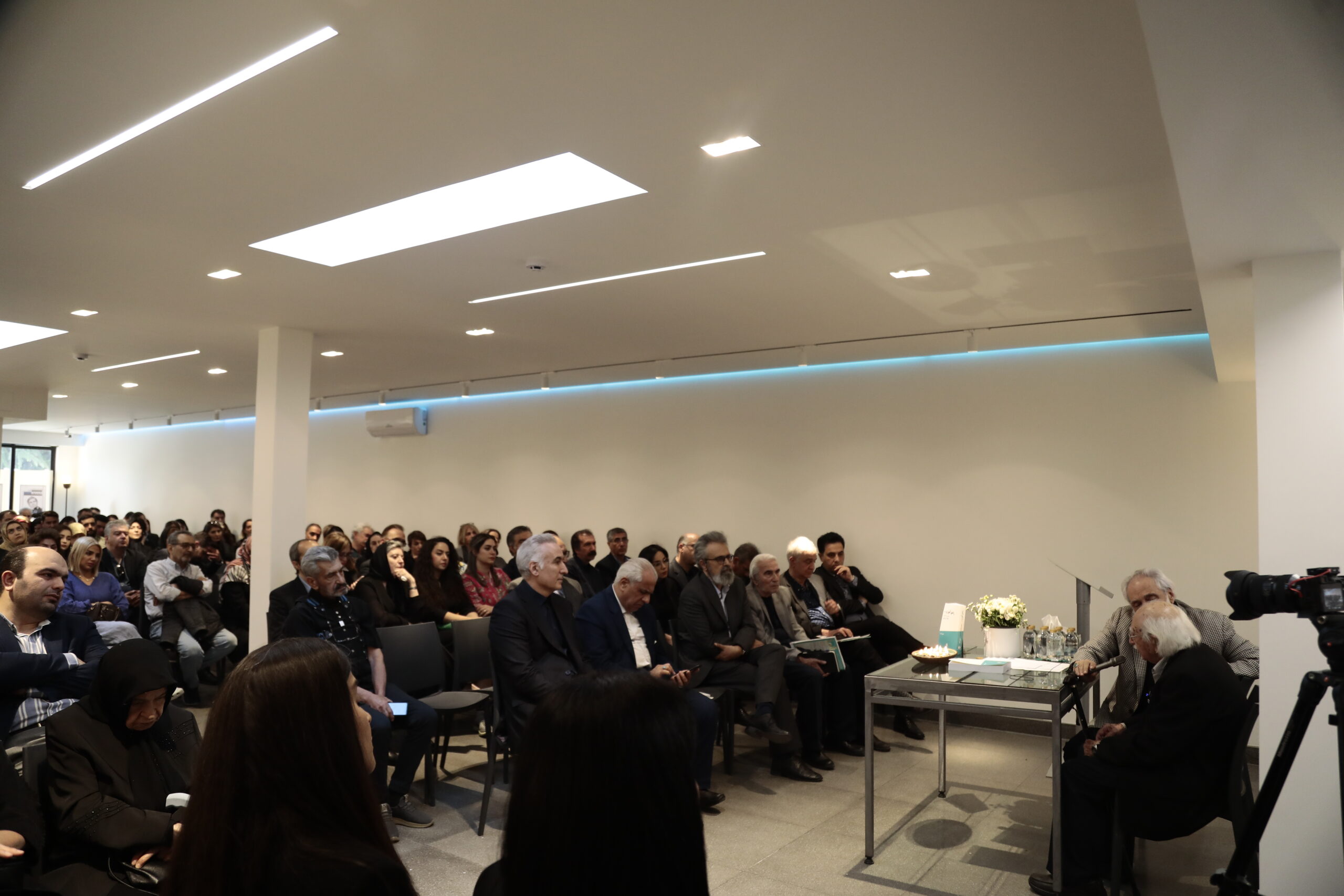
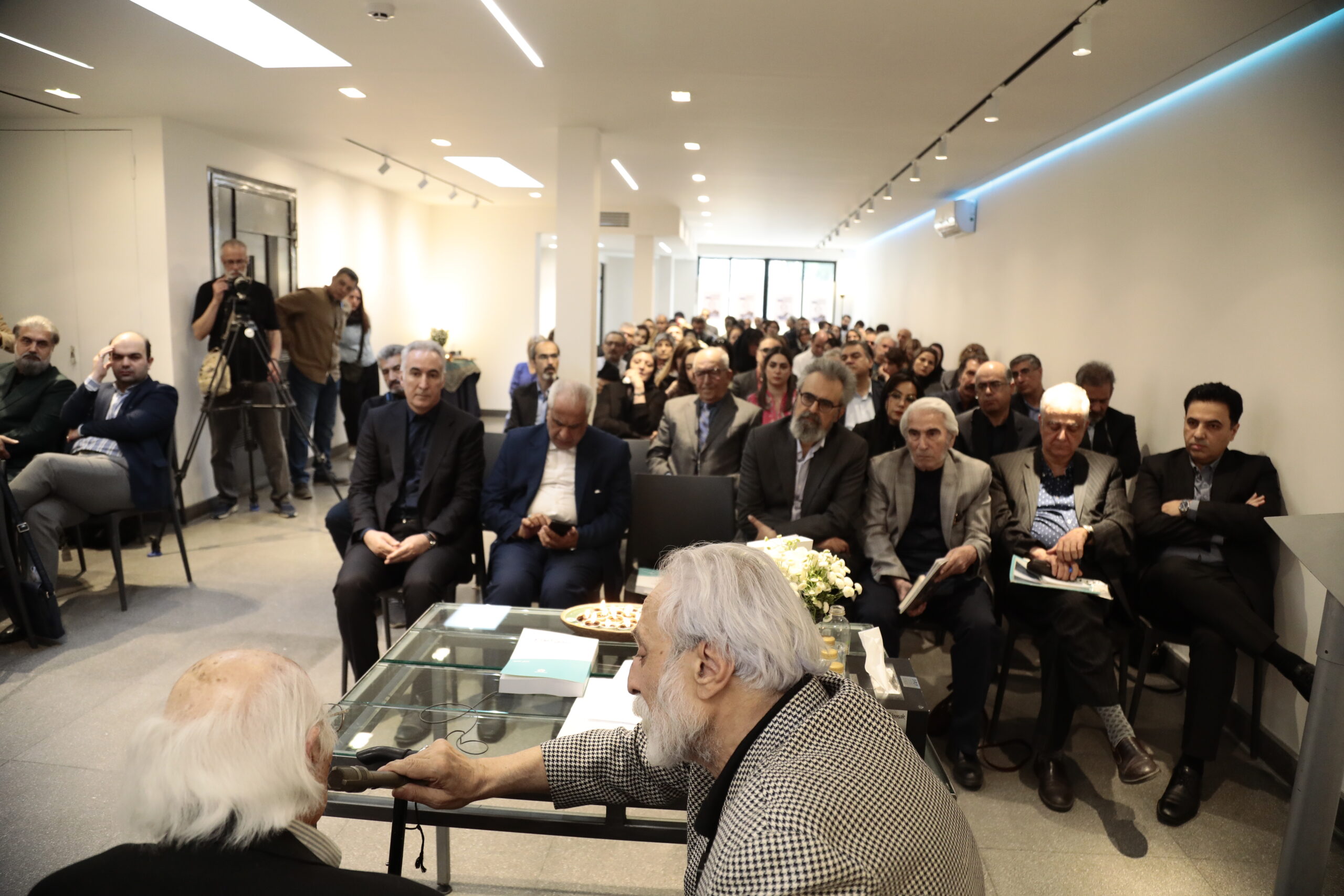
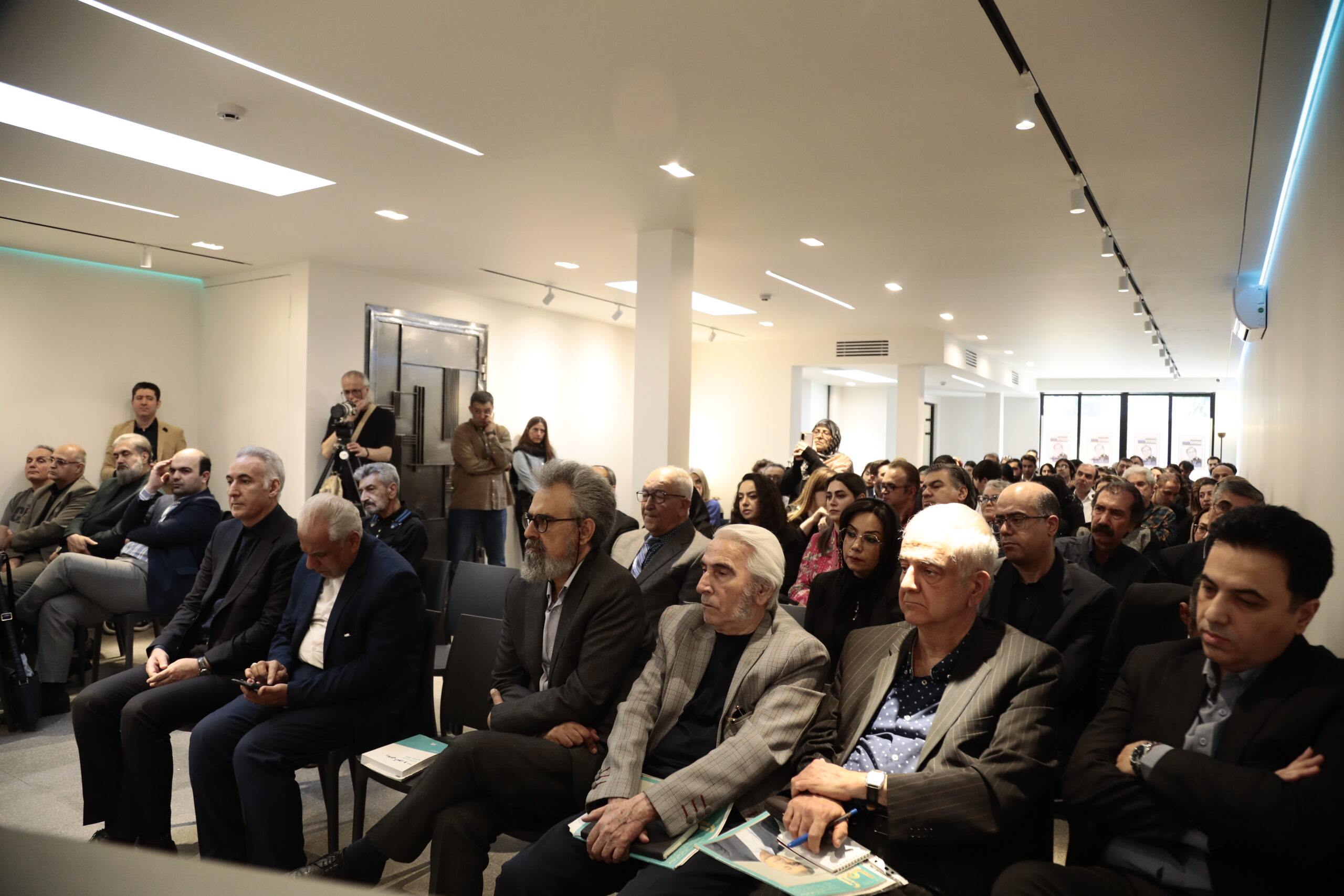
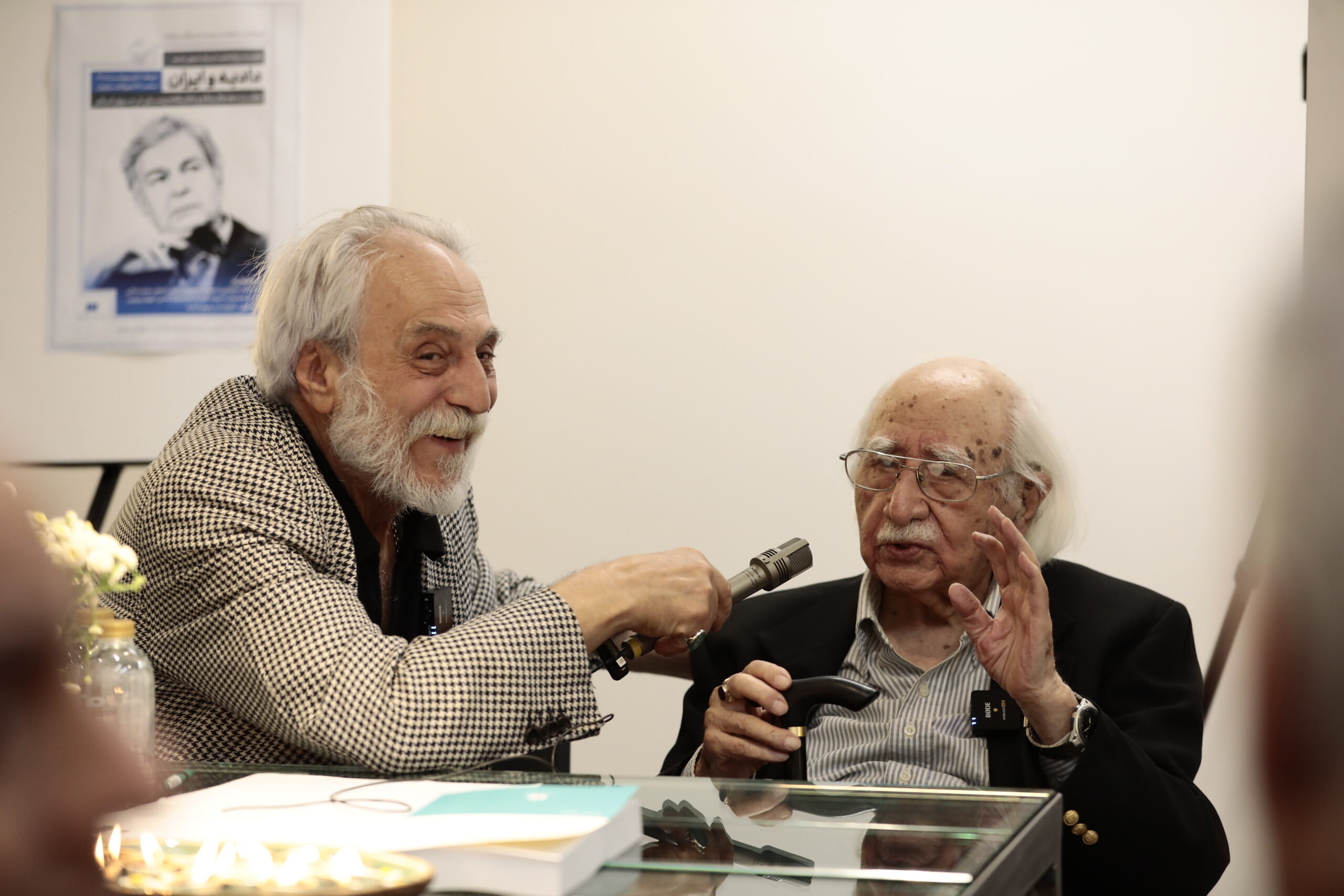
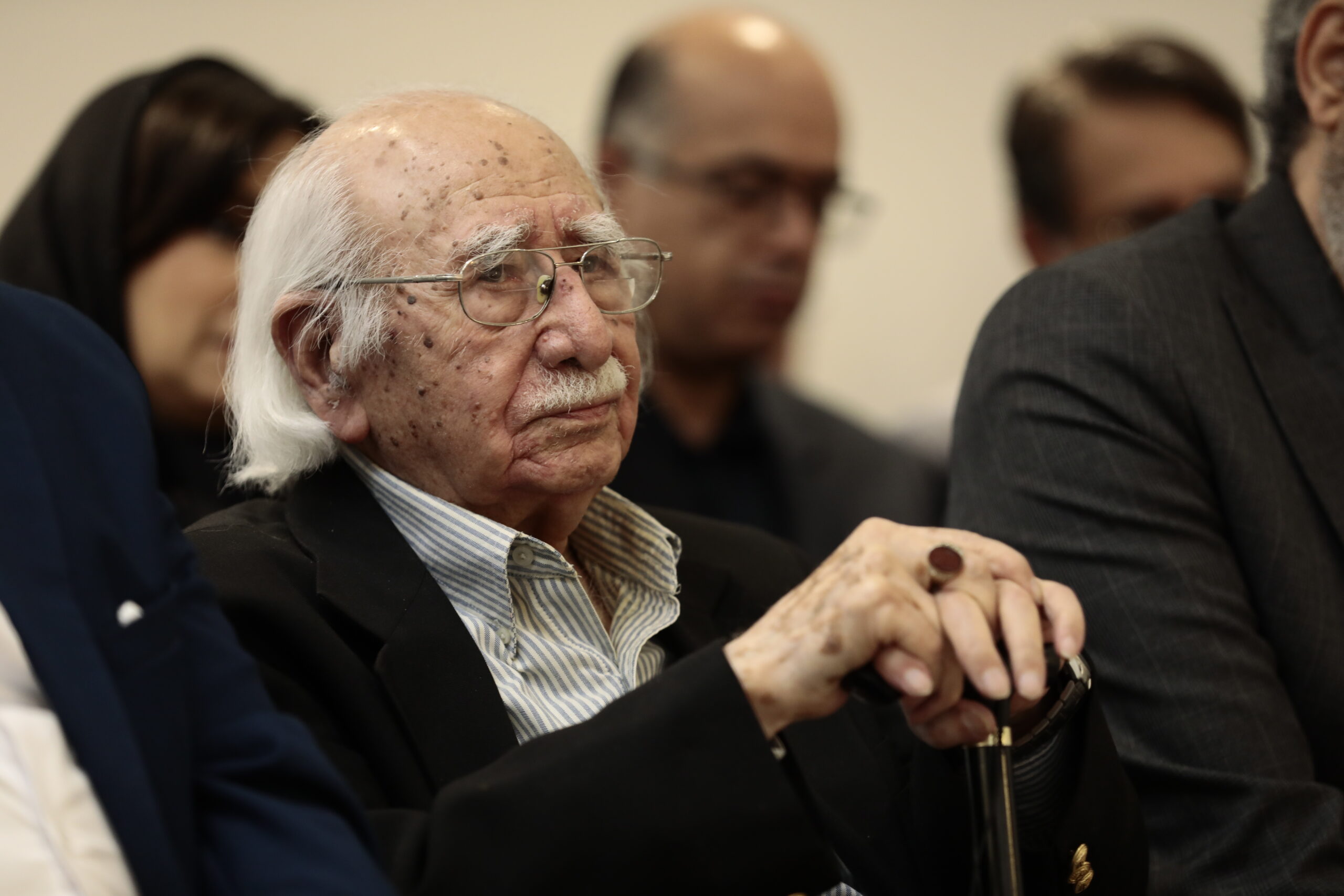
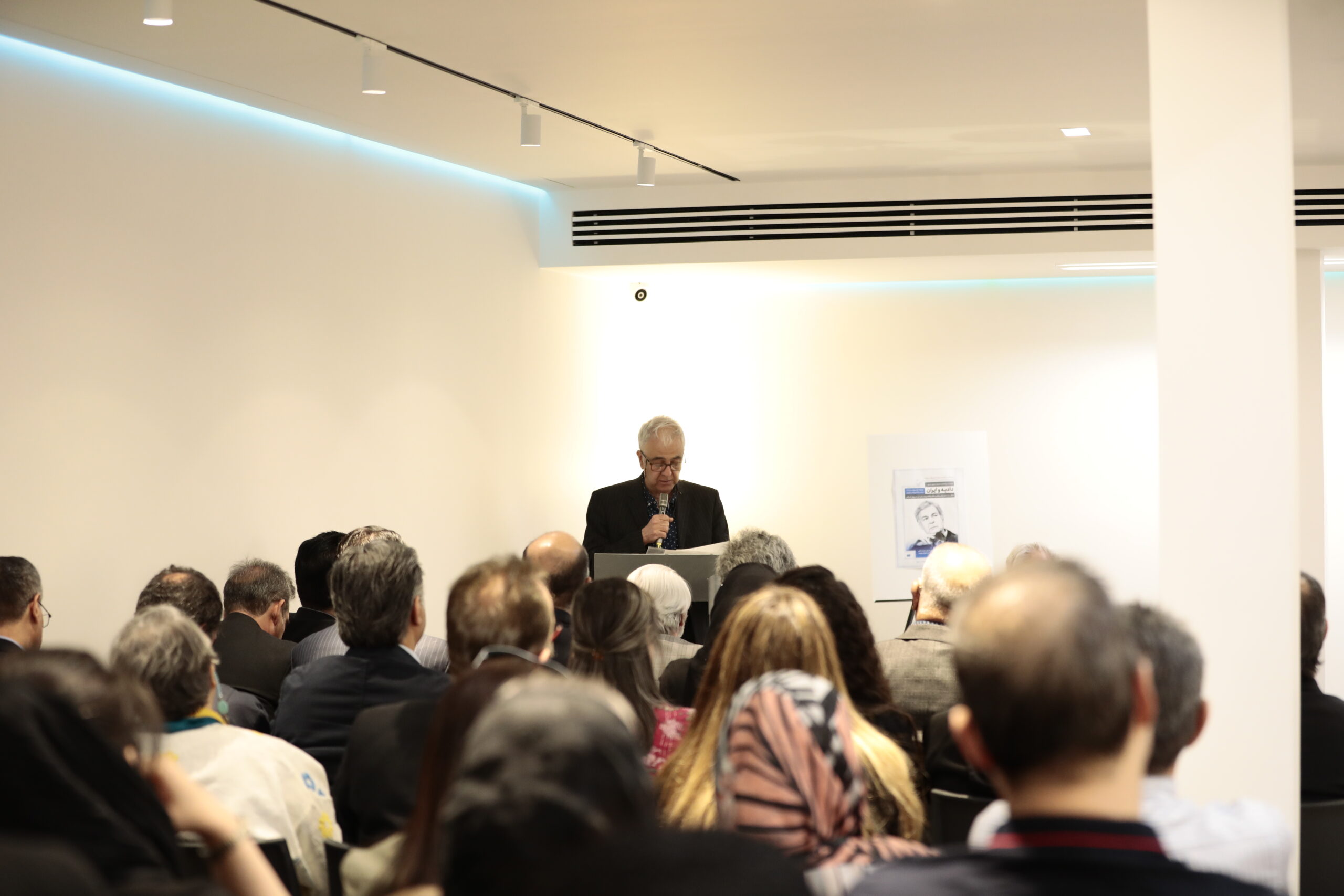
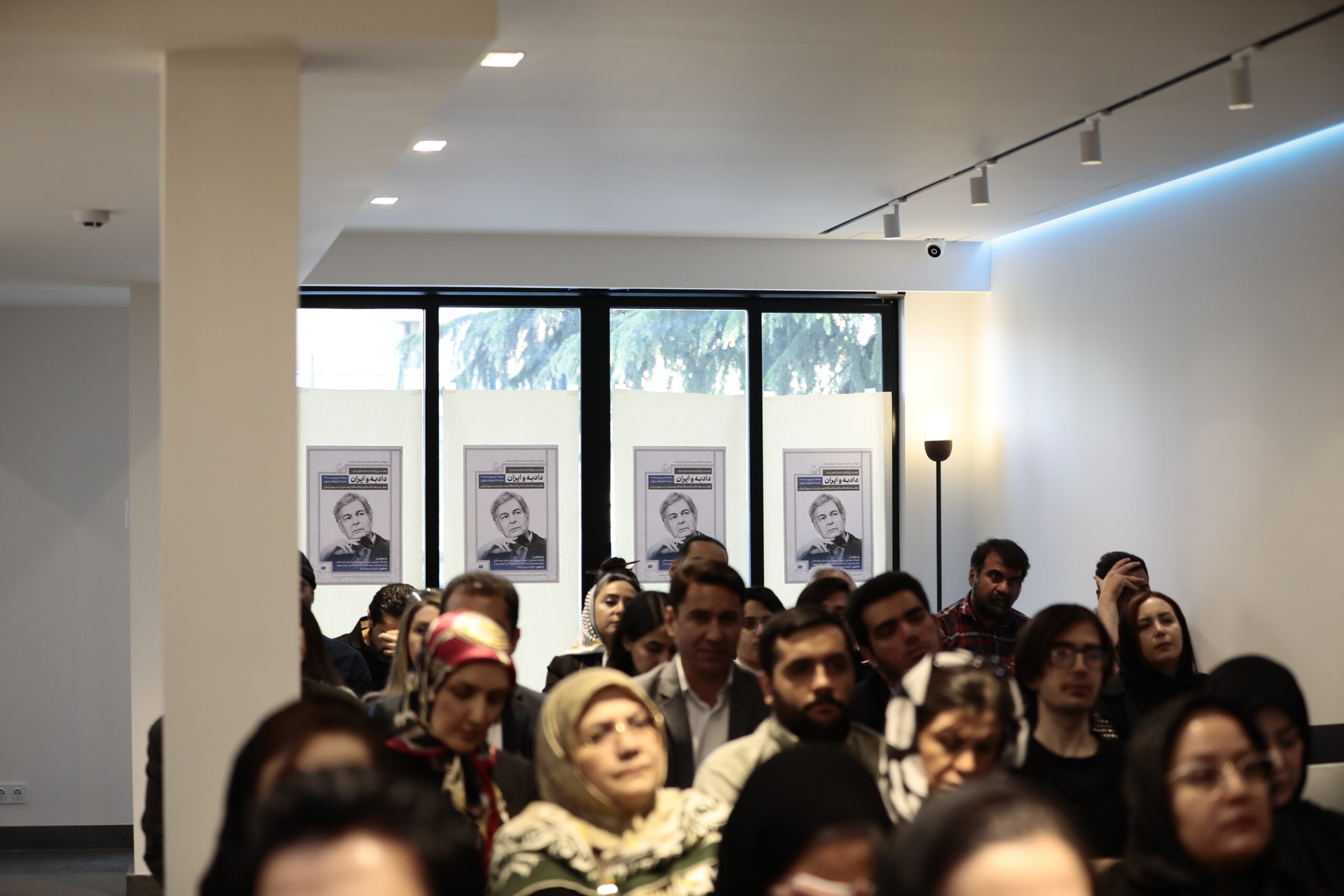
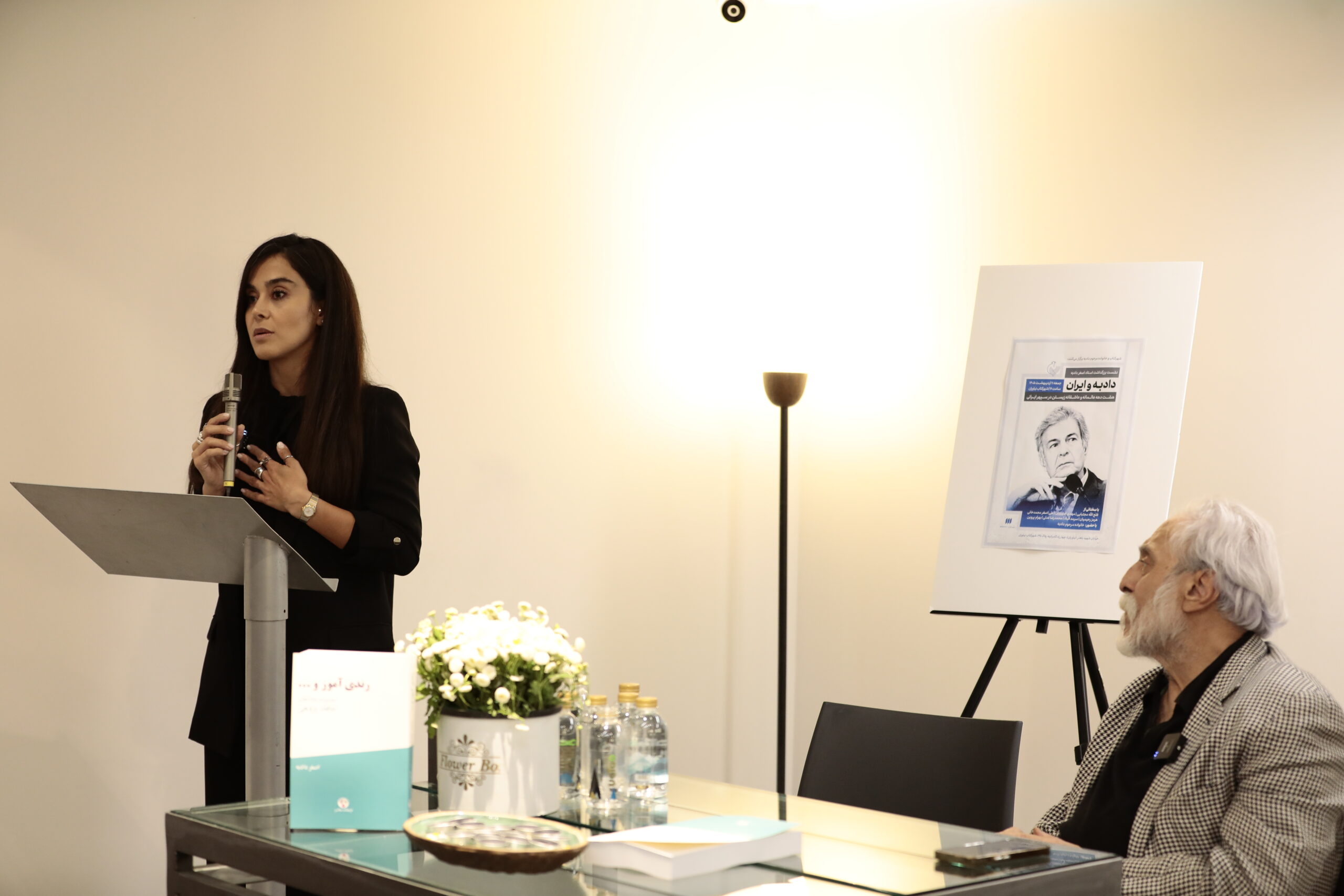
Following the tragic passing of the esteemed Dr. Asghar Dadbeh, a celebrated figure in Iranian philosophy, literature, and Hafez studies, who passed away on March 25, 2026 (5th Farvardin 1405), a memorial service was held at Niavaran BookCity. The event was attended by a gathering of prominent academic figures, his students, and family members.
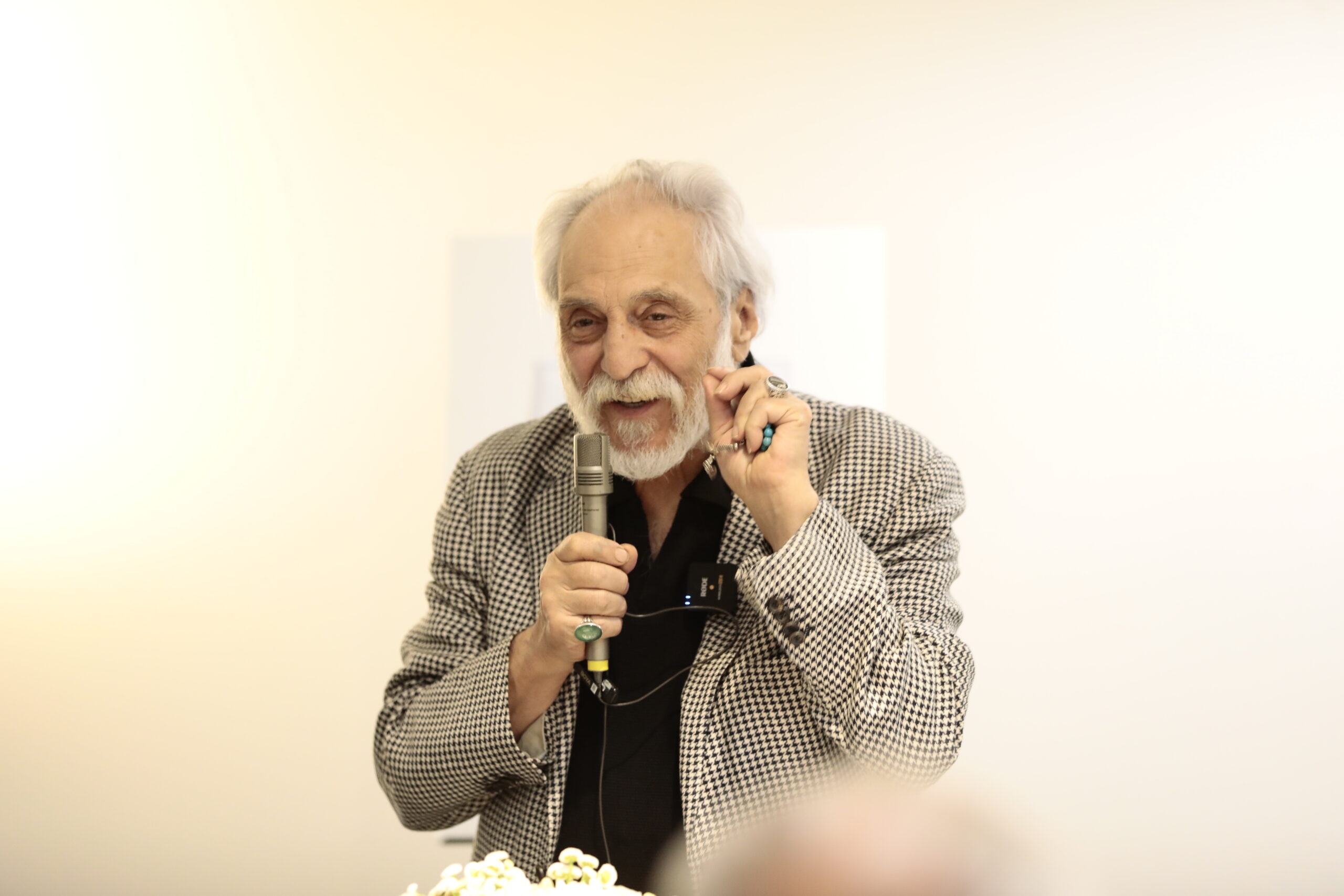
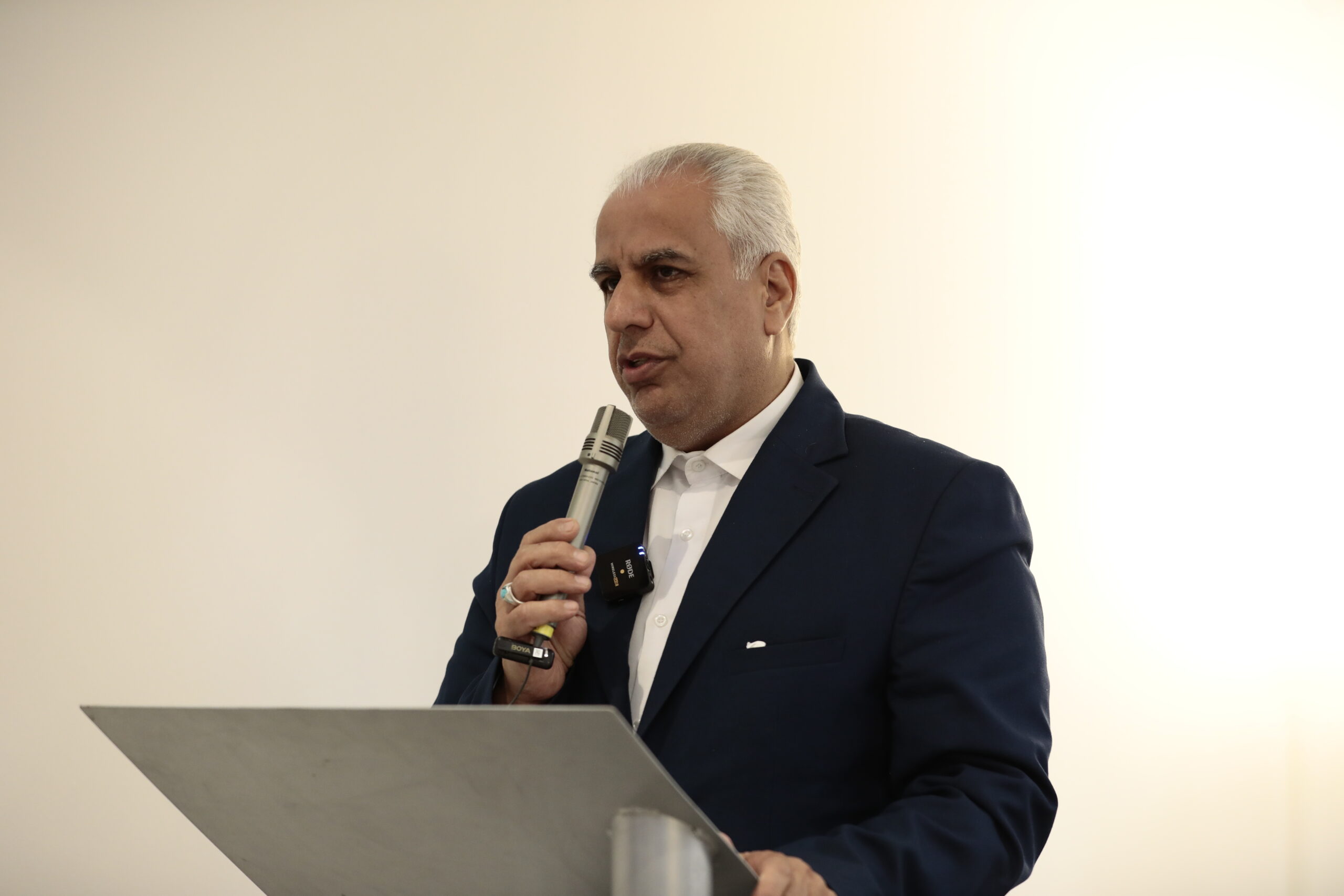
The session was dedicated to exploring the various dimensions of his personality, his scholarly conduct, his “Rindy” (wise, irreverent) character, and his unparalleled love for Iran. Speakers paid tribute to his lofty status and reviewed his invaluable contributions to the realm of Persian culture and literature.
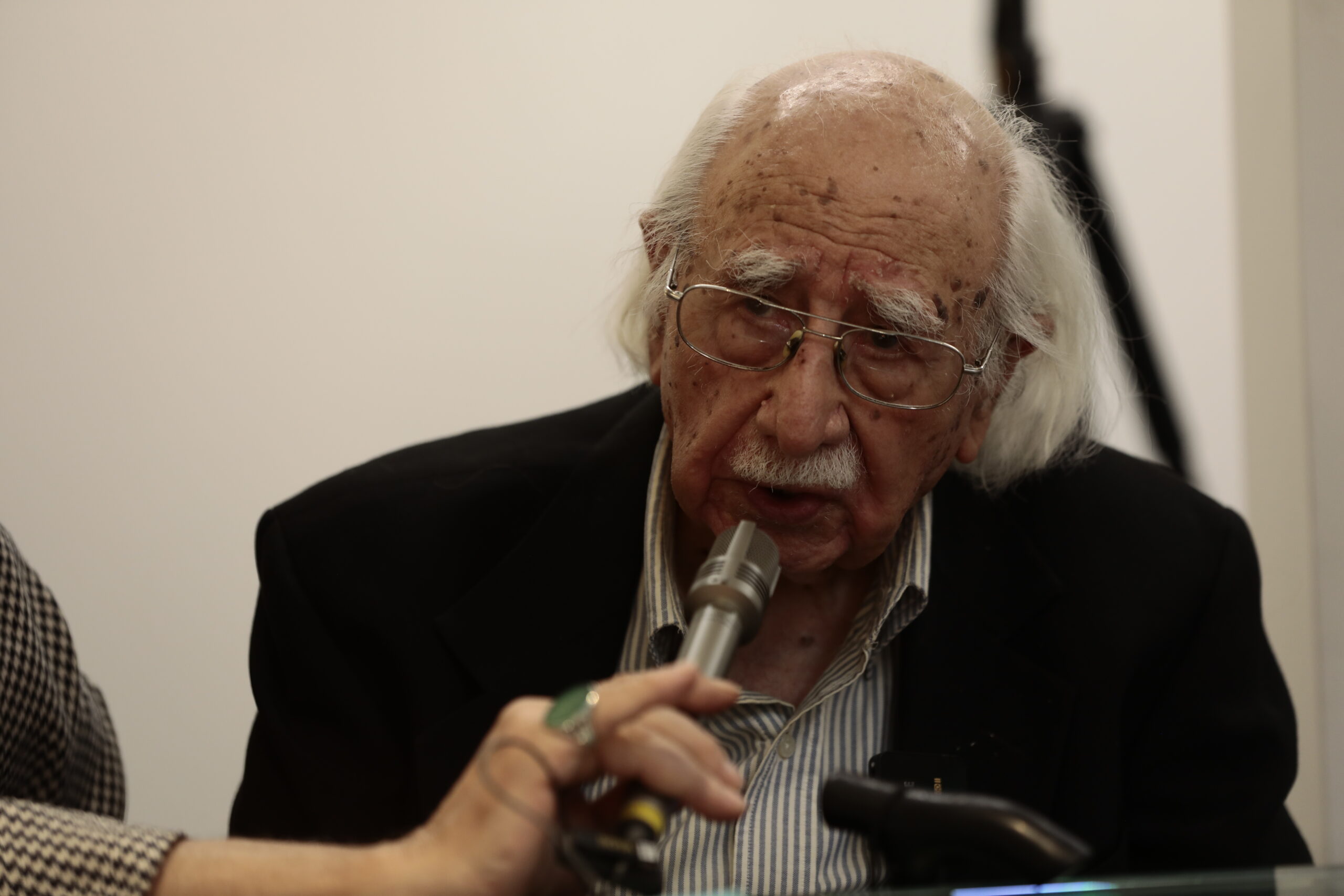
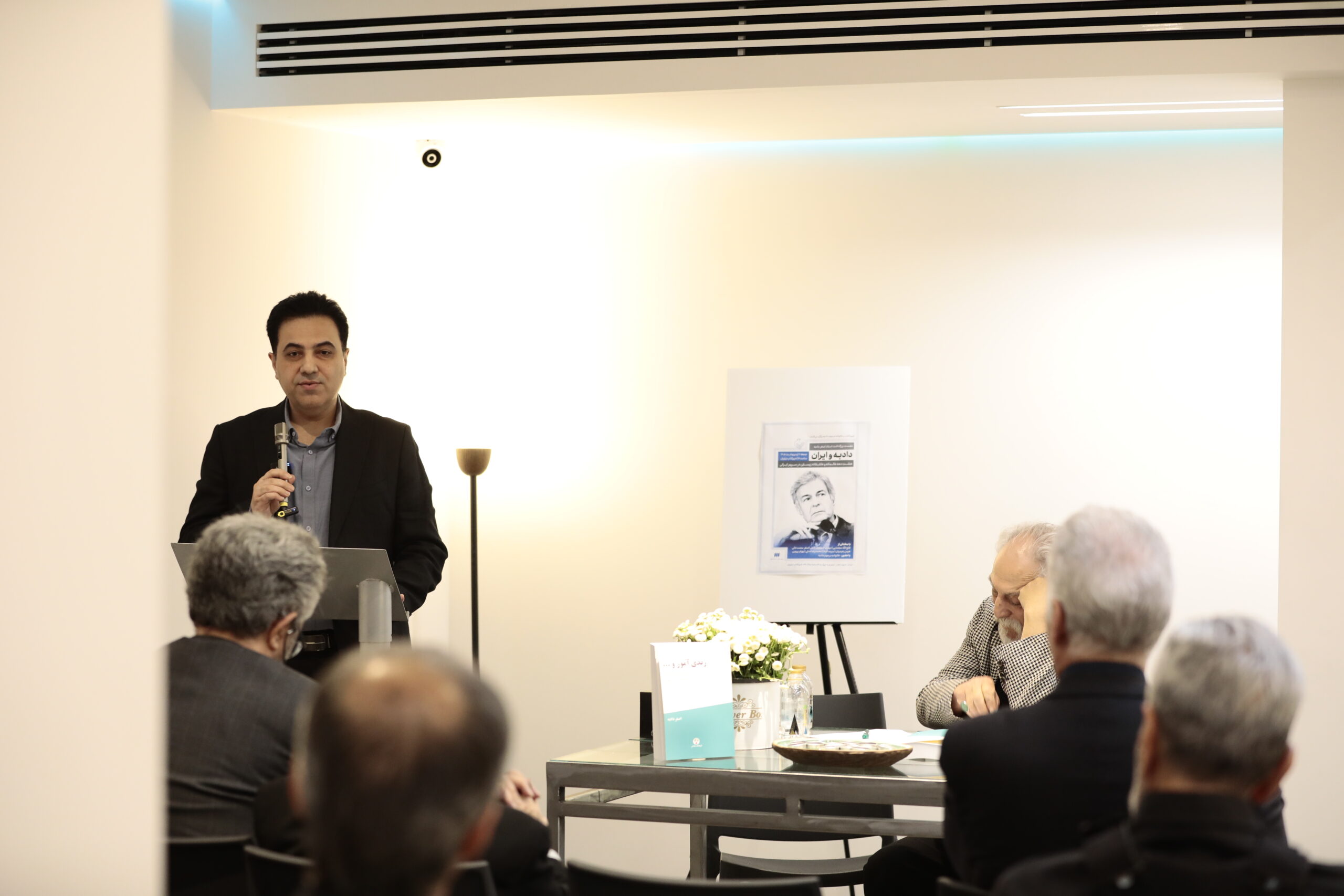
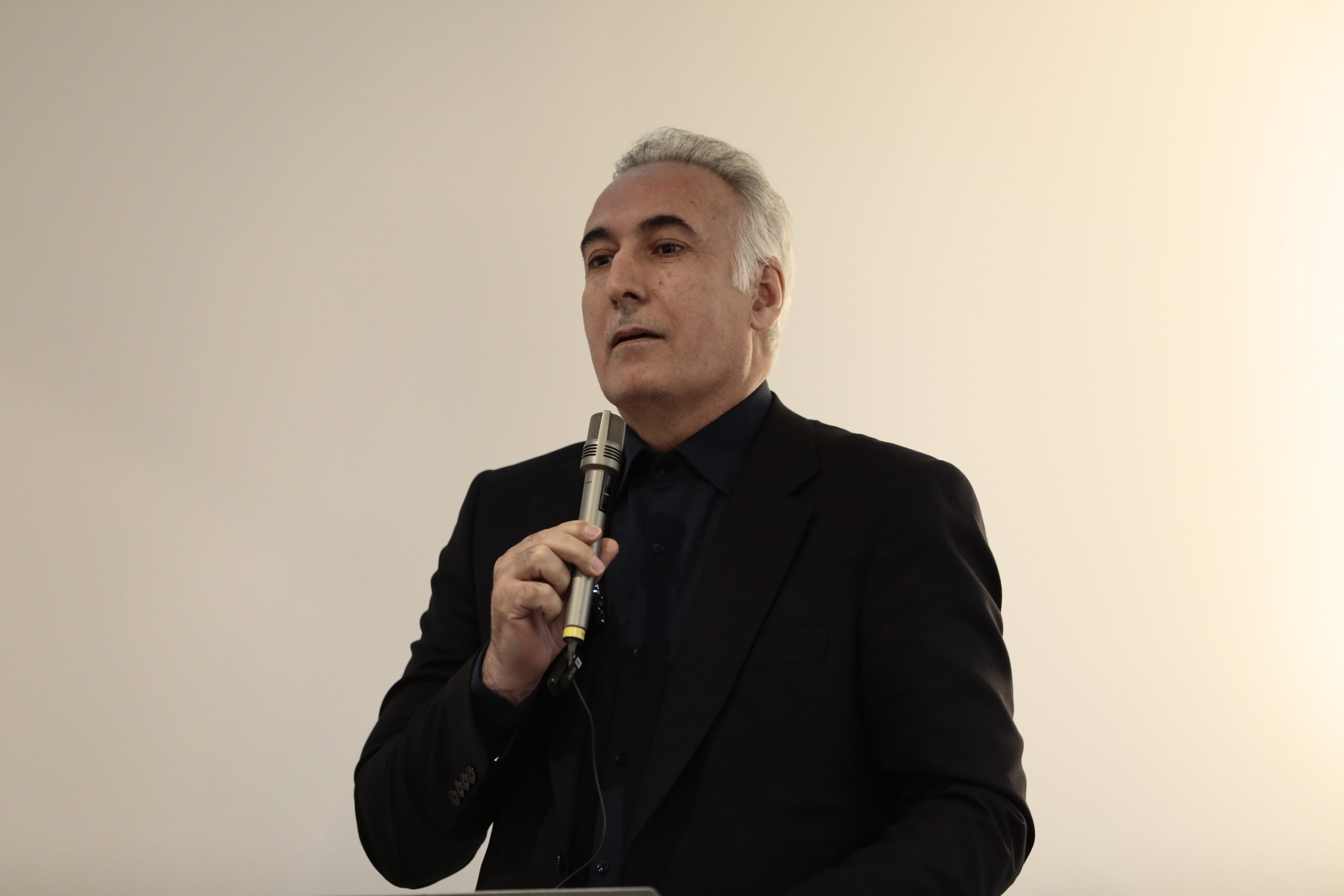
Mehdi Firoozan, Chairman of the Board of Niavaran BookCity, opened the session. He highlighted Dr. Dadbeh’s unique position in Hafez studies, explaining his interpretation of “Rindy” as a form of intellectualism, free-thinking, humanism, and the pursuit of truth. Firoozan elaborated on deep topics concerning the relationship between mysticism and existentialism, referencing Dadbeh’s views on human responsibility. He noted one of the professor’s key teachings: “Dadbeh believed that in critical situations, there is no room for abstract debates. His constant example was that when a house is on fire, you don’t debate free will and determinism – you pick up a bucket of water to put out the fire.”
Firoozan also formally introduced aspects of Dadbeh’s life, including his roles as a professor of Islamic philosophy and mystical literature, and his university departmental leadership. He listed some of the professor’s influential works, including Learn Rindy and…, General Principles of Philosophy, Fakhr Razi, Hafez: Life and Thought, and The Concept of Rindy in Hafez’s Poetry.
Firoozan concluded by stating that although the professor is no longer physically present, his thought, his “Rindy,” and his love for Iran will remain alive and enduring within the pages of his books, his research, academic circles, and even cyberspace.
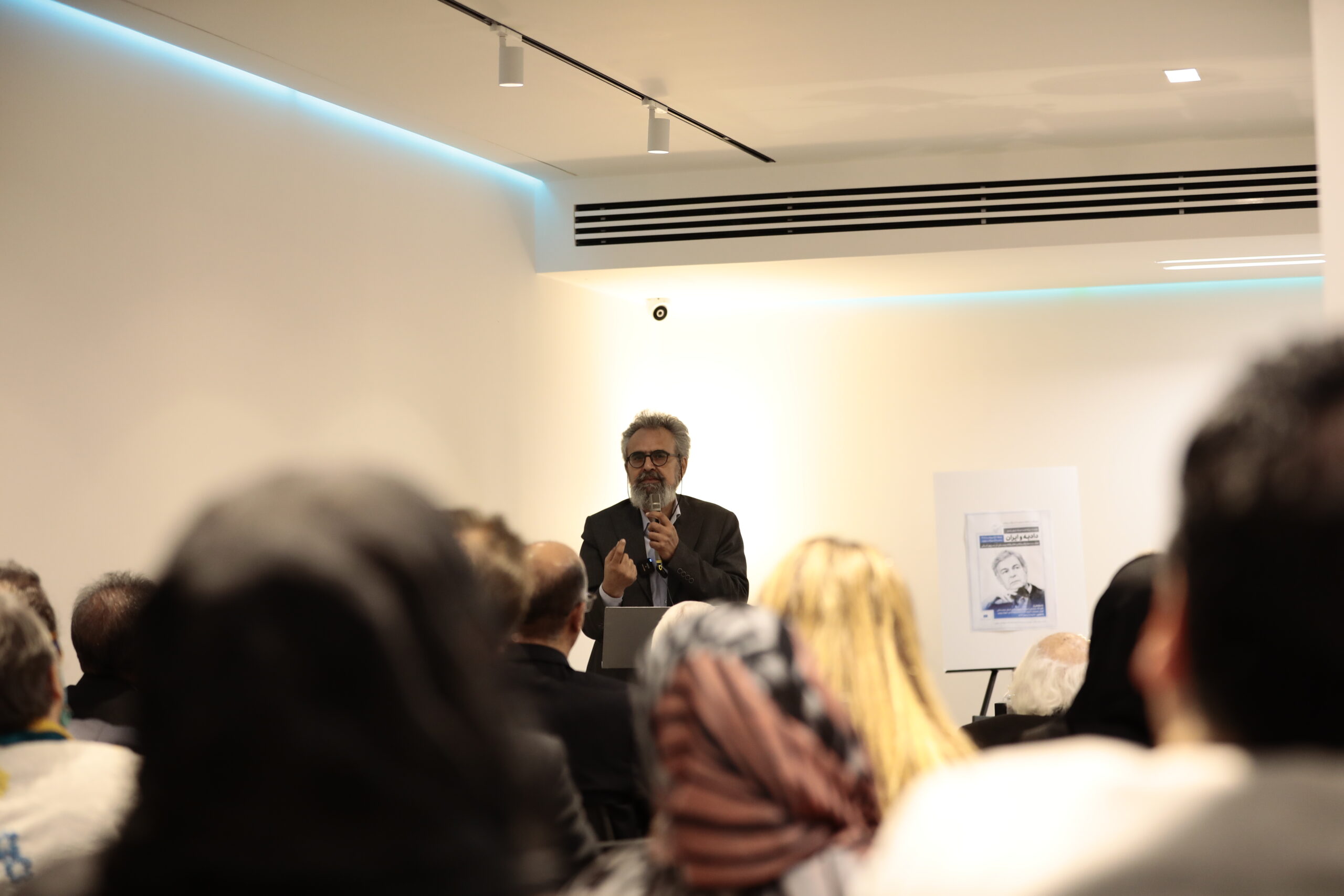
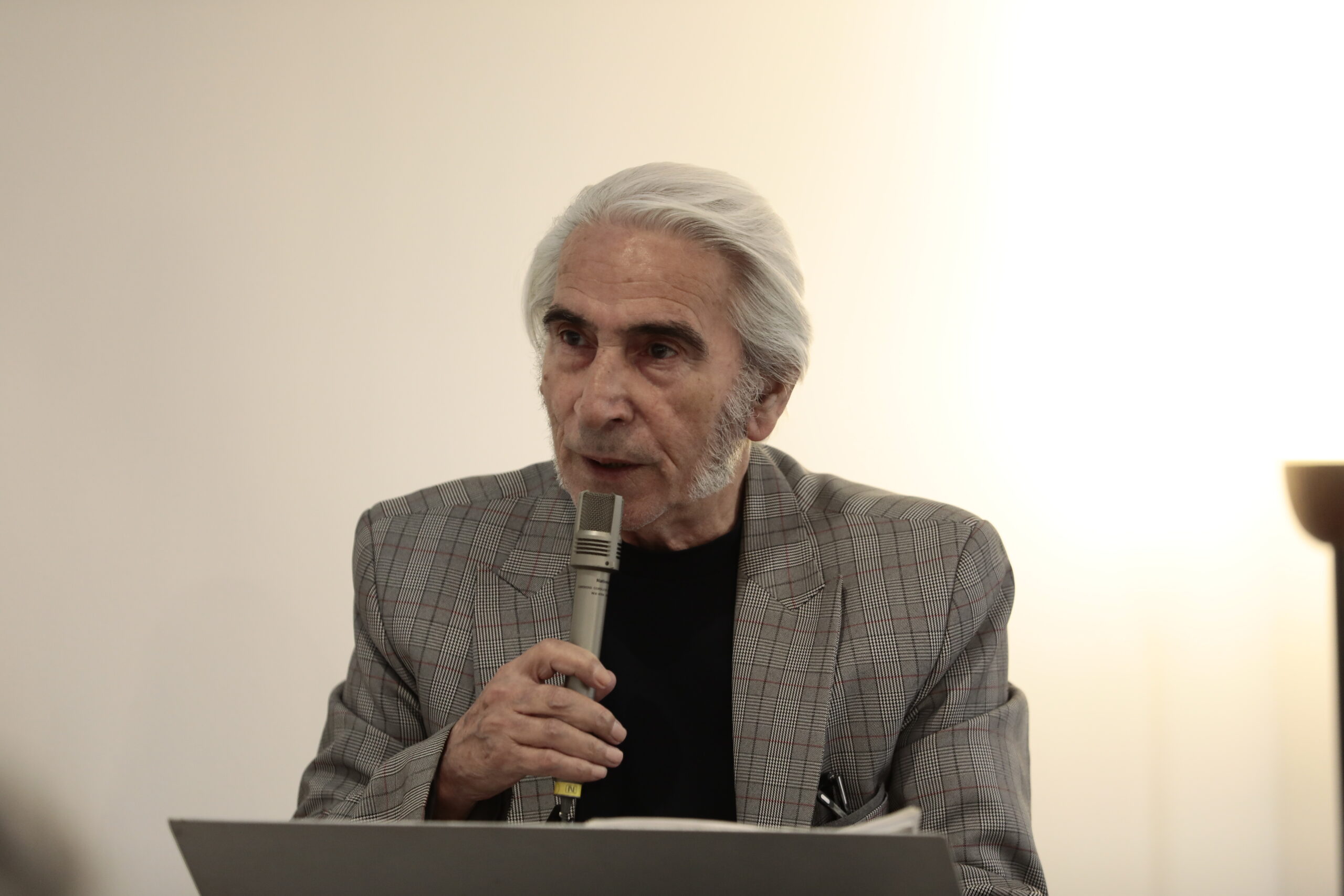
Next, Dr. Fathollah Mojtabaei, a distinguished literature professor and permanent member of the Academy of Persian Language and Literature, and an old friend of Dr. Dadbeh, shared memories of their acquaintance. He remembered Dadbeh as a meticulous and handsome student who later became a pillar of the country’s scholarship. Mojtabaei highlighted Dadbeh’s unparalleled role in the Great Islamic Encyclopedia, where for nearly 35 years he managed the Persian literature section and authored top-tier articles on mysticism and literature.
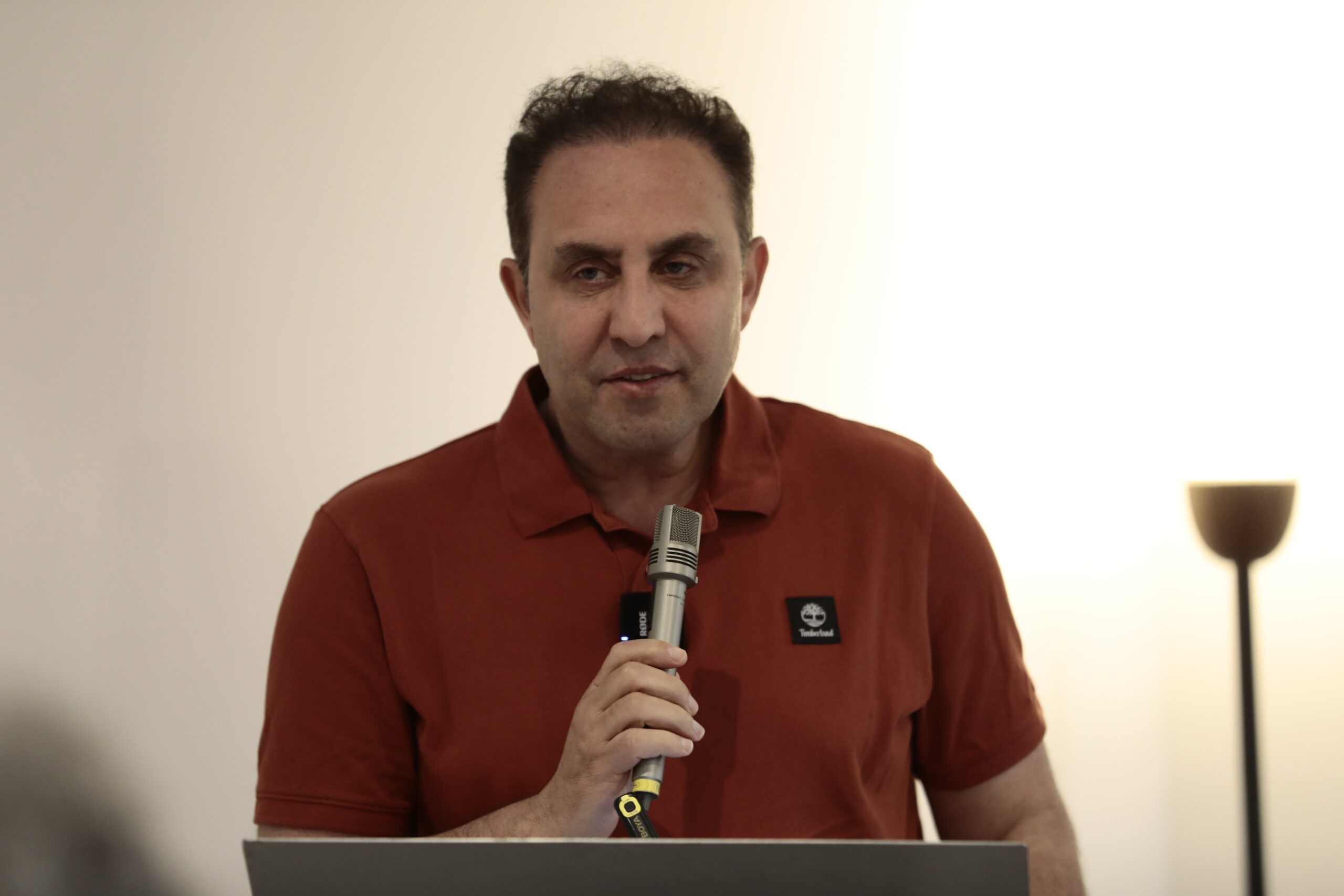
Dr. Sarmad Ghobad, Dadbeh’s attending physician and an old friend, spoke next, sharing a touching memory. He described looking at Dadbeh’s MRI scans: “When I looked at the professor’s MRI images, it was as if the grooves of his brain spoke the language of Saadi, Hafez, and Rumi.” He also praised the exemplary character of Dadbeh’s family during his treatment.
Abdolreza Modarreszadeh recalled Dadbeh’s influential role in academic circles in Kashan, describing him as a teacher who always moved a step beyond conventional comfort-seeking. He noted Dadbeh’s love for Iran was not just a slogan: “He was sensitive to the destruction of a historical reservoir in a remote part of the country or even a typo on a public sign.”
Mohammadreza Adli spoke of Dr. Dadbeh’s unique dignity and presence, which initially instilled a respectful fear in students but also a deep attraction. He shared memories of his first meeting with Dadbeh during a PhD interview, where the professor asked him to recite Hafez.
Bahram Parvin Gonabadi addressed Dr. Dadbeh’s managerial qualities, highlighting his sense of responsibility, adherence to rules, and his nature as a “manager who spent himself” for his duties, sharing personal and poetic anecdotes.
Hormoz Rahimiayan focused on the deep, inseparable bond between Dadbeh’s name and Hafez. He recited a poetic tribute he had written in praise of the late professor.
The ceremony was touched by a brief, artistic vocal performance by Gholamreza Rezaei as a tribute to the professor’s artistic and literary stature. Ahmad Mohammadi Sohrevardi described Dadbeh as a figure to be worshipped, not just loved, also noting his incredible speed and mastery in writing a scholarly preface in under a few hours.
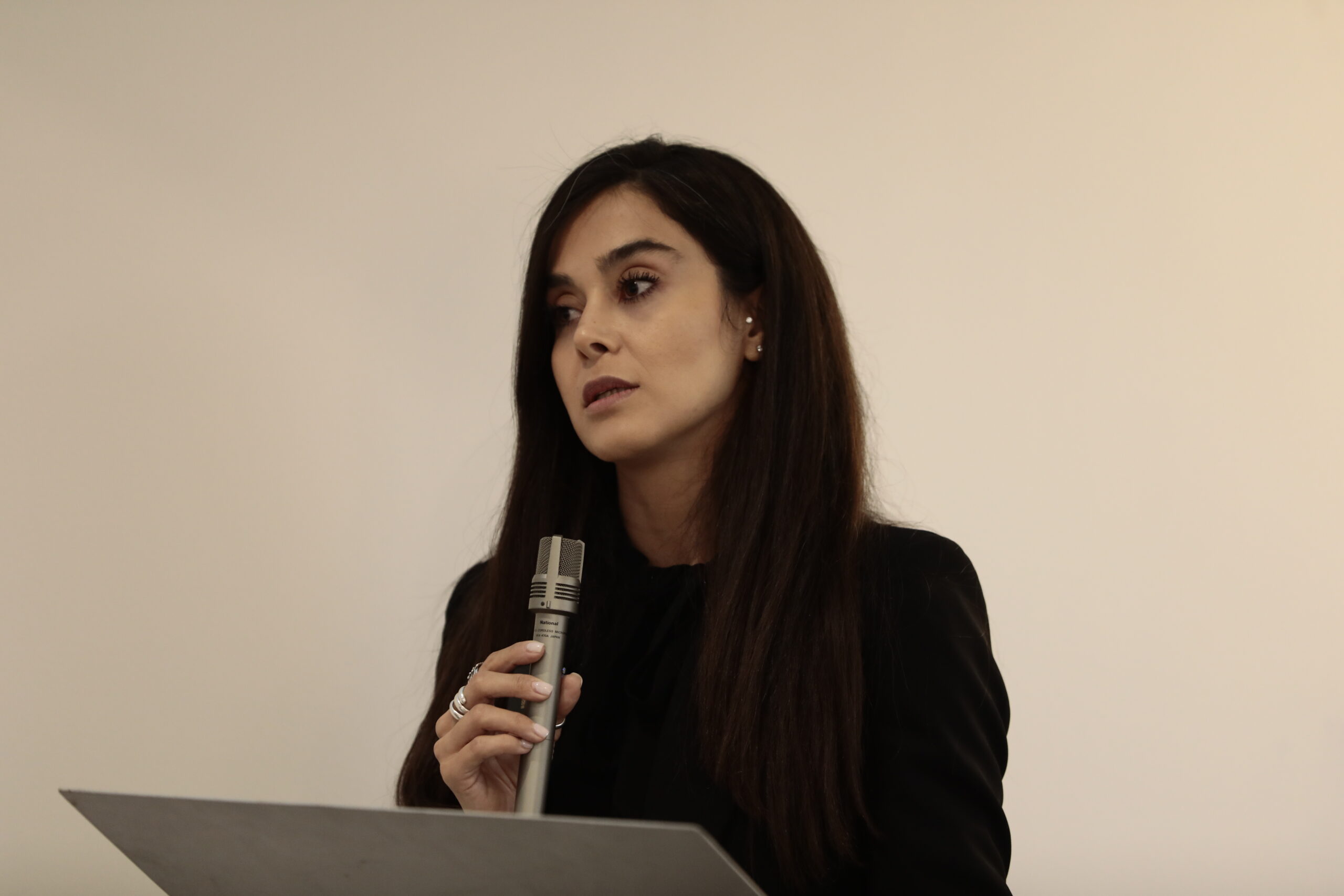
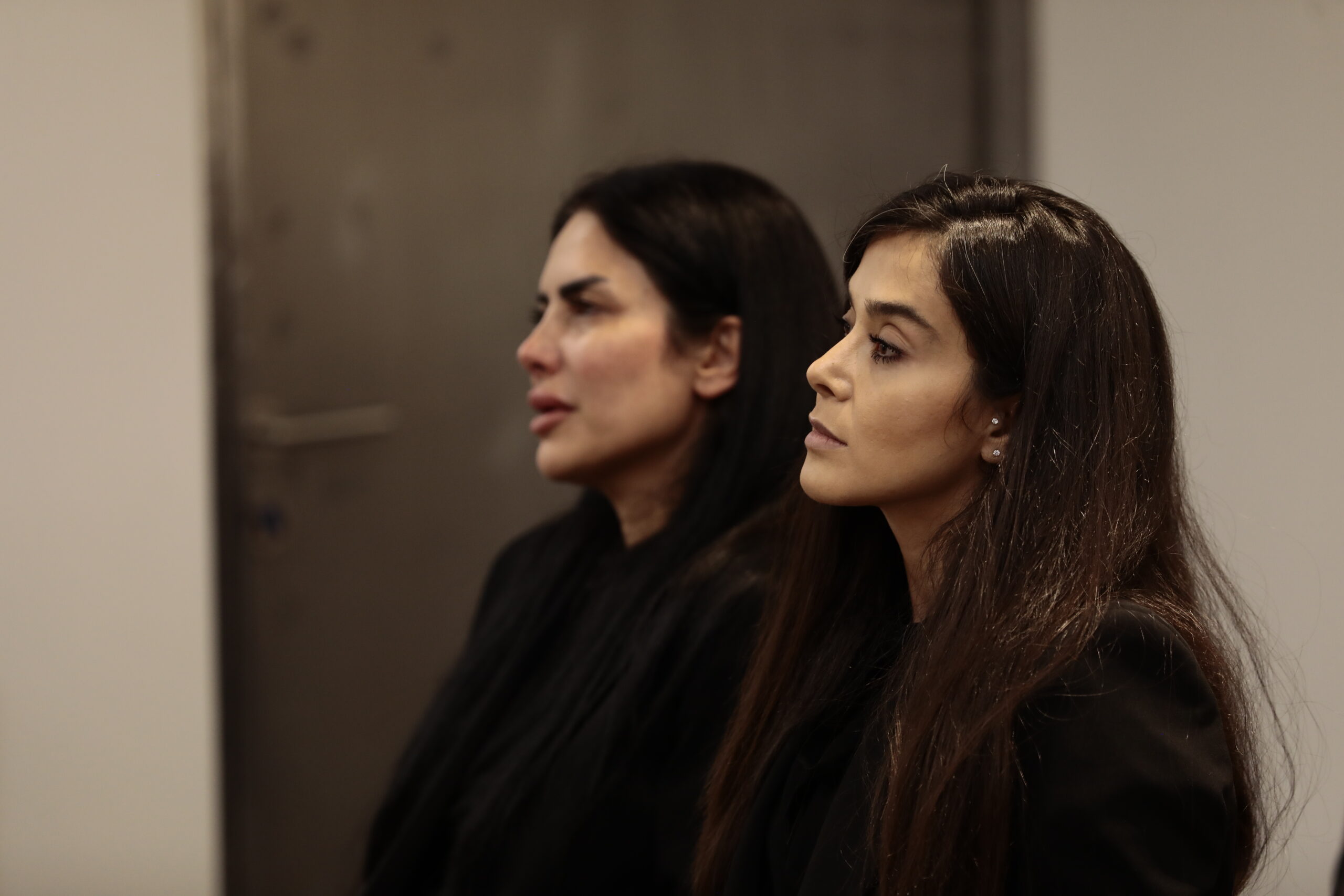
The final speech of the memorial was delivered by Behshid Dadbeh, the professor’s daughter, on behalf of the family. Expressing deep emotion and gratitude to the attendees and organizers at Niavaran BookCity, she recounted the final days of her father’s life. She specially thanked Dr. Ghobad, describing him not just as a physician but as a compassionate friend and companion to the family.
Photos: Paria Fathi
Tags: Dadbeh, events, Memorial, Niavaran BookCity