

Hungarian Ambassador joins physicians and sociologists at Central Book City to review Breaking Through: My Life in Science
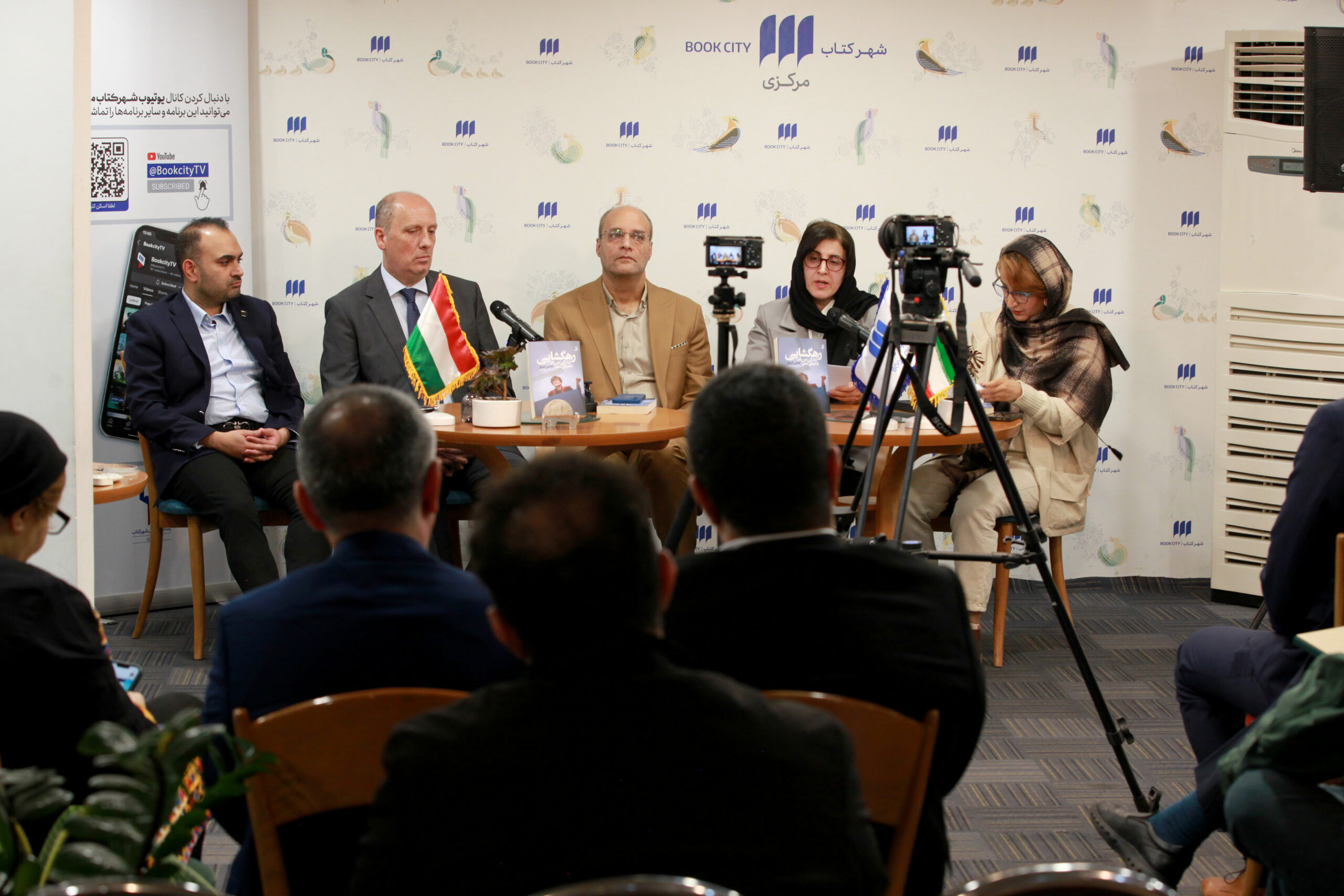
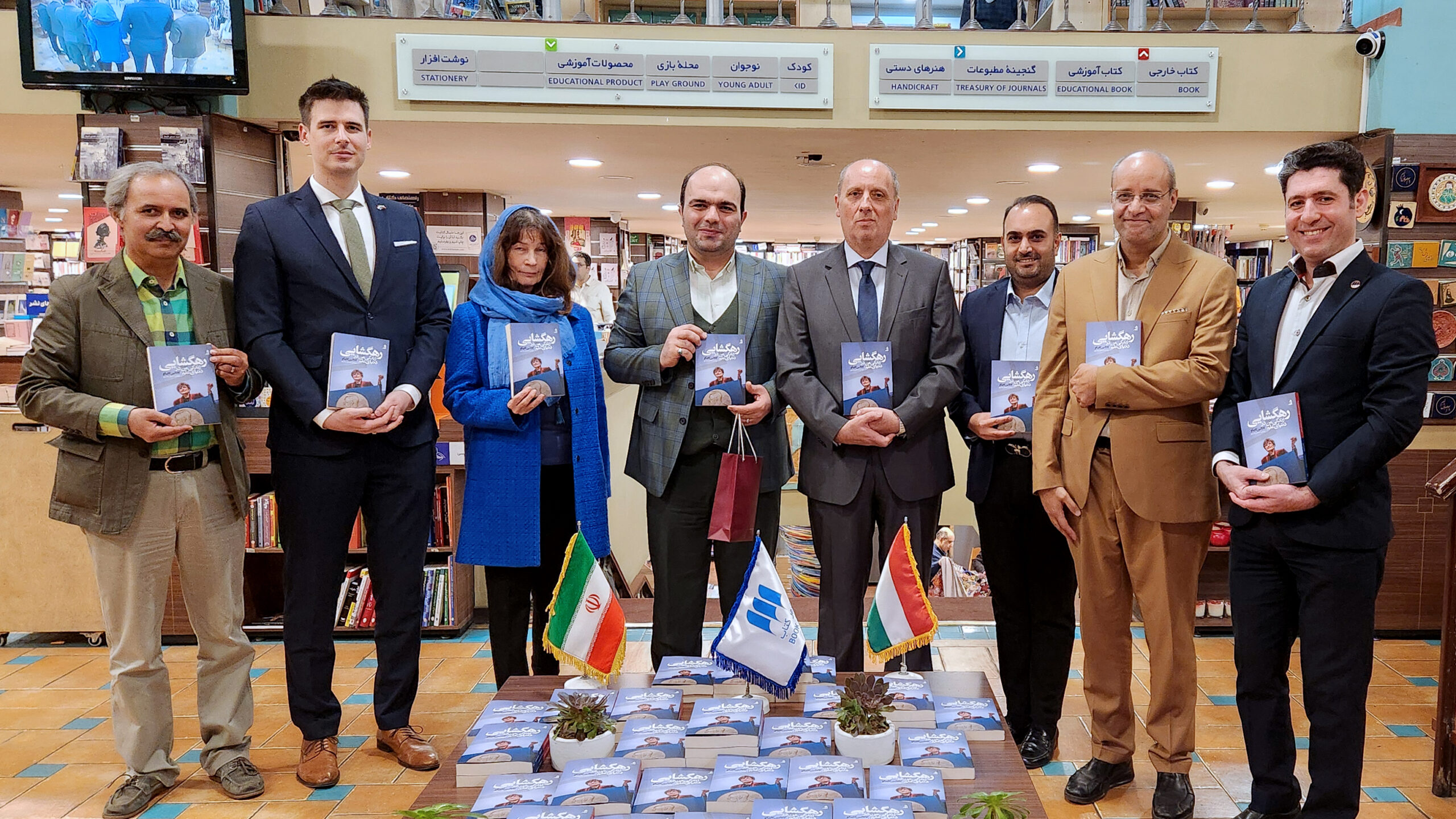
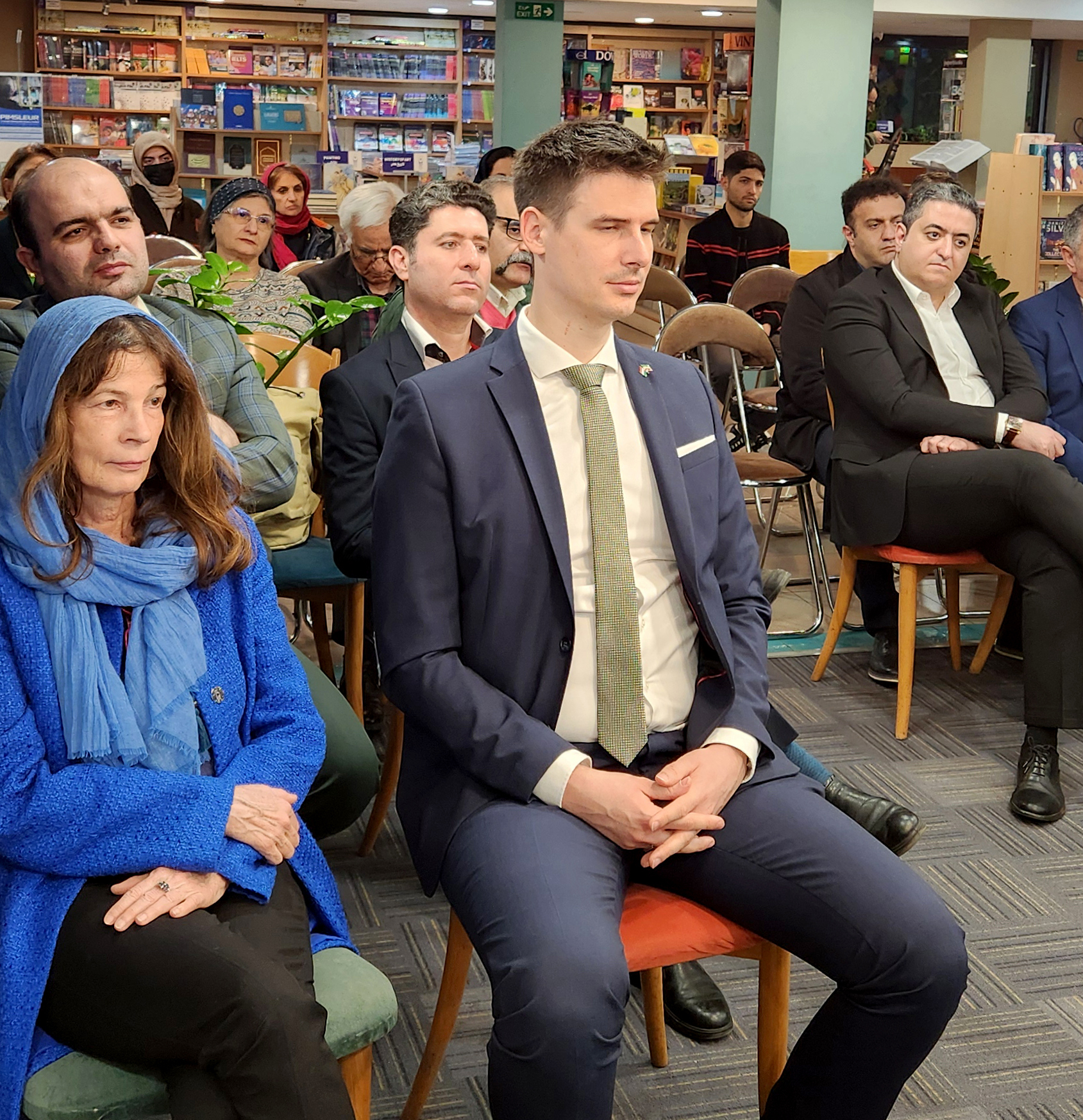
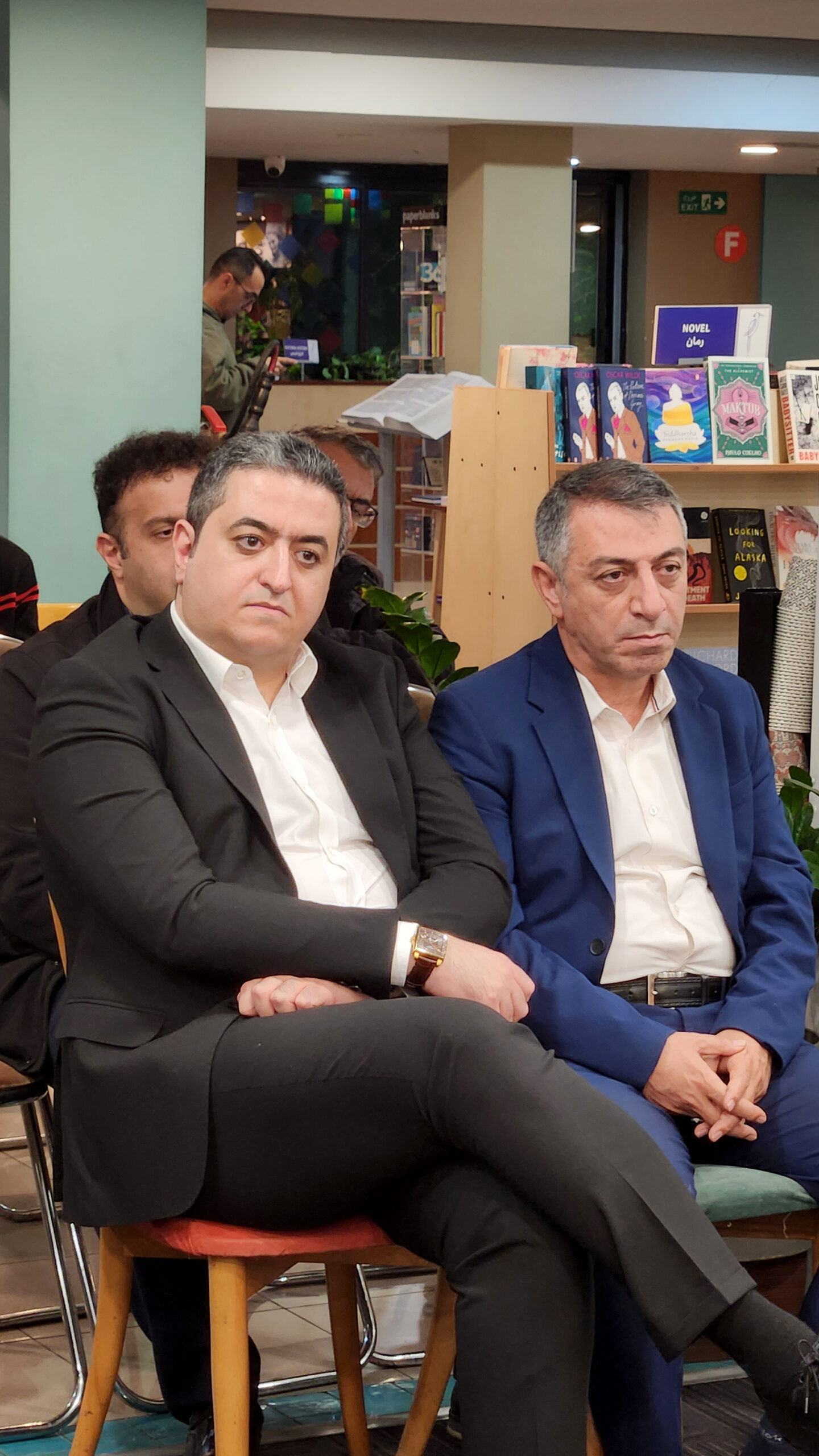
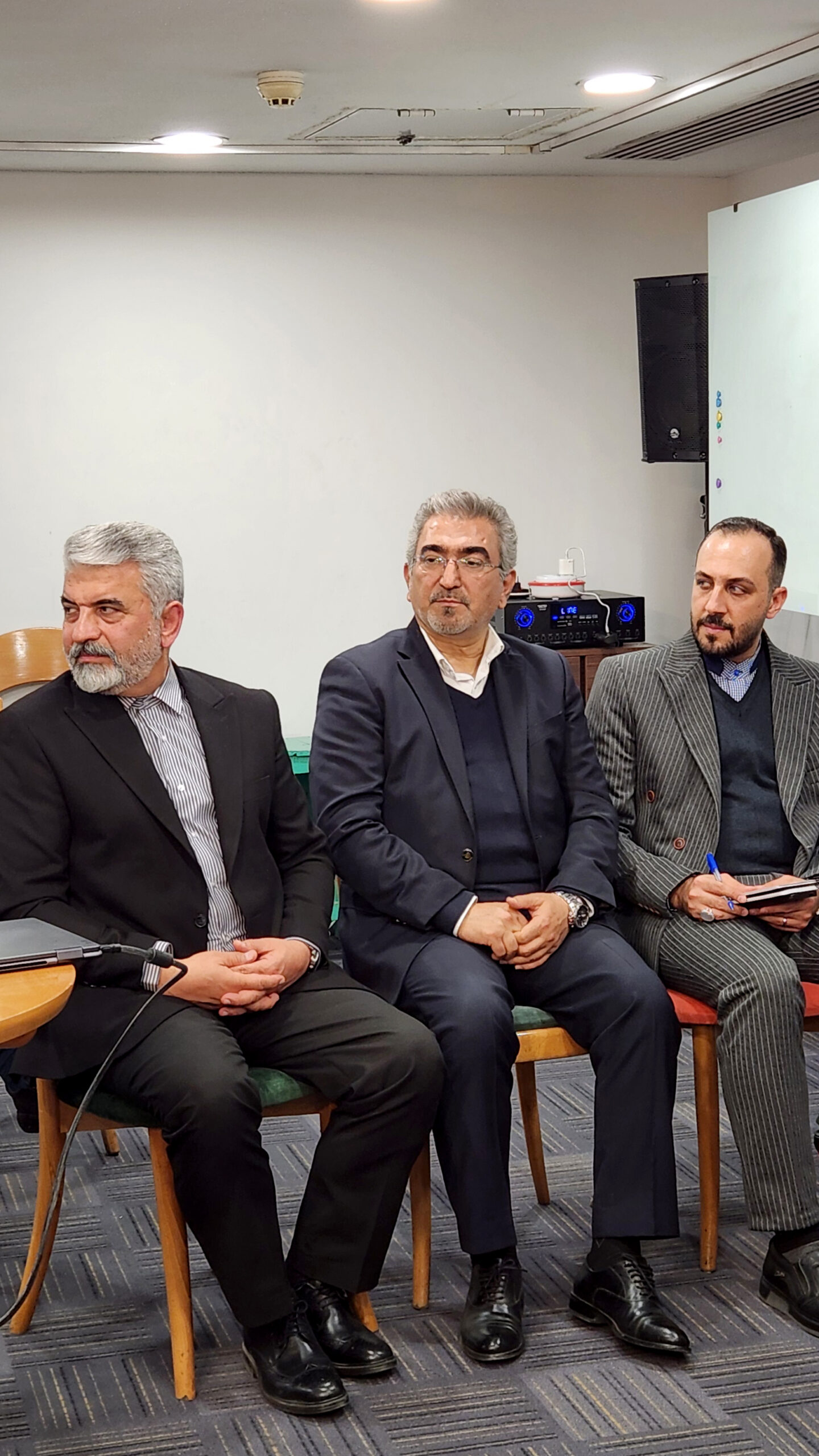
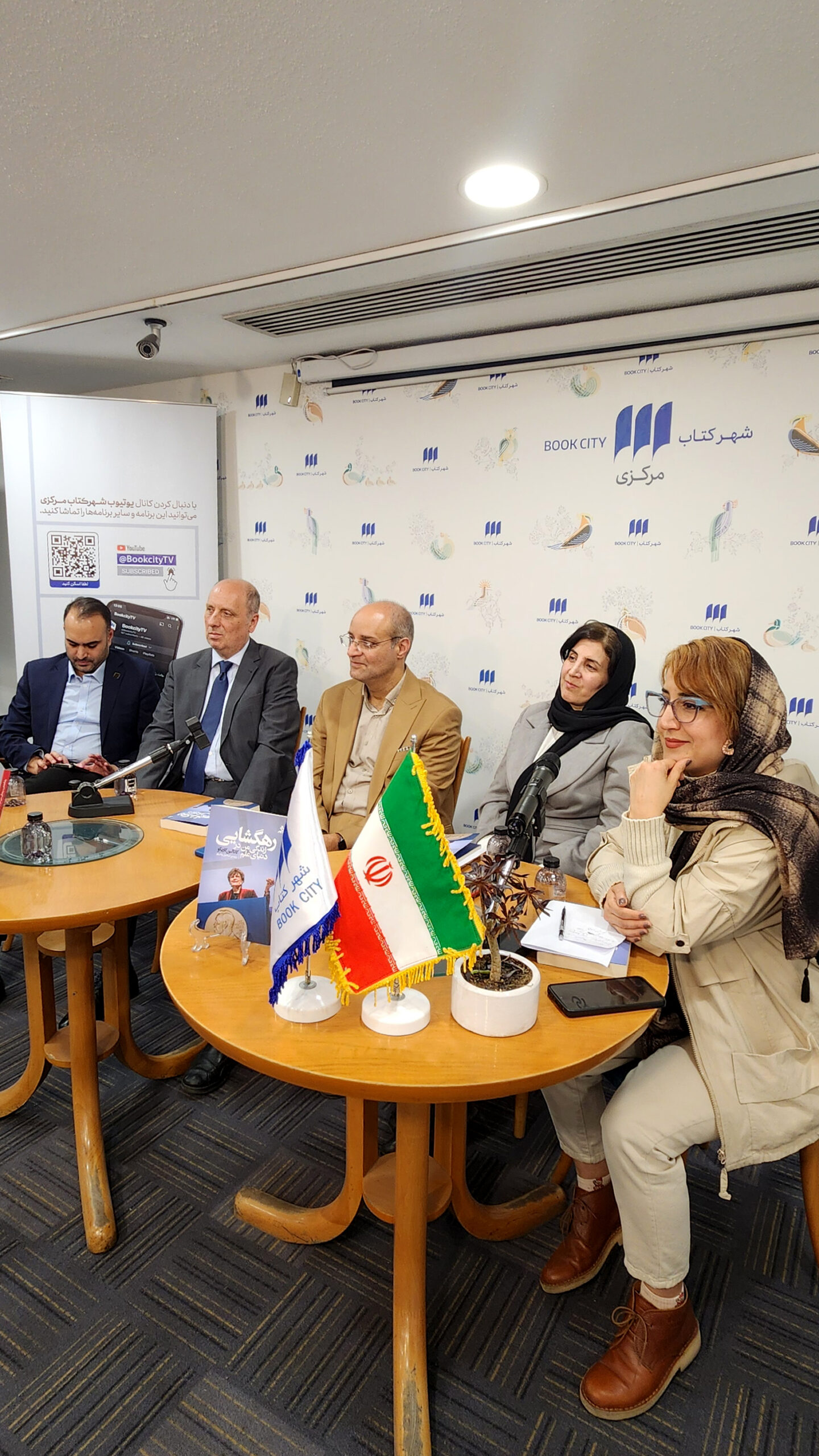
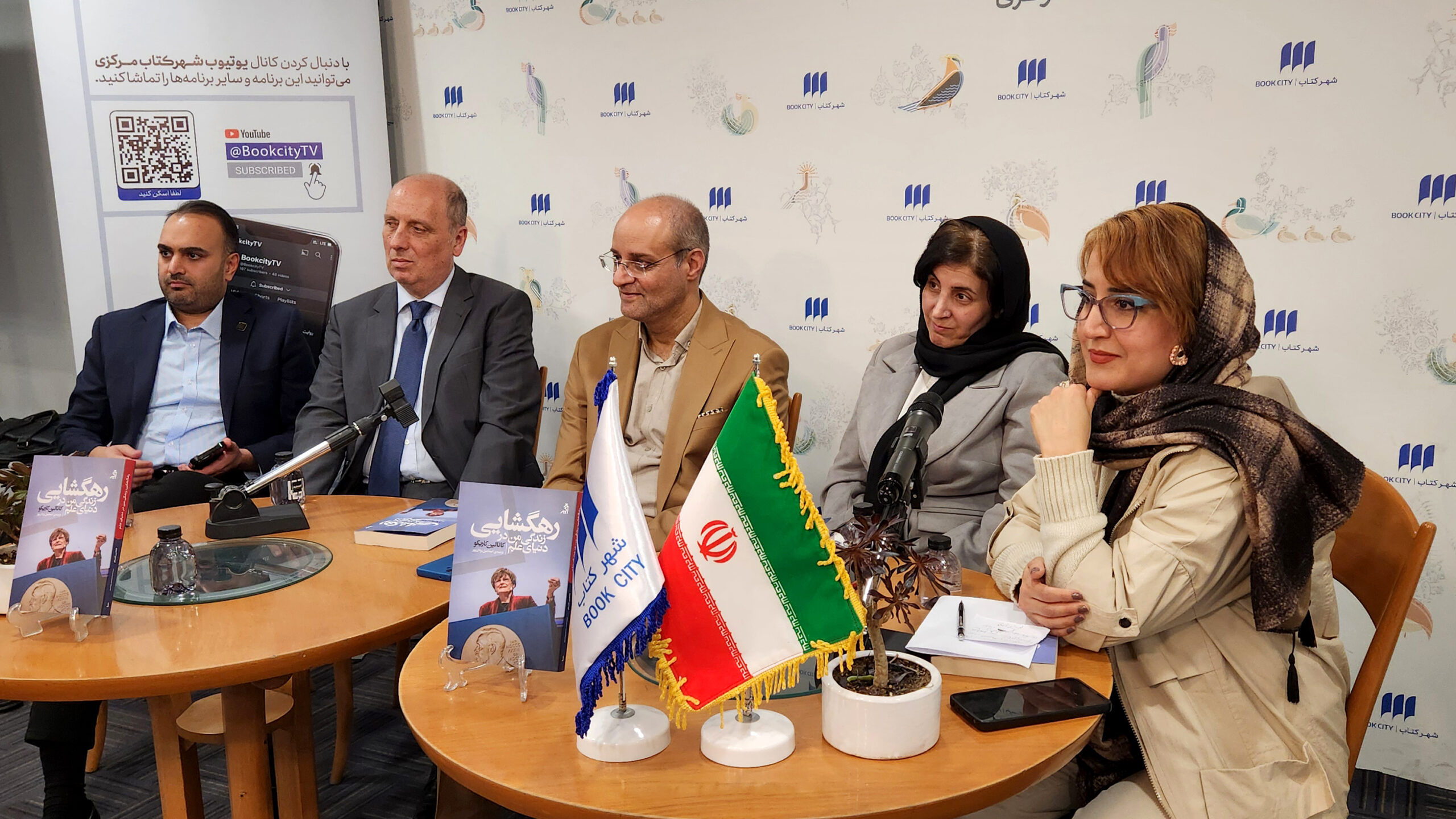
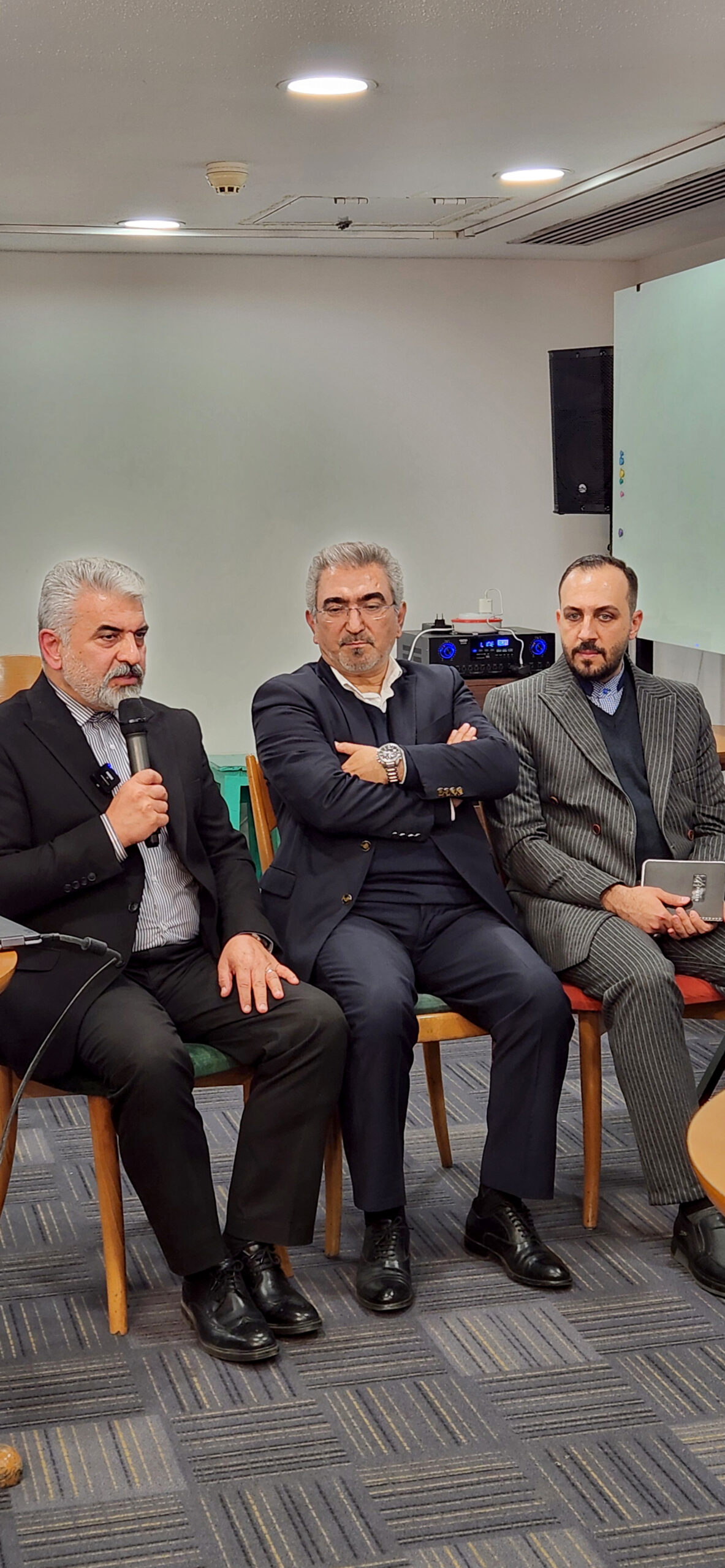
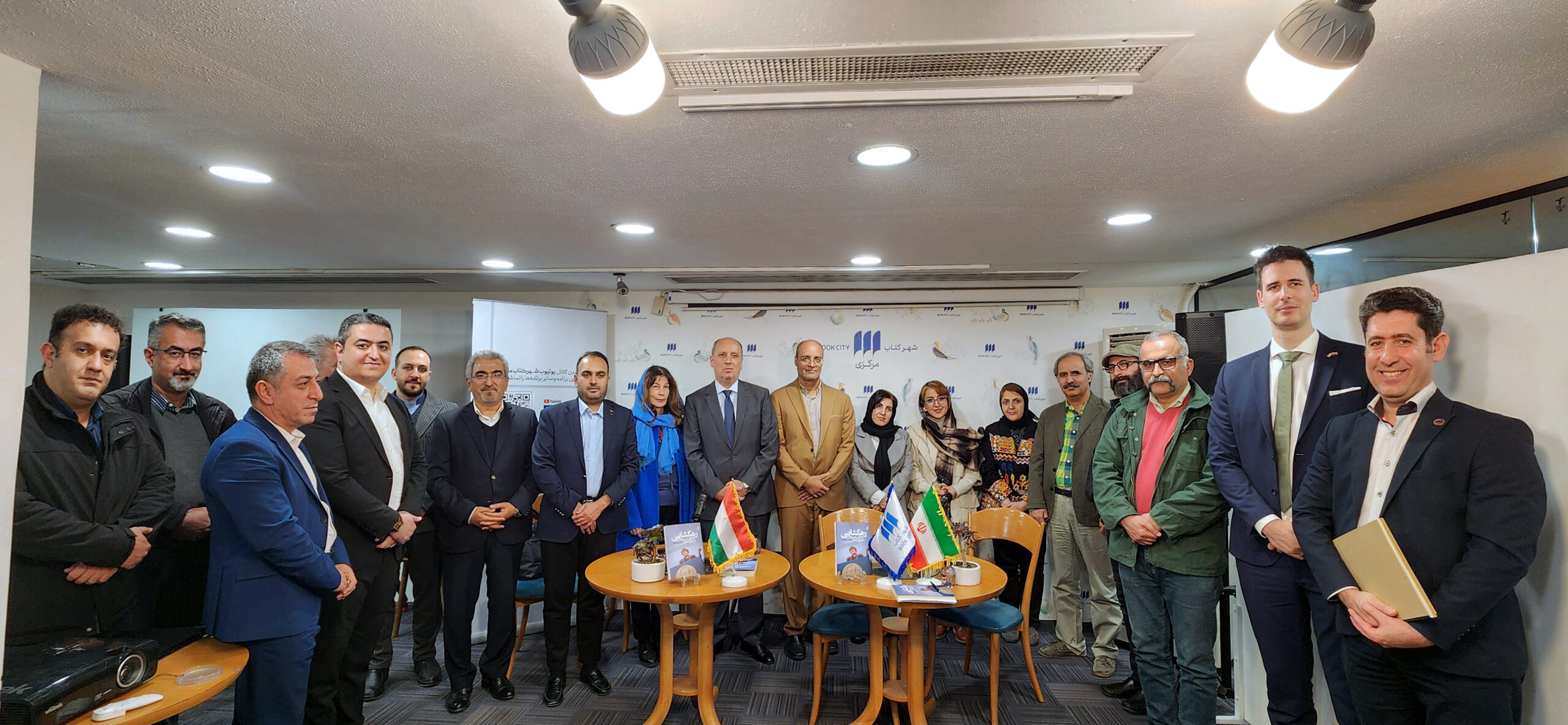
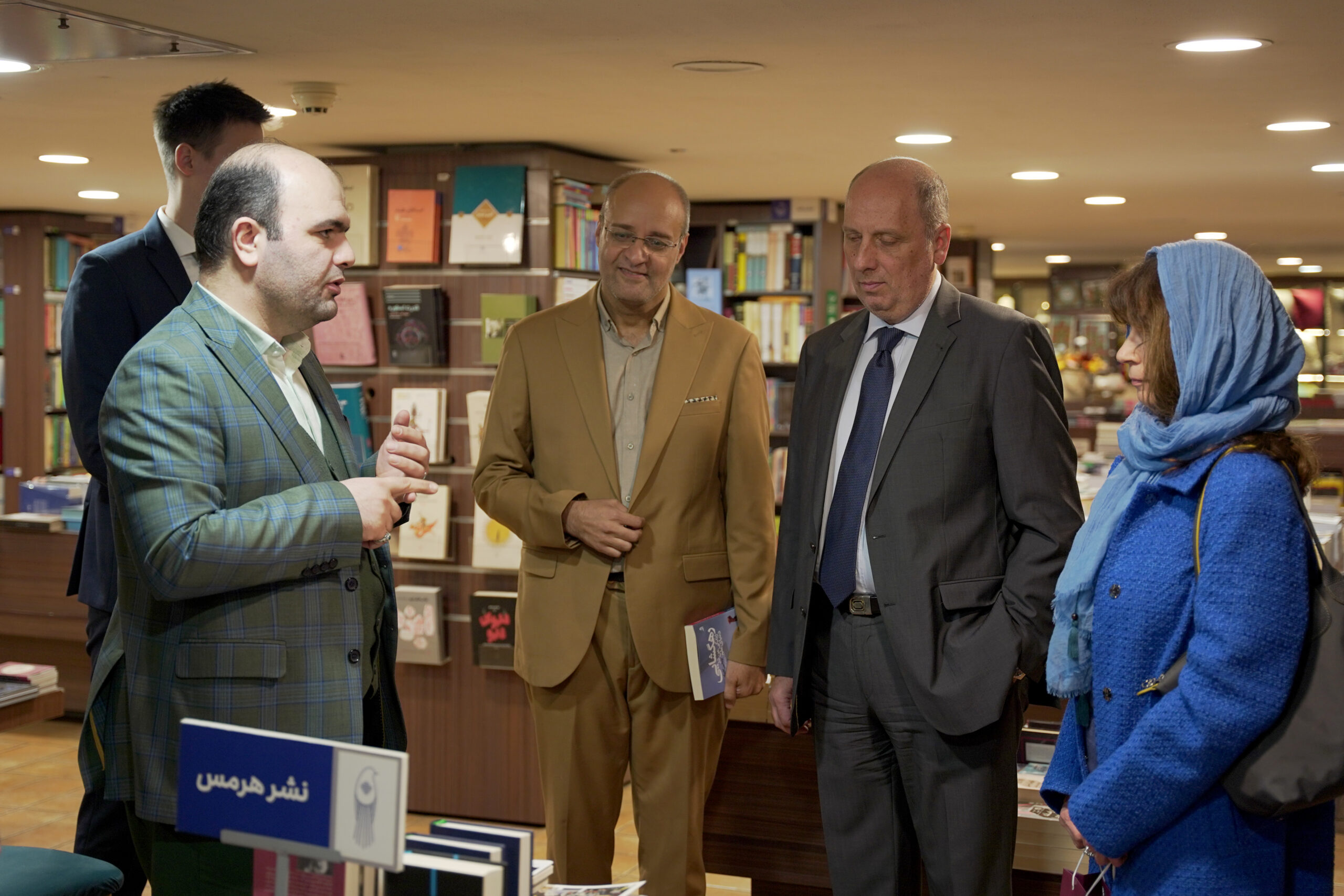
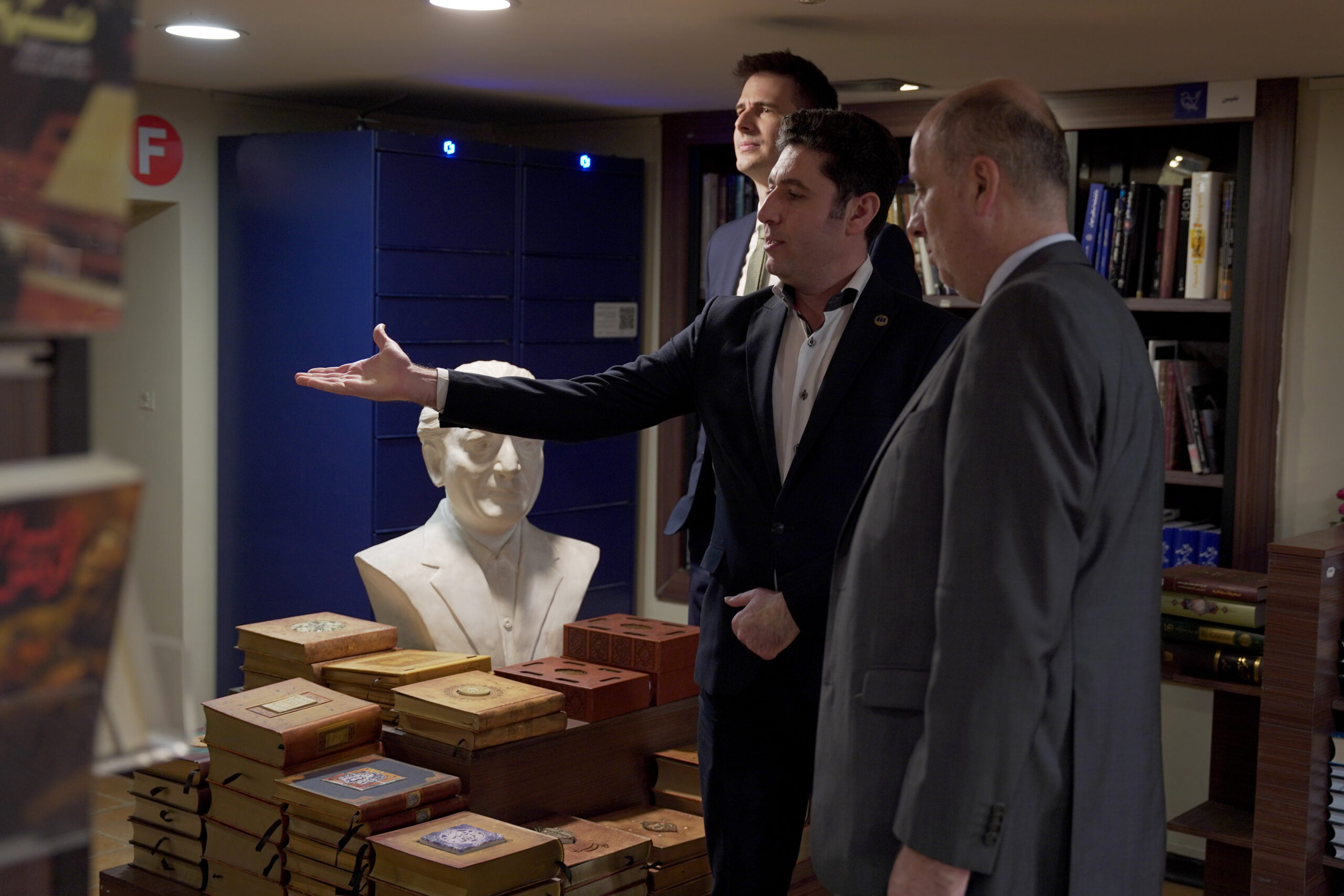
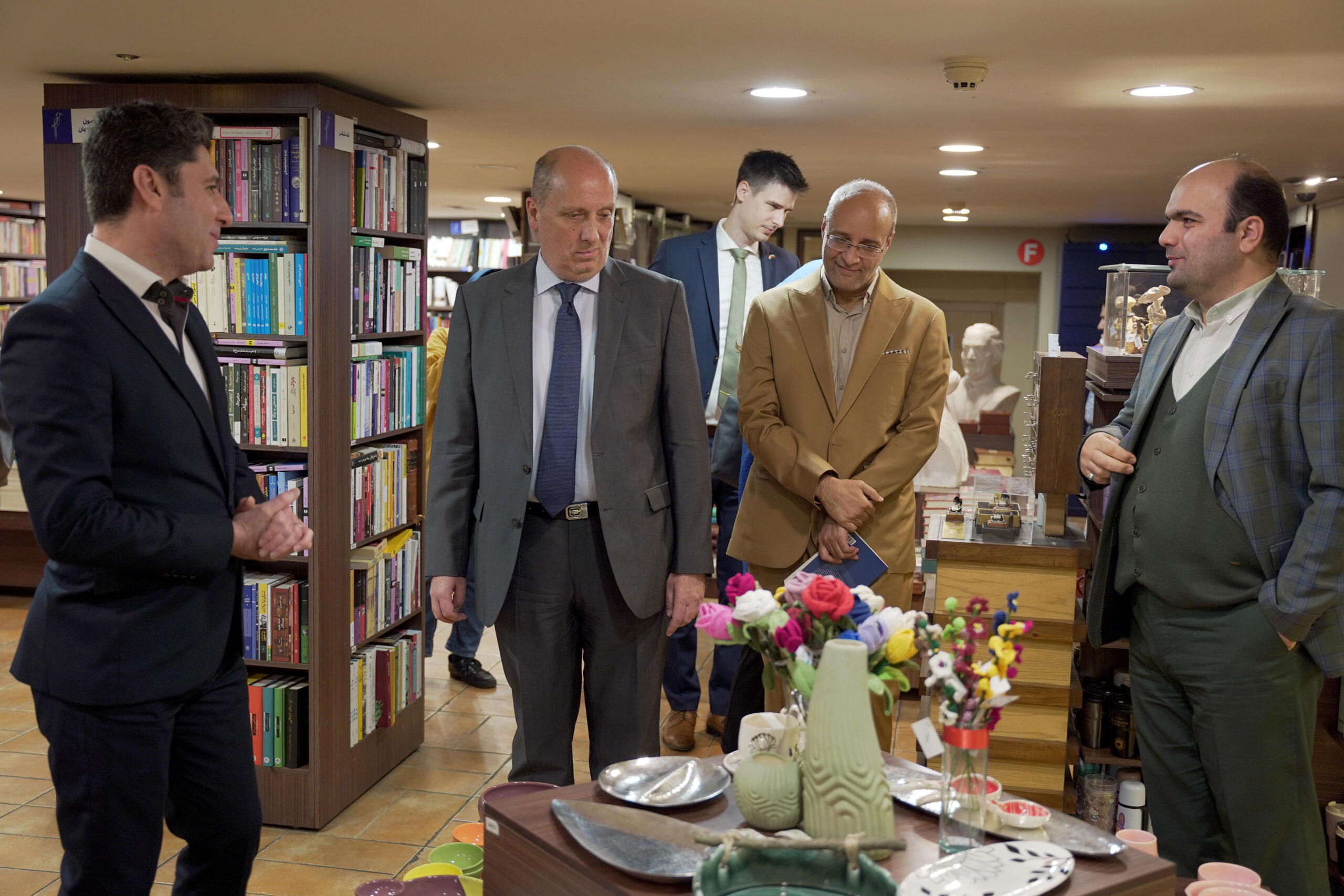
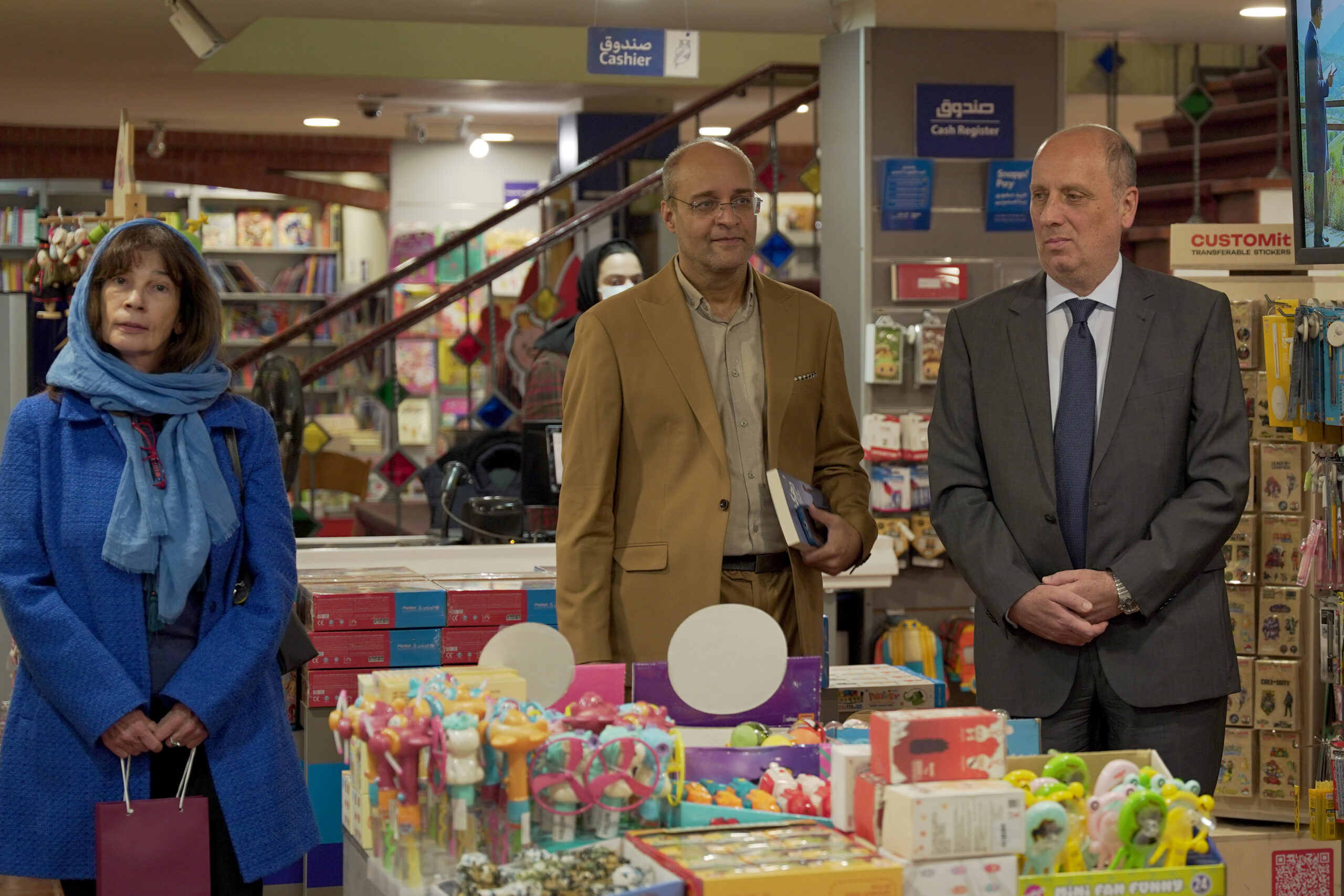
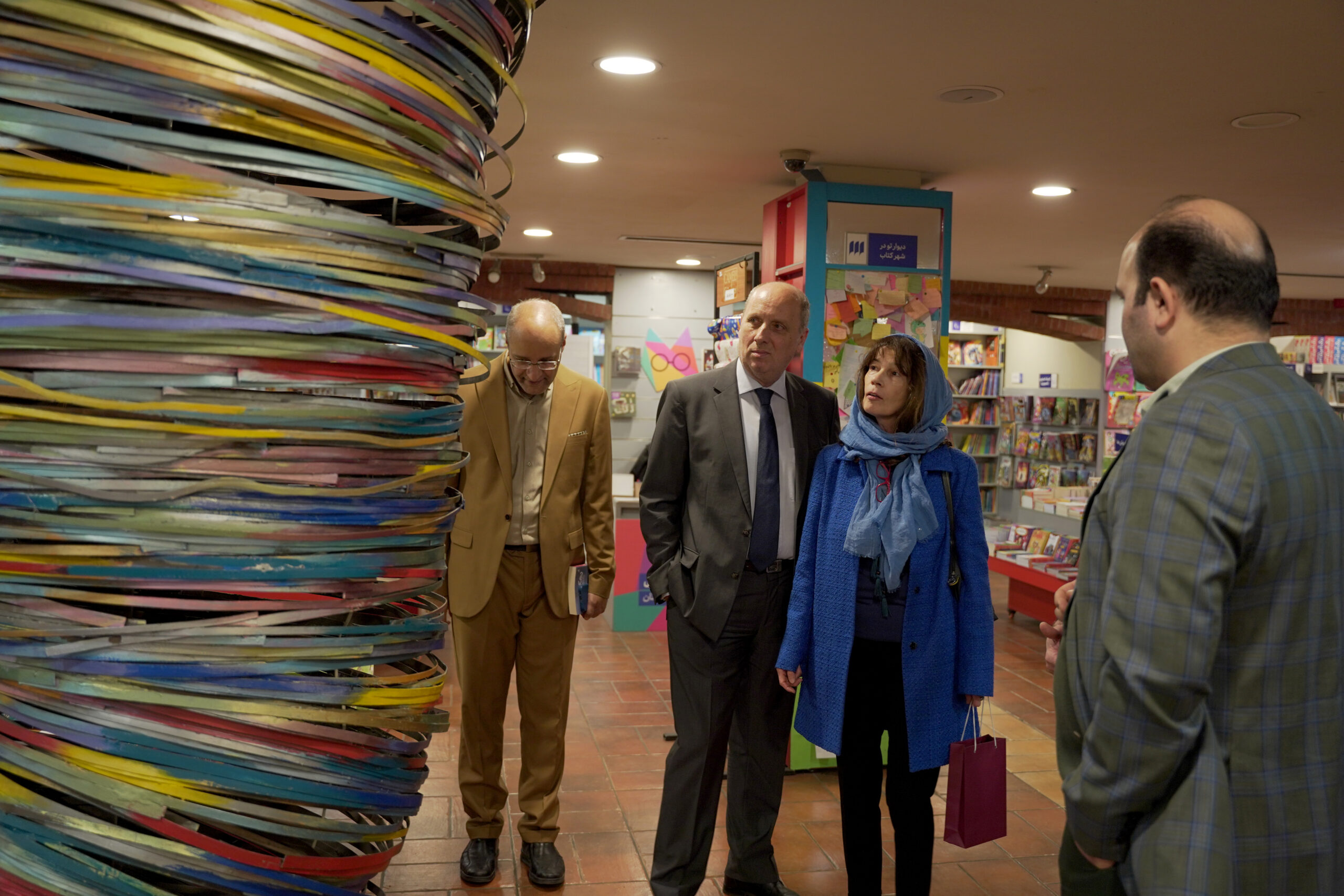
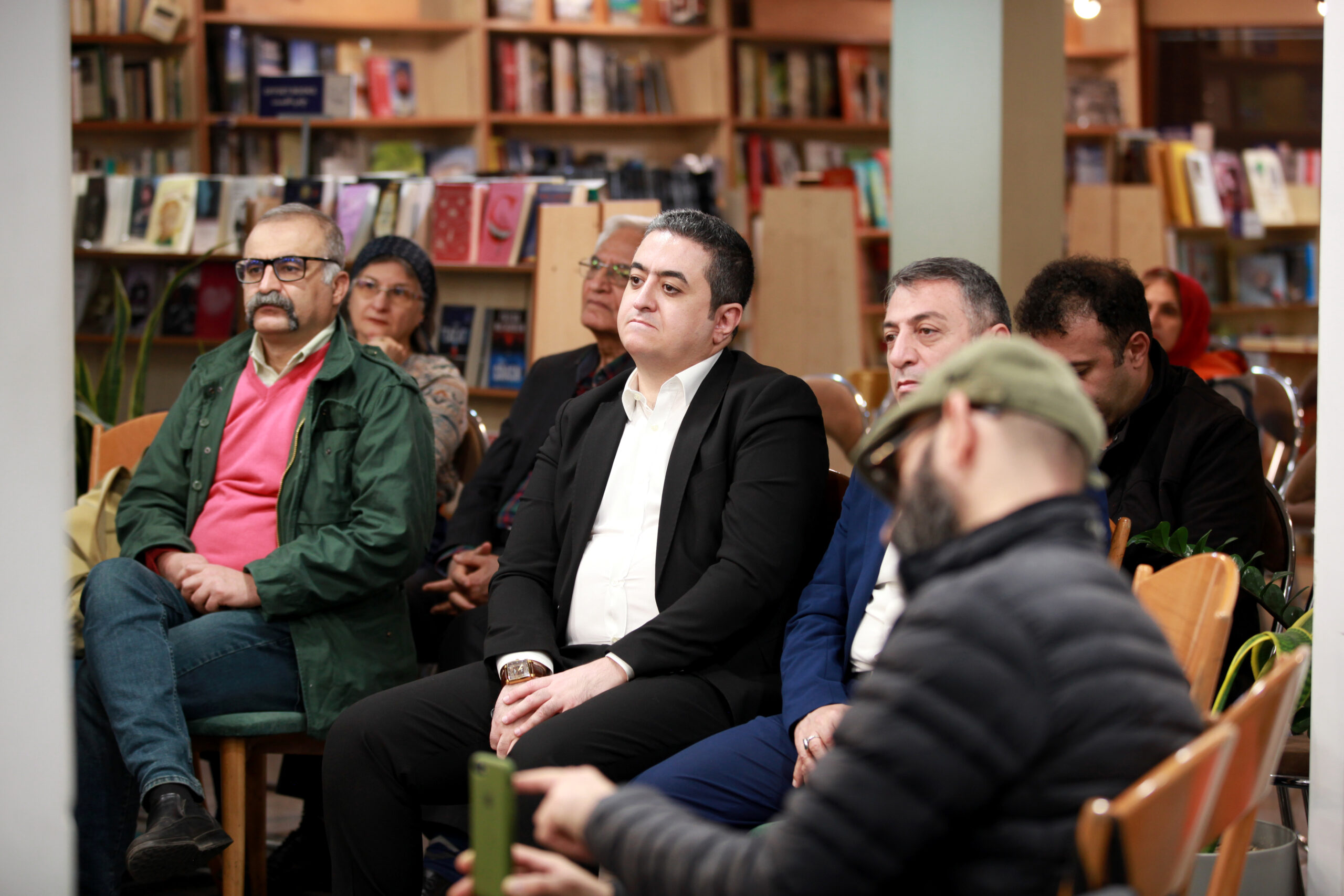
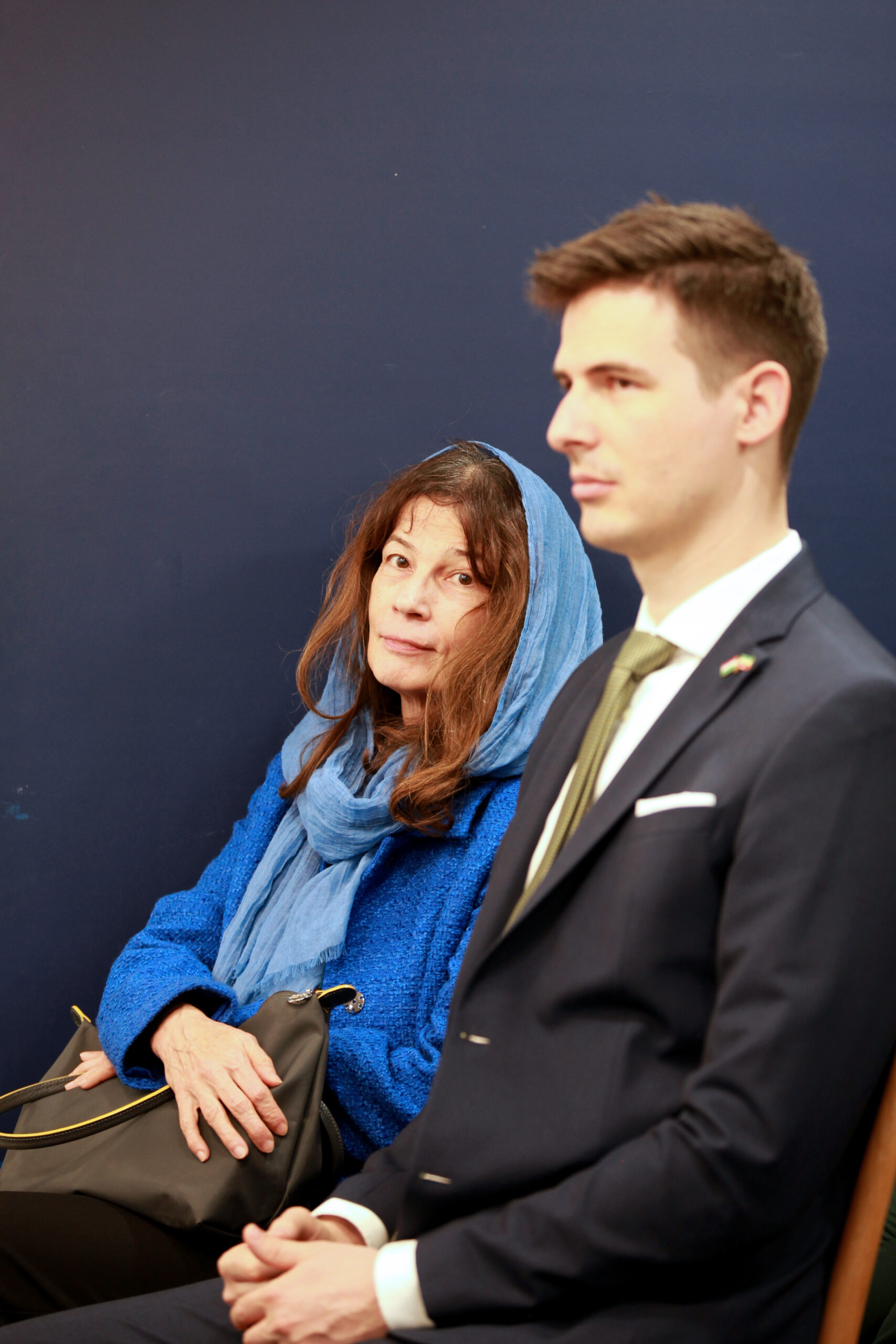
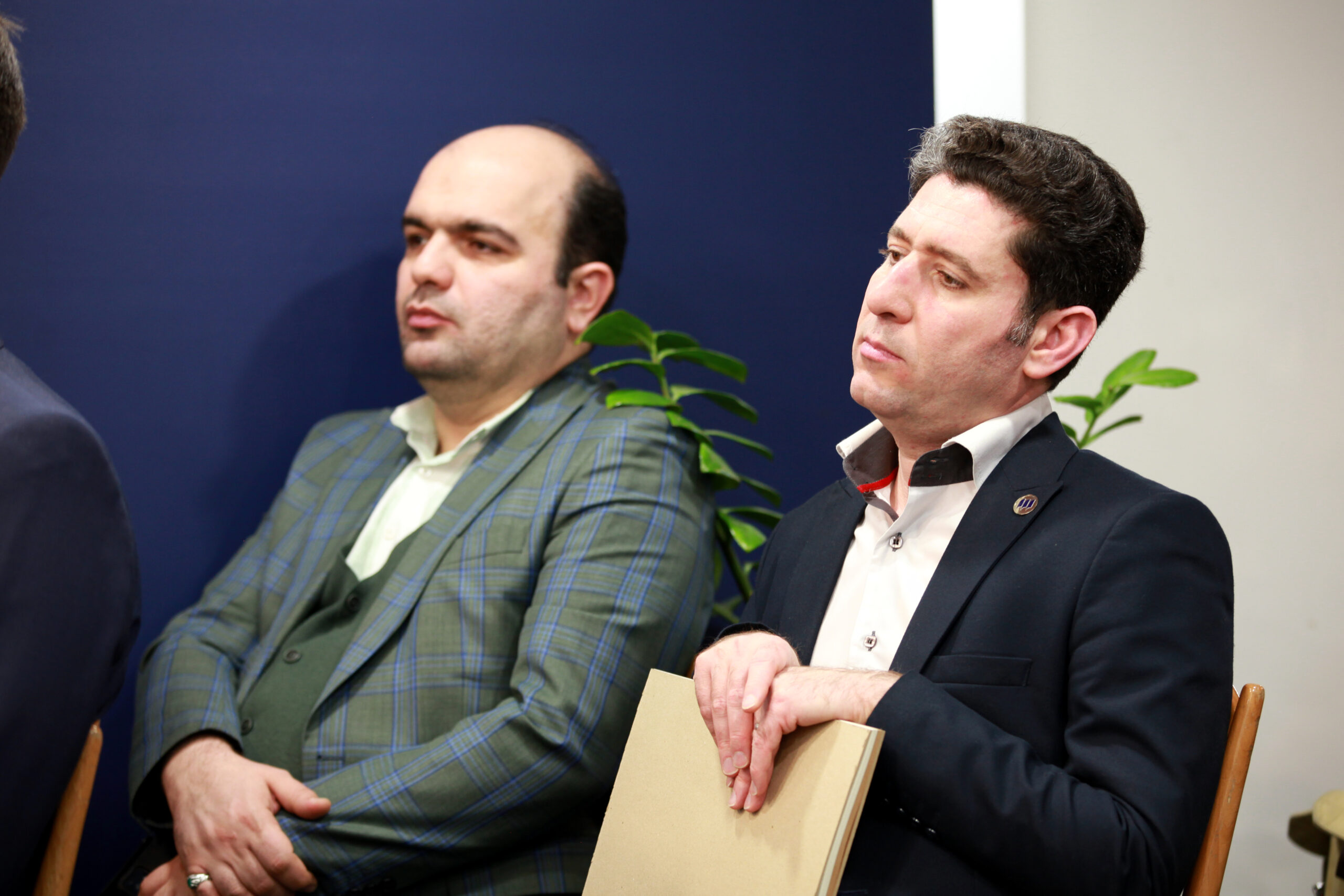
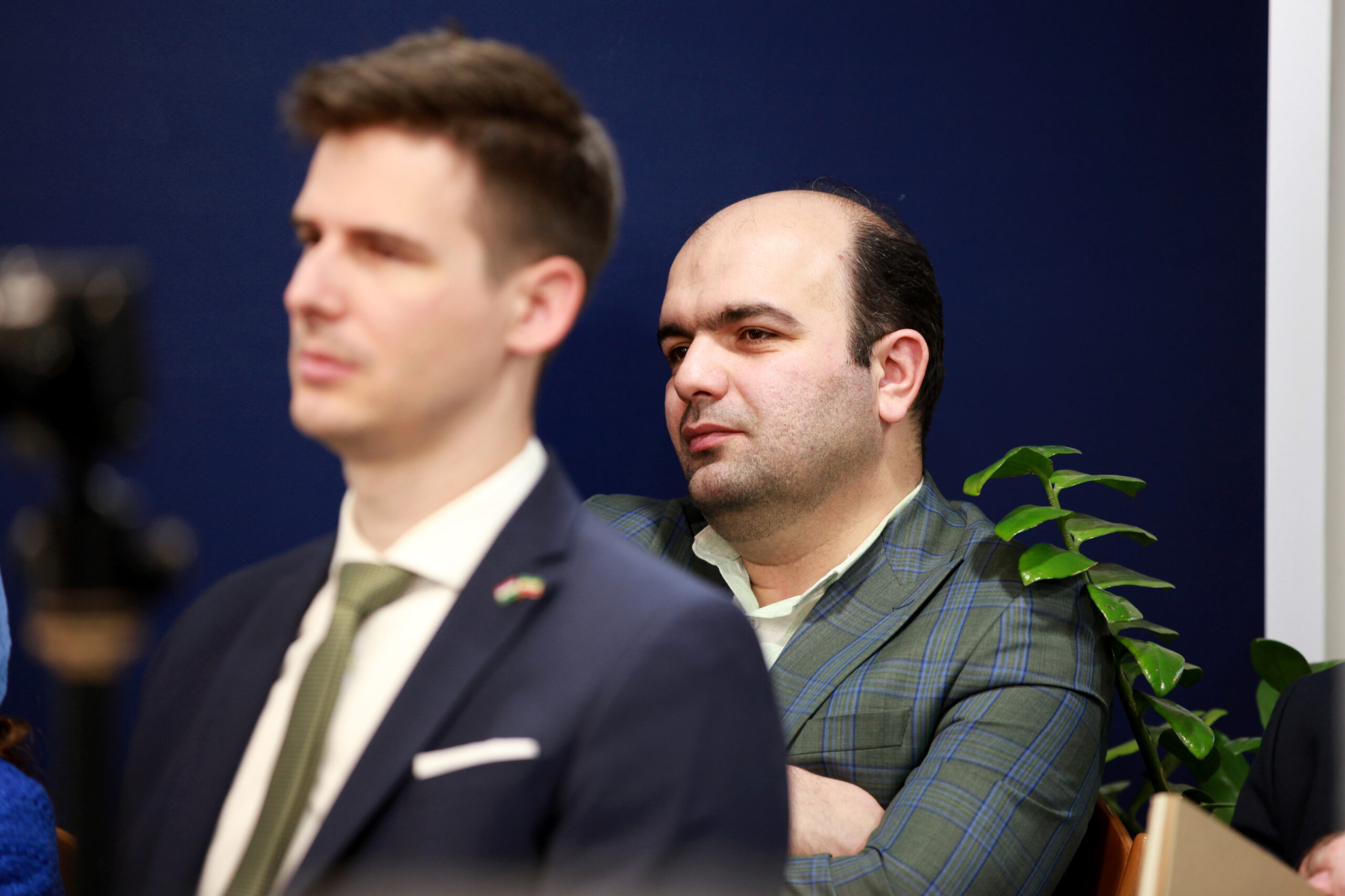
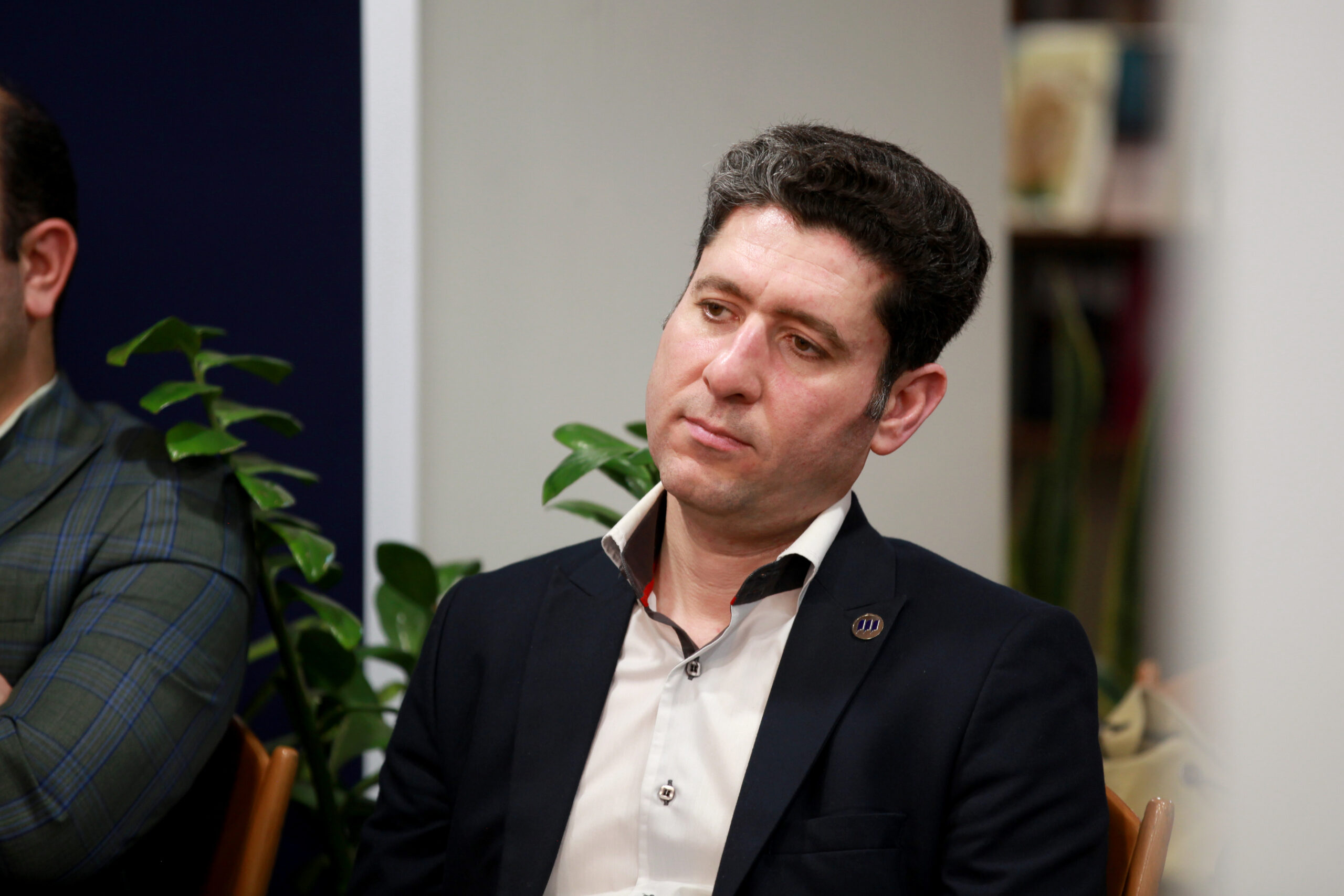
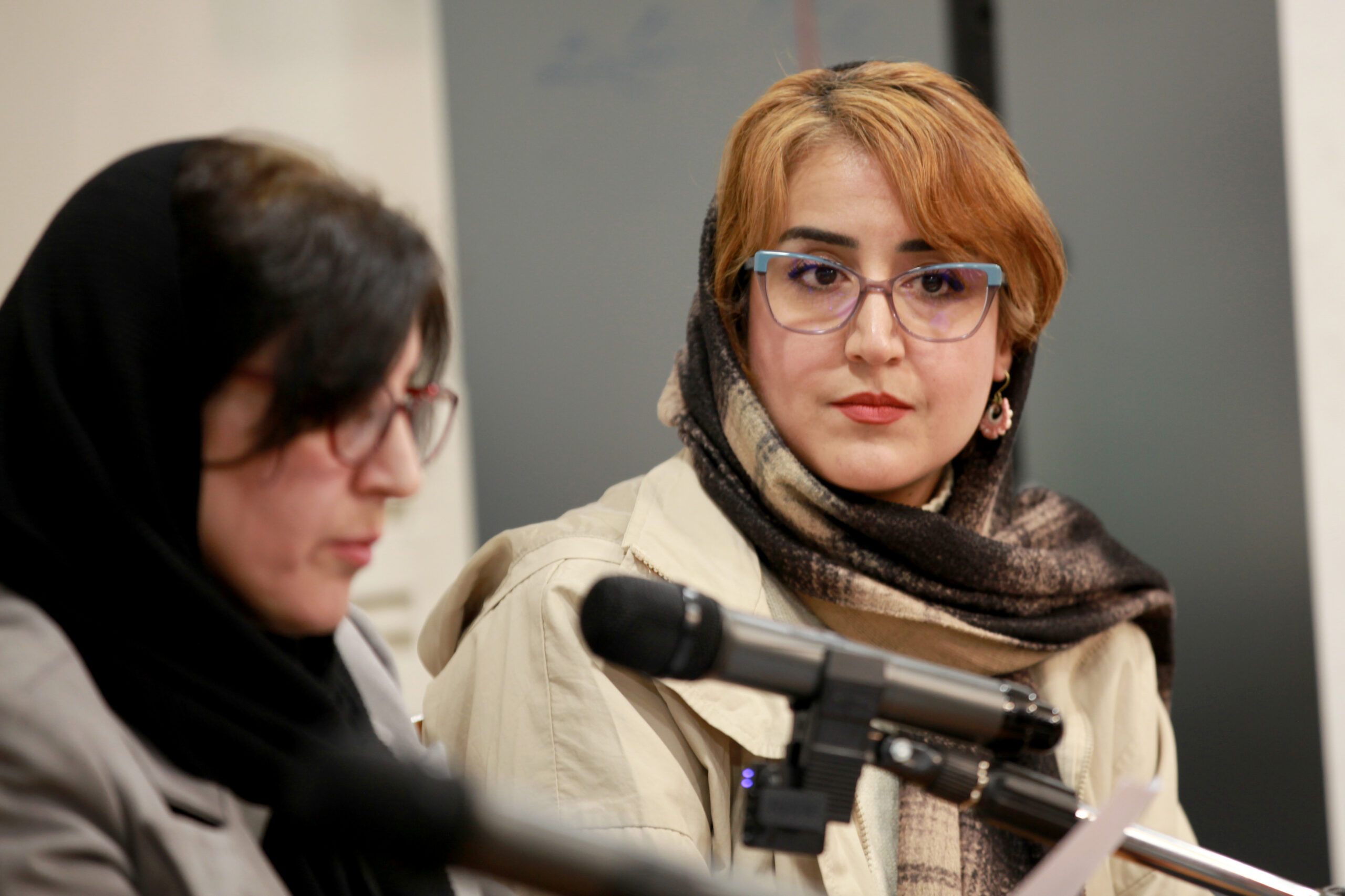
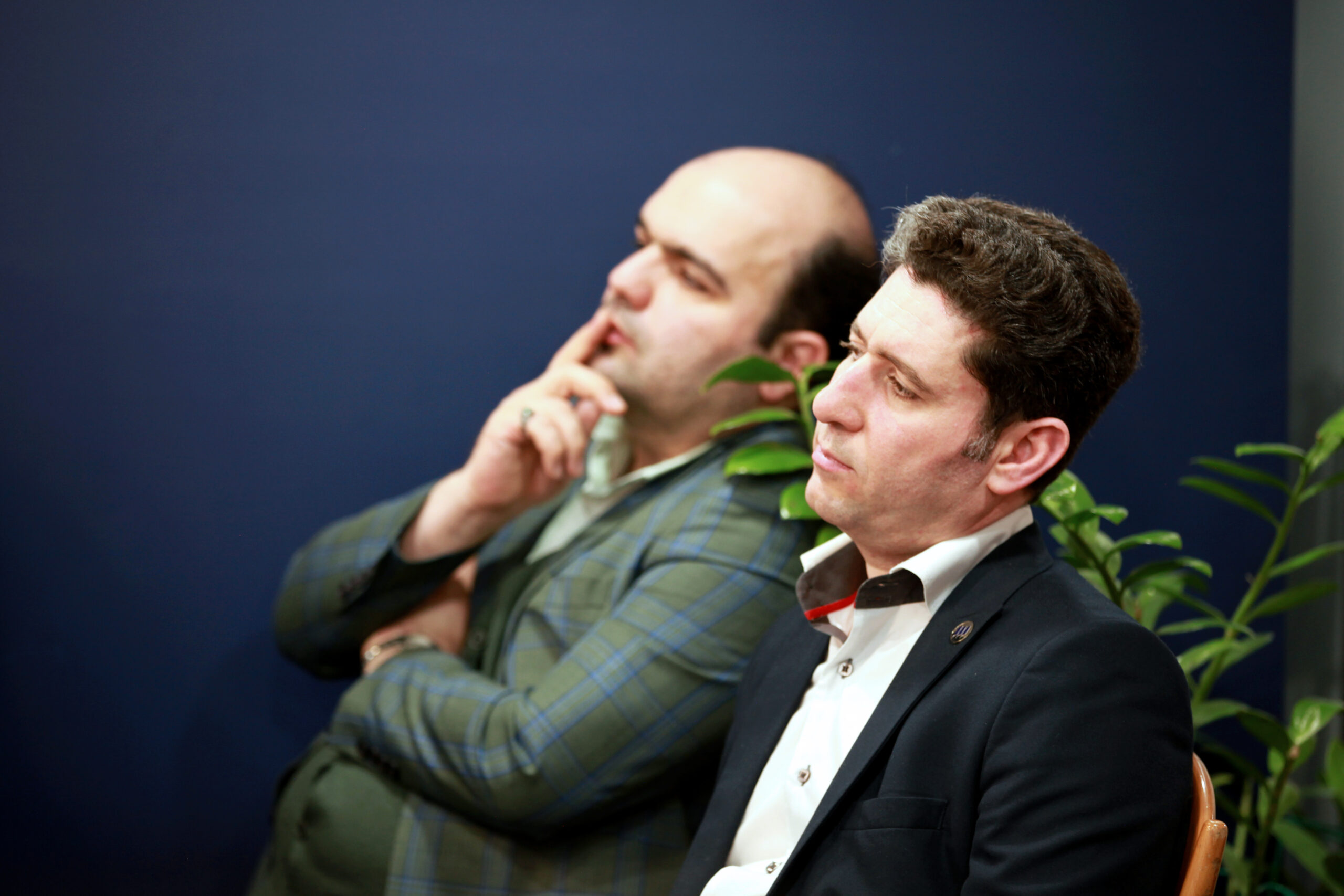
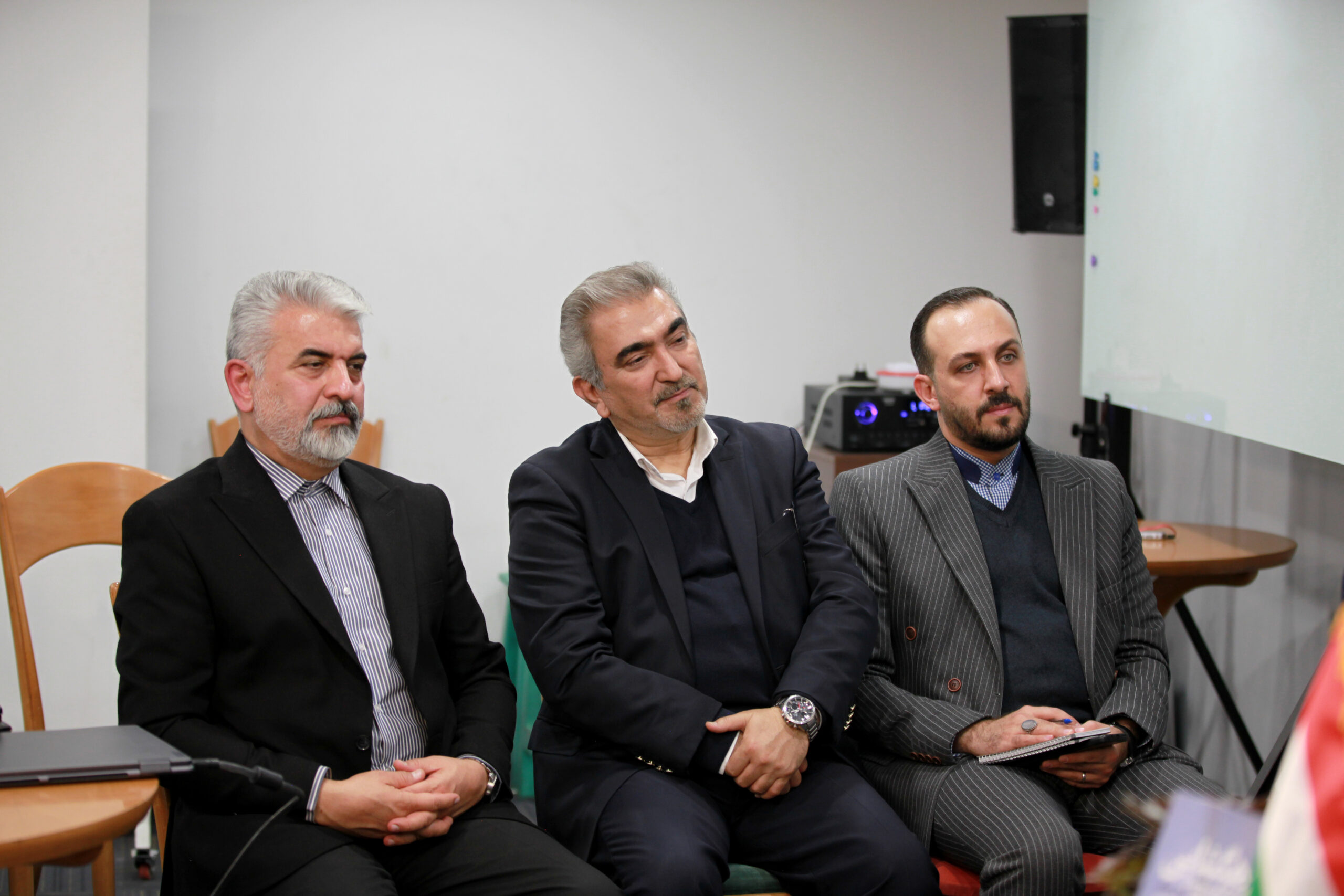
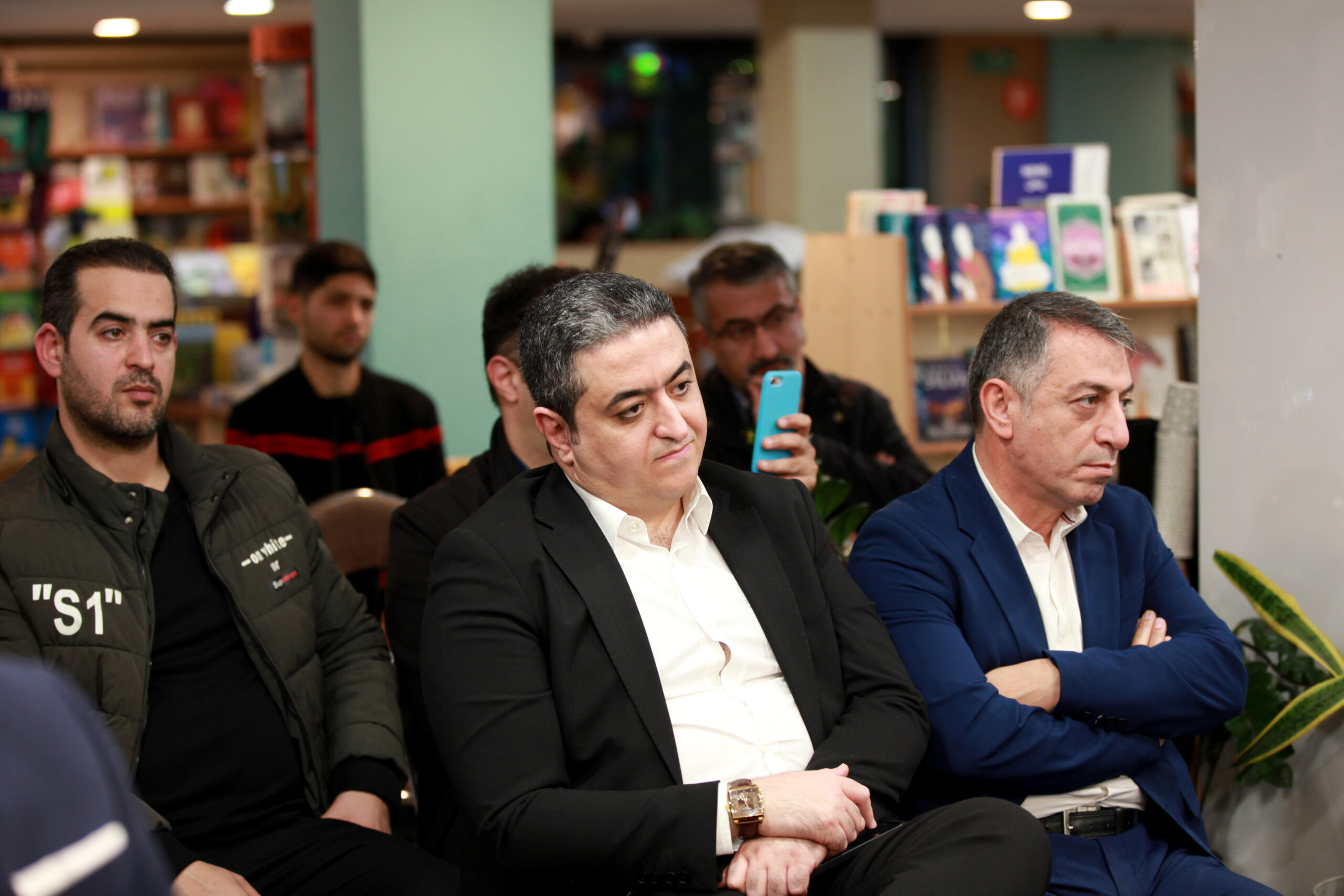
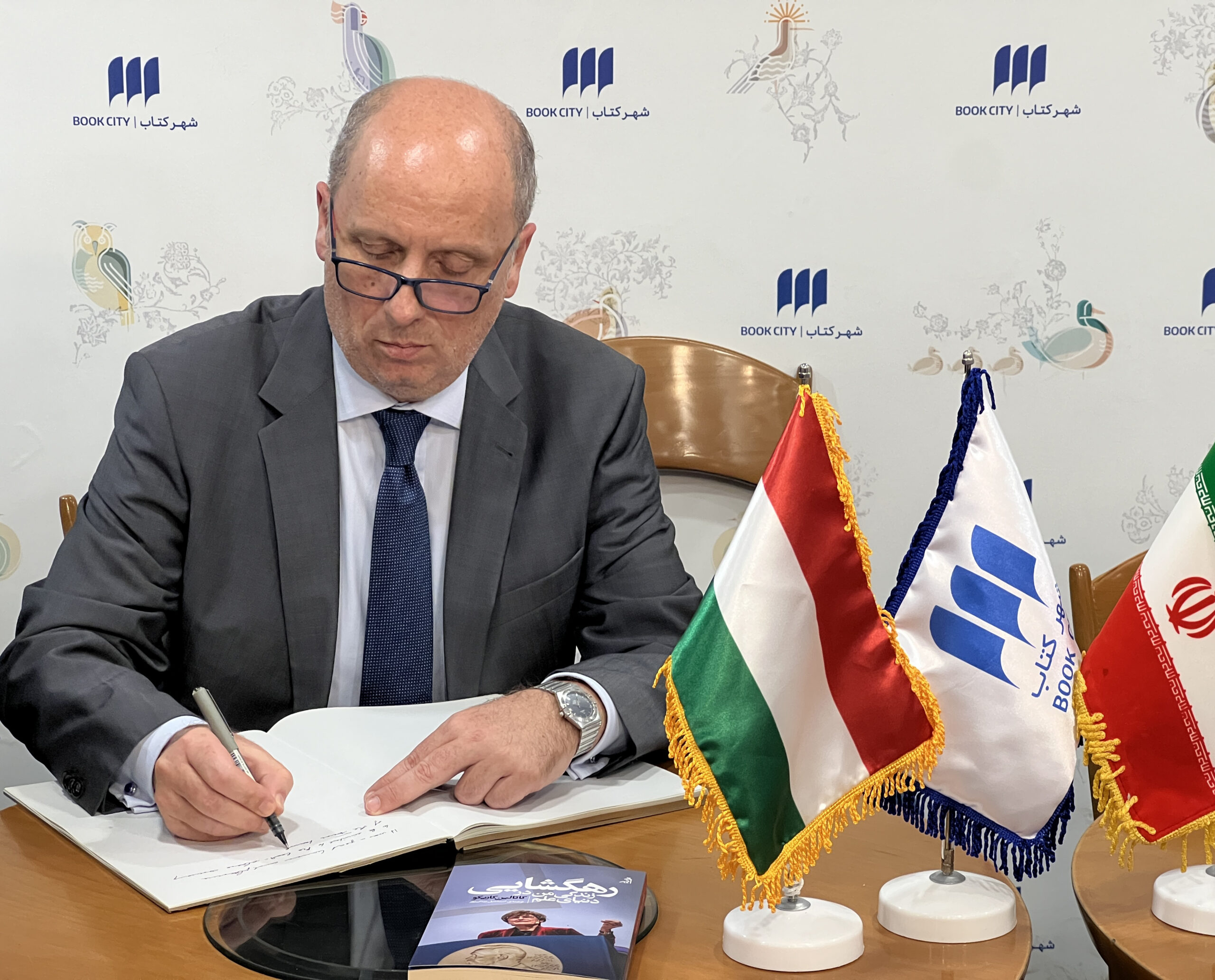
A launch event and critical review of Breaking Through: My Life in Science, the autobiography of 2023 Nobel laureate in Medicine Katalin Karikó, was held on Saturday evening, December 5, at Central Book City. The event drew an audience of physicians, sociologists, science enthusiasts, and the Hungarian Ambassador to Iran.
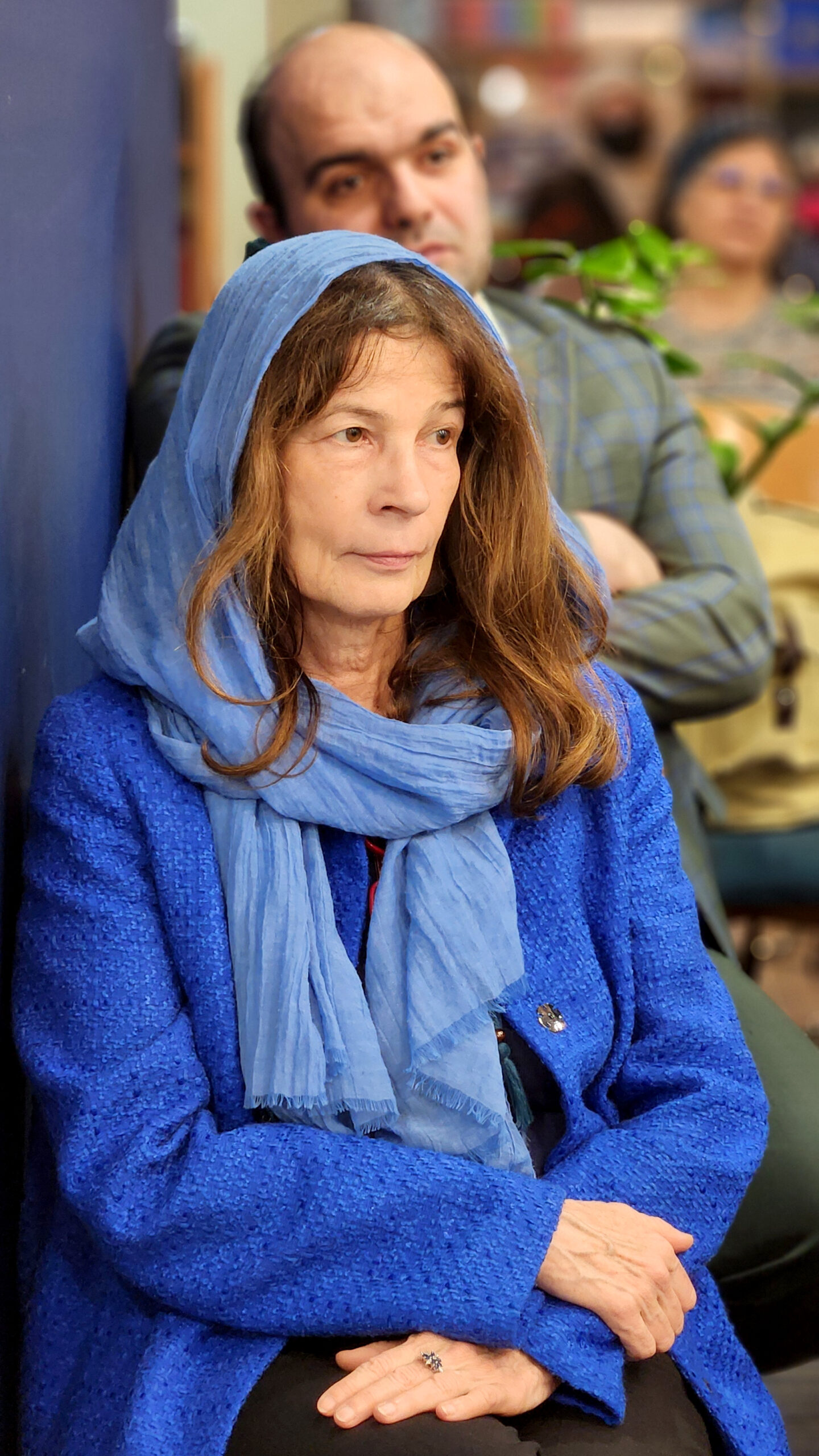
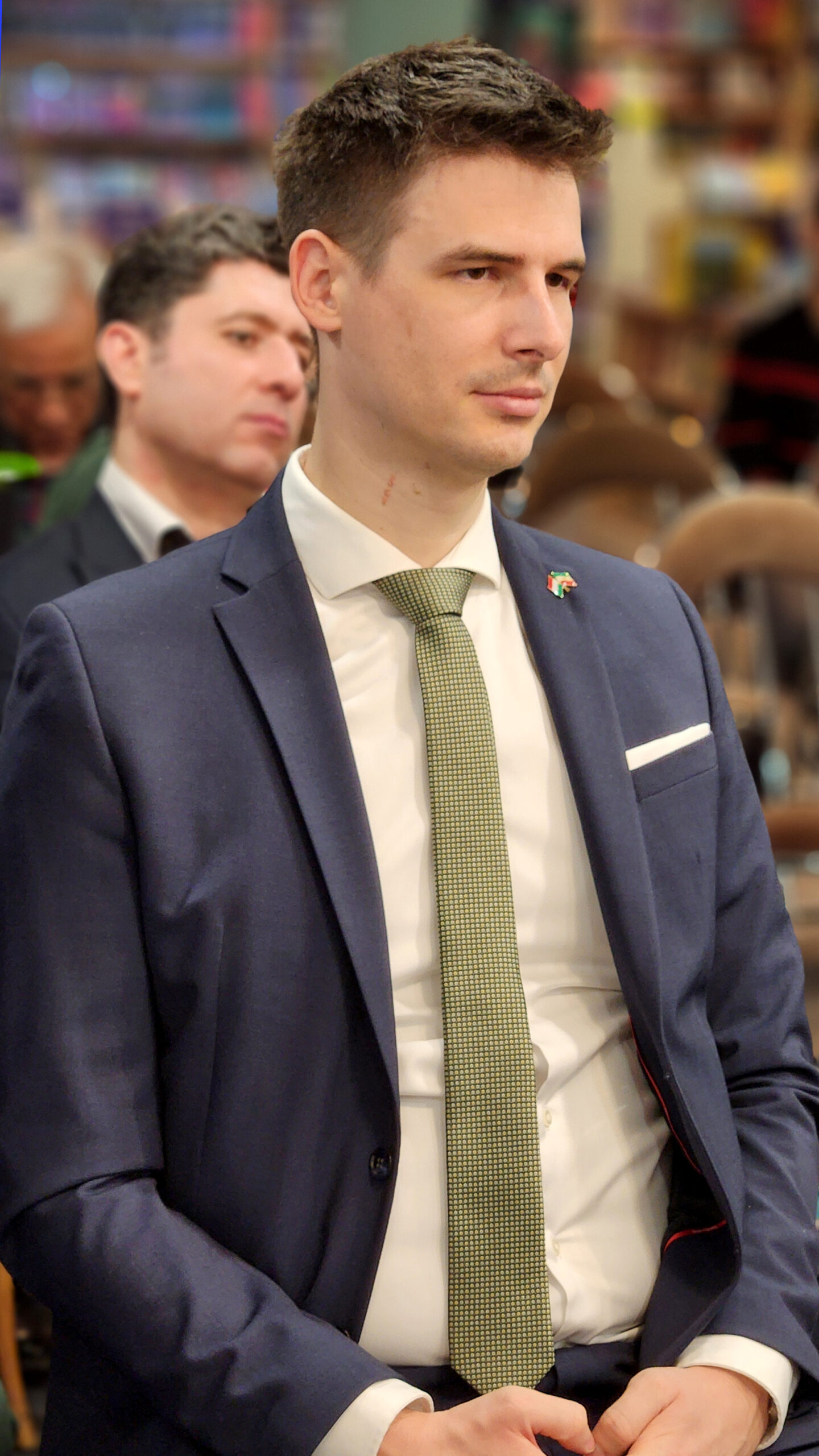
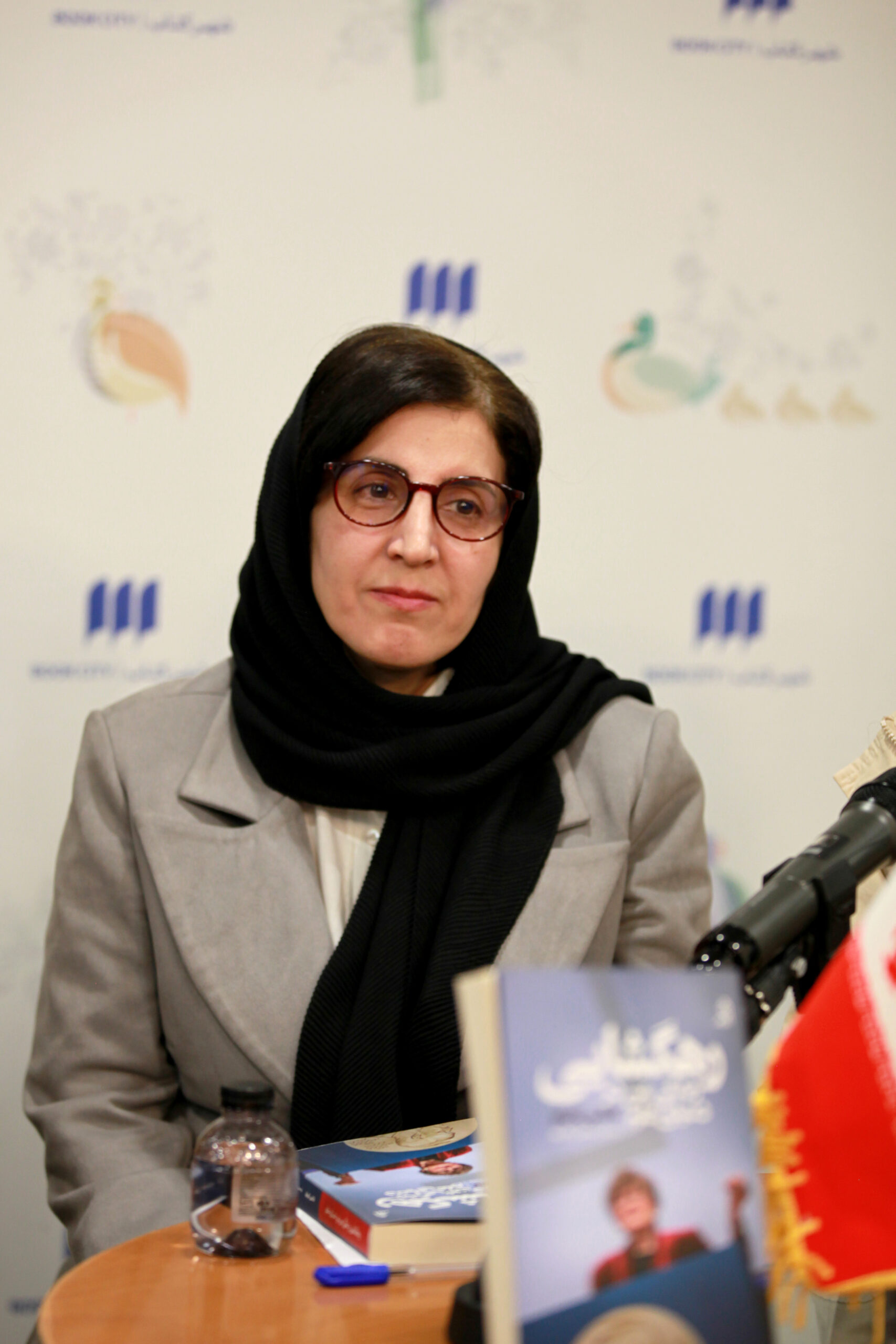
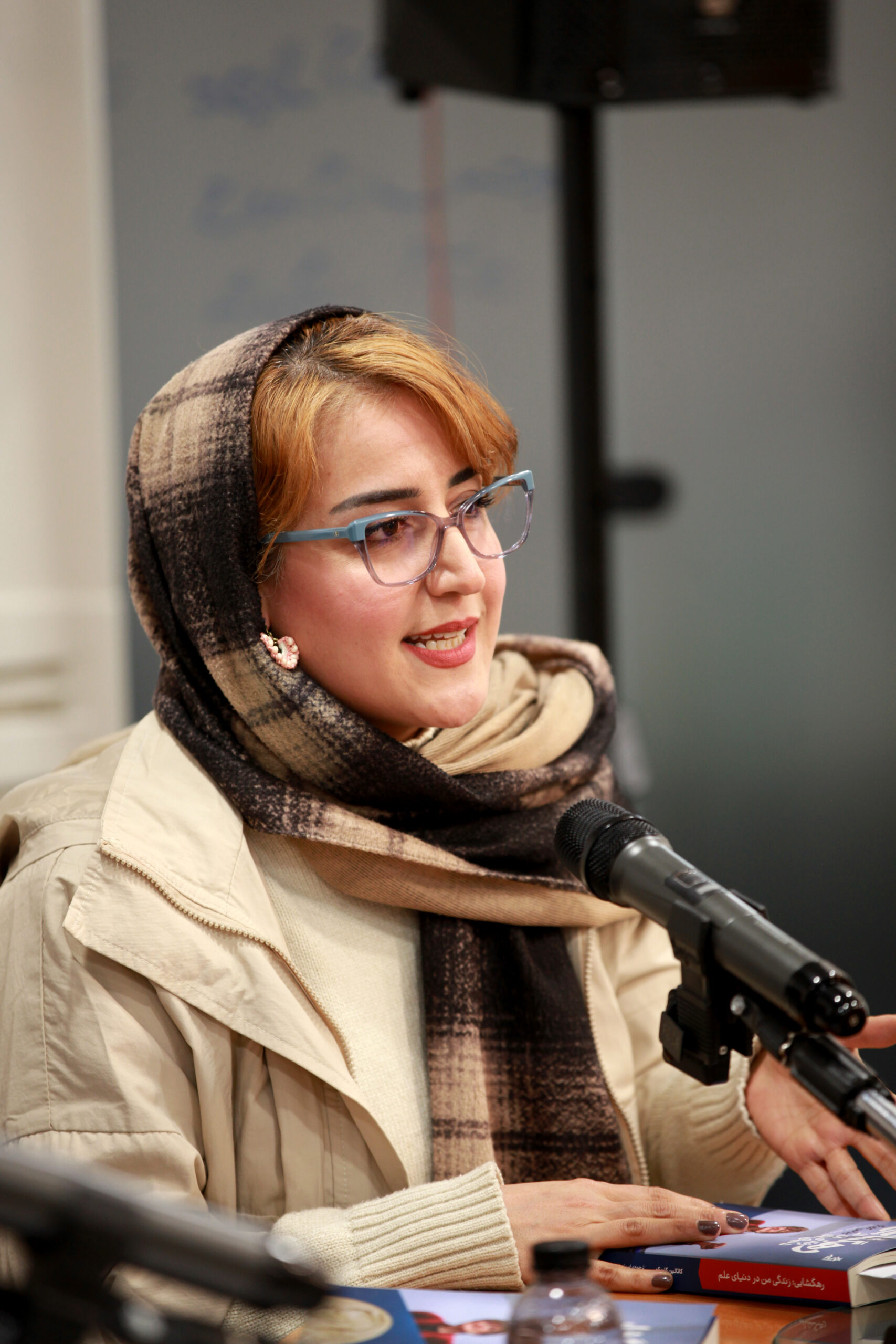
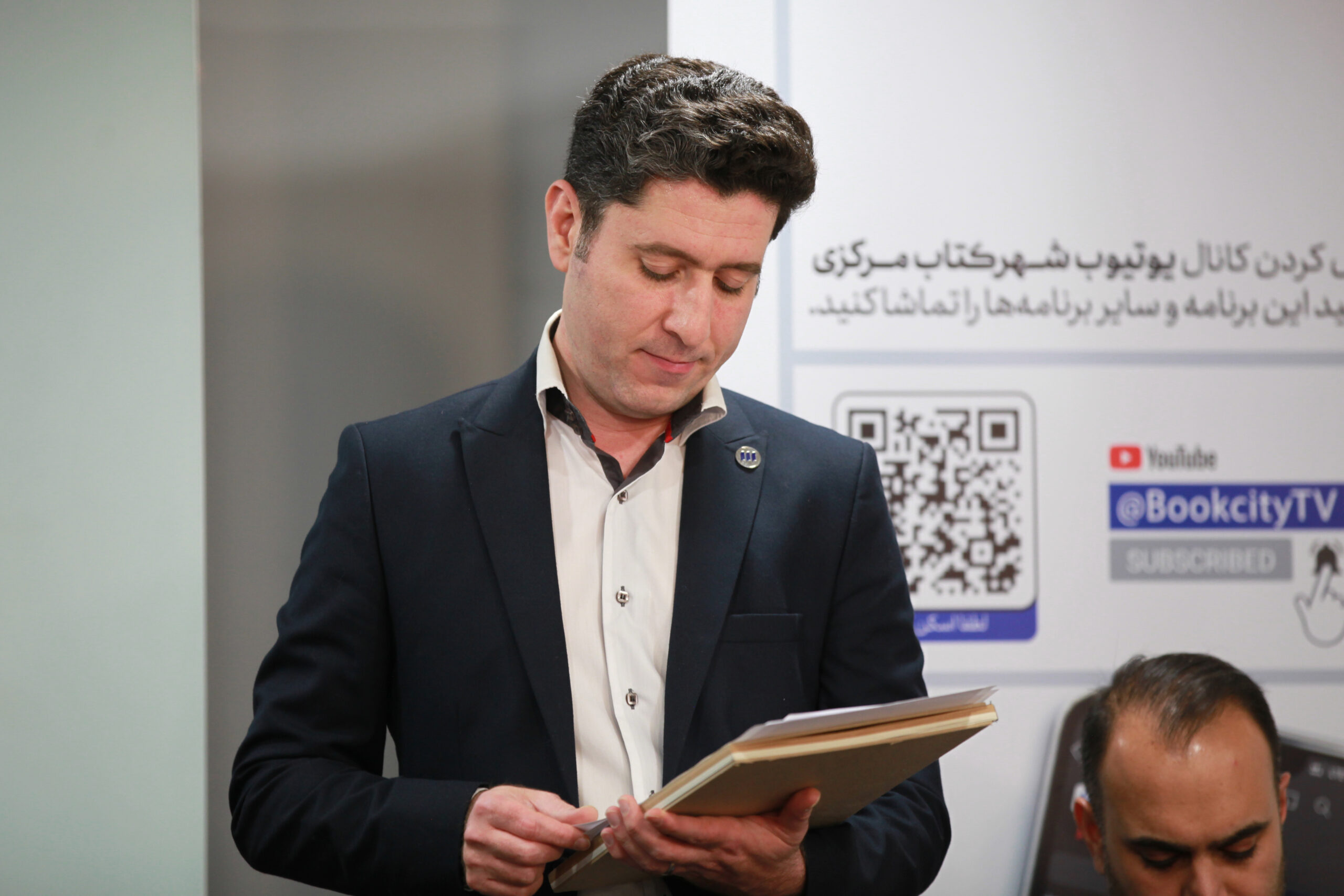
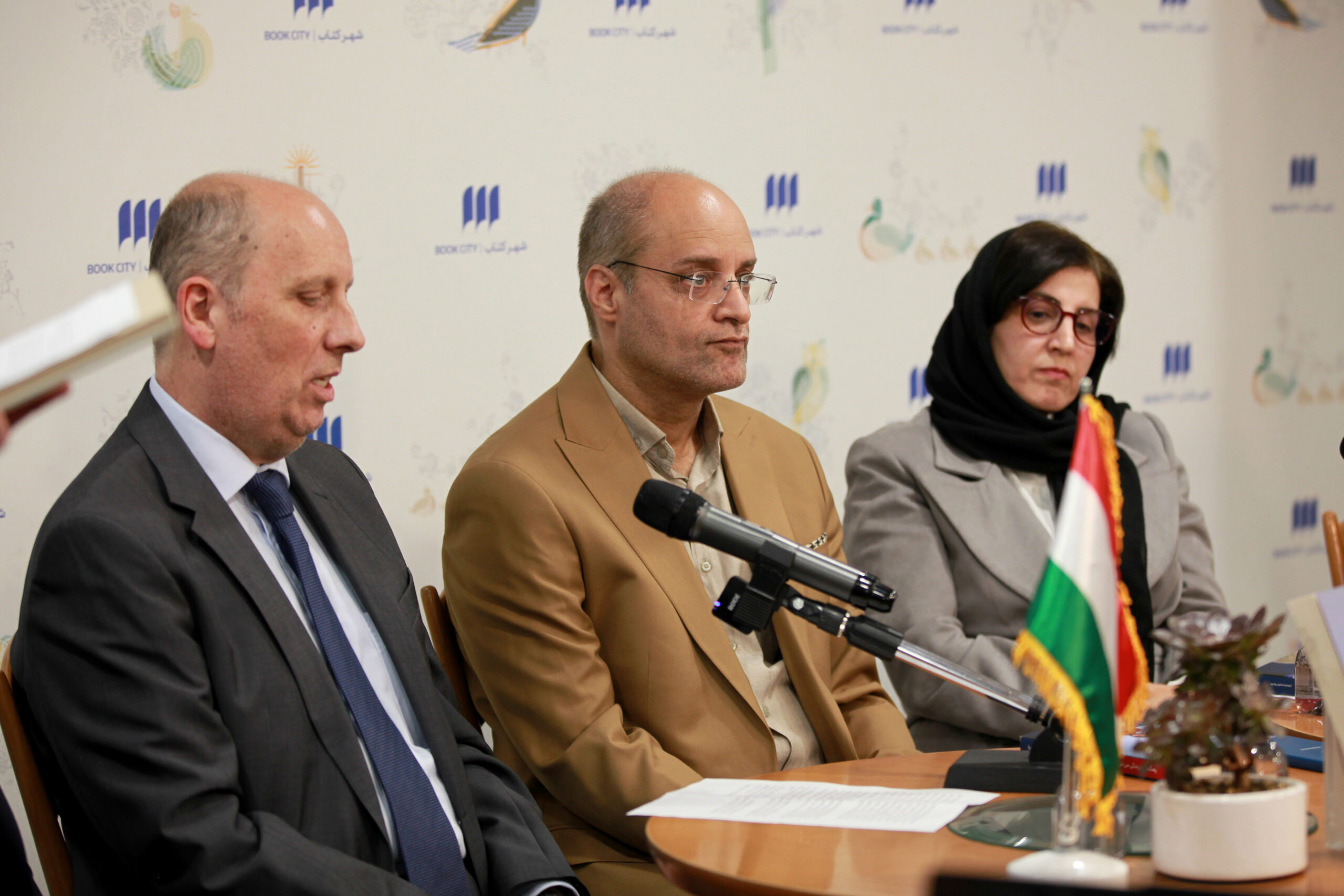
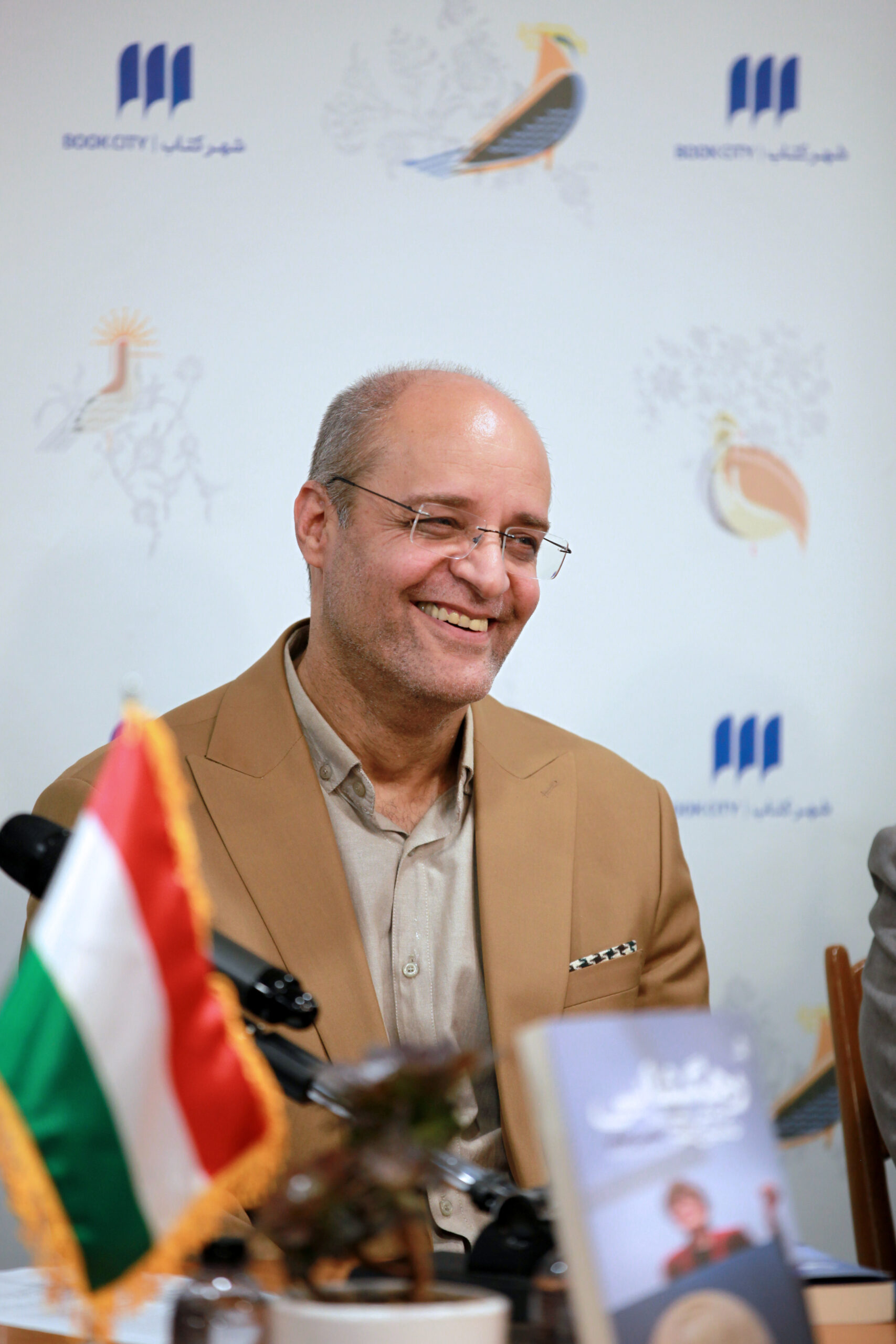
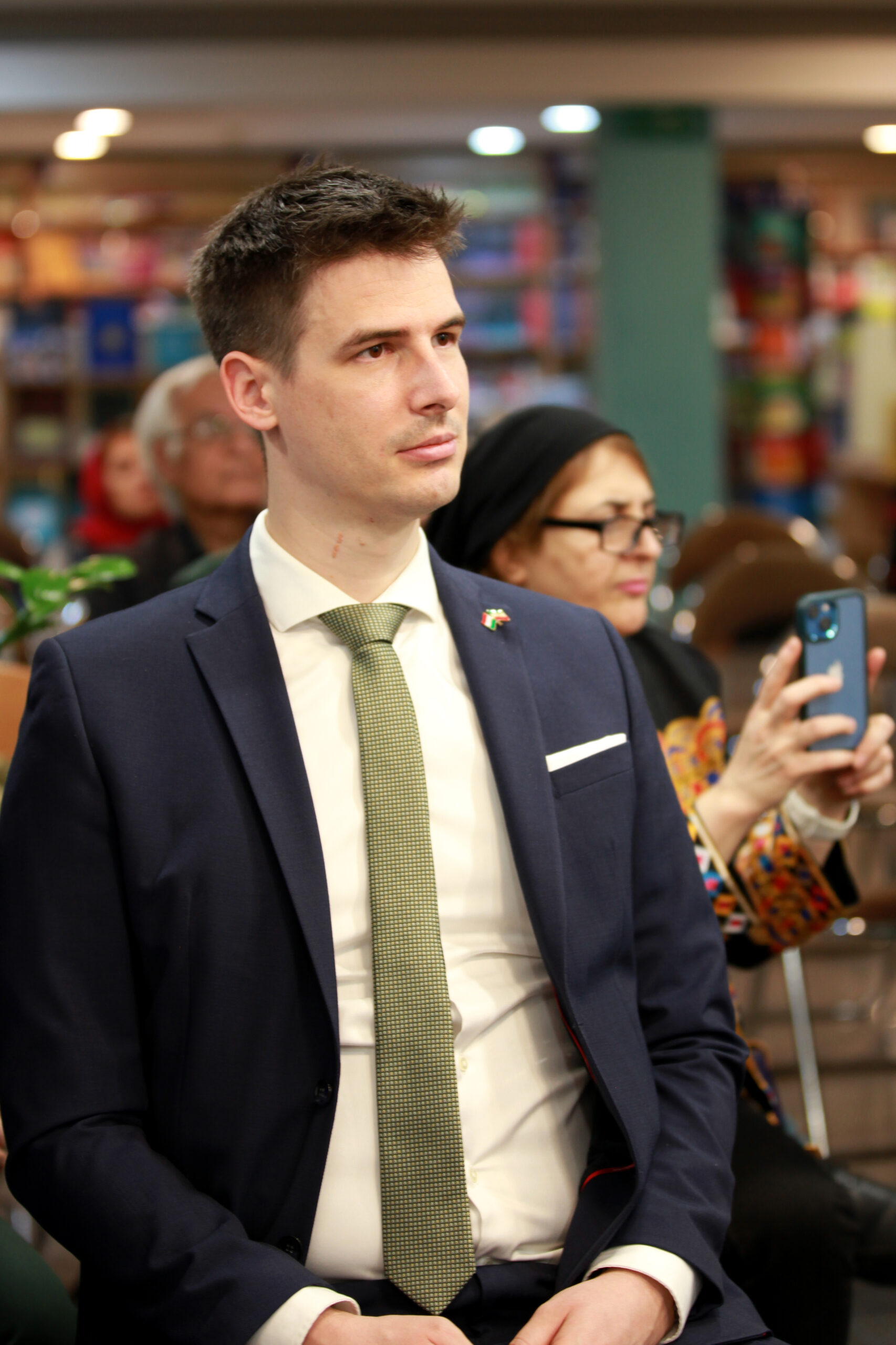
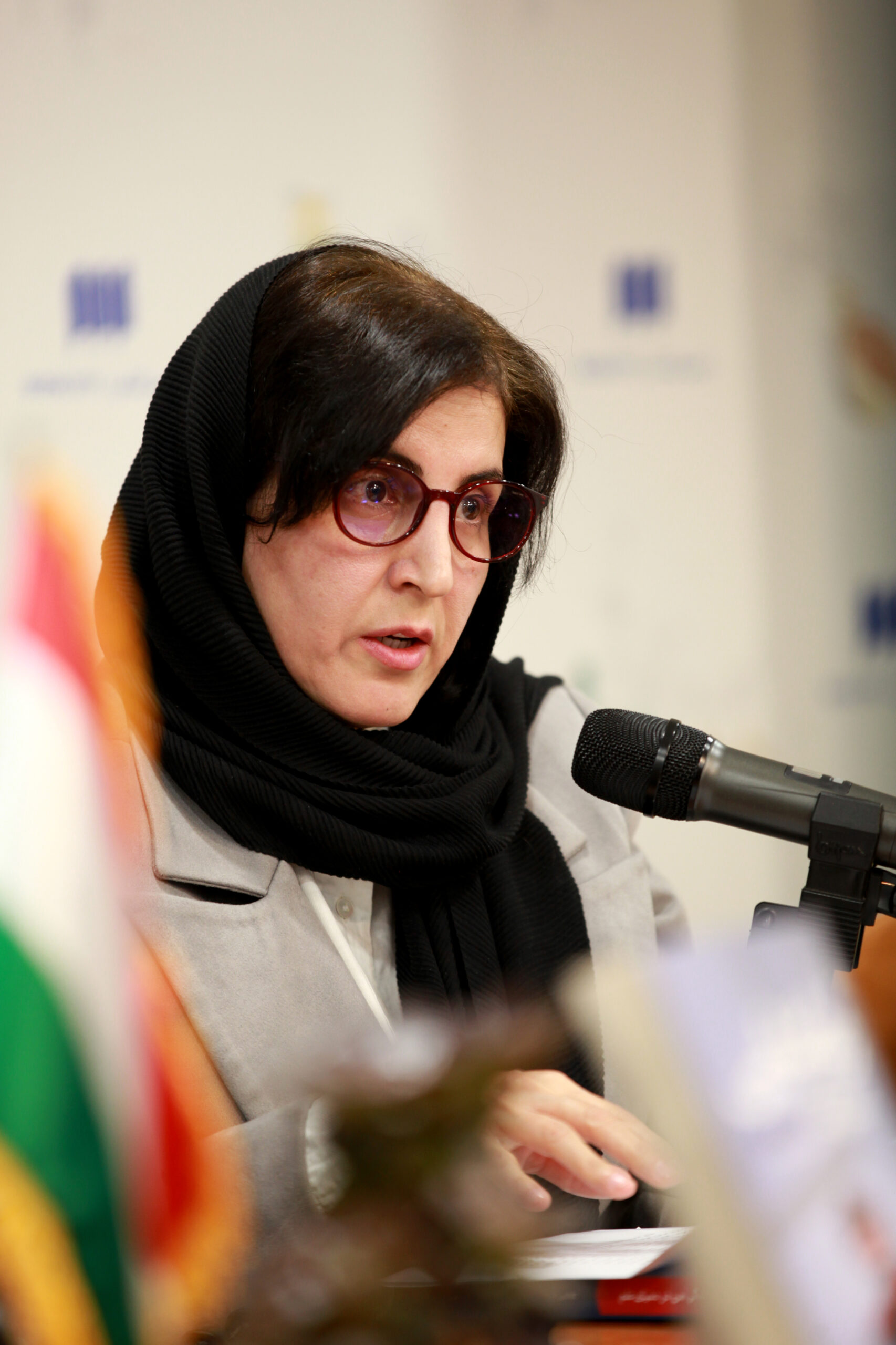
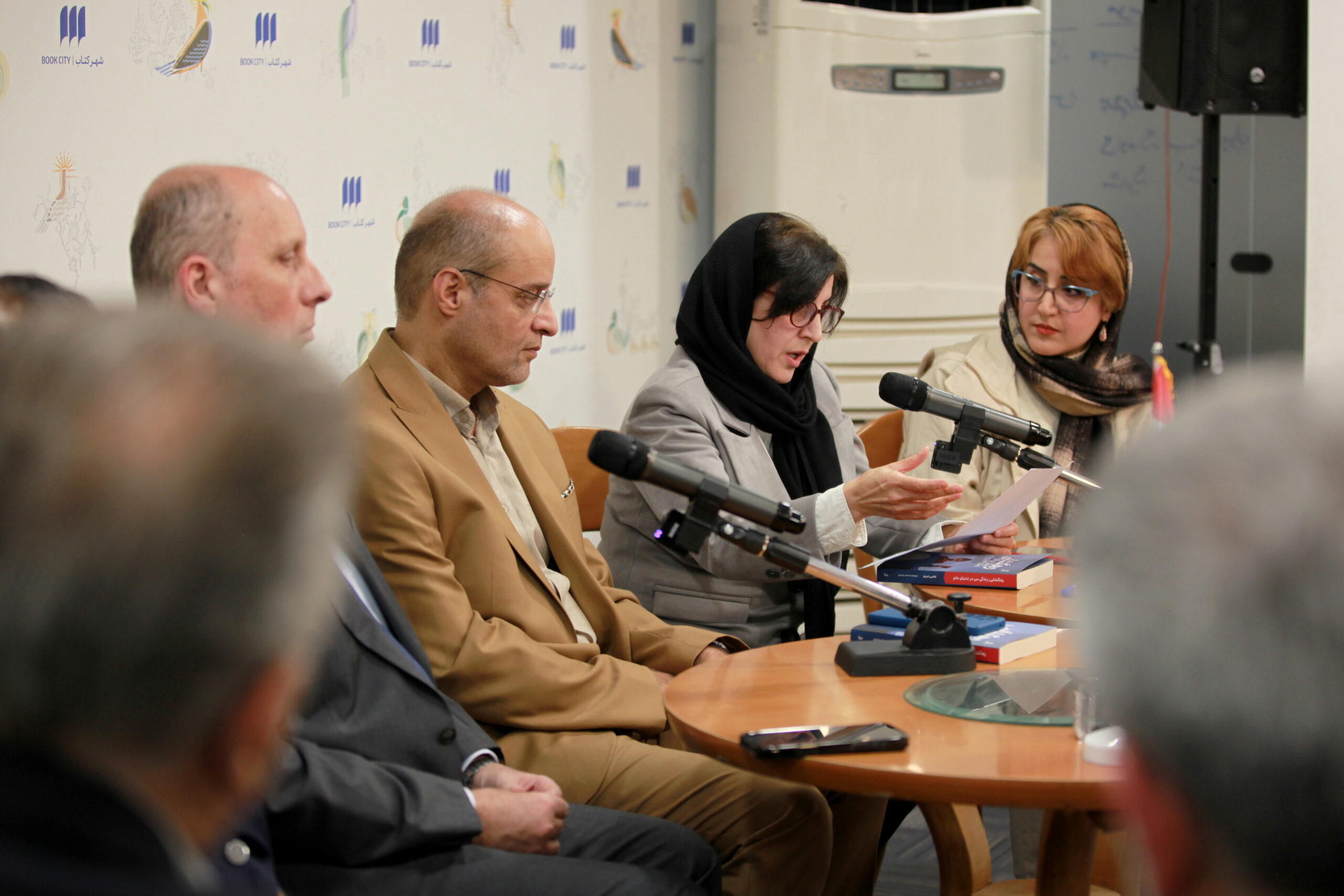
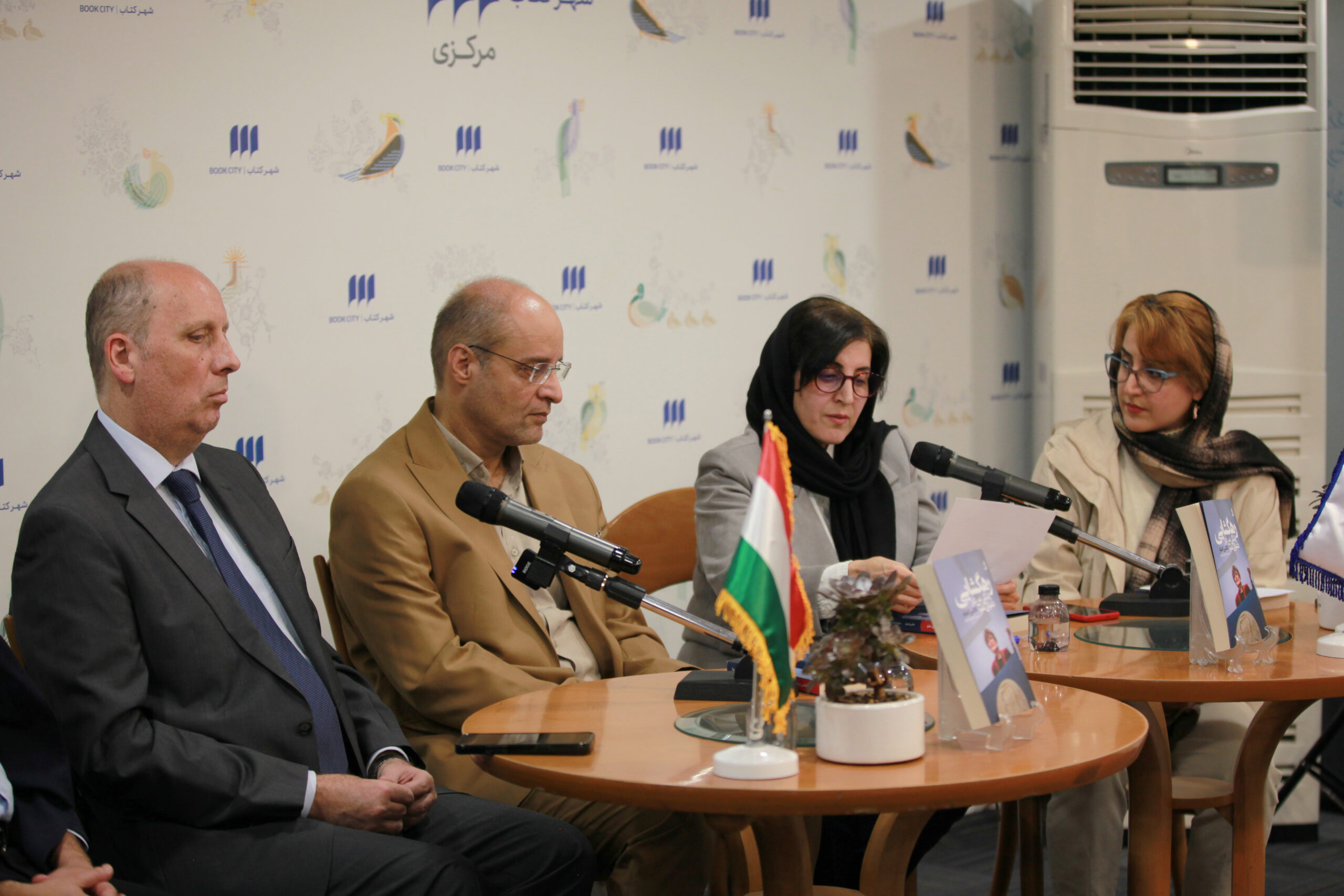
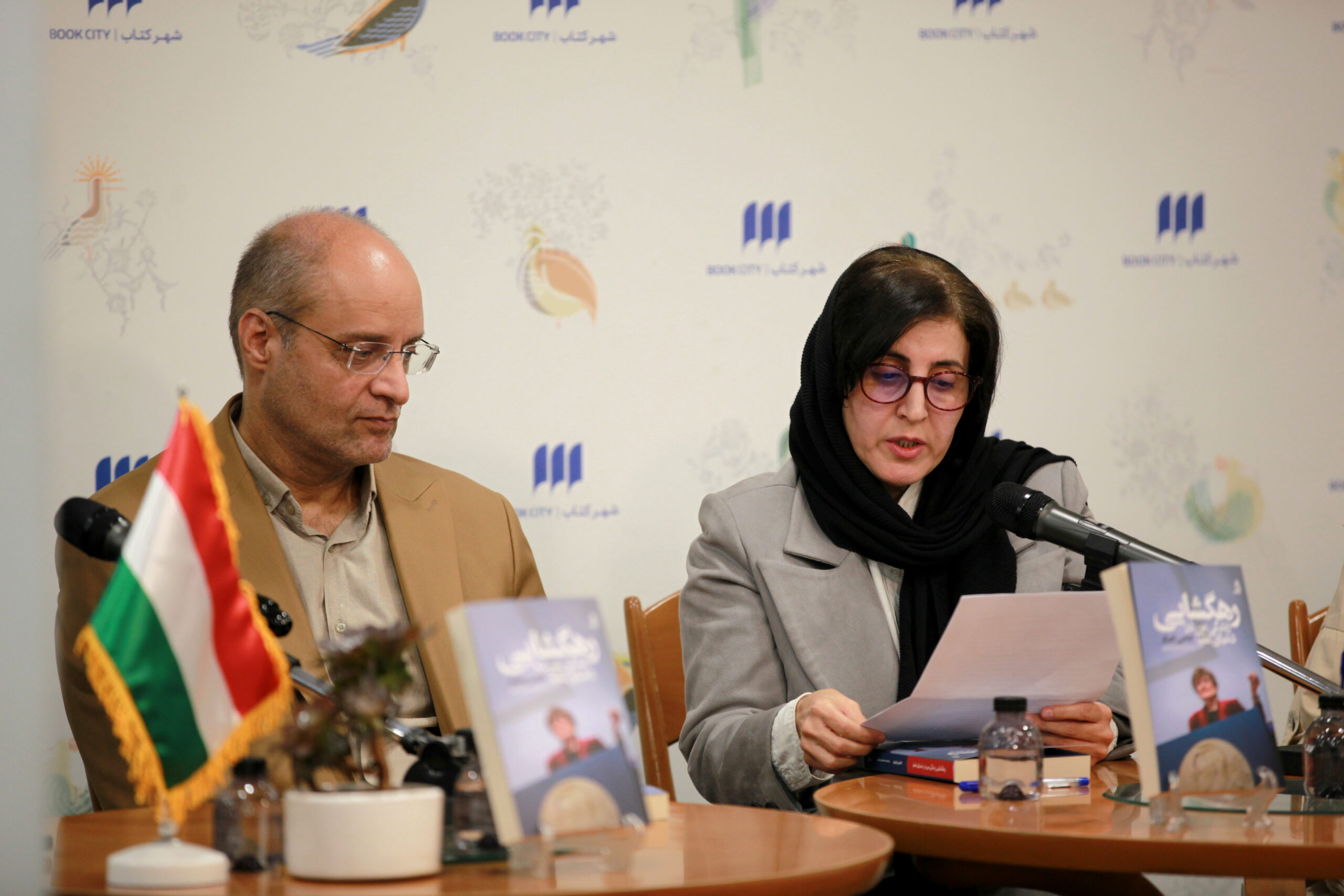
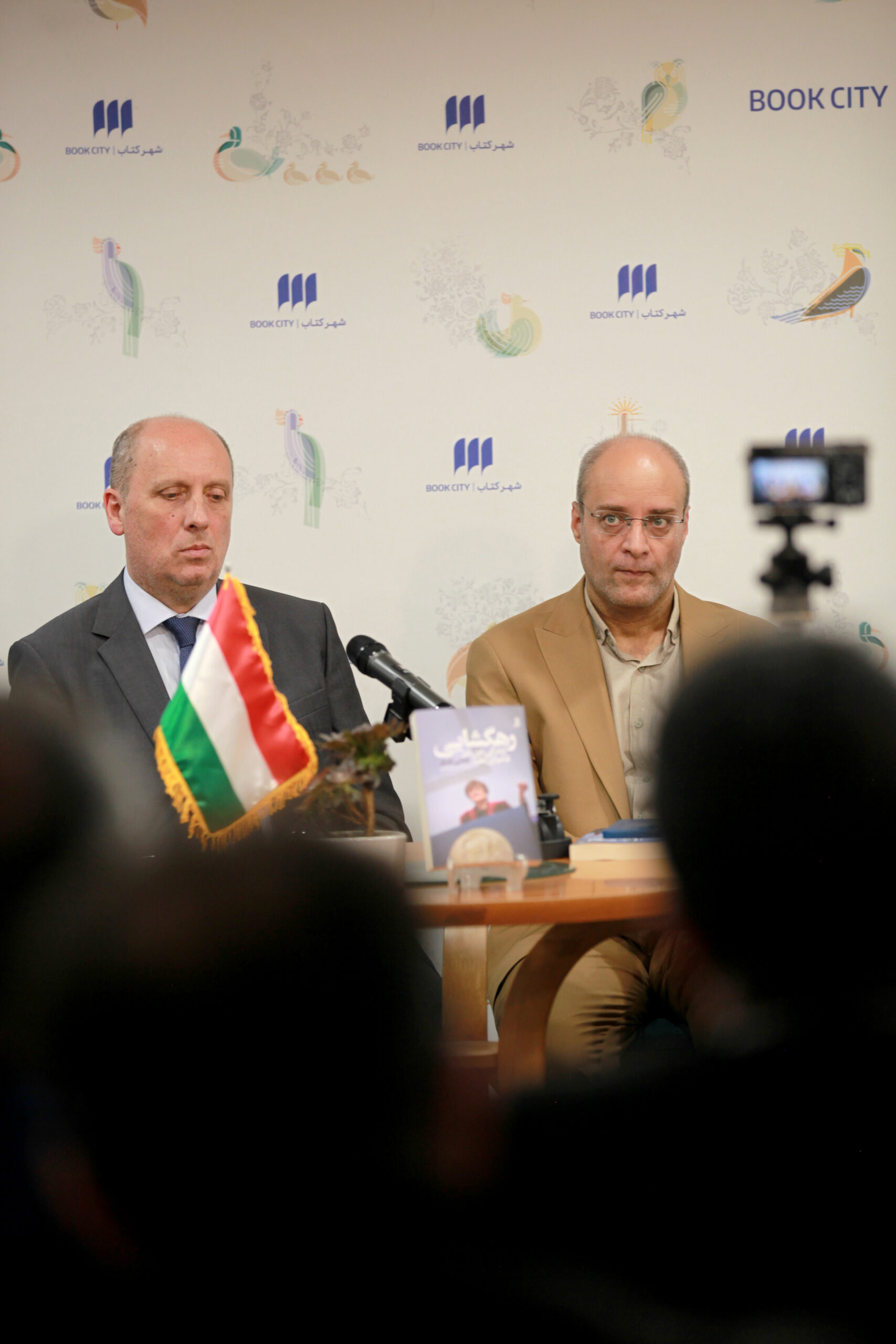
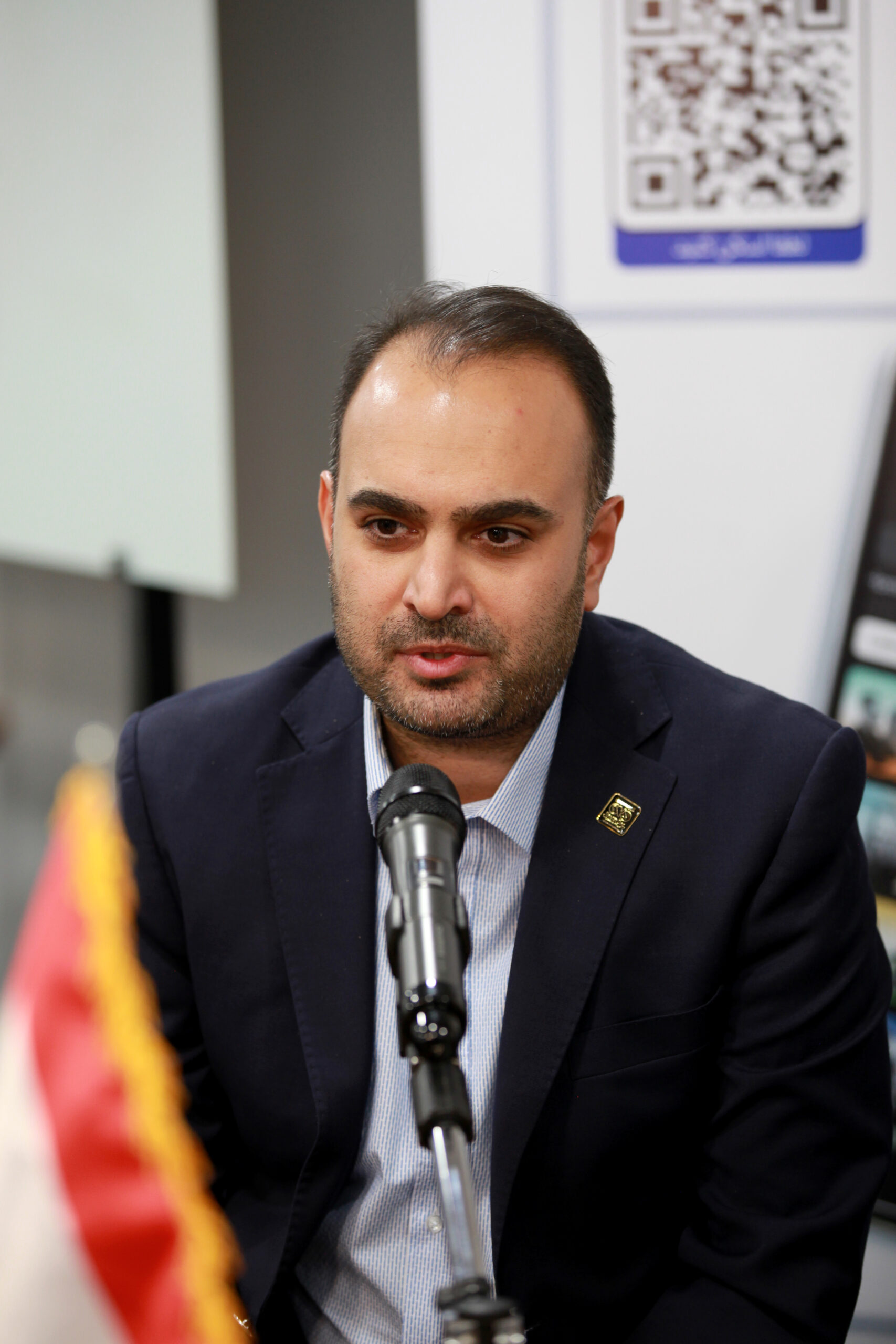
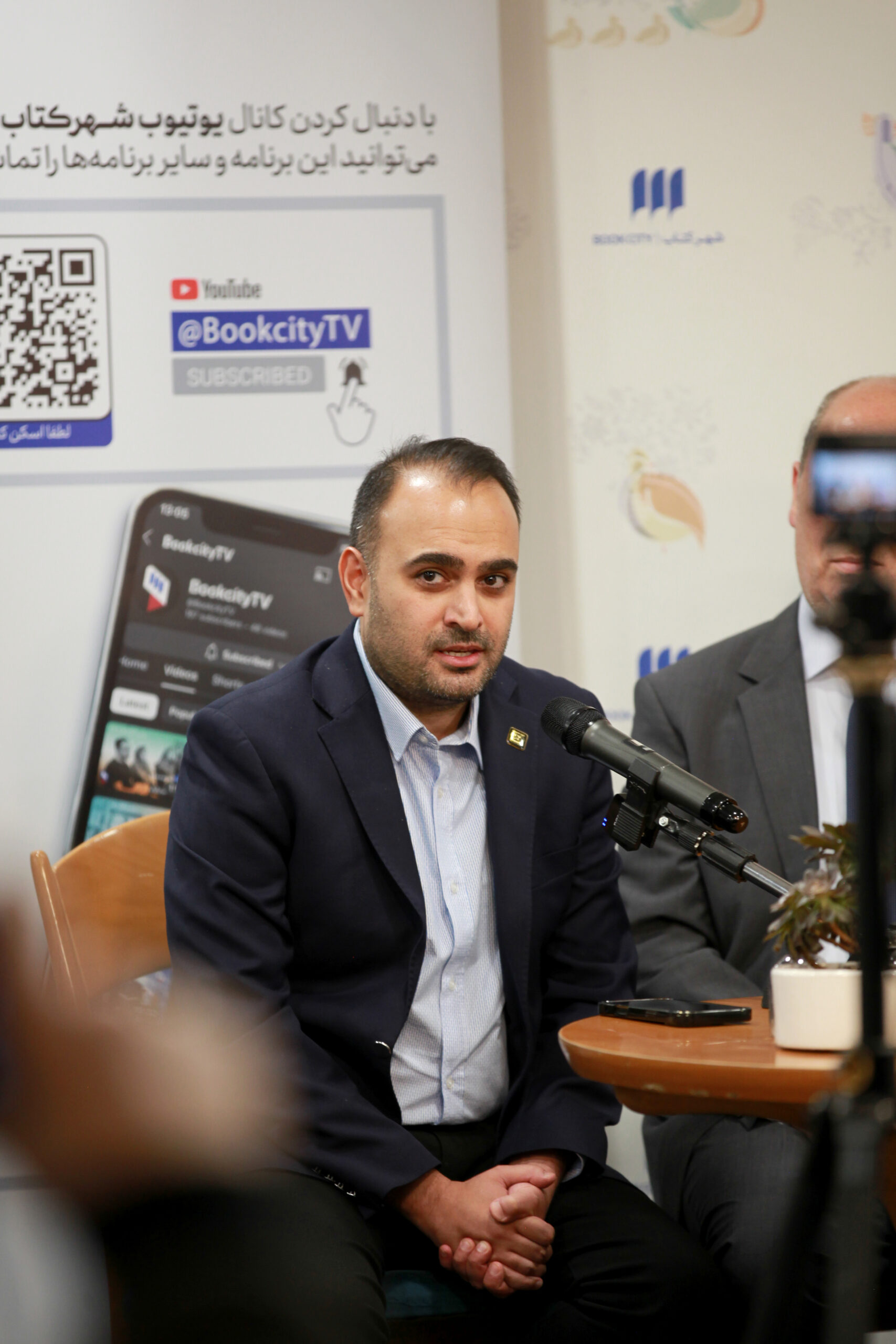
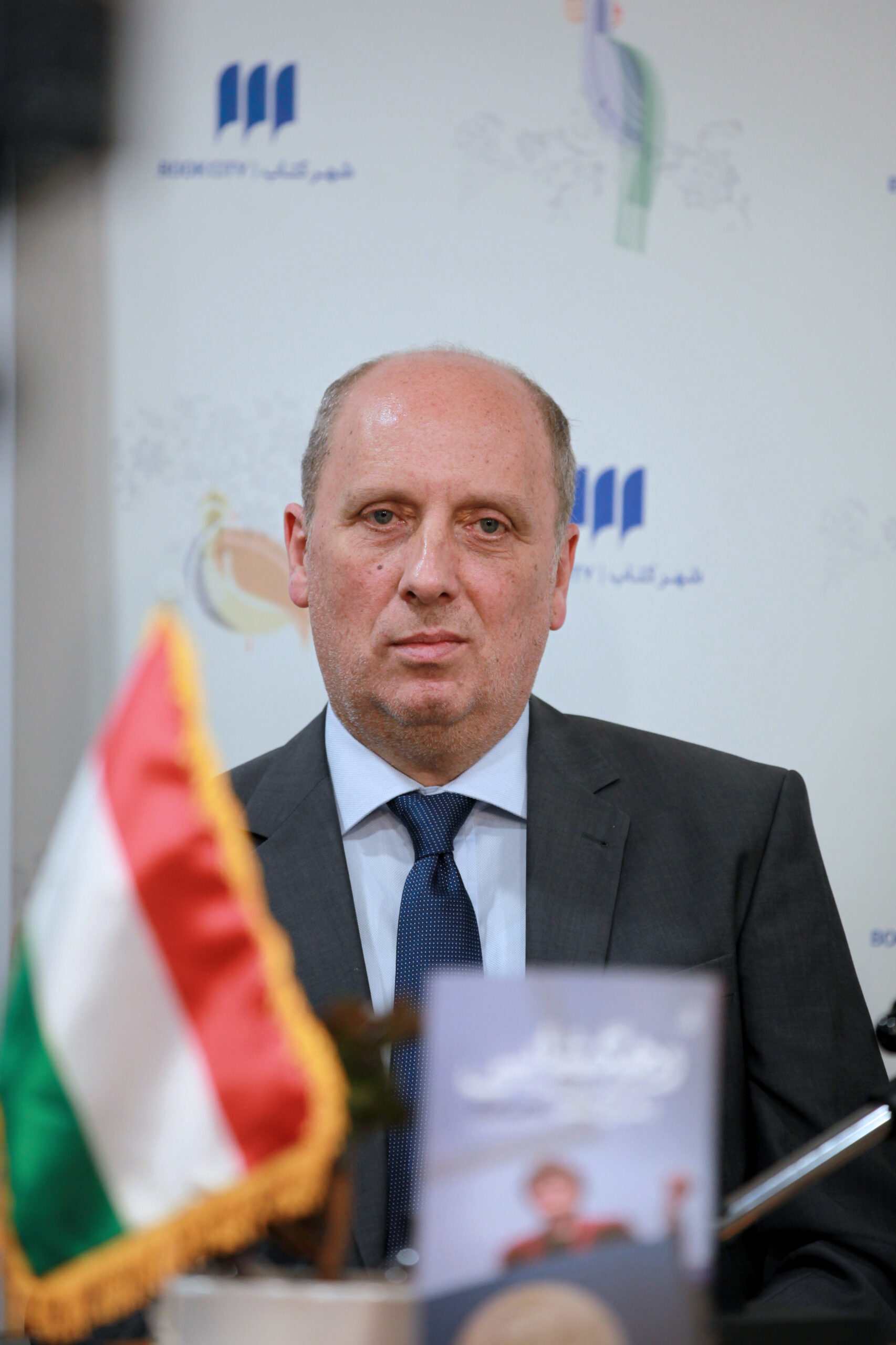
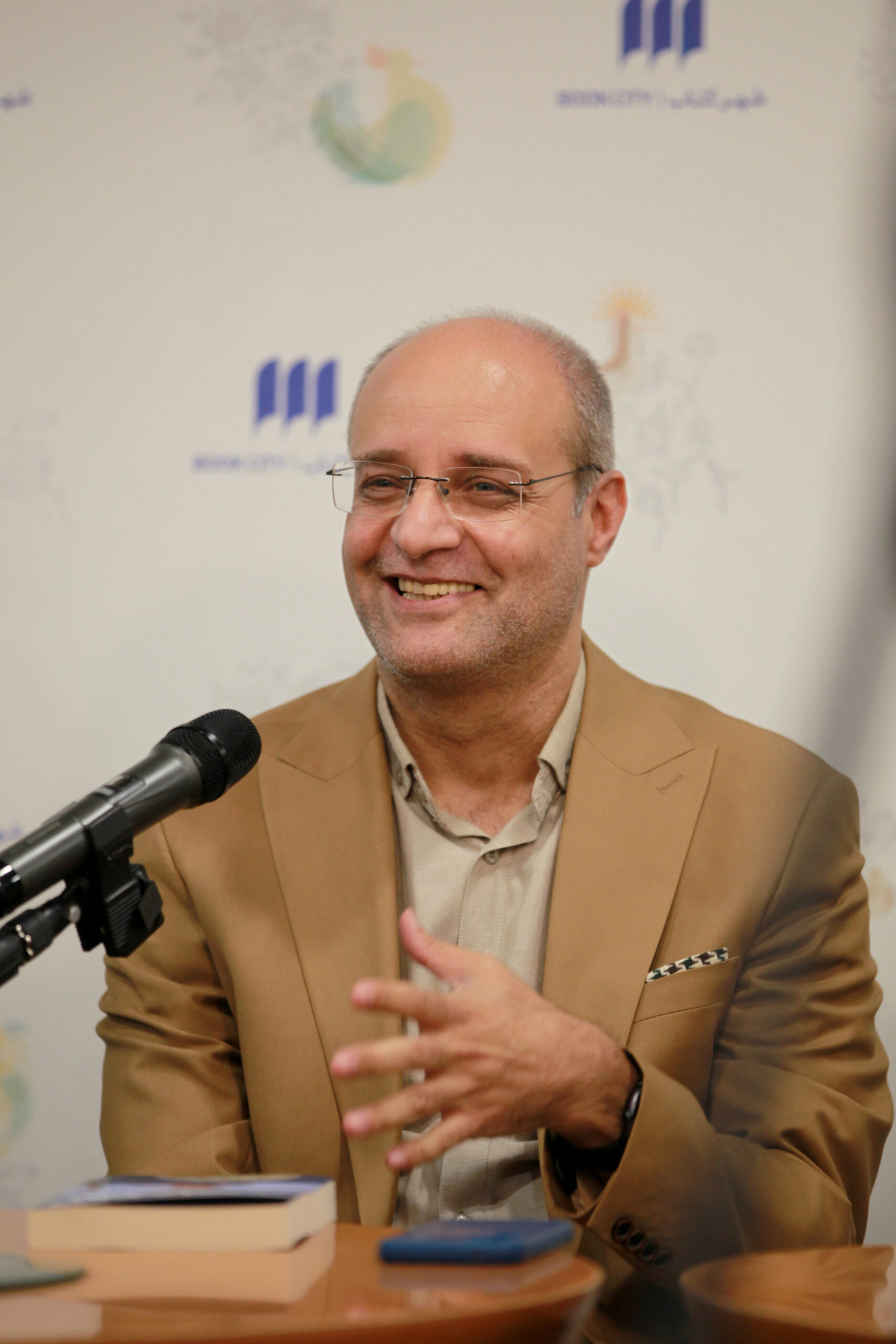
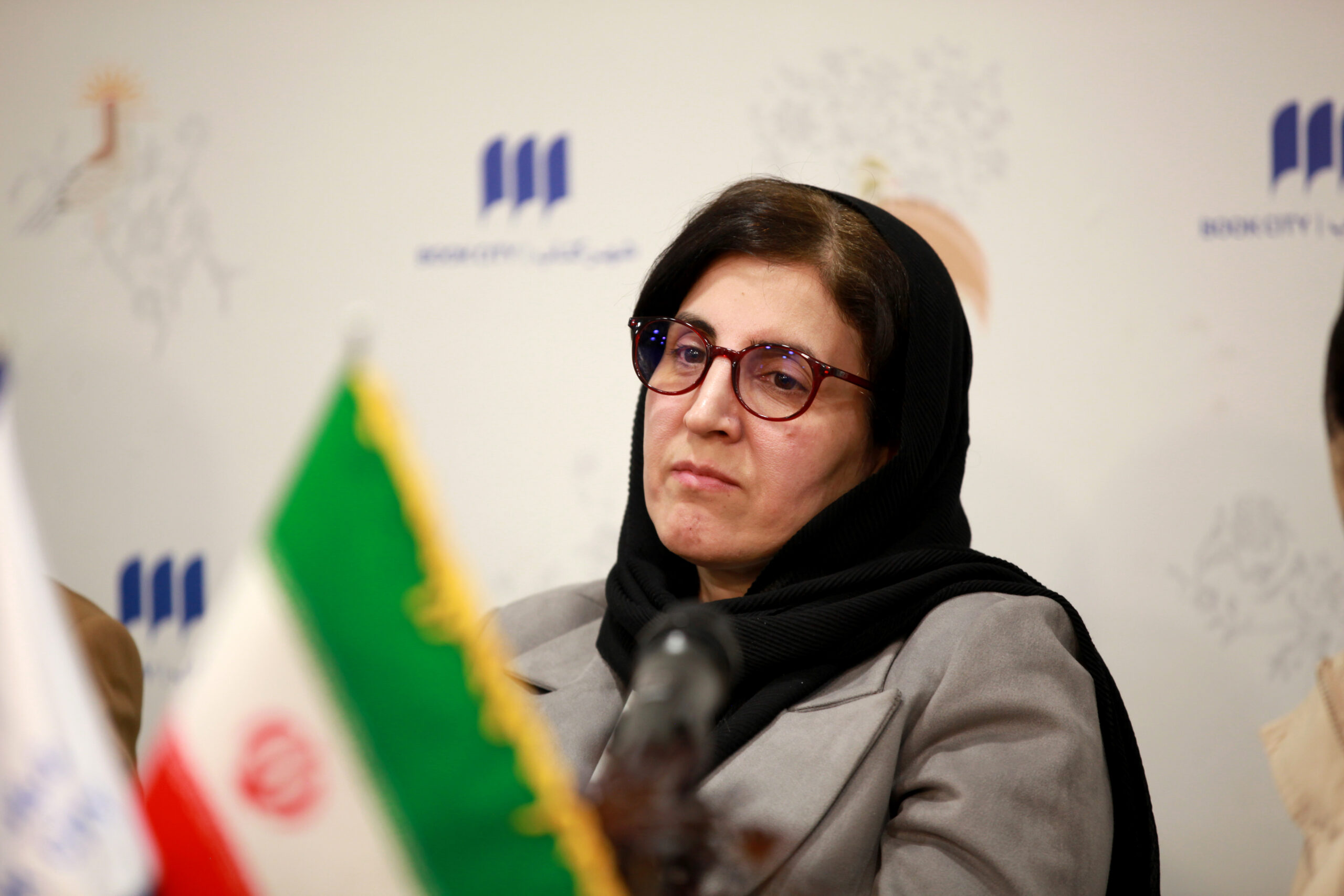
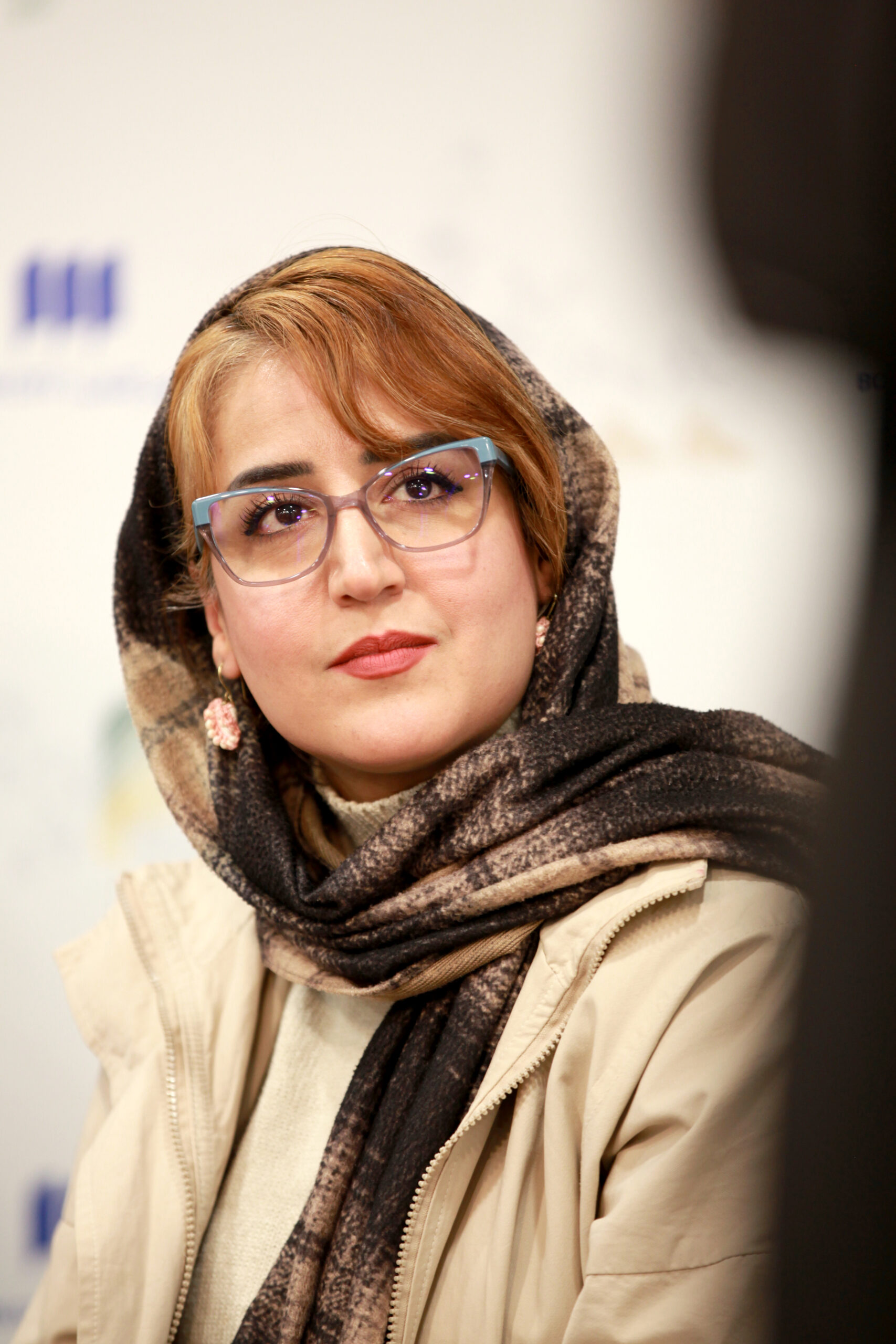
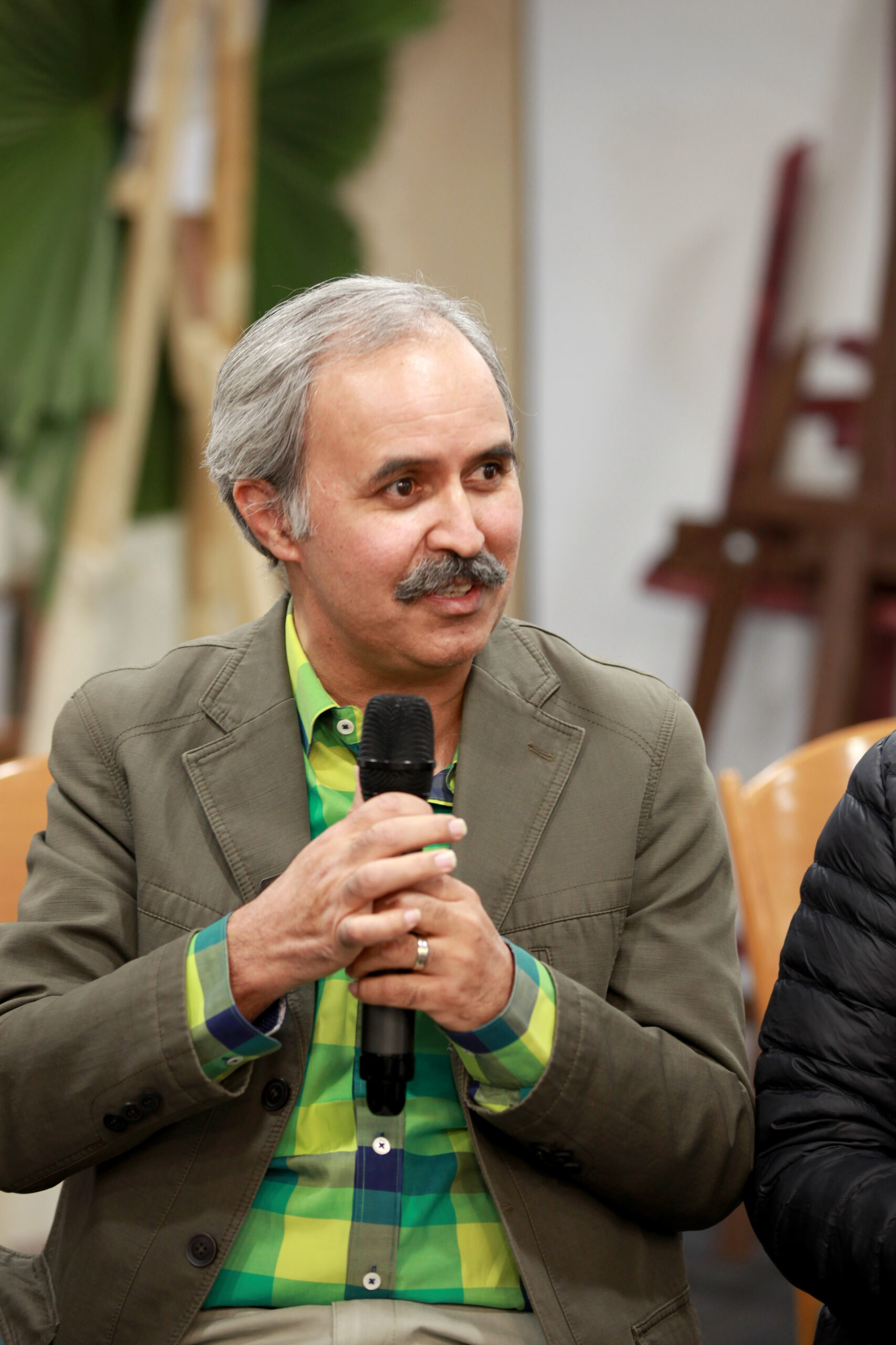
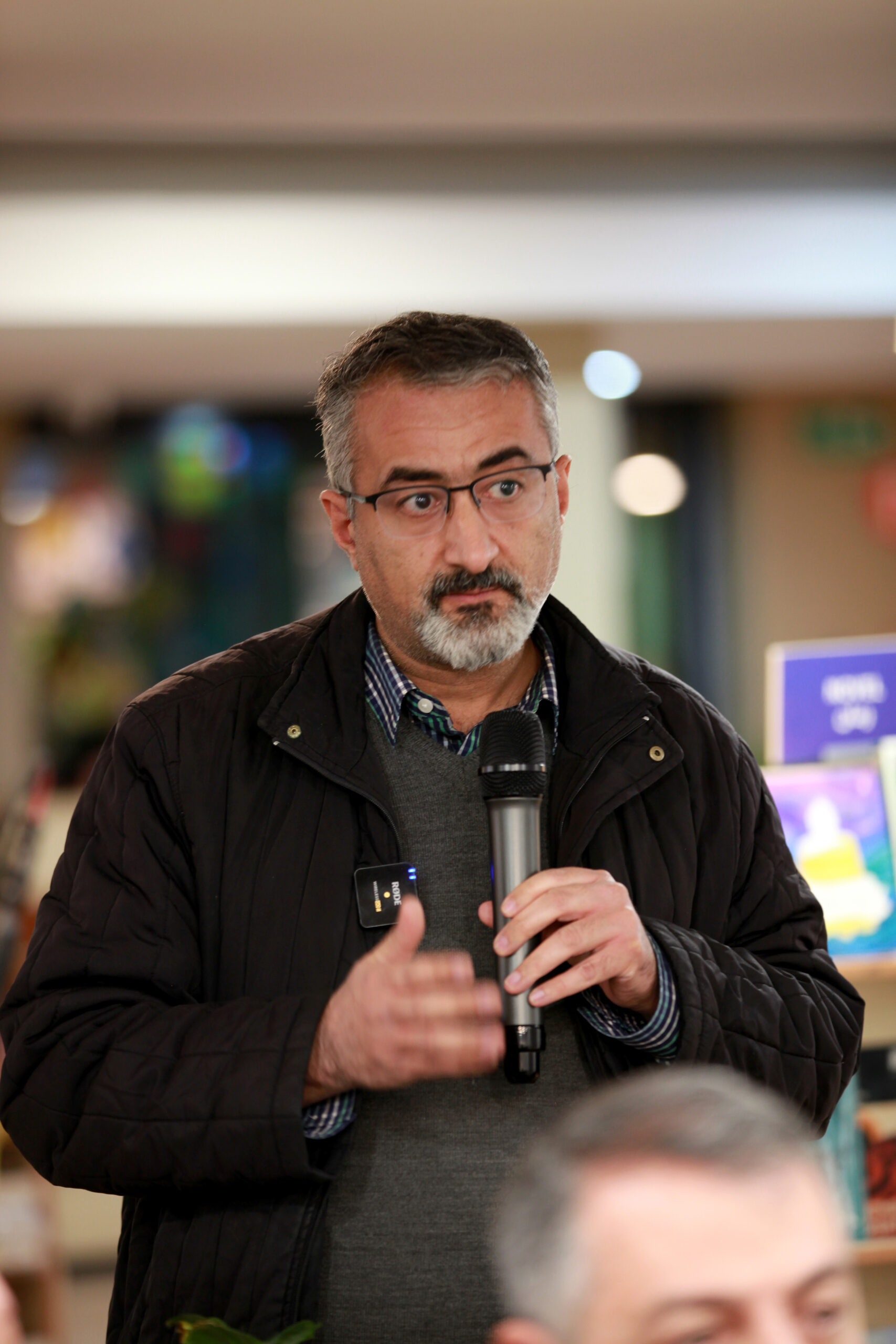
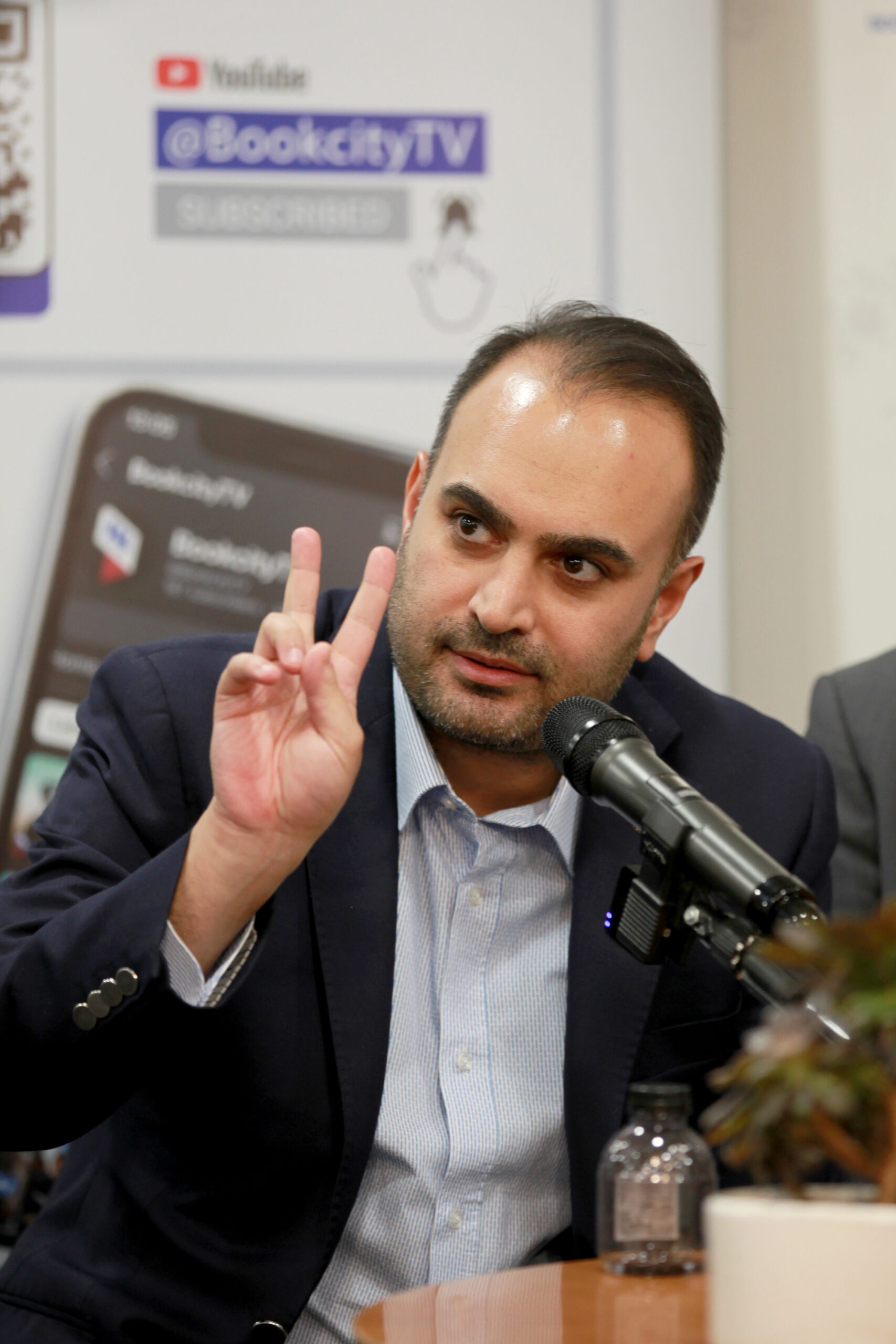
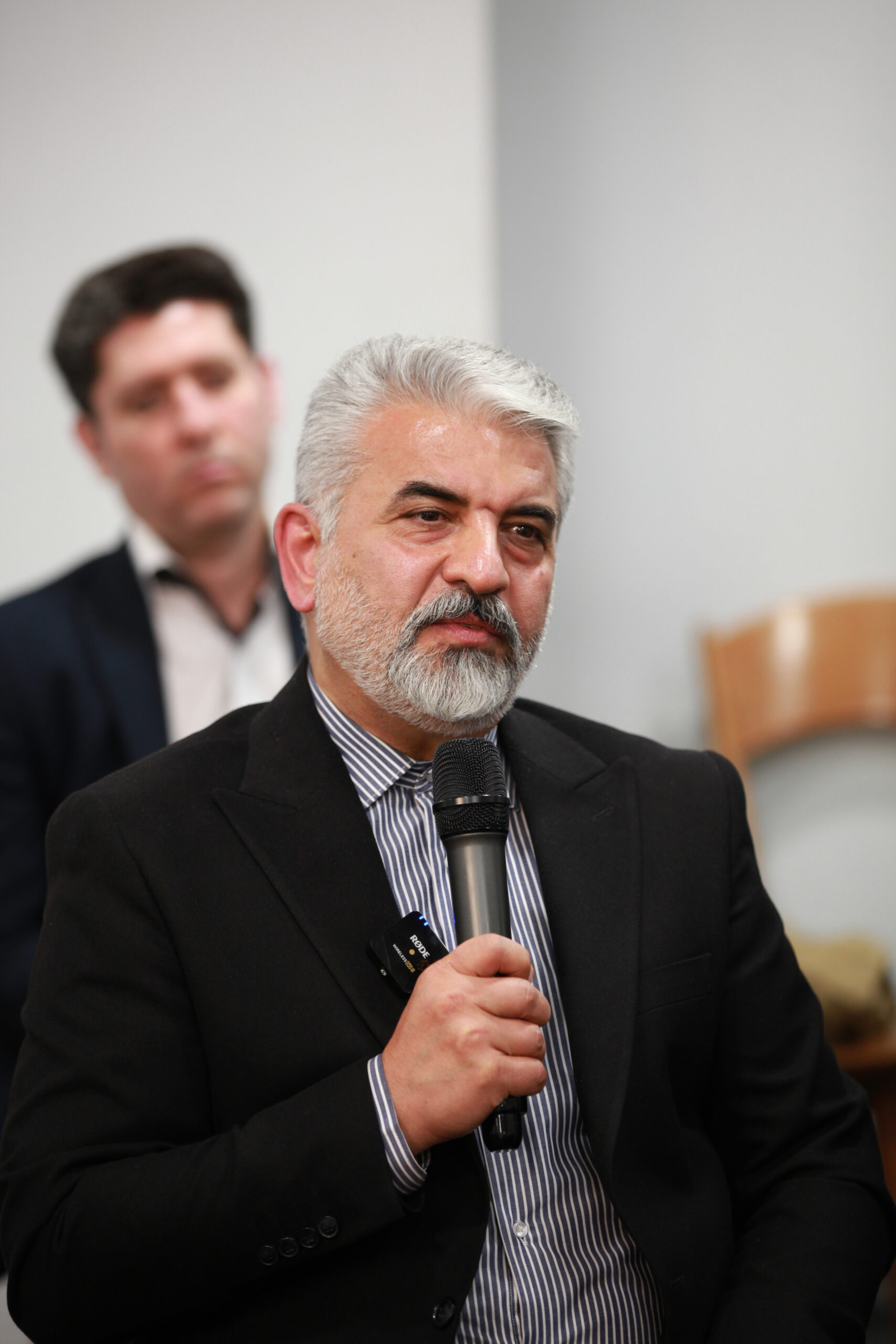
The panel featured Gyula Pethő (Hungarian Ambassador to Iran), Dr. Simin Kazemi (physician and sociologist), Dr. Gholamhossein Marvasti (surgeon and head of the Marvasti Clinic), and Esmail Yazdanpour (the book’s translator). The session was moderated by Farzaneh Naserkhaki, as the speakers joined together to examine the scientific, social, and human dimensions of Karikó’s autobiography.
Opening the session, Ambassador Gyula Pethő described Katalin Karikó as a source of immense national pride. “Ms. Karikó is the sixteenth Nobel laureate from Hungary and the first Hungarian woman to receive this prestigious honor,” he noted. “Her research achievements, which led to the development of mRNA vaccines against COVID-19, have saved millions of lives.”
Touching on Karikó’s arduous journey, the Ambassador added, “She is a researcher who stood by her convictions even when her ideas faced skepticism. Her unique tenacity and admirable persistence in the face of adversity serve as a model for scientists worldwide.”
Pethő also highlighted the scientific ties between the two nations, noting that the University of Szeged, where Karikó began her studies, currently hosts many Iranian students. “The Hungarian government awards 100 full scholarships annually to Iranian students across various fields, demonstrating the depth of our cultural and scientific relationship,” he said.
Dr. Simin Kazemi offered a critical sociological perspective on the work. She described Breaking Through as more than a standard biography, framing it as a narrative about the struggle of individual “agency” against restrictive “structures.”
“Karikó’s success came despite multiple layers of discrimination,” Kazemi observed. “She was a working-class woman and a butcher’s daughter in communist Hungary who later faced linguistic and cultural barriers as an immigrant in the United States. Within the scientific institution itself, she grappled with gender discrimination and rigid academic hierarchies.”
Critiquing scientific systems that often reward mediocrity over merit, Kazemi added, “The key takeaway from Karikó’s life is that she never succumbed to a victim mentality. With a realistic view of her circumstances as a mother and a professional, and through stubborn resistance, she refused to surrender to structures that marginalized her—whether through demotion or dismissal. Instead, she focused on the essence of her research. This book demonstrates how one can maintain agency amidst rejection and failure.”
Dr. Gholamhossein Marvasti highlighted the monumental significance of the mRNA vaccine discovery. “Karikó symbolizes the scientist who understands that achieving great results requires grit and the acceptance of repeated failure,” he said. “Science is not a smooth road, and her life is a vital lesson for our young students: success in science demands resilience against hardship.”
Dr. Marvasti also emphasized the need to strengthen scientific diplomacy, expressing hope for expanded academic exchange between Iran and Hungary to allow Iranian scholars to benefit from global expertise.
Esmail Yazdanpour, the translator of Breaking Through, offered a profound reflection on the intersection of biology and language at the close of the session. Describing the book as a scientific work with the narrative pull of a novel, Yazdanpour drew a striking parallel between his profession and the subject matter. “A translator acts as a ‘healthy messenger,’ much like the mRNA molecule,” he explained. “In a conflict zone, the enemy strikes the messenger to silence communication. A resilient messenger, however, delivers the vital news: ‘We are alive, and we can move forward.’ This is exactly what Karikó achieved; she effectively ‘disguised’ the mRNA, allowing it to bypass the body’s immune defenses and instruct the cells to survive and function.”
Yazdanpour revealed that he translated the book while battling a serious illness, finding personal healing in Karikó’s scientific metaphors. “This narrative taught me that, just as mRNA delivers instructions for life, I needed to send a ‘message of health’ to my own body,” he reflected. “The core lesson for the audience is that we must all discover our own internal ‘mRNA’—that essential signal that drives us to break through blockages and continue living.”
Regarding the Persian title, Yazdanpour noted: “We chose the term ‘Rahgoshaei’ (Path-opening) for Breaking Through. It signifies that even when systems fail to support you, faith in your path can open a new way forward.”
Breaking Through: My Life in Science chronicles Katalin Karikó’s tumultuous journey from her childhood in Hungary to the Nobel Prize podium. The event concluded with a Q&A session and a book signing.
Tags: Book Diplomacy, Breaking Through, Gholamhossein Marvasti, Gyula Pethő, Hungarian Ambassador, Katalin Karikó, Science Communication, Simin Kazemi