

"Ulysses": The Novel That Shattered Classical Structures
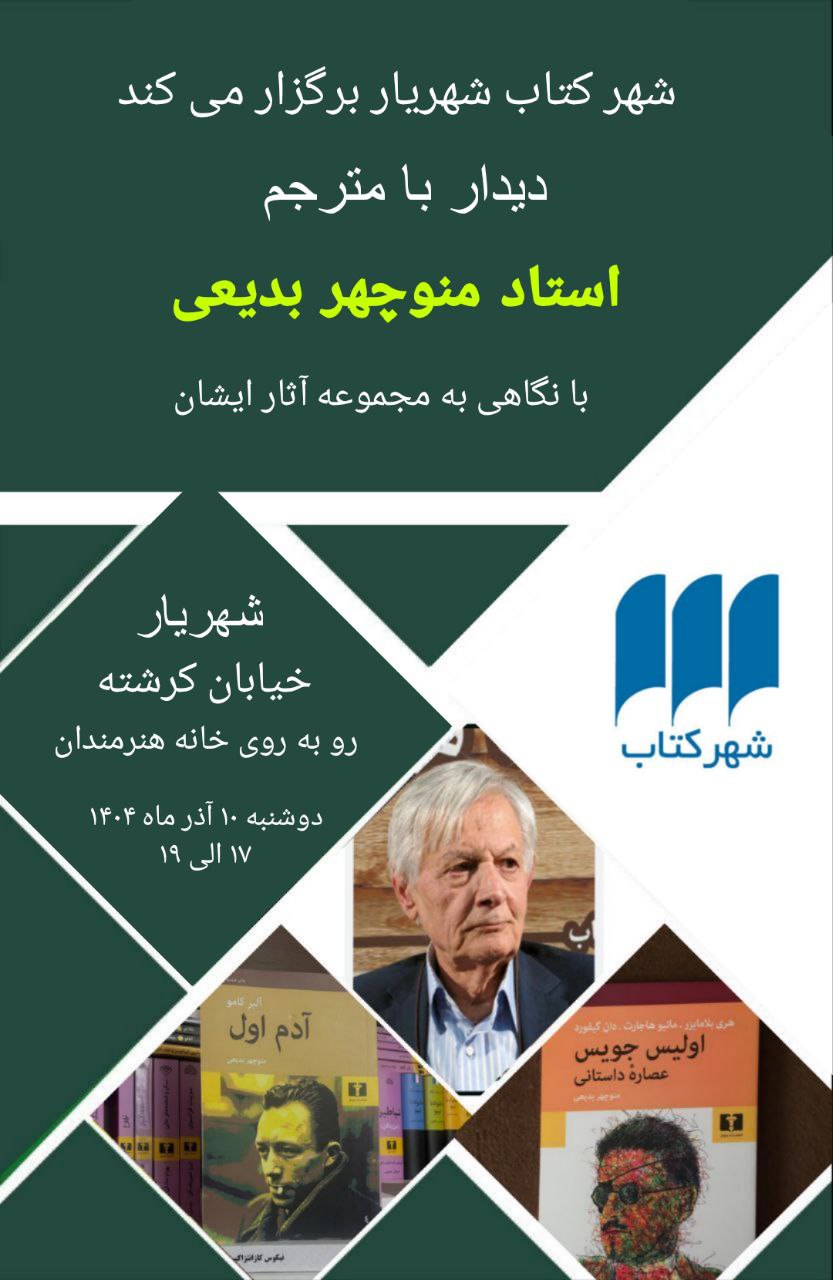
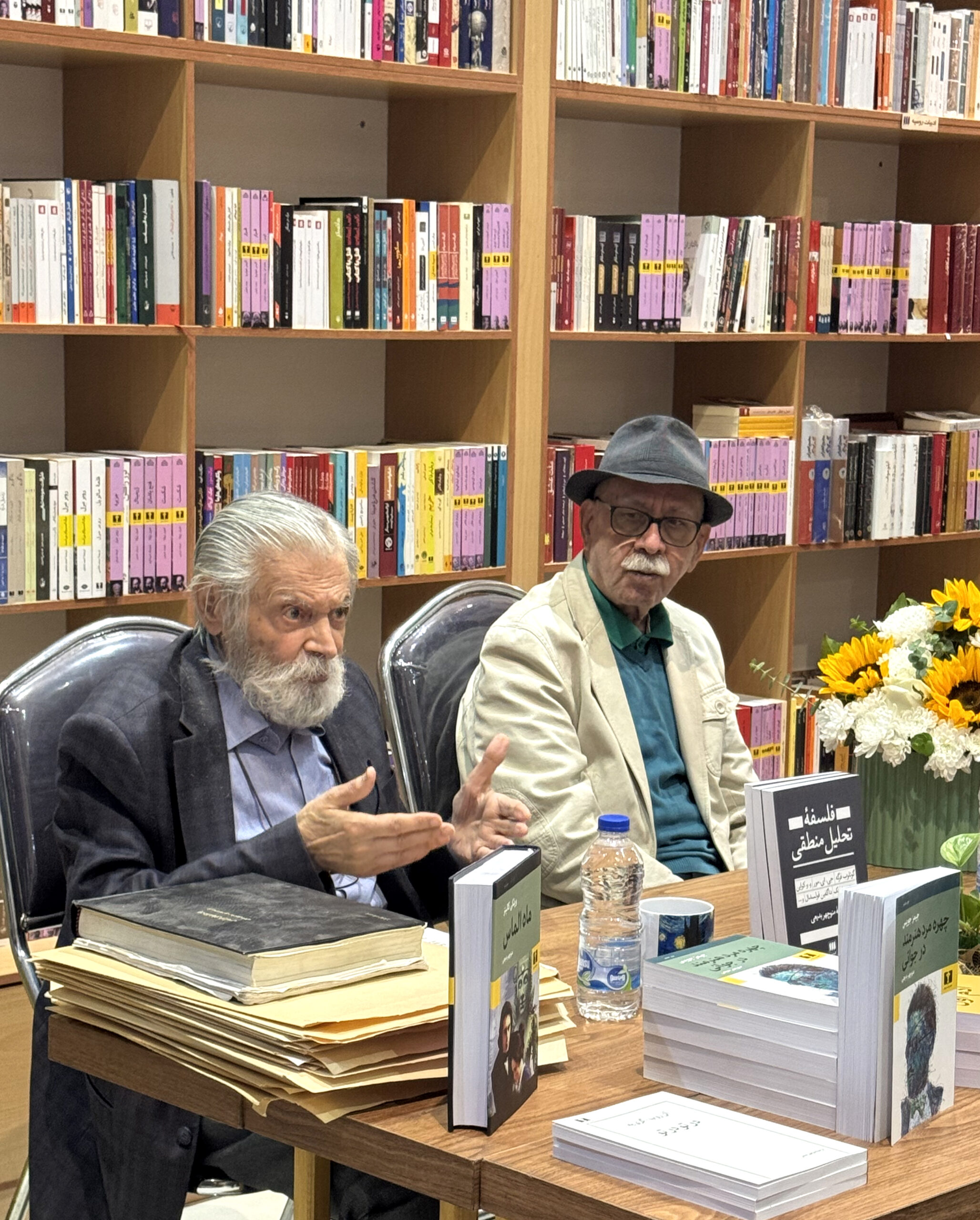
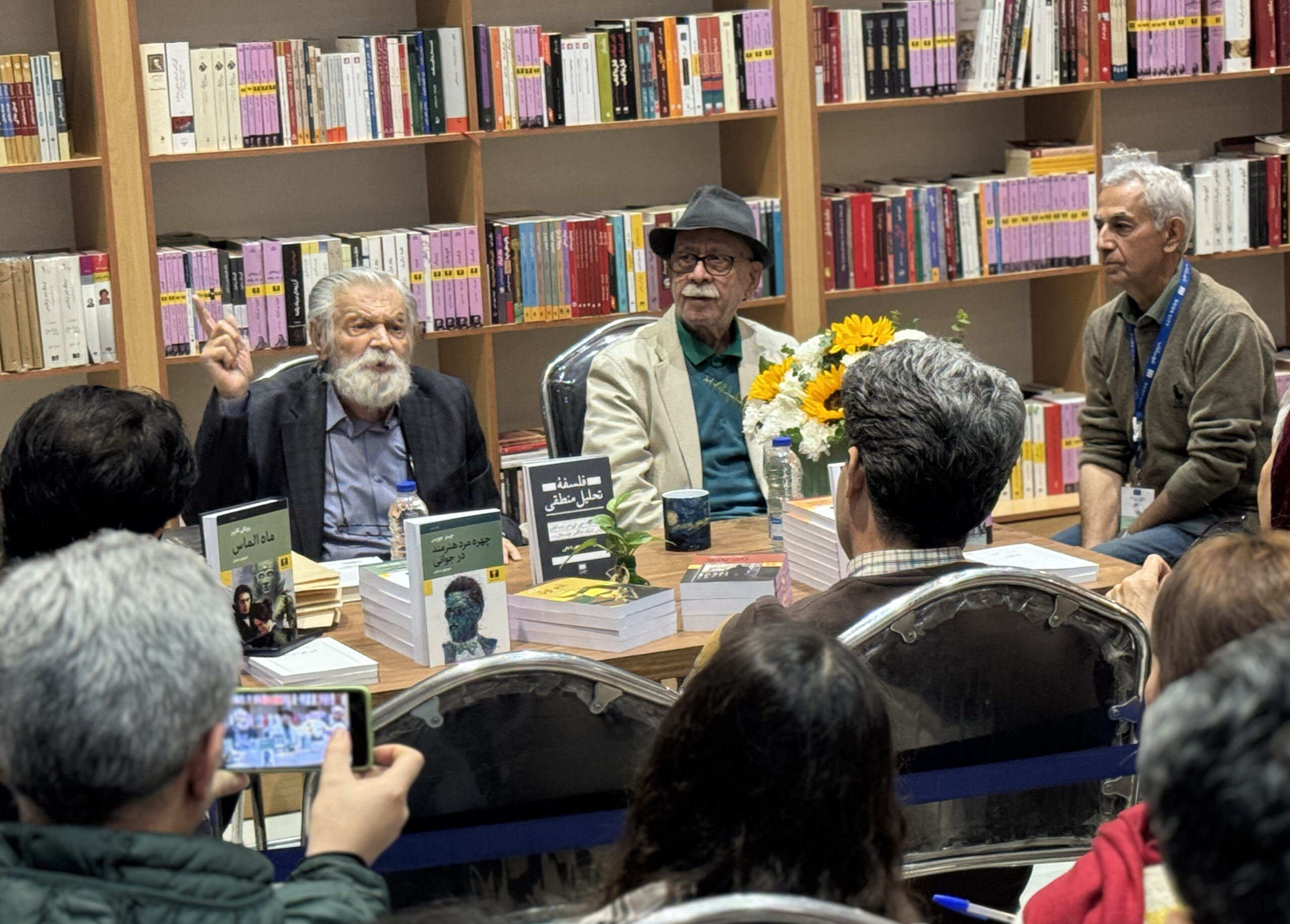
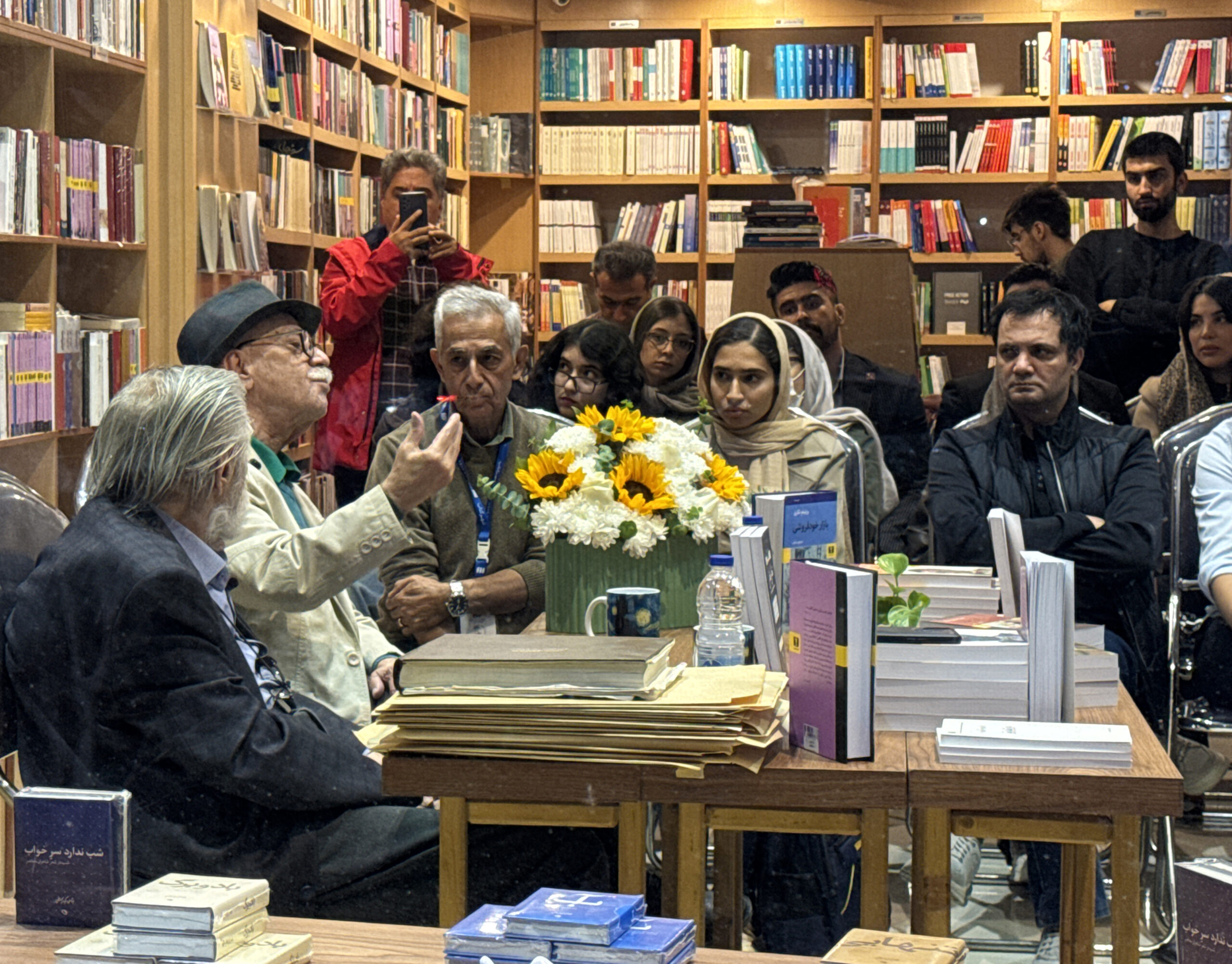
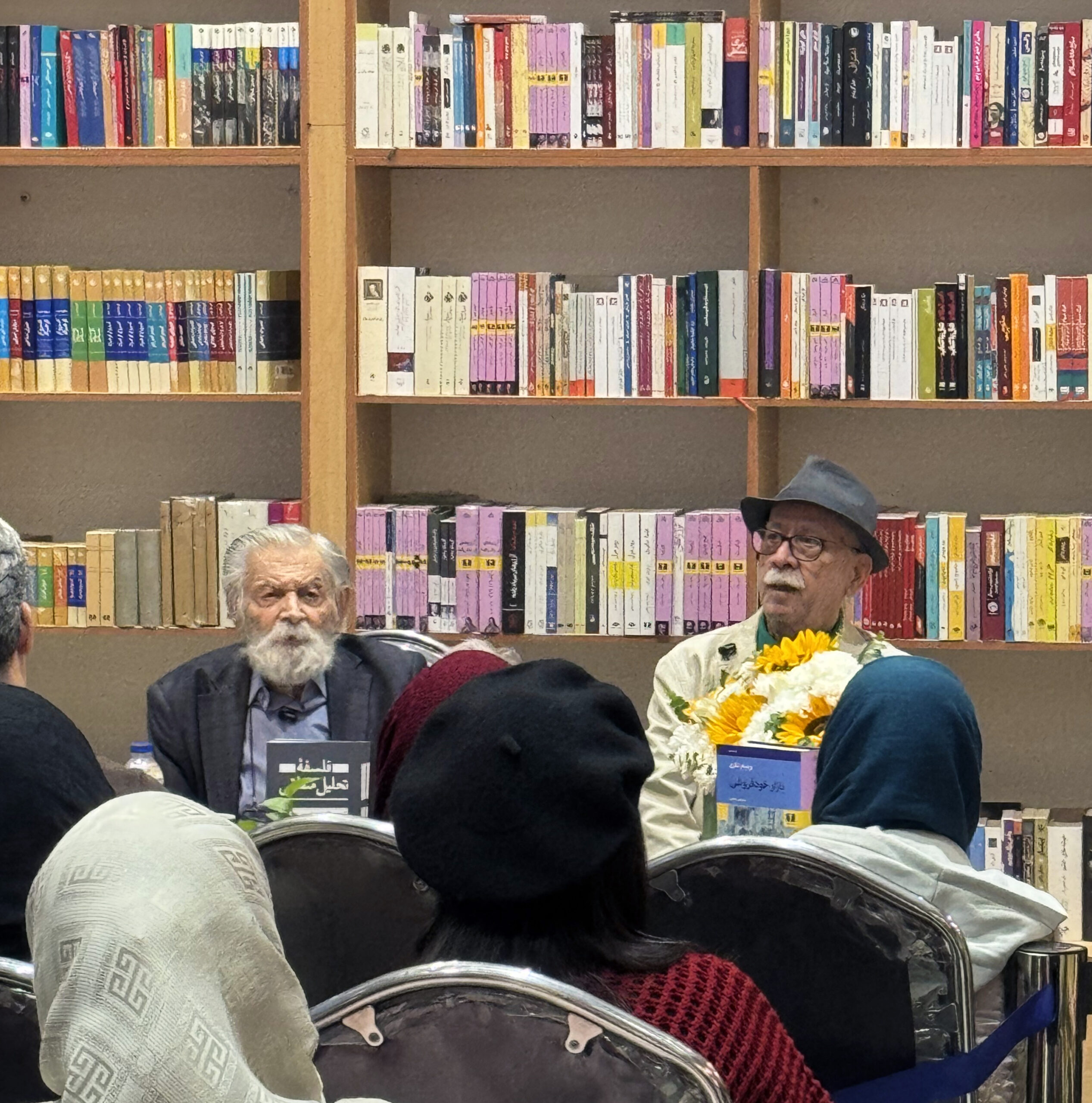
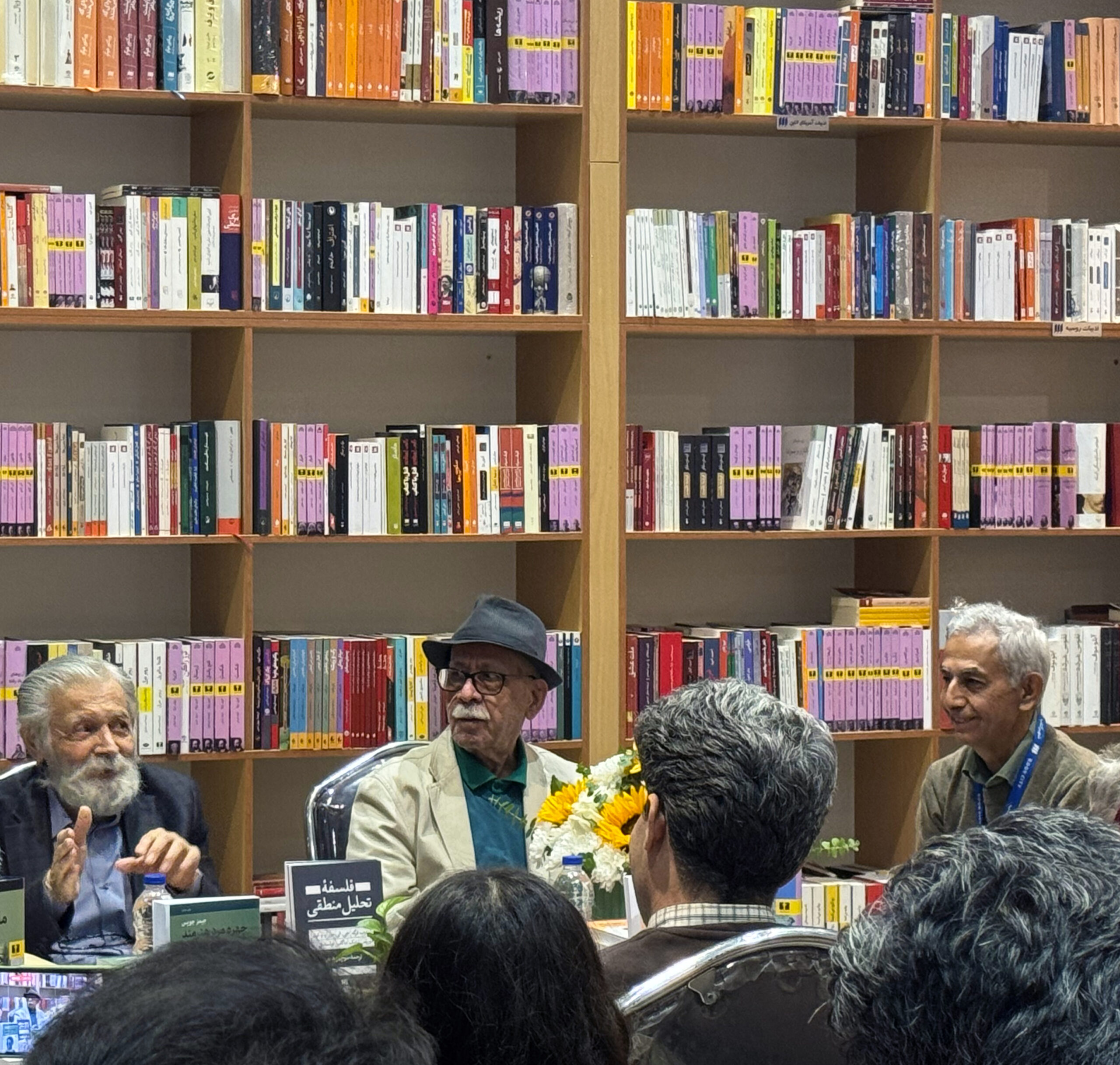
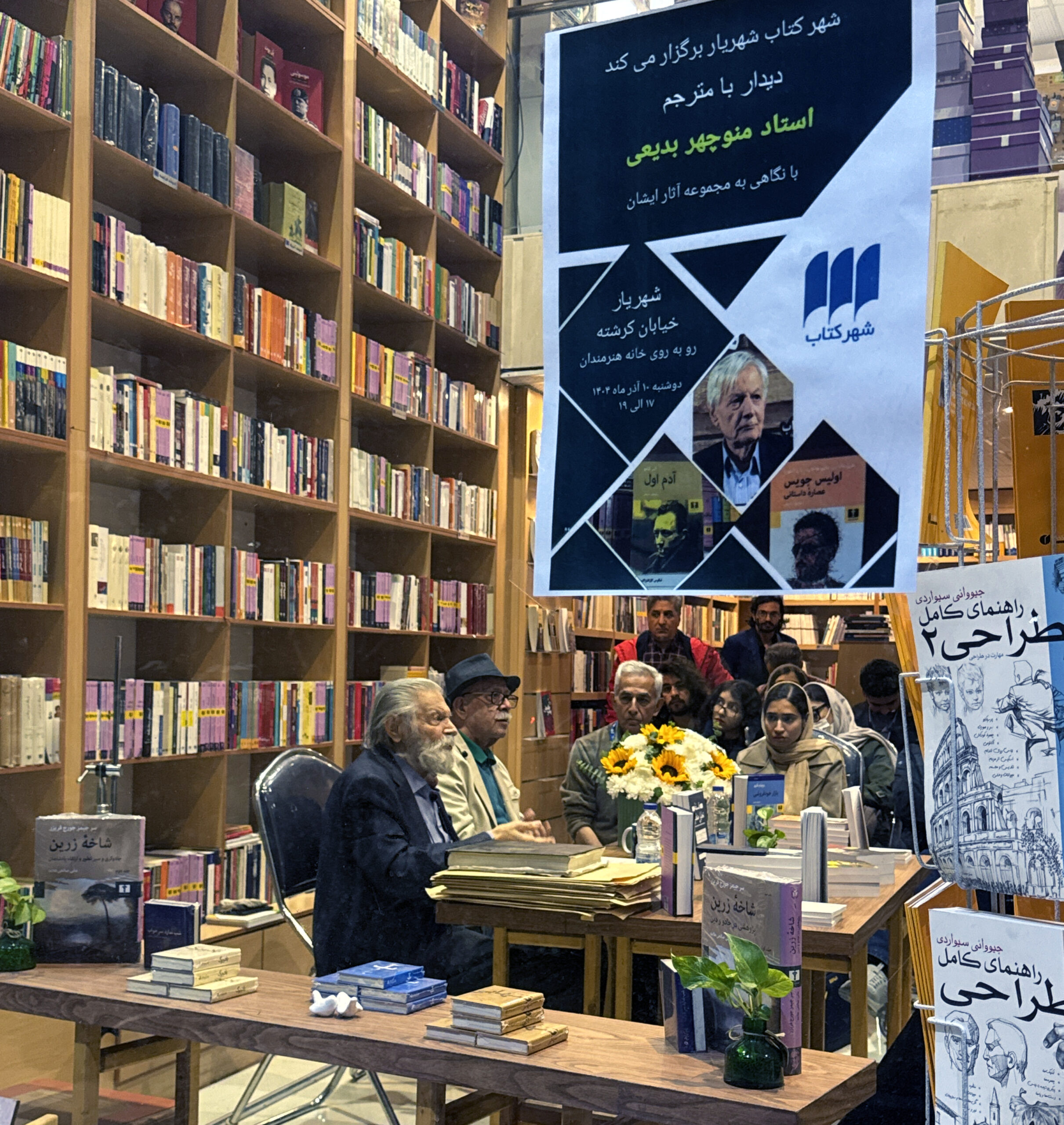
On the evening of Monday, December 1, 2025 (Azar 10, 1404), Shahriar BookCity hosted a significant literary gathering focused on James Joyce’s masterpiece, Ulysses. The session featured Manouchehr Badiei, one of Iran’s most distinguished and veteran translators, known for his deep engagement with modern Western literature.
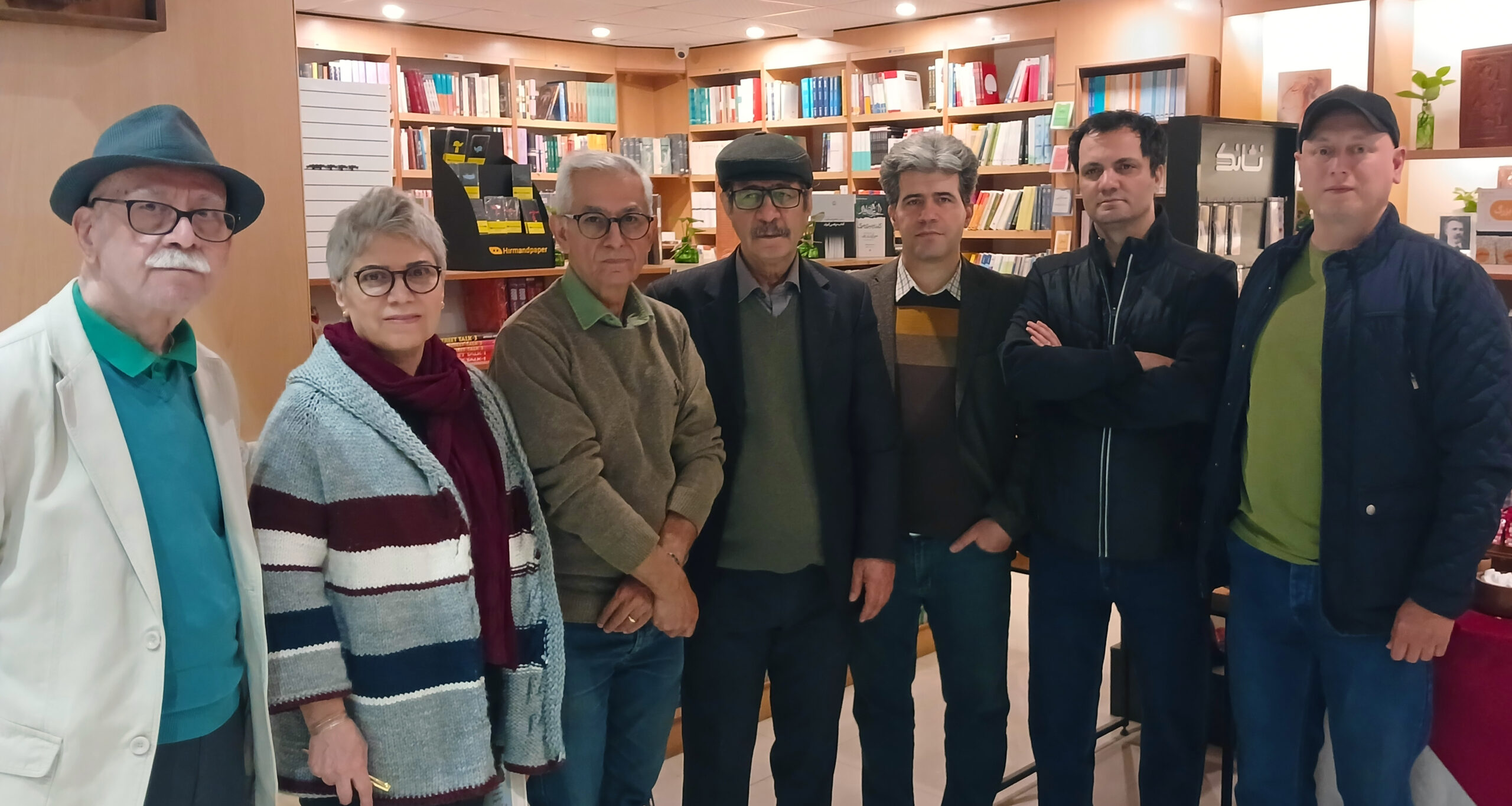
The event, which drew a passionate crowd of literature enthusiasts to the Shahriar district (southwest of Tehran), also featured a special guest appearance by Ali Asghar Haddad, the celebrated translator of German literature (Kafka, Mann). During the session, Badiei read excerpts from his legendary Persian translation of Ulysses and dissected the challenges of literary translation and the structural shifts from classical to modern novels.
Manouchehr Badiei began by addressing the elephant in the room: the publishing status of his magnum opus. For English readers, it is important to note that while Badiei completed the translation of Ulysses years ago, it has faced a complex battle with censorship and bureaucracy in Iran.
“The translation of Ulysses was completed years ago and, at one point, even received a publishing permit. However, due to reasons partly stemming from media misunderstandings and false reports in certain hardline newspapers, it was held back from publication. Nevertheless, I believe this work will find its way, for literature cannot be imprisoned.”
He further elaborated on Joyce’s revolutionary style: “James Joyce did something in Ulysses that had no precedent. He stripped away elements that did not belong to the novel and, instead of long, classical descriptions, turned to the ‘Interior Monologue.’ In this work and his other masterpiece, Finnegans Wake, Joyce manifested the boundary between wakefulness and sleep, the conscious and the unconscious, within language itself.”
Badiei, who has also translated Joyce’s A Portrait of the Artist as a Young Man, shifted focus to the nuance of tone, using Albert Camus’ The Stranger as a case study. Critiquing various English and Persian translations of the famous opening line (“Aujourd’hui, maman est morte”), he remarked:
“The difference between the words ‘Mother’ and ‘Maman’ in French carries a distinct emotional and semantic weight that Camus used consciously. A translator must grasp these subtleties. Translation is not merely the conversion of words; it is the transfer of the author’s ‘lifeworld’ (Lebenswelt) into the target language.”
He also touched upon a structural issue in the Iranian literary scene: “We have excellent translators—sometimes Persian translations of French or German works surpass their English counterparts due to our translators’ precision. However, our problem lies in creative writing education. In the West, writing is taught in schools and classes; here, there is a misconception that writing is solely an internal eruption that requires no technical training.”
Ali Asghar Haddad, the translator of Kafka and Robert Musil, took the stage to support Badiei’s views. “The era of the universal classical novel that explained everything is over,” Haddad asserted. “Writers like Joyce, Kafka, and Musil pioneered a path where ‘individuality’ and ‘subjectivity’ replaced linear narratives.”
Haddad praised his colleague’s work, stating: “What Badiei has achieved with Ulysses goes beyond ordinary translation; it is a form of linguistic research. Modern German and European literature owes a debt to the audacity writers like Joyce showed in breaking linguistic forms.”
A highlight of the evening was Badiei’s reading of a chapter from Ulysses. He chose the famous morning scene featuring Leopold Bloom—specifically the sensory-rich descriptions of frying a kidney for breakfast and his interaction with his cat. The reading, which demonstrated Joyce’s ability to elevate the mundane through high yet tangible language, received prolonged applause from the audience.
In his concluding remarks, Badiei emphasized the cultural necessity of his craft:
“Translation is the only way for dialogue between nations. It is through translation that we understand how others think, how they suffer, and how they rejoice. I hope the new generation of translators will preserve this bridge with obsession and precision.”
The ceremony ended with a book signing and a Q&A session regarding the complexities of translating Joyce.