

Literature as National Memory: Majid Gheisari and Alireza Mahmoudi Iranmehr at Ahvaz BookCity
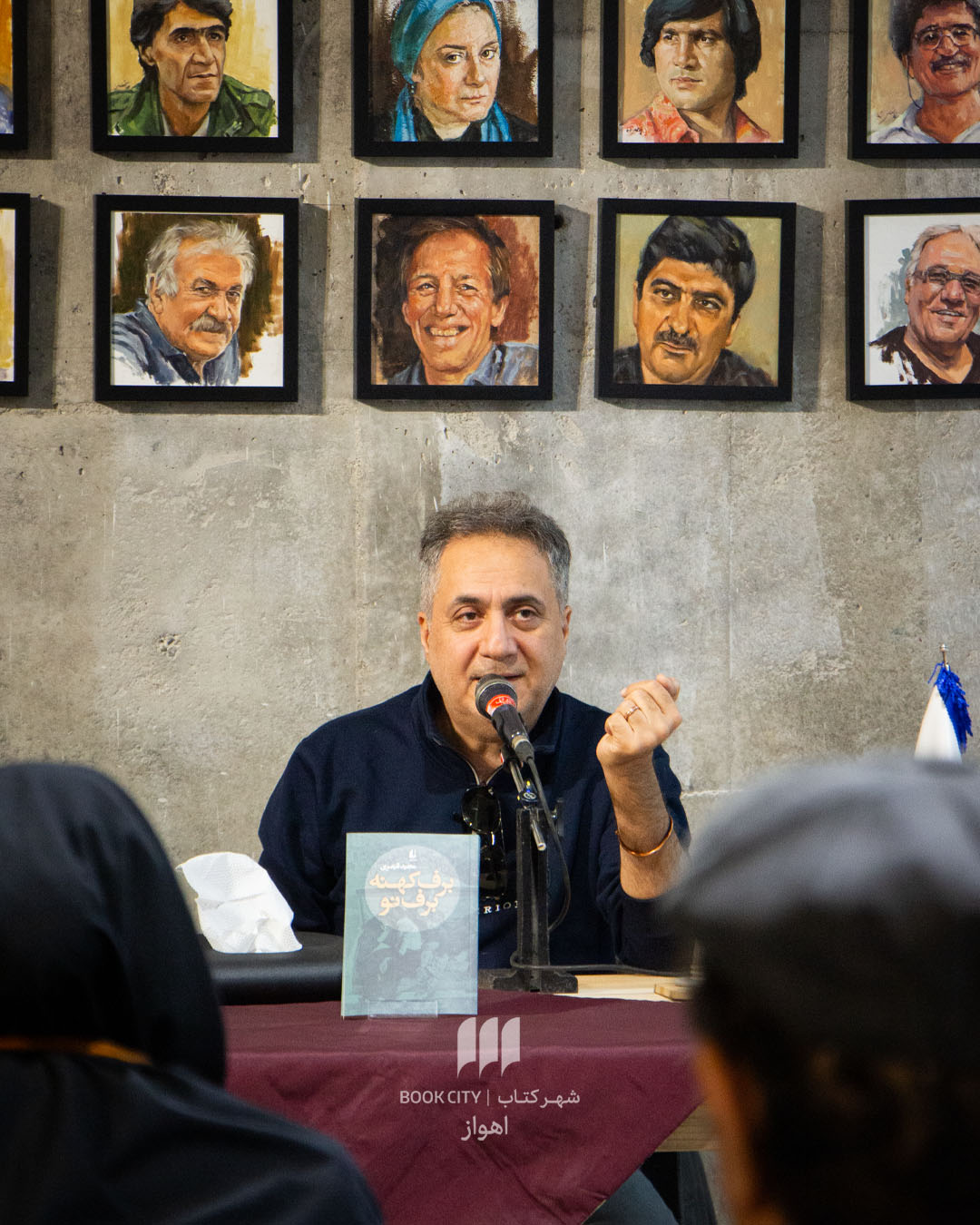
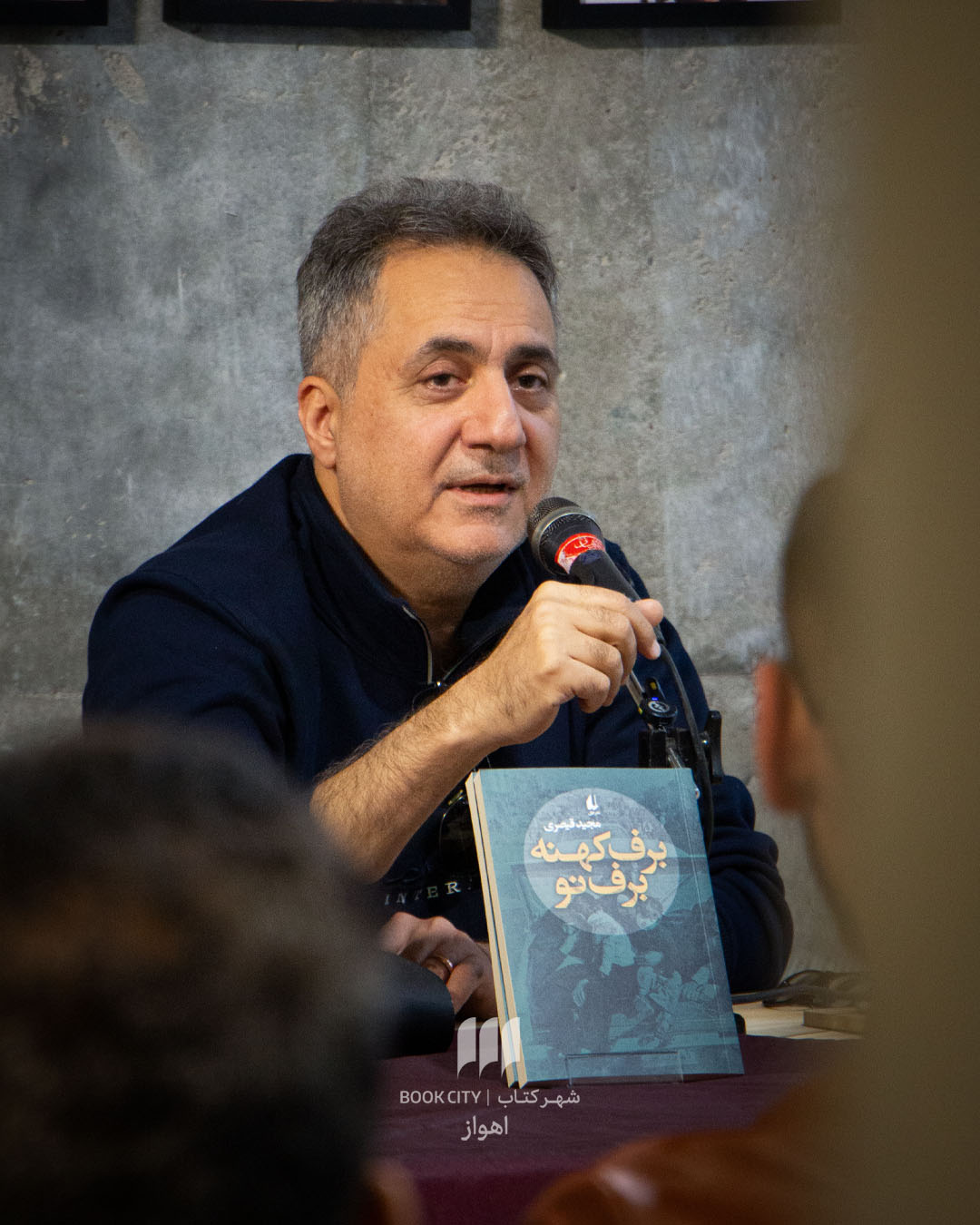
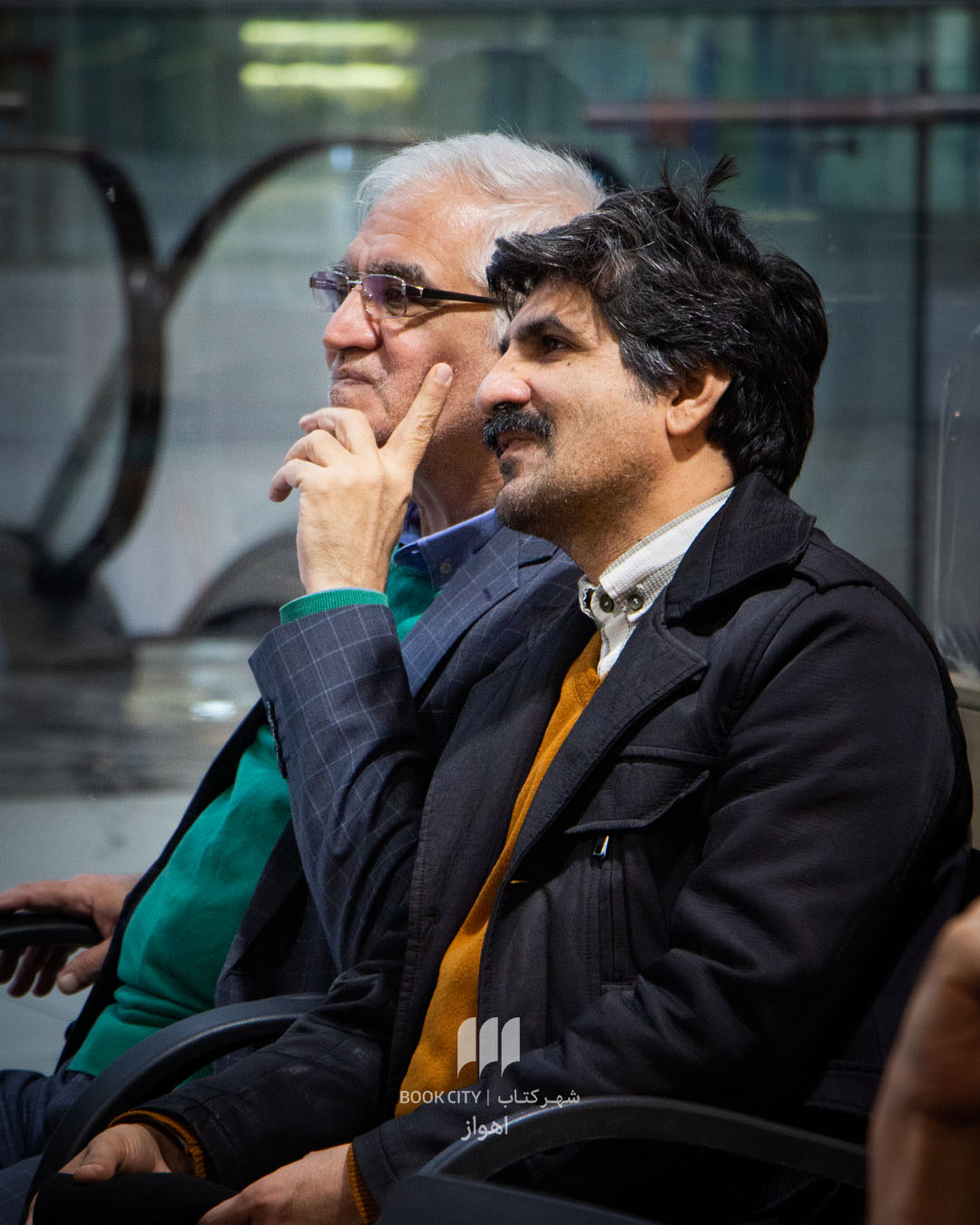
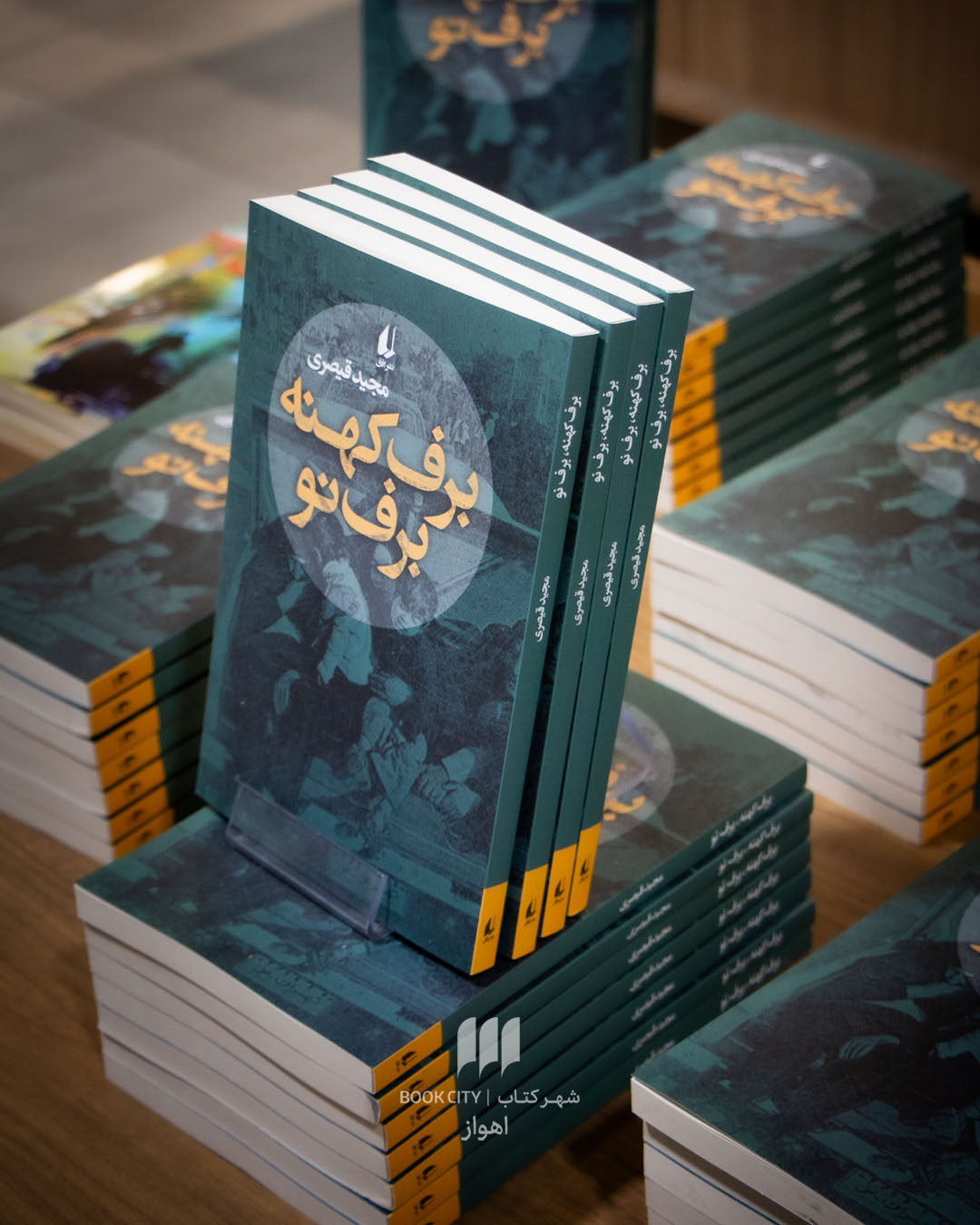
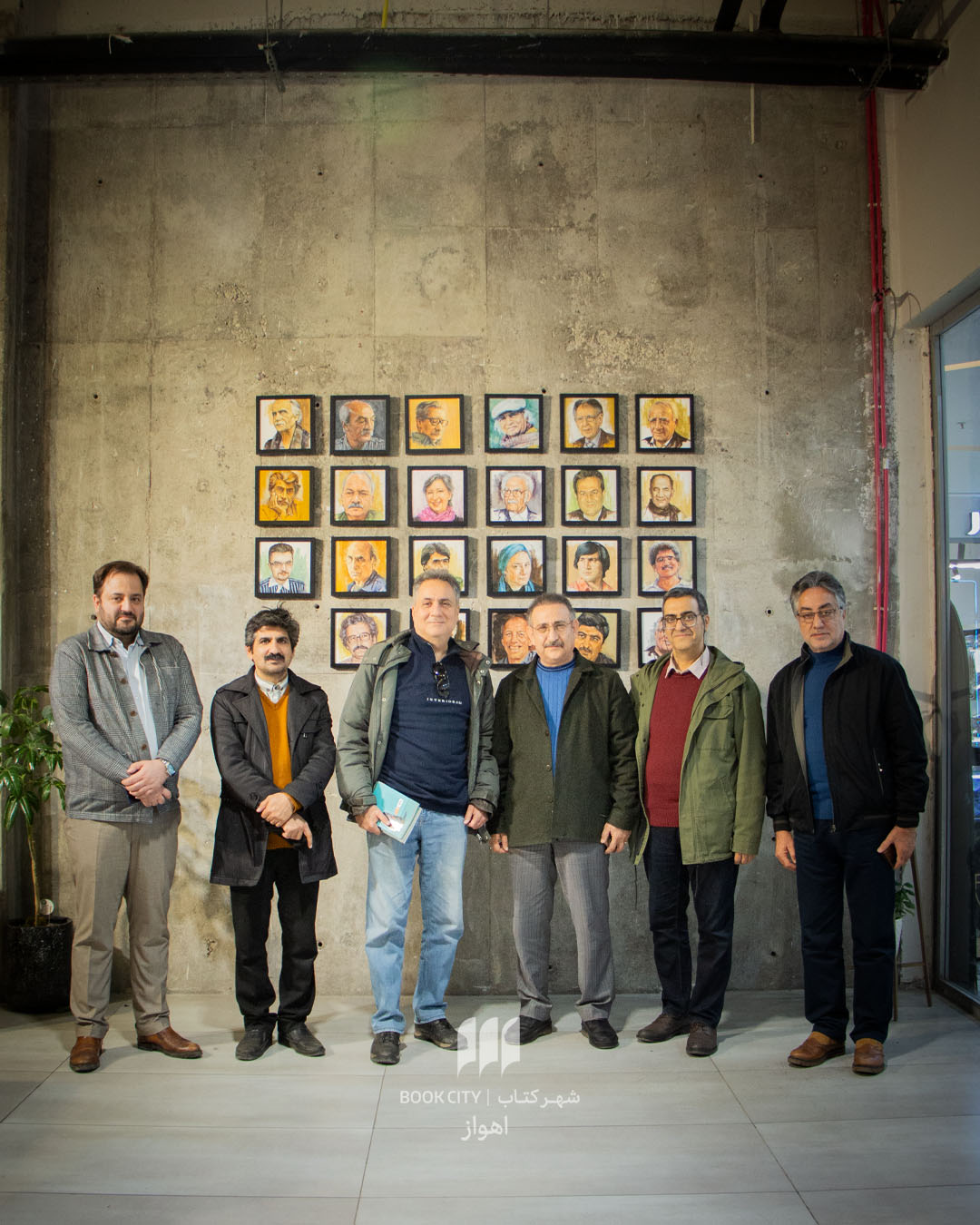
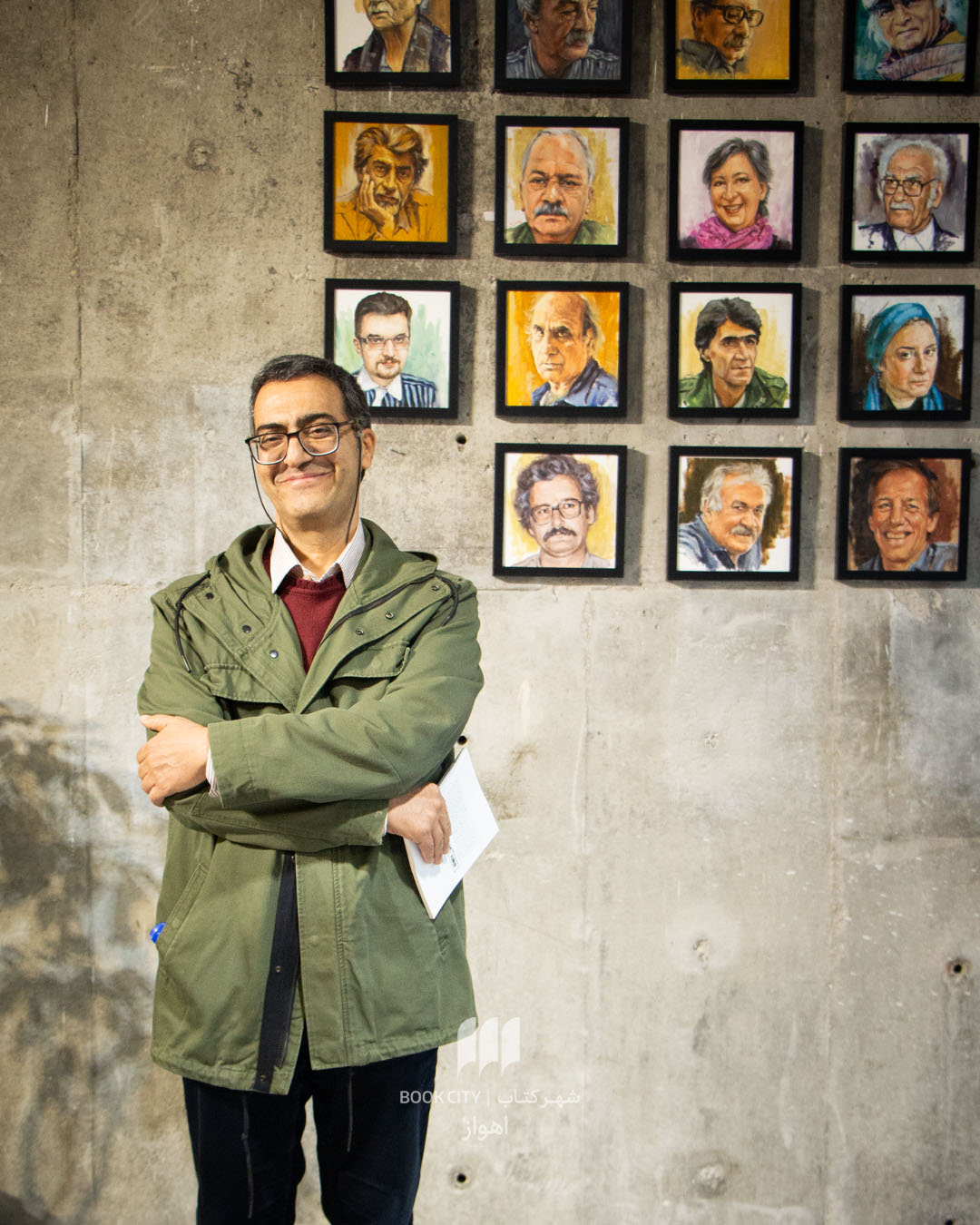
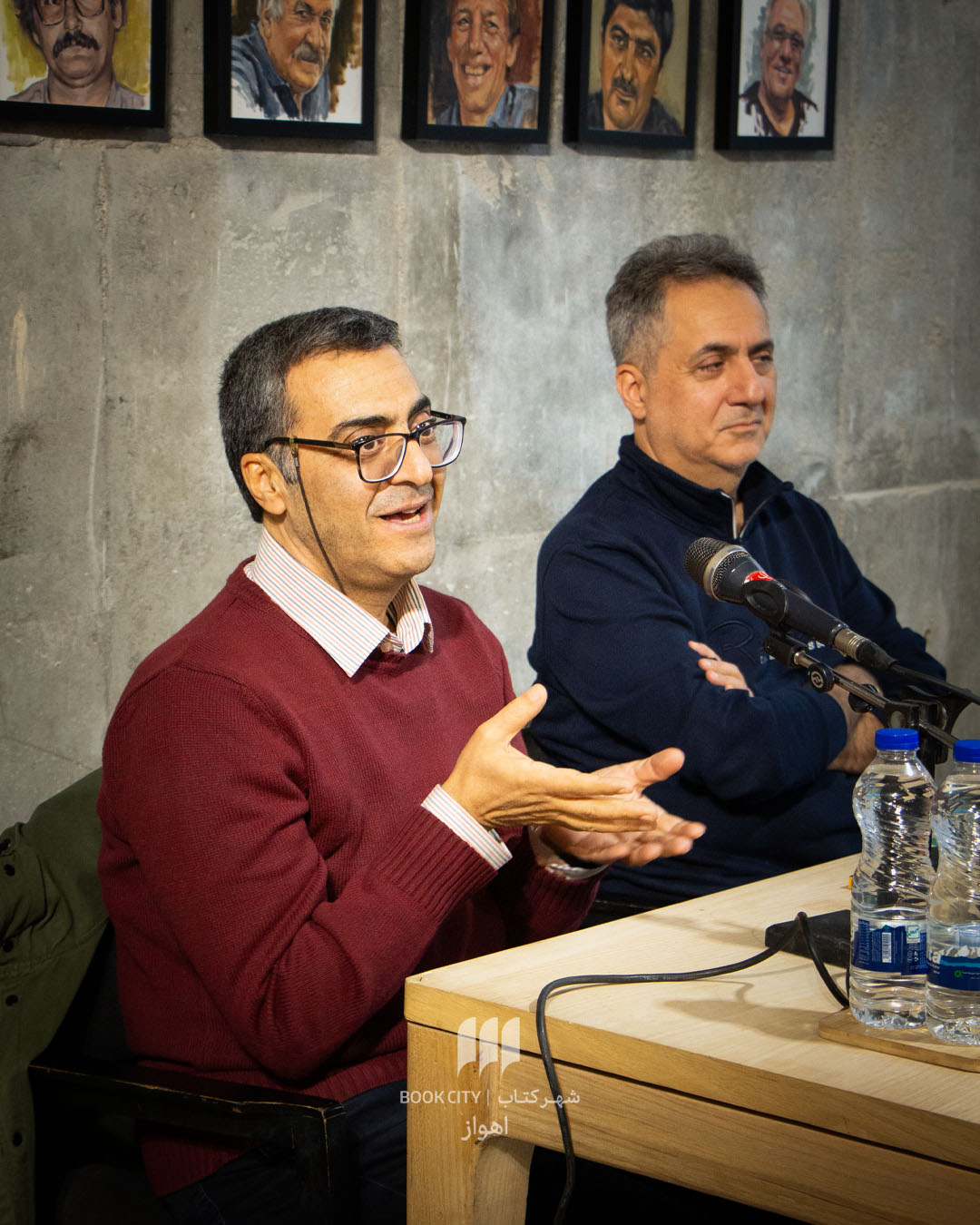
On Tuesday, December 23, 2025, Ahvaz BookCity hosted a profound literary session to unveil “New Snow, Old Snow” (Barf-e Now, Barf-e Kohneh), the latest short story collection by acclaimed author Majid Gheisari. Joined by critic and writer Alireza Mahmoudi Iranmehr, the evening transcended a typical book launch, evolving into an exploration of how literature serves as the historical heartbeat of a nation.
The War That Never Ends Gheisari opened the discussion with a poignant reflection on conflict. “Politically, a war might end,” he remarked, “but for the families, the survivors, and those still searching for a trace of their loved ones, the war continues every single day.” He argued that the true cost of war is found in the emotional and psychological toll—a generational trauma passed from parent to child that lingers for decades.
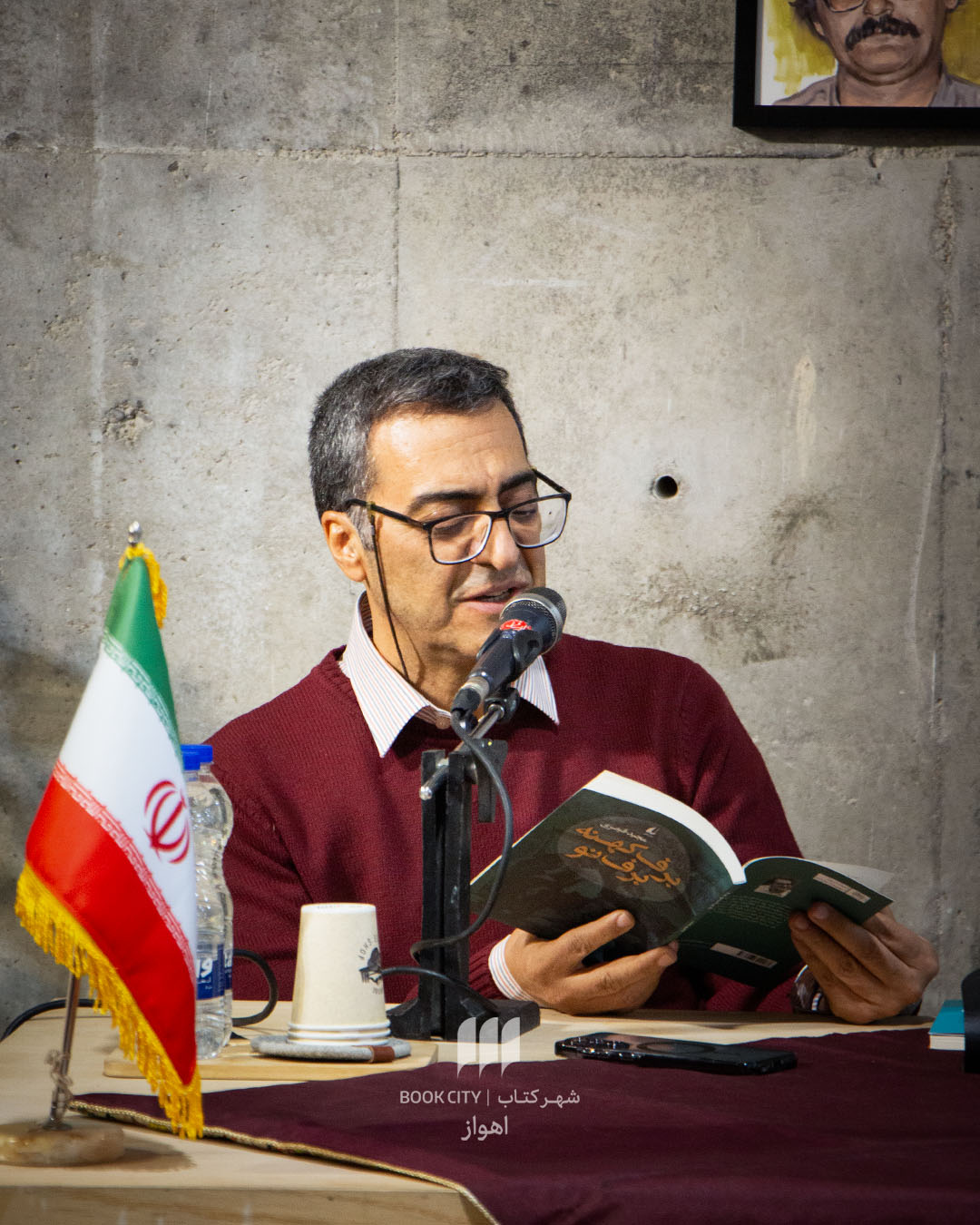
To ground this philosophy, the session included a reading of a short story from the collection: the narrative of a woman who, decades later, remains suspended in a search for her lost loved one. Gheisari used this example to highlight literature’s unique ability to capture the invisible scars of daily life without resorting to slogans or direct judgment.
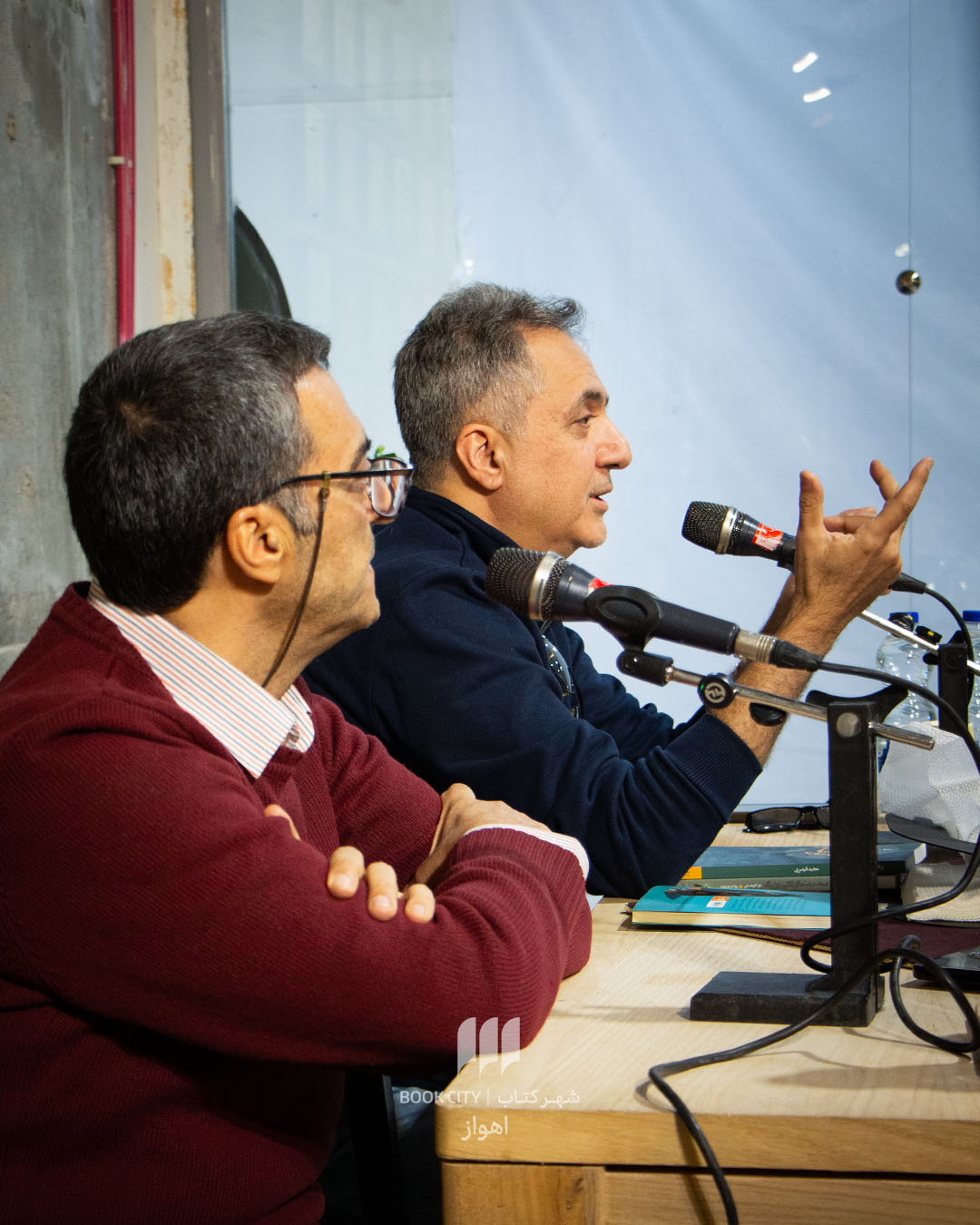
The Global Reach of Iranian Narratives Alireza Mahmoudi Iranmehr shifted the focus to the “globalization of literature.” He noted that while many nations have transformed their post-war experiences into powerful literary movements, Iranian contemporary narratives have often struggled to find an international rhythm. Iranmehr attributed this partly to ideological perspectives that can alienate audiences, contrasting it with Gheisari’s work, which treats war as a lived human experience.
The Challenges of Modern Publishing The dialogue turned toward the state of the industry in Iran. Gheisari addressed the “unequal battle” between local works and translated literature. He noted that while translations offer the world’s best, local authors—even masters like Ahmad Mahmoud—often find themselves “defenseless” in a market where modern literary education and institutional support are lacking. He warned that if we do not foster our own narratives, our collective memory and cultural identity will gradually erode.
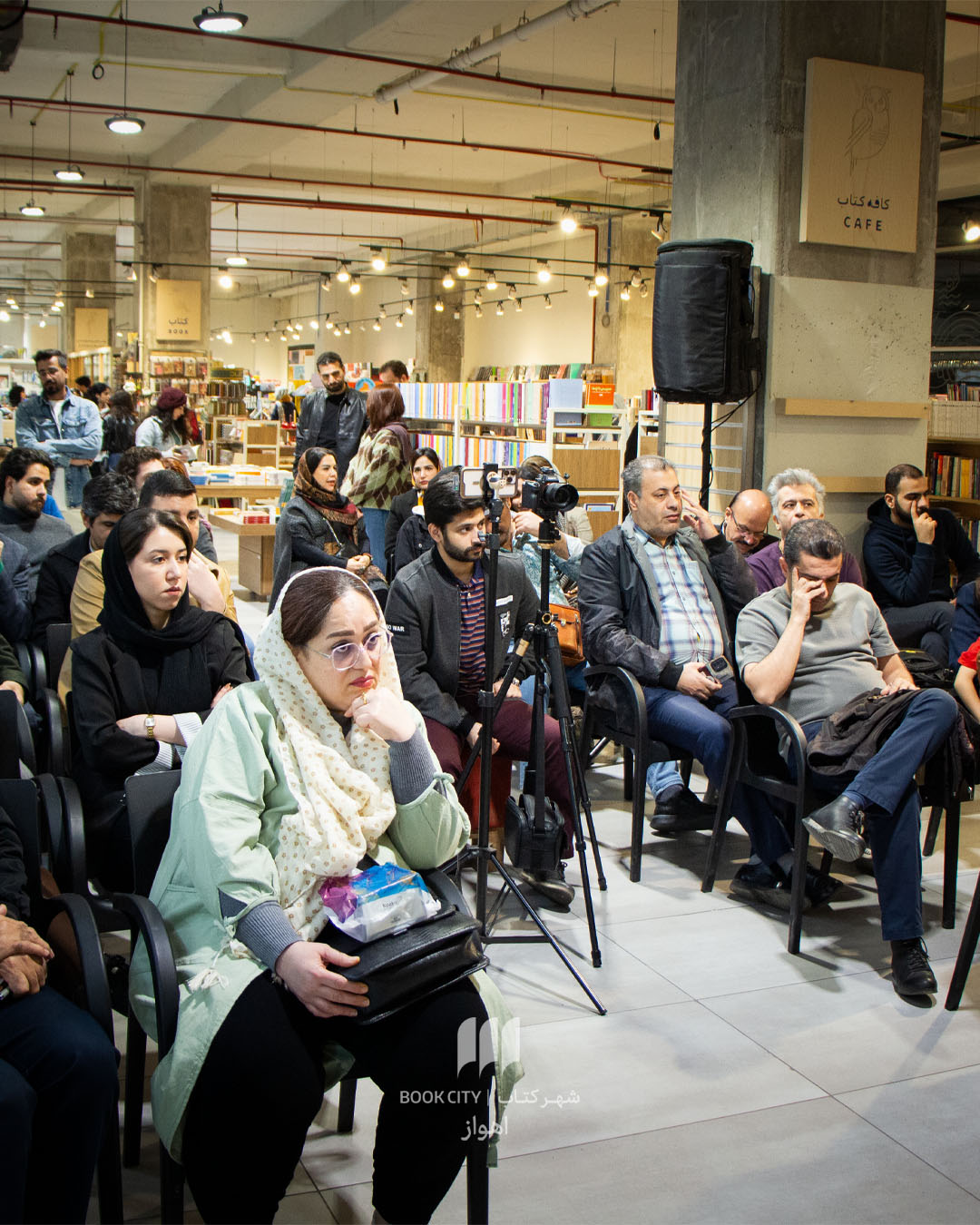
A Community of Readers The event concluded with an engaging Q&A, where the audience delved into topics ranging from the role of geography in fiction to the delicate balance of the writer-reader relationship. Like all programs across our BookCity branches, this evening at Ahvaz was a testament to our commitment to keeping the dialogue of Iranian culture alive and vibrant.