

Contemporary History Series: Examining the "Ommat" Weekly and Post-Revolutionary Discourse at Bahar BookCity
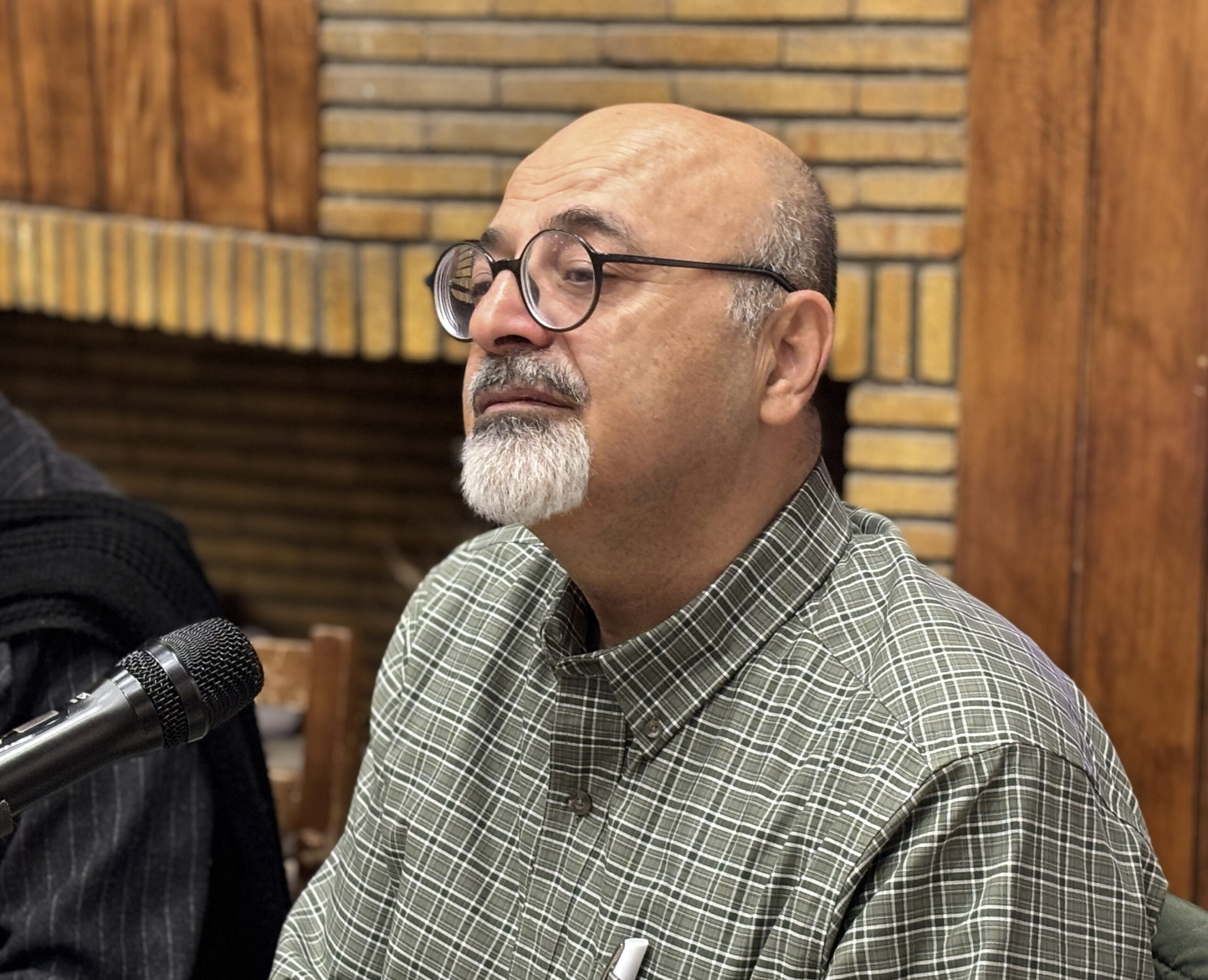
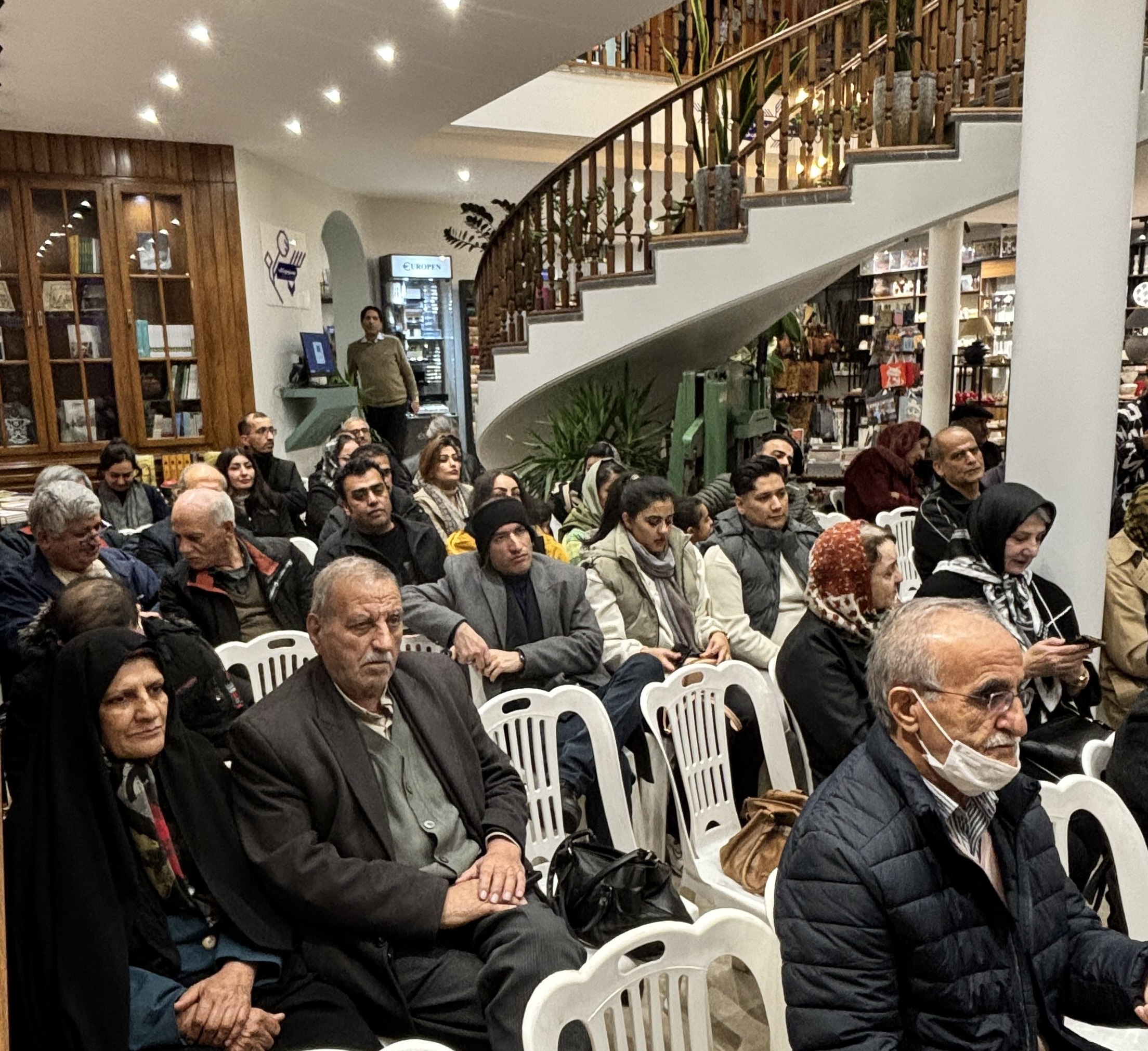
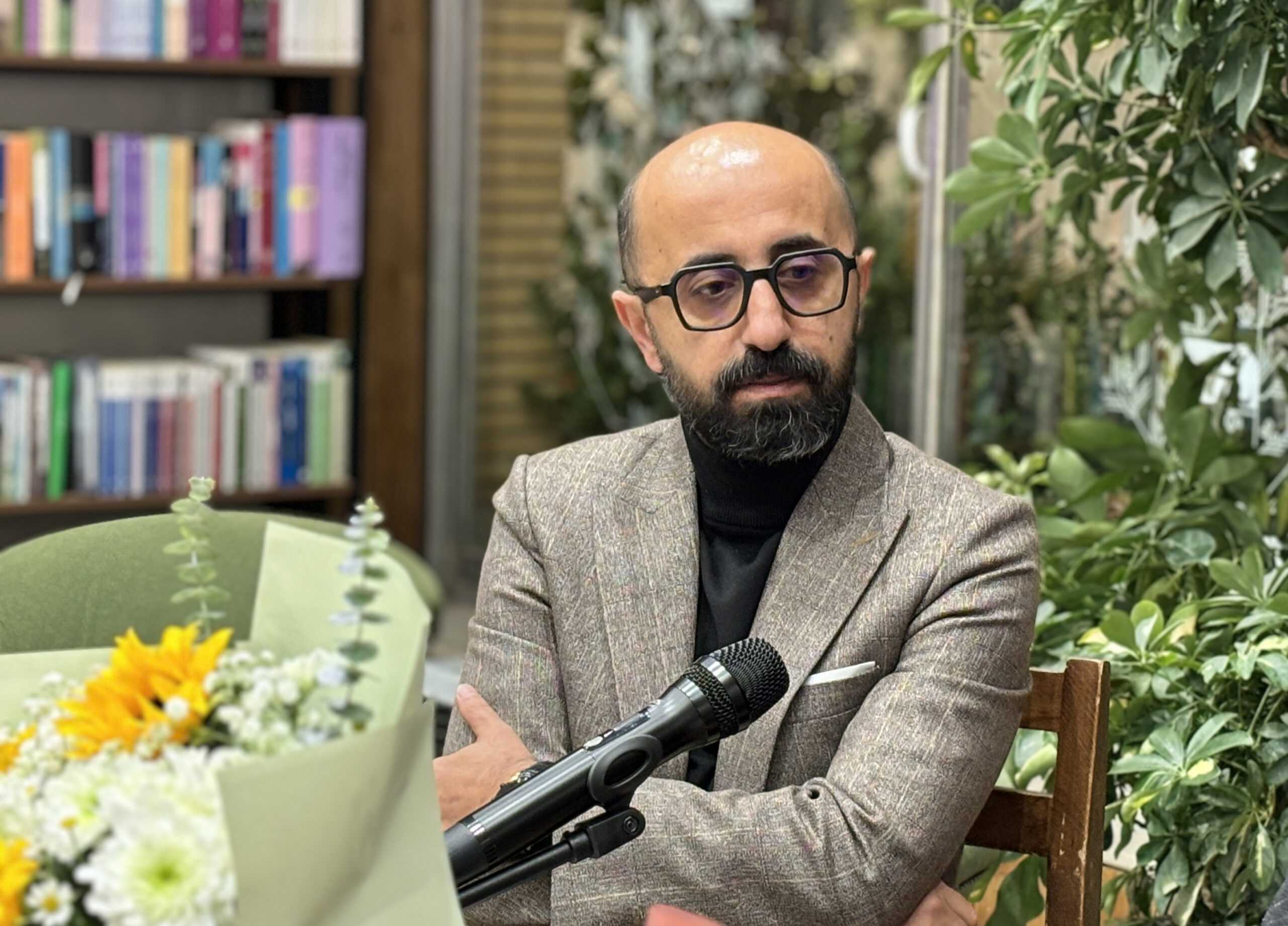
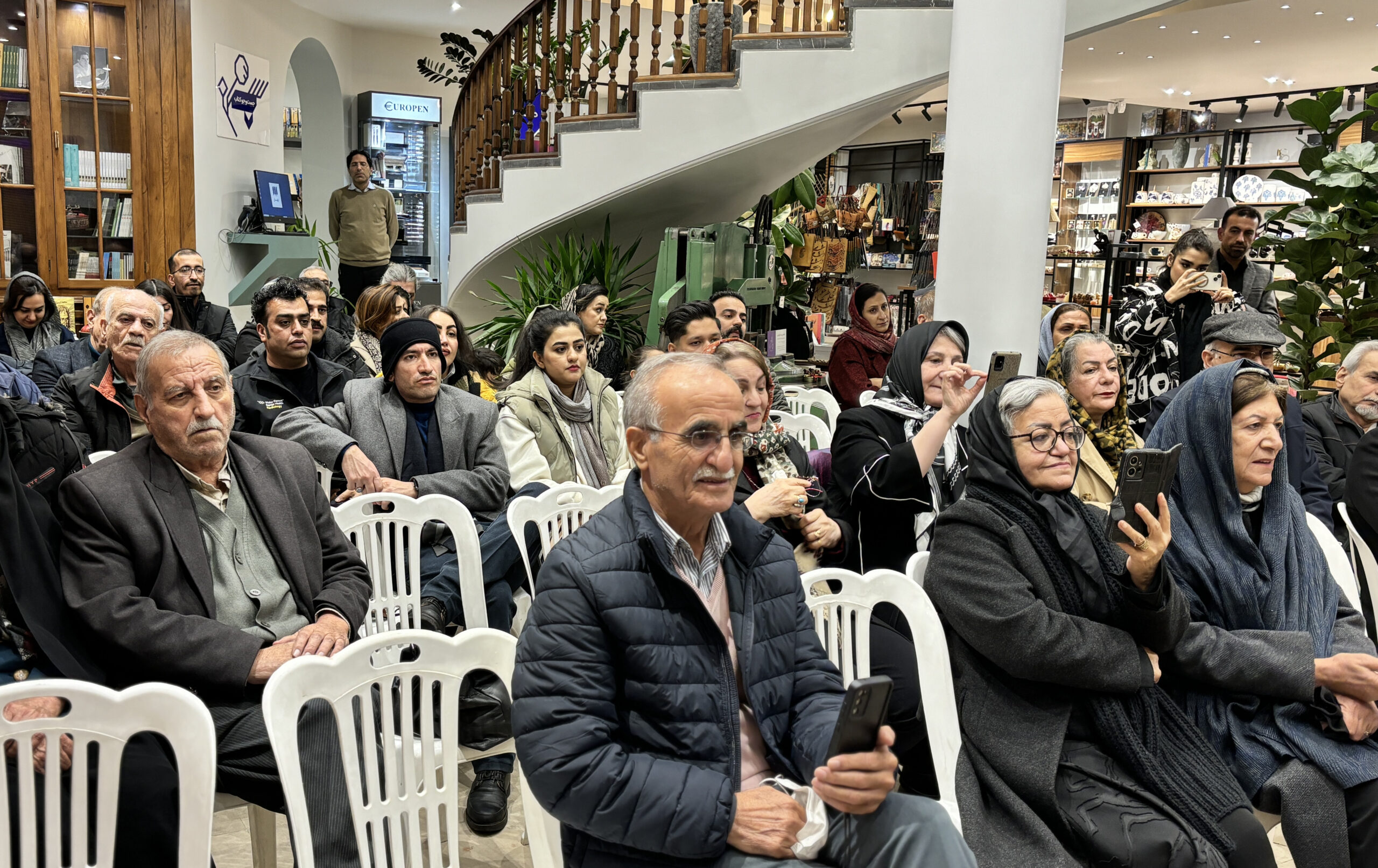
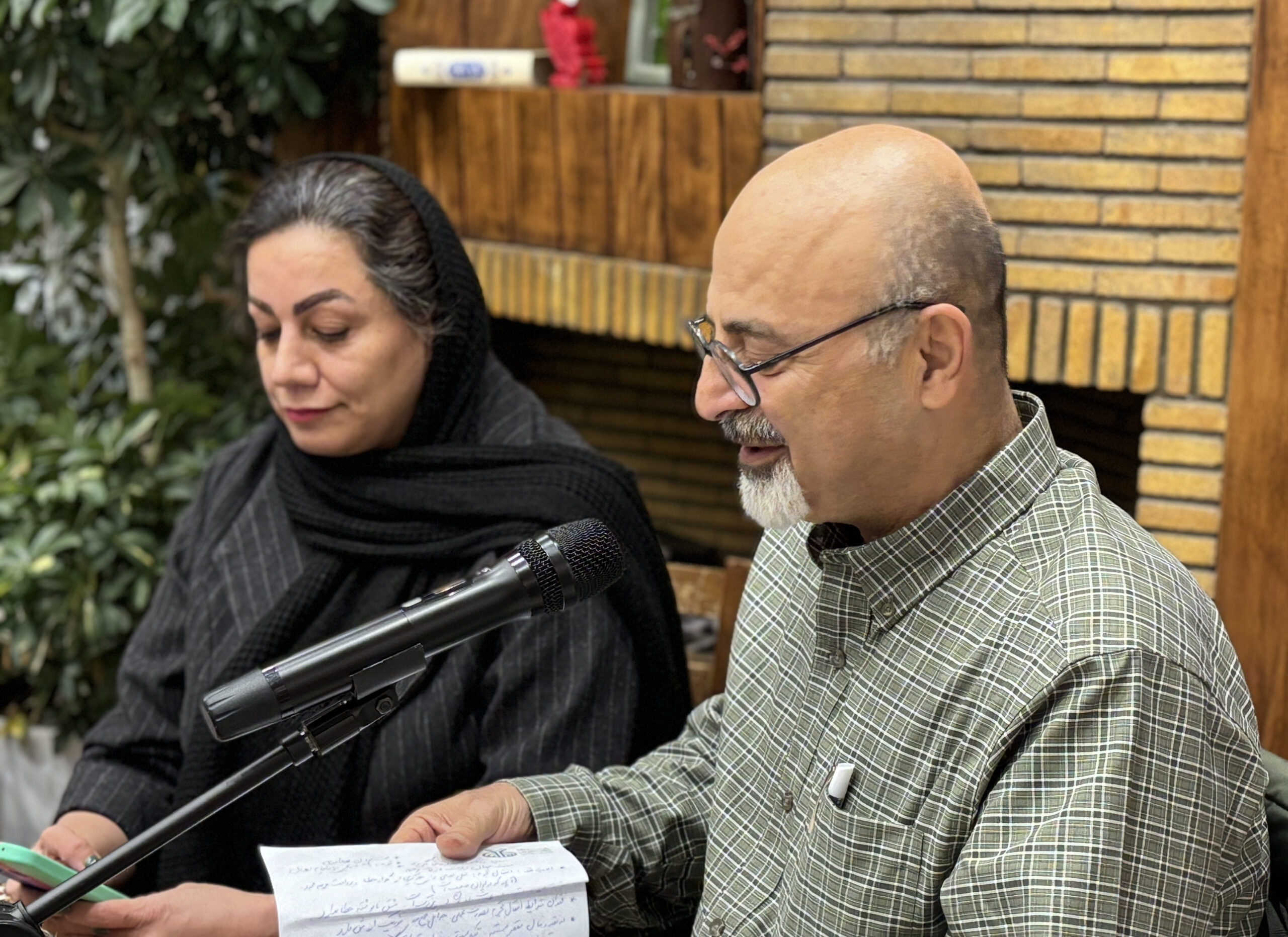
On Thursday, November 18, 2025, Bahar BookCity in Isfahan became a forum for a fascinating intellectual confrontation. The session focused on the book “Ommat: Beyond Good and Evil” by Ehsan Khadivi, featuring a dialogue between the author and Behzad Haghpanah, a key figure from the “Movement of Militant Muslims.”
The evening was far from a standard book review. It served as a rare intersection between the lived experience of a revolutionary witness and the analytical lens of a modern historian, exploring the radical political climate of 1979–1980.
The Necessity of Political Memory
Dr. Behzad Haghpanah opened by stressing that ignoring the political experiences of the 1970s and early 80s is an act of social erasure. He argued that whether one agrees with their stances or not, movements like the Militant Muslims or even the Tudeh Party were instrumental in shaping modern Iran. Haghpanah noted that for many, this era was their first, often messy, encounter with “public politics” and democratic competition—a lack of experience that led to significant theoretical and practical errors.
Text vs. Oral History
Ehsan Khadivi explained that his research focused on the Ommat weekly (the movement’s official publication) because it offers a verifiable, written record. He spoke candidly about the difficulties of oral history in Iran—the silence, the refusals, and the emotional weight that prevents many former activists from engaging objectively with their own past. His goal, he stated, was not to pass political judgment but to reconstruct an experience that has often been either erased or caricatured.
Ideological Clashes: Liberalism and the “Line of the Imam”
The discussion explored into how certain terms became weapons or dominant discourses. They analyzed how “Liberalism” became a label used to attack the provisional government of Mehdi Bazargan, and how the “Line of the Imam” (Khat-e Imam) evolved into a fluid and powerful political identifier. Khadivi’s work traces these shifts, showing how they eventually came to dominate the Iranian political landscape.
A Legacy Beyond Extremes
Despite their different perspectives, both speakers agreed on the cultural impact of this era. This period served as a training ground for a generation of thinkers and managers who would later shape the reformist and nationalist-religious movements. By moving away from “all-or-nothing” binaries, the session at Bahar BookCity highlighted the importance of collective learning from past mistakes.
The BookCity Commitment At Bahar BookCity, and across all our branches, we believe that revisiting our history is essential for building a thoughtful future. These sessions provide the critical space needed for the “transfer of experience” between generations.